Source recycled soft round oral sprayer bottle for Perfumes, Hand Sanitizer, Cosmetics
Find 30 suppliers offering the recycled soft round oral sprayer bottle for personal care and chemical applications. Compare specifications like 250ml and 10ml capacities, 28/410 closure sizes, and customization options including custom logos and colors.
Key considerations
Products List


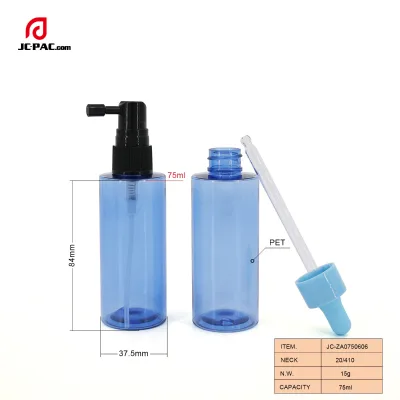


Black Color Oil Sprayer Bottle Ultra-Fine Spray Continuous Spray Bottle
$0.52 - $0.57
MOQ: 10000 Pieces


Comprehensive Sourcing Guide
Strategic Sourcing Guide for Recycled Soft Round Oral Sprayer Bottles
Understanding Product Specifications and Technical Attributes
When sourcing recycled soft round oral sprayer bottles, buyers must first establish a clear understanding of the technical baseline provided by the market. The core product category is defined by specific manufacturing techniques and material properties. The primary production method identified in the supply base is bottle blowing, a process that allows for the creation of consistent, hollow plastic structures. The material composition is explicitly plastic, which aligns with the "recycled" descriptor often sought by eco-conscious procurement teams, though the specific percentage of post-consumer recycled content requires direct verification with the manufacturer.
The physical form factor is critical for oral applications. The observed product shape is consistently round, designed to fit comfortably in the hand and provide a stable base for dispensing. The sprayer mechanism itself is a push sprayer, operating on a pump sprayer sealing type. This mechanical action creates a liquid column spraying shape, which is essential for delivering precise dosages of oral care liquids, disinfectors, or personal care solutions. The closure size is a standard 28/410 thread, a universal bottleneck dimension that ensures compatibility with a wide range of existing filling lines and packaging equipment.
Capacity variations are a key differentiator in this sector. The supply data indicates standards ranging from 10ml to 250ml, with specific models like the LH801-03 and PBottle230506-1 representing different volume tiers. The 10ml variant is often categorized as a round shape perfume spray bottle, while larger capacities like 250ml are suited for broader liquid containment needs. The weight of these units typically falls between 10g and 80g, with customization available for specific weight requirements. Surface handling is frequently achieved through screen printing, allowing for branding directly on the bottle body, though other methods may be available upon request.
Compliance, Certification, and Safety Verification
For oral care and personal care applications, compliance is not merely a formality but a critical safety requirement. Buyers must verify that the plastic material used meets food-grade or cosmetic-grade safety standards, even if the specific certification is not explicitly listed in the general product description. The supply data notes that some products are "Without Ethylene Oxide Sterilization," which implies that the sterilization process, if required, must be handled separately or through alternative methods suitable for the specific liquid contents.
The application scope includes chemical and personal care uses, such as hand sanitizer, perfumes, and skin care creams. This broad usage profile necessitates a rigorous check on chemical resistance. The plastic must not leach harmful substances when in contact with alcohols, essential oils, or acidic oral care solutions. While the text mentions "Standard Shipping Carton" and "Corrugated Brown Carton" for packing, the internal packaging often involves polybags to protect the sprayer mechanism from dust and damage during transit.
Buyers should also investigate the recyclability claims. The product attributes list "Recyclable" as a feature, which is a strong selling point for sustainability goals. However, the term "recycled" in the product title suggests the bottle itself may contain recycled content. Procurement teams must request documentation proving the source of the recycled material and the percentage of post-consumer resin (PCR) used. Without this data, the "recycled" claim remains an observation rather than a verified fact. Additionally, the "Disposable" feature listed for some variants suggests a single-use lifecycle, which may conflict with sustainability goals unless the disposal process is clearly defined and managed.
Cost Drivers and Economic Factors
The economics of sourcing these bottles are influenced by several variable factors. The observed price range in the market is 0.03 to 2.5 USD per unit, a wide spectrum that reflects differences in volume, material quality, and customization complexity. The lower end of this range likely corresponds to standard, non-customized units in high volumes, while the higher end may include custom colors, specialized sprayer mechanisms, or smaller batch sizes.
Minimum Order Quantity (MOQ) is a significant cost driver. The data presents a range of 100 to 50,000 units, with specific listings showing 500, 5,000, and 10,000 units as common thresholds. For a buyer seeking a "recycled" product with custom branding, the MOQ will likely be higher to justify the setup costs for screen printing and the sourcing of specific recycled resin batches. The ability to accept OEM and ODM services allows for flexibility, but it often comes with a price premium compared to off-the-shelf standard products.
Payment terms also impact the financial planning of the procurement cycle. A common structure observed is a 30% deposit followed by a 70% payment against the Bill of Lading copy. This standard term protects the buyer by ensuring that the bulk of the payment is made only after the goods have been shipped. However, buyers should negotiate based on their relationship with the supplier and the order size. Lead times are another variable; a standard delivery time of 25 days is noted, but this can fluctuate based on raw material availability, especially if specific recycled plastics are in short supply.
Typical Applications and Usage Scenarios
The versatility of the round oral sprayer bottle makes it suitable for a diverse array of applications. The primary use cases identified include personal skin care creams, hair care creams, and perfumes. The "Soft" aspect of the sprayer suggests a gentle mist or column, which is ideal for delicate oral care products that require precise application without splashing. The liquid contained is often a disinfectant or a cosmetic liquid, requiring a sprayer that maintains a consistent seal to prevent evaporation or leakage.
The "Refillable" feature is a crucial attribute for long-term product lines. This allows brands to create a circular economy model where the bottle is used multiple times, reducing waste and enhancing brand loyalty. The "Universal" age group classification indicates that these bottles are designed for adult use, which is typical for most oral care and cosmetic products. The wide-mouthed bottle design, noted in some specifications, facilitates easier filling and cleaning, which is beneficial for both manufacturers and end-users who may wish to refill the bottle at home.
The application extends to chemical uses, suggesting that the bottle must withstand potential corrosive elements found in certain cleaning agents or sanitizers. The color options are customized, allowing brands to align the bottle appearance with their identity. Whether the product is a 10ml travel-sized perfume or a 250ml household disinfectant, the round shape and push sprayer mechanism provide a consistent user experience across different volume tiers.
Supplier Evaluation and Sourcing Strategy
Evaluating suppliers for recycled soft round oral sprayer bottles requires a multi-faceted approach. The location of the manufacturing base is predominantly Yuyao, Zhejiang, China, a hub known for plastic packaging production. Buyers should verify the specific factory location within this region to assess logistics efficiency and potential supply chain risks. The presence of OEM and ODM acceptance is a positive indicator of a supplier's flexibility and technical capability.
When assessing a supplier, buyers should look for evidence of their customization capabilities. The ability to provide a free sample is a standard practice that allows for physical verification of the product quality. The sample process should be clear, with instructions on how to request a sample and any associated shipping costs. The "Contact to Get Free Sample" attribute suggests that the process may require direct communication, which is an opportunity to gauge the responsiveness and professionalism of the supplier's sales team.
Quality control should be a primary focus during the supplier evaluation. Buyers must ask about the supplier's internal quality assurance processes, including how they test the sprayer mechanism for consistency and how they verify the material composition. The "Standard Shipping Carton" and "Paper Carton" options indicate that the supplier has experience with various packaging needs, but the buyer should confirm if the packaging is sufficient to protect the sprayers during international shipping.
Quality Control and Inspection Protocols
Implementing a robust quality control (QC) protocol is essential to ensure that the sourced bottles meet the required standards. Given the variation in MOQs and the custom nature of the products, a pre-shipment inspection is highly recommended. This inspection should cover the physical dimensions, specifically the 28/410 closure size and the round shape consistency. Any deviation in these dimensions can lead to fitting issues with caps or filling machines.
The functionality of the push sprayer must be tested to ensure it produces the correct liquid column spraying shape. This involves checking for clogging, leakage, and the consistency of the spray pattern. For recycled materials, visual inspection for impurities or discoloration is necessary to ensure the product meets aesthetic standards. The screen printing quality should also be verified for clarity, adhesion, and alignment.
If the product is intended for oral care, the chemical resistance of the plastic must be validated. This may involve testing the bottle with the actual liquid product to ensure no degradation occurs over time. The "Disposable" or "Recyclable" status should be confirmed through documentation, as this impacts the end-of-life management of the product. For high-volume orders, a third-party inspection service can provide an unbiased assessment of the production batch before it leaves the factory.
Long-Term Procurement and Sustainability Considerations
Sourcing recycled soft round oral sprayer bottles is not just a transactional activity but a strategic decision that impacts long-term brand sustainability. The "Refillable" and "Recyclable" features are key indicators of a product designed for a circular economy. Buyers should consider the lifecycle of the bottle and how it aligns with their corporate sustainability goals. The ability to customize the logo and color allows for brand differentiation while maintaining a commitment to environmental responsibility.
Long-term procurement involves building a stable relationship with suppliers who can consistently deliver high-quality recycled materials. The variability in MOQs (from 100 to 50,000 units) suggests that suppliers can accommodate both pilot runs and large-scale production. However, buyers should plan for potential fluctuations in raw material costs, especially if the price of recycled plastic resin changes. Establishing a framework for regular reviews of the supply chain, including audits of the supplier's recycling practices, can help mitigate risks.
The payment terms and delivery times also play a role in long-term planning. A 25-day lead time is a baseline, but buyers should negotiate for shorter lead times or more flexible terms as the relationship matures. The ability to accept OEM and ODM services ensures that the product can evolve with market trends, such as changes in bottle size or sprayer technology. By focusing on suppliers who prioritize quality, sustainability, and flexibility, buyers can secure a reliable supply of recycled soft round oral sprayer bottles that meet both functional and ethical standards.
| Attribute Category | Observed Value/Range | Verification Requirement |
|---|---|---|
| Material | Plastic | Verify % of Post-Consumer Recycled (PCR) content |
| Shape | Round | Confirm dimensional tolerance for 28/410 thread |
| Sprayer Type | Push Sprayer / Pump | Test spray pattern and leakage resistance |
| Capacity | 10ml - 250ml | Match specific model (e.g., LH801-03) to needs |
| MOQ | 100 - 50,000 pcs | Confirm minimum for custom branding |
| Origin | Yuyao, Zhejiang, China | Verify factory location and audit status |
| Packing | Carton / Polybag | Ensure protection for international shipping |
| Customization | Logo, Color, Size | Confirm lead time impact for custom orders |
FAQs
What customization options are available for these bottles?
Customization is available for color, logo, and weight. Buyers can request customized colors and custom logos on the round plastic bottles. Weight options range from 10 to 80 grams or can be customized to specific requirements for unique product needs.
How is the sprayer mechanism designed for these bottles?
The sprayer is a push type that creates a liquid column shape. It uses an external thread connection with a 28/410 closure size. The sealing type is a pump sprayer suitable for liquids like disinfectors and perfumes.
Can I get a free sample before placing a large order?
Yes, free samples are available upon contact. Buyers must reach out to request a sample to verify quality before committing to bulk orders. This allows verification of the plastic material and sprayer functionality.
What are the minimum order quantities for these bottles?
Minimum order quantities vary between 100 and 50,000 pieces depending on the specific model. Common thresholds observed are 500, 5,000, and 10,000 pieces. The exact MOQ depends on the customization level and selected capacity.
Which materials are used to manufacture these sprayer bottles?
The bottles are manufactured using plastic materials. They are designed to be recyclable and some variants are disposable. The material is suitable for containing chemicals, personal care items, and cosmetics.
What is the typical delivery time for these orders?
The standard delivery time is 25 days. This lead time may vary based on raw material availability and specific customization requirements. Buyers should confirm the exact timeline during the negotiation phase.
How are these bottles packaged for shipping?
Packaging options include standard shipping cartons, corrugated brown cartons, or paper cartons. Individual units may be packed in polybags to protect the sprayer mechanism. The specific packing method depends on the order size and buyer preference.