Source Remote Touch Control UVC Lamp for Room, Garden, Decoration
Find 30 verified options for the Remote Touch Control UVC Lamp suitable for room, garden, and decoration applications. Buyers can compare LED specifications, power sources, and delivery times from suppliers in China; compare the available evidence and request quotations based on your requirements.
Key considerations
Products List
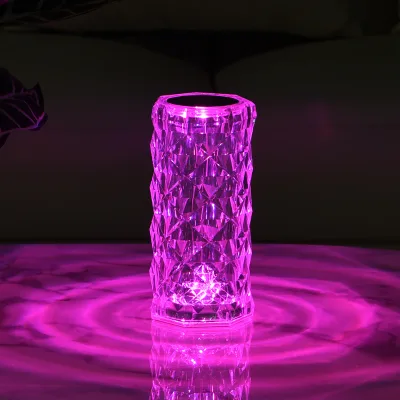


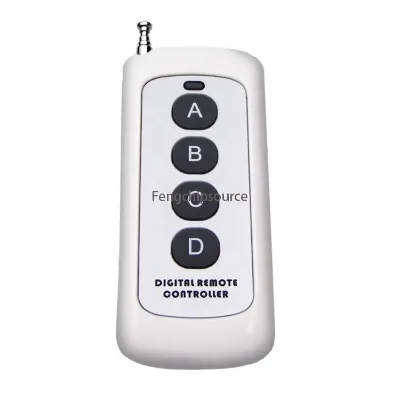


$1.57 - $1.58
MOQ: 5000 Pieces


Comprehensive Sourcing Guide
Remote Touch Control UVC Lamp Sourcing Guide
Sourcing ultraviolet-C (UVC) lighting systems equipped with remote and touch controls requires a nuanced understanding of both the optical technology and the electronic interfaces that govern their operation. While the core keyword suggests a specific form factor, the market data indicates a diverse range of products, from modern decorative lamps to industrial-grade operating lights. Buyers must distinguish between general illumination devices that may feature UVC capabilities and dedicated sterilization units, as the safety protocols and regulatory requirements differ significantly. The presence of remote and touch controls adds a layer of complexity regarding user interface design, signal reliability, and the integration of safety interlocks that prevent accidental exposure during operation.
The procurement landscape for these devices is characterized by a wide variance in specifications, origins, and intended applications. Observed listings reveal products originating from regions such as Guangdong and Shanghai, with models ranging from consumer-style LED lamps to specialized medical or industrial equipment. This diversity means that a single sourcing strategy is insufficient; buyers must first define whether they require a device for ambient room decoration, garden lighting, or critical industrial and engineering applications. Understanding the specific use case is paramount, as it dictates the necessary power supply type, the durability of the diffuser materials, and the level of certification required for safe deployment in occupied or semi-occupied environments.
Product Scope and Observed Listing Signals
The observed product listings reveal a broad spectrum of items that may be loosely associated with the core keyword, highlighting the importance of precise specification matching. Data indicates products with LED light sources, some utilizing Epistar chips, and others employing halogen technology, which is generally unsuitable for modern UVC applications due to efficiency and lifespan constraints. Models such as KA-NL314 and VIR00589 demonstrate the variety in design styles, ranging from modern, round-shape lamps with plastic bodies to more utilitarian industrial units. Buyers should note that while some listings mention "UVC" in search contexts, the actual product attributes often describe general lighting or specialized operating lights, necessitating careful verification of the actual spectral output and intended sterilization efficacy.
Commercial signals further complicate the sourcing process, with observed price ranges spanning from $0.52 to $500,000 and minimum order quantities (MOQs) varying from 1 to 5,000 units. This extreme variance suggests that the market includes everything from low-cost decorative components to high-end, certified medical or industrial systems. For instance, certain listings indicate a warranty of one to two years and delivery times of within 25 days for bulk orders, while others may have different logistical terms. The presence of customization options and various packaging types, from color boxes to standard export cartons, indicates that suppliers are prepared to handle both small-scale prototype orders and large-scale industrial deployments, requiring buyers to align their volume expectations with the appropriate supplier tier.
Technical Specifications to Verify
When evaluating technical specifications, the power supply and control mechanisms are critical differentiators. Many observed products utilize battery or DC power sources, which is essential for portable or remote-controlled UVC devices to ensure safety and flexibility. The integration of touch control and remote control functions must be verified for reliability, particularly in industrial or medical settings where precise activation is necessary. Buyers should confirm whether the control system includes safety interlocks that automatically shut off the UVC emission when the device is moved or when a sensor detects human presence. Additionally, the type of LED chips used, such as Epistar, can influence the consistency of the UV-C output, so verifying the chip manufacturer and the spectral peak wavelength is crucial for ensuring effective sterilization performance.
The physical construction and material composition also play a significant role in the longevity and safety of the lamp. The lamp body material, often plastic in modern designs, must be resistant to UV degradation to prevent yellowing or cracking over time. The diffuser material, typically polycarbonate in high-quality units, should be selected to effectively transmit UVC wavelengths while protecting users from direct exposure. Furthermore, the expected lifespan of the light source, often cited as 50,000 hours for LED variants, should be cross-referenced with the actual usage patterns of the intended application. For industrial or engineering uses, the durability of the housing and the quality of the electrical connections must be assessed to ensure they can withstand the operational environment without failure.
Compliance and Safety Documentation
Compliance with international safety standards is non-negotiable for UVC lighting products, given the potential health risks associated with ultraviolet exposure. Buyers must verify that the products hold valid certifications such as CE and RoHS, which indicate conformity with European health, safety, and environmental protection standards. The presence of these certifications suggests that the manufacturer has undergone testing for electrical safety and hazardous substance restrictions. However, buyers should also inquire about additional certifications specific to UVC devices, such as IEC 62471 for photobiological safety, which classifies the risk level of the light source. Without proper documentation, the risk of non-compliance in the destination market can lead to customs delays, product recalls, or legal liabilities.
In addition to product-level certifications, the manufacturing process and quality management systems should be evaluated. Some listings mention ISO standards, which indicate a structured approach to quality control and production consistency. Buyers should request evidence of these standards, such as ISO 9001 certification, to ensure that the supplier maintains rigorous quality assurance practices. For medical or industrial applications, additional regulatory approvals may be required, such as FDA clearance in the United States or local medical device registrations. It is essential to obtain all relevant documentation before placing an order, as relying on supplier assertions without verified proof can expose the buyer to significant operational and legal risks.
Cost Drivers and Commercial Terms
The cost structure of remote touch control UVC lamps is influenced by several key factors, including the quality of the LED chips, the complexity of the control electronics, and the materials used in construction. High-efficiency chips from reputable manufacturers like Epistar typically command a higher price but offer better longevity and consistent output. The inclusion of advanced features such as remote control, touch interfaces, and safety sensors adds to the bill of materials and development costs. Buyers should also consider the impact of customization options, such as branded packaging or specific color boxes, which may incur additional setup fees or higher per-unit costs. Understanding these cost drivers allows for more accurate budgeting and negotiation with suppliers.
Commercial terms, including pricing, MOQs, and lead times, vary significantly across the market. Observed data shows a wide price range, reflecting the diversity in product quality and application. Buyers should be cautious of extremely low prices, which may indicate compromised quality or lack of necessary certifications. MOQs can range from single units for sampling to thousands for bulk production, so buyers should align their order size with the supplier's capabilities. Lead times, typically within 25 days for bulk orders, should be factored into the procurement schedule. Additionally, payment terms and warranty conditions, such as the one- or two-year warranties observed in some listings, should be clearly defined in the contract to protect against defects and ensure long-term support.
Supplier Qualification and Quality Control
Supplier qualification is a critical step in mitigating procurement risks, particularly for specialized products like UVC lamps. Buyers should conduct thorough due diligence on potential suppliers, verifying their business licenses, manufacturing capabilities, and export history. Suppliers located in established manufacturing hubs like Guangdong and Shanghai may offer advantages in terms of supply chain efficiency and technical expertise. However, location alone is not a guarantee of quality; buyers must assess the supplier's track record in producing similar products and their ability to meet specific technical requirements. Requesting samples for testing is a recommended practice to evaluate the actual performance, build quality, and control functionality of the device before committing to a larger order.
Quality control processes should be clearly defined and agreed upon with the supplier. This includes pre-production inspections, in-process quality checks, and final random inspections before shipment. Buyers should inquire about the supplier's defect rate and their procedures for handling non-conforming products. For UVC lamps, specific tests may include verifying the UV-C intensity, checking the functionality of the remote and touch controls, and ensuring the durability of the diffuser and housing. Establishing a clear quality agreement with defined acceptance criteria and rejection procedures helps ensure that the delivered products meet the required standards. Regular communication and periodic audits can further enhance quality assurance and build a reliable supply chain partnership.
Long-Term Procurement Checks
Long-term procurement success depends on establishing robust mechanisms for ongoing performance monitoring and supplier relationship management. Buyers should implement a system for tracking product performance in the field, including any failures, maintenance needs, or customer feedback related to the remote and touch controls. This data can be used to identify trends, request improvements, or negotiate better terms with the supplier. Regular reviews of the supplier's quality metrics, such as defect rates and on-time delivery performance, help ensure that the partnership remains productive and reliable. Additionally, staying informed about changes in regulations and standards for UVC devices is essential to maintain compliance and avoid obsolescence of the procured products.
Continuous improvement and innovation should also be encouraged through regular dialogue with the supplier. As technology evolves, new LED chips, control systems, and safety features may become available that offer better performance or cost efficiency. Buyers should explore opportunities for product upgrades or customization to meet changing market demands. Furthermore, diversifying the supplier base can mitigate risks associated with single-source dependencies. By maintaining a proactive approach to supplier management and product evaluation, buyers can ensure a steady supply of high-quality UVC lamps that meet their operational and safety requirements over the long term.
FAQs
Can remote touch control uvc lamps be dimmed for adjustable lighting?
Yes, many models support dimming functions to adjust brightness levels. This feature allows users to customize light intensity for different environments. The control mode often includes touch and remote options for convenient operation. Such flexibility enhances usability in various settings like rooms or gardens. Always verify specific product specifications to confirm dimming compatibility before purchase.
What certifications are required for Remote Touch Control UVC Lamp suppliers?
Common certifications include CE and RoHS compliance for safety and environmental standards. These ensure the product meets international regulatory requirements for electrical components. Some manufacturers may also hold ISO standards for quality management. Buyers should request valid certification documents to verify supplier credibility. Ensuring these credentials are present helps mitigate risks associated with product safety and legal compliance.
How long is the typical lead time for bulk orders?
Bulk order delivery typically takes within 25 days after confirmation. Sample delivery is usually faster, often completed within 2 days. These timelines can vary based on order volume and customization needs. Suppliers in Guangdong, China, often adhere to these standard delivery windows. It is advisable to confirm exact lead times with the supplier before placing large orders.
Which LED chips are commonly used in these lamps?
Epistar LED chips are frequently used in these lighting products. They provide reliable performance and consistent light output. The lamps often emit white light suitable for various applications. With a lifespan of up to 50,000 hours, these chips offer durability. Buyers should check specific model details to confirm the chip manufacturer and quality standards.
What packaging options are available for remote touch control uvc lamps?
Packaging options include customized color boxes or blister packages for retail. Standard export packing and cartons are used for bulk shipments. Customization is available to meet specific branding or logistical requirements. The choice depends on the order quantity and destination market. Suppliers typically provide secure packaging to protect the plastic lamp body and electronic components during transit.