Source Reservoir Expansion Tank Cap for Motorcycle, Gas, and Liquid Systems
Find 30 Reservoir Expansion Tank Cap options for motorcycle sealing, gas storage, and liquid pressure vessels. Compare PP and steel materials, ISO9001 certifications, and customization features to select the right fit for your industrial or automotive needs; compare the available evidence and request quotations based on your requirements.
Key considerations
Products List


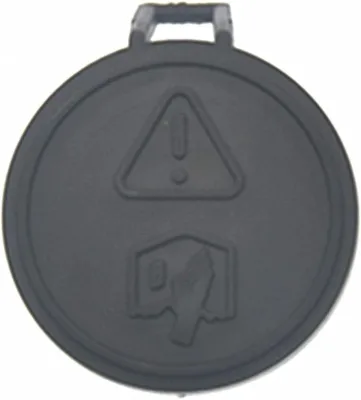
ODM Auto Spare Parts Plastic Molding Oil Filler Lid Expansion Fuel Tank Cap
$0.75 - $1.50
MOQ: 2000 Pieces


$50.00 - $120.00
MOQ: 5 Pieces

$50.00 - $120.00
MOQ: 5 Pieces




Comprehensive Sourcing Guide
Reservoir Expansion Tank Cap Sourcing Guide
Procurement professionals must first distinguish between general sealing components and specialized pressure vessels when searching for reservoir expansion tank caps. The market data indicates a diverse range of products, from simple motorcycle anti-theft seals to complex storage pressure vessels designed for liquid and gas applications. Buyers should verify that the specific cap or valve assembly matches the intended system pressure, whether it is a low-pressure environment around 0.1MPa or a high-pressure gas cylinder application.
Understanding the material composition is critical for selecting the correct component for the specific fluid medium. Available listings show options ranging from polypropylene and steel to stainless steel with EPDM bladders, each suited for different chemical compatibilities and temperature ranges. A cap designed for a moncombustible or nontoxic liquid storage vessel will differ significantly in construction from one intended for a pharmaceutical or petroleum mixture, requiring careful alignment of material properties with the operational environment.
Product Scope and Observed Listing Signals
The observed product listings reveal a wide spectrum of functional attributes, including anti-theft sealing for motorcycles and pressure protection for industrial gas cylinders. Some units are explicitly designed as storage pressure vessels with specific dimensions like 300-400mm widths and inner diameters between 20-22.5mm, while others serve as protective covers for transformer parts or gas cylinder valves. Buyers must scrutinize the application field to ensure the component is not merely a generic seal but a specialized part for high-pressure or temperature-sensitive systems.
Packing and customization options vary significantly across suppliers, ranging from neutral packing to customized wooden cases and specific dimensions like 45x45x76cm. The presence of accessories such as pressure gauges and vents suggests that some "caps" are actually integrated valve assemblies requiring precise installation. Procurement teams should confirm whether the product is a standalone sealing element or a complex assembly that includes rubber capsules and specific flange sizes like G1" to ensure compatibility with existing infrastructure.
Technical Specifications to Verify
Dimensional accuracy is paramount when sourcing expansion tank caps, as the inner diameter and flange size must match the host vessel perfectly to prevent leaks. Specifications such as a 20-22.5mm inner diameter or a G1" flange size are critical constraints that cannot be ignored during the selection process. Buyers should request detailed engineering drawings to verify that the thickness, such as the observed 1.0mm, and the overall width align with the mechanical requirements of the specific reservoir or tank being serviced.
Operating conditions including temperature and pressure levels dictate the material selection and structural integrity of the cap. The data indicates products rated for temperatures between 0~99℃ and pressure levels ranging from low pressure (0.1MPa≤p<1.6MPa) to high-pressure gas cylinder applications. It is essential to confirm that the bladder material, such as EPDM, and the main body material, whether steel or stainless steel, are certified to withstand the specific working pressure and chemical nature of the storage medium without degradation.
Compliance and Safety Documentation
Safety compliance is non-negotiable for pressure vessels and gas cylinder accessories, requiring verification of certifications like ISO9001, CE, and CCC. These certifications indicate that the manufacturing process adheres to international quality management standards and specific safety regulations for pressure equipment. Buyers must ensure that the supplier provides valid, up-to-date documentation proving that the specific batch of caps or vessels has undergone the necessary testing to meet these rigorous safety benchmarks.
Warranty periods and liability terms also play a crucial role in the risk management strategy for industrial procurement. Some listings explicitly mention a three-month warranty period, which serves as a baseline indicator of the supplier's confidence in product durability. However, for high-pressure applications involving hazardous gases or liquids, a standard warranty may be insufficient; buyers should negotiate extended coverage and clear terms regarding failure analysis to protect against operational downtime and safety incidents.
Cost Drivers and Commercial Terms
The cost of reservoir expansion tank caps is heavily influenced by material complexity, customization requirements, and the specific manufacturing method employed. Products made from stainless steel or those requiring punching and stretching for gas cylinders typically command higher prices than standard polypropylene seals. Additionally, the inclusion of specialized accessories like pressure gauges or custom packing solutions can significantly alter the final unit price, necessitating a detailed breakdown of costs before finalizing any purchase order.
Minimum Order Quantities (MOQ) and lead times vary widely, with some suppliers offering single-piece orders while others require volumes up to 2000 units. The observed MOQ range of 1 to 2000 suggests flexibility for small-scale testing but potential constraints for large-scale industrial deployment. Buyers should clarify whether the quoted price includes customized packing or if standard neutral packing is the default, as these logistical factors can impact the total landed cost and inventory management strategy.
Supplier Qualification and Quality Control
Supplier qualification should extend beyond basic certifications to include a review of their manufacturing capabilities and quality control protocols. The presence of specific manufacturing methods like punching and stretching indicates a specialized production line capable of handling complex geometries required for gas cylinders. Buyers should verify that the supplier has a robust system for inspecting main components, such as rubber capsules, to ensure consistent performance and prevent defects that could lead to system failure under pressure.
Origin and location data, such as Jiangsu, China, provide context for the supply chain but do not guarantee quality on their own. It is essential to audit the supplier's facility to confirm that they adhere to the stated standards, such as ISO9001, and that their production environment supports the specific requirements of the product, whether it is for pharmaceutical, petroleum, or new energy applications. Regular quality audits and sample testing are recommended to validate that the delivered goods consistently meet the technical specifications and safety standards agreed upon.
Long-Term Procurement Checks
Establishing a long-term procurement strategy requires regular re-evaluation of supplier performance against the original technical and compliance requirements. As product standards evolve, particularly in the high-pressure gas and liquid storage sectors, buyers must ensure that their suppliers remain compliant with updated regulations and industry best practices. Continuous monitoring of warranty claims and failure rates will help identify any systemic issues with the product design or manufacturing process before they escalate into major operational problems.
Future-proofing the supply chain involves maintaining open communication channels with suppliers regarding potential design changes or material substitutions. Since some products are classified as irregular or customized, buyers should secure agreements that allow for flexibility in production without compromising quality or safety. Regular reviews of the product's performance in the field, combined with updated certification checks, will ensure that the reservoir expansion tank caps continue to meet the demanding requirements of the application over the long term.
FAQs
What materials are commonly used for reservoir expansion tank caps?
Reservoir expansion tank caps in this category are listed in polypropylene (PP) and stainless steel, with steel also appearing among cylinder-related caps. PP suits lightweight motorcycle applications such as the Honda Navi, while stainless steel or steel variants handle higher-pressure vessel installations. Choose based on the medium, working pressure, and temperature range your application requires rather than appearance alone.
Can I order reservoir expansion tank caps with customized packaging or branding?
Yes, customization is available. Suppliers list Mtosir packing, neutral packing, and customized packing options, and some listings support box, wooden case, paper carton, or pallet packing depending on the product type. Provide your branding artwork, label requirements, and destination-market packing preferences when requesting a quotation so the factory can confirm feasibility and any additional cost before production.
What is the typical minimum order quantity for these caps?
Minimum order quantities in this category range from 1 piece to 2000 pieces depending on the product and supplier. Some pressure-vessel and tank assemblies are sold at 1 PC MOQ, while mass-produced plastic motorcycle caps often require higher volumes. Confirm the MOQ for your exact model, since custom branding or special packaging can raise the minimum quantity.
Which certifications should I look for when sourcing these products?
Listings in this category reference ISO9001, CE, and CCC certifications, with some items also showing ISO. For pressure vessels and gas cylinder equipment, prioritize suppliers documenting CE marking and quality management compliance, and ask for certificate copies matching the exact model. Certification requirements vary by destination market, so verify which marks your import region recognizes before ordering.
How do I match a cap to my Honda Navi motorcycle?
Check the fitment listing and key dimensions first. This category lists a width of 300-400mm range for some caps and an inner diameter of 20-22.5mm, so measure your reservoir neck before ordering. The Honda Navi is an explicitly listed fitment, but confirm the inner diameter and thread style against your original cap to ensure a proper anti-theft seal.
What pressure ratings apply to expansion tanks sold with these caps?
The pressure vessels in this category are low-pressure units operating at 0.1MPa or above and below 1.6MPa, with listed accessories including a pressure gauge and vent. One listed model, 24L-H, features an EPDM bladder and a G1 inch flange. Always match the tank pressure class and medium type, liquid or gas, to your system specification before purchase.