Source Resettable Spring Chest Handle for Furniture, Cabinets, and Drawers
Find 30 Resettable Spring Chest Handle options from Chinese manufacturers. Compare stainless steel and steel models with varying bearing capacities, finishes, and certifications to identify the right supplier for your hardware needs; compare the available evidence and request quotations based on your requirements.
Key considerations
Products List


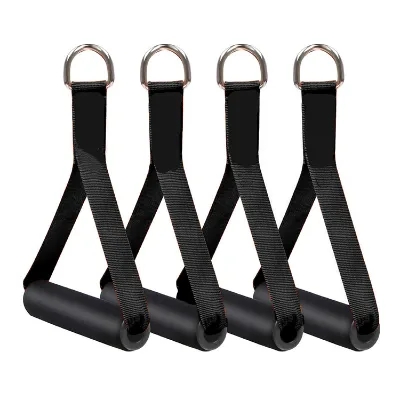


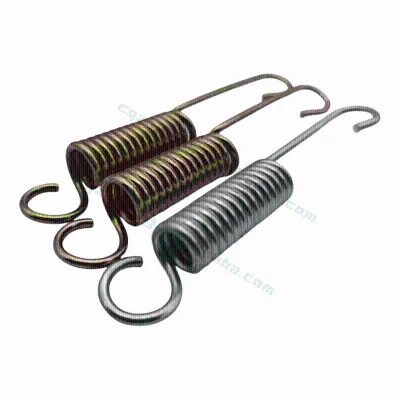


Accessory Fixed Spring Release Buckle
$0.86 - $1.07
MOQ: 100 Pieces
Jinhua Hengyang Cross-Border Trade Limited Liability Company


Comprehensive Sourcing Guide
Resettable Spring Chest Handle Sourcing Guide
Procuring resettable spring chest handles requires identifying components that balance mechanical resilience with specific load-bearing requirements for industrial or commercial cabinetry. The available market data indicates a diverse range of models, including LS-003, LS-002, and J210 series variants, which often feature stainless steel or steel construction to ensure durability under repeated stress. Buyers must distinguish between handles designed for light-duty applications and those engineered for heavy loads, as observed bearing capacities in the supply chain range from 100kg to 200kg depending on the specific model configuration.
Selection criteria should prioritize the mechanical finish and plating quality, as these factors directly influence corrosion resistance and operational longevity in varying environments. Listings frequently specify treatments such as nickel plating, chrome plating, or tumbled finishes, which serve to protect the underlying metal from wear and environmental degradation. When evaluating potential suppliers, it is essential to verify that the specific handle model matches the required weight specifications, which vary from 67g to 300g, ensuring the final assembly meets both aesthetic and functional performance standards without unnecessary bulk.
Product Scope and Observed Listing Signals
The current market for resettable spring chest handles presents a wide spectrum of product attributes, ranging from standard steel constructions to specialized stainless steel variants with custom finishes. Buyers will encounter models like the J210A, J210B, and J210C, which often come with distinct bearing capacities and weight profiles, necessitating a careful review of the product specifications before placing an order. The presence of custom options suggests that manufacturers are willing to adapt dimensions or finishes, but this flexibility requires clear communication regarding the exact technical requirements to avoid mismatches in the final delivery.
Observations of packaging and shipping data reveal that products are typically supplied in cartons or on pallets, with some listings specifying a minimum order quantity of one carton while others require bulk purchases of 500 pieces or more. This variability in MOQs can significantly impact procurement strategy, particularly for smaller projects or initial sampling phases where budget constraints are tight. Additionally, the origin of these components is predominantly China, with specific manufacturing hubs noted in regions like Zhaoqing and Jiangsu, which may influence lead times and logistics planning for international buyers.
Technical Specifications to Verify
Technical verification must begin with the material composition, as the core structural integrity of the handle depends on whether the unit is fabricated from standard steel or higher-grade stainless steel. The observed data highlights specific models with varying weights, such as a 67g unit versus a 300g unit, which directly correlates to the internal spring mechanism and the overall load-bearing capability of the assembly. Buyers should request detailed engineering drawings or material certificates to confirm that the specified weight and material grade align with the intended application, ensuring the handle can withstand the expected frequency of use without fatigue failure.
Finish and treatment processes are equally critical, as they determine the resistance to corrosion and the tactile quality of the final product. Listings indicate treatments including polishing, tumbled finishes, and various plating options like chrome or nickel, which must be matched to the environmental conditions of the installation site. It is imperative to verify the specific standard codes associated with each model, such as the observed standards of 90, 120, or M and L classifications, to ensure the product meets the necessary industry benchmarks for strength and durability before committing to a large-scale purchase.
Compliance and Safety Documentation
Compliance verification for resettable spring chest handles should focus on the presence of recognized quality management certifications, such as ISO, which indicates that the manufacturer adheres to standardized production and quality control protocols. While specific safety test results are not universally detailed in the provided listings, the existence of ISO certification suggests a baseline commitment to consistent manufacturing practices that reduce the risk of defects. Buyers should explicitly request copies of these certificates and any relevant material safety data sheets to ensure the components do not contain hazardous substances that could violate import regulations or end-user safety requirements.
Documentation regarding the bearing capacity and load limits is essential for validating the safety of the final assembly, particularly in high-traffic or heavy-use environments. The observed data includes specific capacity ratings ranging from 100kg to 200kg, but these figures must be corroborated with independent testing reports or manufacturer guarantees to prevent liability issues. Procurement teams should ensure that all safety claims are backed by verifiable data, as relying solely on marketing descriptions without supporting documentation can lead to premature failure and potential safety hazards in the field.
Cost Drivers and Commercial Terms
Cost structures for resettable spring chest handles are heavily influenced by the choice of material, with stainless steel variants typically commanding a premium over standard steel options due to superior corrosion resistance and longevity. The complexity of the finishing process, such as chrome plating or tumbled treatments, also adds to the unit price, as these steps require additional labor and specialized equipment. Buyers should analyze the total cost of ownership rather than just the unit price, considering that higher-quality finishes and materials may reduce long-term maintenance and replacement costs in demanding operational environments.
Commercial terms and payment conditions play a significant role in the overall procurement strategy, with observed terms including T/T and 100% payment requirements that vary by supplier. The minimum order quantity, which ranges from a single carton to 500 pieces, directly impacts the per-unit cost and cash flow requirements for the buyer. It is advisable to negotiate flexible payment schedules or volume-based pricing tiers to optimize capital efficiency, while also clarifying shipping terms and lead times to ensure that the supply chain remains responsive to production schedules and inventory needs.
Supplier Qualification and Quality Control
Supplier qualification should prioritize manufacturers with a proven track record in producing metal hardware components, evidenced by their adherence to ISO standards and their ability to provide consistent product specifications. The diversity of models available, from the LS series to the J210 series, suggests that capable suppliers possess the versatility to handle different production runs and customization requests. Buyers should conduct a thorough audit of the supplier's quality control processes, including in-line inspections and final testing protocols, to ensure that every batch of handles meets the agreed-upon standards for weight, finish, and structural integrity.
Quality control measures must extend to the verification of packaging and labeling, as these elements protect the product during transit and ensure traceability upon arrival. The observed use of carton and pallet packaging indicates a standard approach to logistics, but buyers should confirm that the packaging is robust enough to prevent damage, especially for delicate finishes like chrome plating. Establishing a clear communication channel for quality issues and defining acceptance criteria for defects is essential for maintaining a reliable supply chain and ensuring that the delivered products consistently meet the rigorous demands of the application.
Long-Term Procurement Checks
Long-term procurement success relies on establishing a robust framework for ongoing performance monitoring and supplier relationship management. Buyers should implement a system for tracking the performance of specific handle models over time, noting any instances of premature wear, finish degradation, or mechanical failure that may indicate a need for design adjustments or supplier changes. Regular reviews of the supply chain, including assessments of lead times and consistency in product quality, will help mitigate risks and ensure that the procurement strategy remains aligned with evolving business needs and market conditions.
Continuous improvement in the sourcing process involves staying informed about new material technologies and finishing techniques that could offer better performance or cost efficiency. As the market for resettable spring chest handles evolves, buyers should remain open to adopting new standards or specifications that enhance the durability and functionality of the components. By maintaining a proactive approach to supplier evaluation and product verification, organizations can secure a reliable supply of high-quality handles that support their operational goals and maintain the integrity of their equipment over the long term.
FAQs
What materials are used for resettable spring chest handles?
Resettable spring chest handles are typically manufactured from stainless steel or standard steel. These materials provide the necessary durability and strength for heavy-duty applications. The choice of material ensures long-term performance and resistance to wear in demanding environments.
Can these handles be customized for specific requirements?
Yes, customization is available for these handles to meet specific buyer needs. Manufacturers offer tailored solutions including specific models like LS-003 or J210B. This flexibility allows buyers to select handles that fit their exact design specifications and functional requirements.
What surface treatments are applied to these handles?
Common surface treatments include nickel plating, chrome plating, and polishing. Some finishes also involve tumbling for a smooth texture. These treatments enhance corrosion resistance and aesthetic appeal, ensuring the handles remain functional and visually pleasing in various industrial settings.
What is the typical bearing capacity of these handles?
The bearing capacity varies by model, ranging from 100kg to 200kg. Specific models are rated for 120kg or 150kg loads. Buyers should select a handle with a capacity that exceeds their expected load to ensure safety and structural integrity during use.
How are these handles packaged for shipping?
Handles are typically packed in cartons or on pallets for secure transport. This packaging method protects the items from damage during transit. The standard packing ensures efficient handling and storage, making it suitable for bulk orders and international shipping logistics.
What certifications do these handles typically hold?
Many of these handles hold ISO certifications, indicating compliance with international quality standards. This certification assures buyers of consistent manufacturing quality and reliability. It is a key factor for buyers requiring verified product standards for their supply chain and safety protocols.