Source Residential Building Water Pipes and Fittings for plumbing, irrigation, and drainage
Find 30 verified options for Residential Building Water Pipes and Fittings suitable for plumbing, irrigation, and drainage systems. Compare specifications, materials, and prices from suppliers in China to find the right solution for your project.
Key considerations
Products List


$12.00 - $16.00
MOQ: 500 Pieces


$12.00 - $16.00
MOQ: 500 Pieces

$12.00 - $16.00
MOQ: 500 Pieces





Comprehensive Sourcing Guide
Strategic Sourcing Guide for Residential Building Water Pipes and Fittings
Procuring water distribution systems for residential construction requires a meticulous approach that balances technical performance, regulatory compliance, and supply chain reliability. The market offers a diverse array of materials and connection technologies, ranging from thermoplastic pipes to stainless steel press fittings. Buyers must navigate a landscape where specifications vary significantly by region and application. This guide synthesizes available product data and industry standards to provide a framework for evaluating suppliers and selecting components that ensure long-term system integrity and safety.
Technical Specifications and Material Selection
The foundation of any successful procurement strategy lies in understanding the specific technical attributes of the products under consideration. Residential water systems generally utilize two primary material categories: plastic and stainless steel, each serving distinct roles within the distribution network.
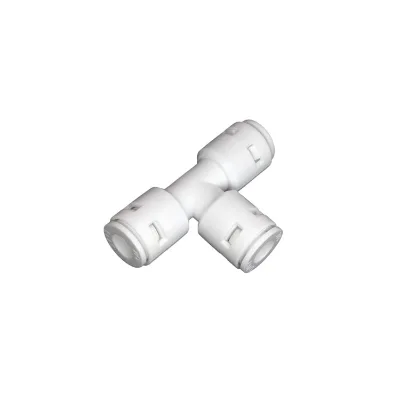
Plastic piping systems, often categorized as thermoplastics, are widely favored for their corrosion resistance and ease of installation. Available product data indicates that these pipes typically come in sizes ranging from 1/2 inch to 4 inches, or metric equivalents between 50mm and 160mm. The standard wall thickness and pressure ratings are critical; observed specifications suggest a pressure rating of 16 bar for certain press-fit components, while others are designed for general distribution. The material composition is predominantly plastic, with color options including white, green, grey, or customized shades to meet aesthetic or functional requirements. Weight specifications for these components vary, with individual units ranging from 0.25kg to over 3.6kg depending on the diameter and length.
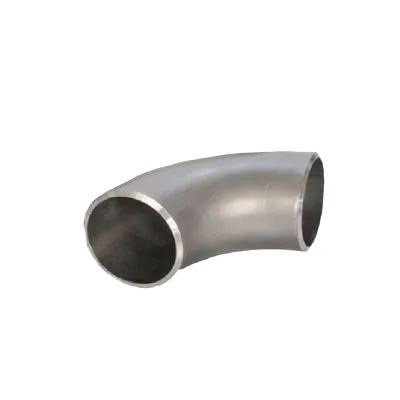
In contrast, stainless steel fittings offer superior mechanical strength and are often used for press connection applications. These components are frequently manufactured from 304 or 316L stainless steel, providing excellent resistance to oxidation and chemical degradation. The connection method for these fittings is often a press connection, which relies on specialized tools to compress the fitting onto the pipe, creating a secure seal. The temperature range for these systems is typically specified from -20°C up to +120°C, making them suitable for both cold and hot water distribution. The O-rings used in these seals are available in various elastomers, including EPDM, HNBR, NBR, and FKM, allowing buyers to select the material best suited for the specific water quality and temperature conditions of the project.
| Feature | Plastic Pipe Systems | Stainless Steel Fittings |
|---|---|---|
| Primary Material | Thermoplastics | 304 / 316L Stainless Steel |
| Size Range | 1/2" to 4" (50mm - 160mm) | Varies by model (e.g., M Profile) |
| Connection Type | Various (often fusion or press) | Press Connection |
| Temperature Range | Standard residential ranges | -20°C to +120°C |
| Pressure Rating | Up to 16 bar (observed) | High pressure tolerance |
| Color Options | White, Green, Grey, Custom | Metallic (Silver/Steel) |
| Typical Length | 4 M/PCS or as required | As required / Custom |
Compliance and Certification Verification
Ensuring that purchased components meet international and local safety standards is non-negotiable in residential construction. Buyers must verify that suppliers possess valid certifications that align with the destination market's regulations. The product data highlights several key standards and certifications that are frequently observed in the supply chain.
ISO 9001 is a fundamental quality management standard that indicates the supplier has a robust system for maintaining consistent product quality. Specific product listings reference ISO 1452, which is particularly relevant for plastic piping systems used in water supply and drainage. Additionally, certifications such as CE, CCC, and SGS are critical markers of compliance. The CE mark indicates conformity with health, safety, and environmental protection standards for products sold within the European Economic Area. The CCC mark is essential for products entering the Chinese market, while SGS provides third-party verification of quality and safety.
For potable water applications, water-related certifications are paramount. The WRAS (Water Regulations Advisory Scheme) and DVGW (German Technical and Scientific Association for Gas and Water) certifications are highly regarded benchmarks for water safety. These certifications ensure that the materials do not leach harmful substances into the water supply. Buyers should explicitly request proof of these certifications rather than relying on general claims. Furthermore, the standard ISO 9001:2000 is mentioned in product attributes, though buyers should verify if the supplier has updated to the latest revision of the standard, as older versions may not reflect current quality management practices.
Cost Drivers and Pricing Dynamics
The pricing of residential water pipes and fittings is influenced by a complex interplay of material costs, manufacturing complexity, and logistical factors. The observed price range in the market is extremely broad, spanning from $0.02 to $9,999. This variance is not indicative of a single product type but rather reflects the difference between a single small fitting and a bulk order of large-diameter pipe sections or complete system packages.
Material costs are a primary driver. Stainless steel components, particularly those made from 316L, generally command a higher price point than thermoplastic alternatives due to the raw material cost and the precision required for machining and pressing. The complexity of the connection system also affects cost; press-fit systems often require specialized tools and higher-precision manufacturing compared to traditional threaded or solvent-weld systems.
Logistics and packaging play a significant role in the final landed cost. Products are typically packed in cartons, wooden cases, or pallets for export. The choice of packaging depends on the fragility of the item and the distance of shipment. For example, stainless steel fittings might require more robust packaging to prevent damage during transit compared to plastic pipes. The business terms offered by suppliers, such as EXW (Ex Works), FOB (Free on Board), CIF (Cost, Insurance, and Freight), DAP (Delivered at Place), and DDP (Delivered Duty Paid), also determine the buyer's total cost. Buyers must calculate the total cost of ownership, including shipping, insurance, and duties, rather than focusing solely on the unit price.
Typical Applications and System Integration
Understanding the specific application of the components is essential for selecting the right product. Residential water systems are not monolithic; they include cold water distribution, hot water circulation, and drainage.
Plastic pipes, often referred to as PPR (Polypropylene Random Copolymer) or similar thermoplastics, are extensively used for cold and hot water distribution within the building. Their ability to withstand temperatures up to 120°C makes them suitable for hot water lines, while their flexibility allows for easy routing through walls and floors. The "M Profile" designation observed in some product data likely refers to a specific profile or type of fitting used in press-fit systems, which are increasingly popular for their speed of installation and reliability.
Stainless steel press fittings are often used in conjunction with plastic pipes or as standalone solutions in high-end residential projects. They are particularly advantageous in areas where fire resistance or mechanical durability is a priority. The "Press Connection" technology allows for a leak-free joint without the need for open flames or solvents, making it ideal for retrofitting existing buildings or working in confined spaces. The application of these fittings is strictly defined by the pressure and temperature ratings; for instance, a 16-bar rating is suitable for standard municipal water pressure but may require specific engineering for high-rise buildings where pressure zones are managed differently.
Supplier Evaluation and Sourcing Strategy
Selecting the right supplier is as critical as selecting the right product. The data indicates that the majority of suppliers originate from China, with specific hubs in Zhejiang and Ningbo. These regions have established ecosystems for manufacturing plumbing components, offering a wide range of options from small manufacturers to large-scale exporters.
When evaluating suppliers, buyers should look for evidence of customization capabilities. The product data confirms that customization is available, including color, size, and specific model numbers like C73 or PNPPR11101. This flexibility is crucial for projects with unique architectural requirements. Additionally, the availability of OEM (Original Equipment Manufacturer) services allows buyers to brand the products or have them manufactured to their specific technical drawings.
The minimum order quantity (MOQ) is another key factor. Observed MOQs range from 1 unit to 3,000 units. This flexibility allows buyers to start with small test orders or scale up to full project requirements without excessive inventory costs. However, buyers must be aware that lower MOQs might come with higher per-unit costs. The lead time and production capacity should also be verified, especially for large projects with tight deadlines. Suppliers offering "24 Hours" after-sales service or "12 Months" warranties demonstrate a commitment to customer support, which is vital for resolving any issues that arise during installation or operation.
Quality Control and Long-Term Procurement Considerations
Quality control is the safeguard against system failures. Buyers should implement a rigorous inspection process that includes verifying material certificates, checking dimensional tolerances, and testing connection integrity. The product data mentions that tolerances are "According to The Drawing," which implies that the supplier must adhere to specific engineering drawings provided by the buyer or the project engineer.
Long-term procurement considerations extend beyond the initial purchase. The warranty period, typically 12 months as observed, is a baseline expectation. Buyers should negotiate extended warranties for critical components. Furthermore, the availability of spare parts and the supplier's ability to provide technical support over the lifespan of the building are essential. The "Advantage" listed as "Manufacturer Good Quality and Competitive Price" suggests that direct sourcing from manufacturers can offer better value, but it requires the buyer to manage the quality assurance process more closely than when dealing with established distributors.
Sustainability is also becoming a key consideration. The use of recyclable materials like thermoplastics and the longevity of stainless steel systems contribute to the environmental footprint of the building. Buyers should inquire about the recyclability of the packaging materials, such as wooden cases and pallets, and the energy efficiency of the manufacturing processes.
In conclusion, sourcing residential water pipes and fittings requires a balanced approach that integrates technical specifications, compliance verification, and strategic supplier selection. By focusing on the specific needs of the project and leveraging the available product data, buyers can construct water systems that are safe, efficient, and durable. The broad range of available options, from plastic pipes to stainless steel press fittings, offers the flexibility to meet diverse residential requirements, provided that the buyer remains vigilant in their quality control and compliance checks.
FAQs
What materials are used for residential water pipes and fittings?
Products are primarily made from plastic or stainless steel. Plastic pipes are thermoplastics, while stainless steel fittings use 304 or 316L grades for durability and corrosion resistance in water systems.
Which certifications should I verify for water safety compliance?
Look for ISO 9001, CE, CCC, WRAS, and DVGW certifications. These standards ensure the products meet international quality management and potable water safety requirements for residential construction projects.
Can I customize the color and size of the pipes?
Yes, customization is available for colors like white, green, or grey, and specific sizes. Manufacturers offer OEM services to match project drawings and aesthetic requirements for residential installations.
What is the typical pressure rating for these fittings?
Observed specifications indicate a pressure rating of up to 16 bar for press connection fittings. This rating supports standard municipal water pressure requirements in residential building distribution networks.
How do press connection fittings ensure a secure seal?
Press connections use specialized tools to compress the fitting onto the pipe, creating a leak-free joint. O-rings made from EPDM, HNBR, NBR, or FKM elastomers provide the necessary seal integrity.
What is the minimum order quantity for these products?
The minimum order quantity ranges from 1 unit to 3000 units depending on the supplier. This flexibility allows buyers to place small test orders or scale up for large residential projects.
Where are the manufacturers of these water pipes located?
Most suppliers originate from China, specifically in the Zhejiang and Ningbo regions. These locations host established manufacturing ecosystems capable of producing thermoplastic pipes and stainless steel fittings.