Source resealable pe plastic t-shirt bag for Shopping, Packing, and Gift
Compare 30 listings of resealable pe plastic t-shirt bag from verified Chinese manufacturers. Buyers can evaluate options based on material, size, and customization features for shopping, packing, and household uses.
Key considerations
Products List


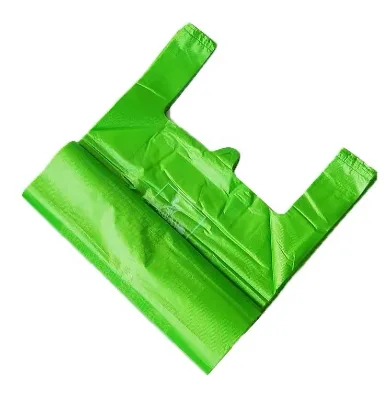


Wholesale High Qualit Durabl Custom Food Packaging PE Resealable T-Shirt Bag
$1350.00 - $1600.00
MOQ: 3 Tons


Hot Sale PE PLA Biodegradable Recycled Plastic Strong Flexible Carryout T-Shirt Bag
$0.01 - $0.03
MOQ: 10000 Pieces


Comprehensive Sourcing Guide
Strategic Sourcing Guide for Resealable PE Plastic T-Shirt Bags
The global demand for flexible packaging solutions has driven significant innovation in the production of polyethylene (PE) t-shirt bags, particularly those incorporating resealable features. For procurement professionals, sourcing these items requires a nuanced understanding of material science, manufacturing standards, and supply chain logistics. The core keyword "resealable pe plastic t-shirt bag" encompasses a diverse range of products varying from simple carry bags to complex, multi-functional packaging solutions. This guide synthesizes available product attributes and industry standards to provide a disciplined framework for evaluating potential suppliers and ensuring product quality without relying on unverified claims.
Technical Specifications and Material Composition
The foundation of any reliable sourcing strategy lies in the precise definition of technical specifications. In the context of PE t-shirt bags, the material composition is the primary determinant of performance. The supplied data indicates a wide spectrum of polyethylene types, including High-Density Polyethylene (HDPE), Low-Density Polyethylene (LDPE), Medium-Density Polyethylene (MDPE), and Linear Low-Density Polyethylene (LLDPE). Each of these materials offers distinct mechanical properties. HDPE provides rigidity and strength, making it suitable for heavier loads, while LDPE and LLDPE offer superior flexibility and tear resistance. Buyers must verify which specific resin blend is utilized, as the choice directly impacts the bag's weight limit and durability.
The physical dimensions and structural integrity are equally critical. Observed product models suggest that size customization is a standard offering, with specific dimensions such as 38cm by 40cm noted as a baseline standard. However, the "Customized Size" specification implies that buyers should not assume a fixed footprint. The thickness of the film is another vital parameter, with data indicating options ranging from less than 20 microns to heavier gauges. Thinner films, often under 20 microns, are suitable for lightweight retail items, whereas heavier applications may require thicker gauges to prevent rupture.
The surface finish and sealing methods also define the product's utility. The data highlights a "Smooth/Embossed" surface texture, which can affect the bag's grip and aesthetic appeal. Sealing is predominantly achieved through heat sealing, a process that ensures a hermetic closure. For resealable variants, the integration of a zipper mechanism or a specific closure design is essential. While the provided data lists "Tape Bags" and "Shoulder Length Handle" as specific attributes, the resealable feature itself requires a specific manufacturing process that may not be present in all standard t-shirt bags. Buyers must explicitly confirm the presence of a functional resealable track or closure mechanism, as standard heat-sealed bags do not inherently possess this feature.
Compliance, Certification, and Environmental Standards
Navigating the regulatory landscape is a non-negotiable aspect of B2B procurement, especially for packaging intended for food, household, or retail use. The supplied facts list several certifications that serve as indicators of a supplier's quality management and environmental commitment. Notable certifications include TUV Sud, SGS, and ISO 9001/14001. These certifications suggest that the manufacturing facility adheres to international standards for quality assurance and environmental management systems.
When evaluating a supplier, buyers should request valid, current certificates from these bodies. The presence of ISO 9001 indicates a robust quality management system, while ISO 14001 points to a commitment to environmental responsibility. Additionally, the mention of TUV and SGS implies third-party verification of product safety and performance. It is crucial to verify that these certifications are specific to the production facility and the product line in question, rather than being generic corporate statements.
Environmental compliance is increasingly important. The data notes that some products are "Biodegradable" and made from materials like "Pbat+PLA+Cornstarch," which contrasts with standard PE. While the core keyword focuses on PE, the market often blends these technologies. Buyers must distinguish between standard recyclable PE bags and biodegradable alternatives. If the requirement is for a standard PE bag, the "Recyclable" attribute is the relevant claim. However, if the project requires biodegradability, the material composition must be explicitly verified against the "Pbat+PLA+Cornstarch" specification. Misidentifying the material type can lead to compliance failures in markets with strict plastic regulations.
Cost Drivers and Pricing Dynamics
Understanding the cost structure of PE t-shirt bags is essential for budgeting and negotiation. The observed price range in the market spans from $0 to $4,200, a variance that reflects the diversity of order volumes, customization levels, and material grades. The Minimum Order Quantity (MOQ) is equally variable, ranging from 1 unit to 100,000 units. This wide MOQ range suggests that suppliers cater to both small-scale prototyping and large-scale industrial procurement.
Several factors drive the final cost. First, the material type is a primary cost driver. LLDPE and LDPE generally have different market prices compared to HDPE, and the inclusion of additives for biodegradability or UV resistance will increase the base material cost. Second, customization plays a significant role. The "Customized Size" and "Logo Printing" attributes indicate that bespoke designs incur higher setup and production costs. The "Pink" printing process mentioned in the data suggests that specific color requirements or complex printing techniques can influence pricing.
Volume discounts are a standard industry practice. As the order quantity approaches the higher end of the observed MOQ range (e.g., 100,000 units), the unit price typically decreases. Buyers should structure their procurement strategy to balance inventory holding costs against the per-unit savings of larger orders. Additionally, packaging methods, such as "Carton Box," "Inner Bag & Outer Carton," or "1000PCS/Box," affect shipping costs and handling efficiency. Bulk packaging that minimizes void space can reduce logistics expenses, which should be factored into the total cost of ownership.
Typical Applications and Usage Scenarios
The versatility of PE t-shirt bags makes them suitable for a broad array of applications. The data lists usage categories including "Shopping," "Promotion," "Packing," "Gift," "Household," "Garbage," "Food," "Home Appliance," "Cement," "Apparel," and "Electronic." This extensive list highlights the bag's adaptability across different industries.
For retail and shopping applications, the "Shoulder Length Handle" and "Glossy Plastic Bags" attributes are particularly relevant. These features enhance the user experience, making the bags suitable for carrying clothing, accessories, or promotional items. The "Unicolor" and "Black" color options provide a professional aesthetic for high-end retail, while "Transparent" and "Translucent" options allow for product visibility in grocery or food packaging.
In industrial and waste management contexts, the "Garbage" and "Cement" usage categories suggest a need for high durability and tear resistance. Here, the "Weight Limit" of 5-10 kg becomes a critical specification. Buyers sourcing bags for construction materials or heavy waste must ensure the selected PE grade and thickness can withstand the intended load without failure. Similarly, for "Electronic" and "Home Appliance" packaging, the "Opaque" and "Recyclable" attributes may be required to protect sensitive components from light and moisture while meeting sustainability goals.
Supplier Evaluation and Verification Protocols
Selecting the right supplier requires a rigorous evaluation process that goes beyond price comparison. The geographic origin of the products is a key factor, with data indicating production in "China," specifically "Weifang" and "Henan." These regions are known for their manufacturing capabilities in plastics, but buyers should verify the specific factory location to assess logistics feasibility and potential supply chain risks.
Supplier evaluation should focus on their ability to meet the specific technical and compliance requirements outlined earlier. Buyers must request samples to verify the "Heat Seal" integrity, the functionality of any resealable mechanisms, and the accuracy of the "Customized Size." The "Surface" finish should be inspected for consistency, ensuring that the "Smooth/Embossed" texture meets the design intent.
Furthermore, the "Delivery Time" of 20 days observed in the data serves as a benchmark for lead time expectations. However, this can vary based on order complexity and volume. Buyers should establish clear communication channels to monitor production progress and ensure that the supplier can meet the required delivery schedule. The "prod_packing" method, whether "Carton Case," "Box," or "Inner Bag & Outer Carton," should be evaluated for its ability to protect the product during transit.
Quality Control and Long-Term Procurement Strategy
Implementing a robust quality control (QC) strategy is vital for maintaining product consistency. Given the variability in material thickness and sealing strength, regular testing is necessary. Buyers should define acceptance criteria for tensile strength, seal integrity, and dimensional accuracy. The "Thickness: <20 microns" specification serves as a reference point, but actual QC protocols should verify that the thickness remains within the agreed-upon tolerance range.
Long-term procurement considerations involve building a sustainable supply chain. This includes evaluating the supplier's capacity for continuous improvement and their ability to adapt to changing market demands. The availability of "Customization" suggests that suppliers should be flexible in accommodating design changes or new material requirements. Additionally, the "Recyclable" and "Biodegradable" attributes indicate a growing market trend toward sustainability. Buyers should align their procurement strategy with their corporate sustainability goals, potentially prioritizing suppliers who can provide certified eco-friendly options.
Finally, maintaining a relationship with a reliable supplier can mitigate risks associated with supply chain disruptions. By establishing clear contracts that define quality standards, delivery timelines, and compliance requirements, buyers can ensure a steady supply of high-quality PE t-shirt bags. The continuous verification of certifications and the regular assessment of product performance will help maintain the integrity of the procurement process over time.
Comparative Analysis of Product Attributes
To facilitate decision-making, the following table summarizes key attributes observed in the market for resealable PE plastic t-shirt bags. This comparison highlights the variability in specifications and helps buyers identify the most suitable options for their specific needs.
| Attribute Category | Observed Options | Relevance to Procurement |
|---|---|---|
| Material Type | HDPE, LDPE, MDPE, LLDPE, PE, Pbat+PLA+Cornstarch | Determines strength, flexibility, and environmental profile. |
| Transparency | Transparent, Translucent, Opaque | Affects product visibility and aesthetic appeal. |
| Sealing Method | Heat Seal, Resealable (implied for core keyword) | Critical for functionality and product protection. |
| Certifications | TUV Sud, SGS, ISO 9001, ISO 14001 | Indicates quality management and environmental compliance. |
| Customization | Customized Size, Logo Printing, Color (Black, Unicolor) | Allows for branding and specific dimensional requirements. |
| Packaging | Carton Box, Inner Bag & Outer Carton, 1000PCS/Box | Impacts logistics efficiency and storage requirements. |
| Origin | China (Weifang, Henan) | Influences lead times and shipping costs. |
| Lead Time | 20 Days (Observed) | Sets expectations for delivery scheduling. |
By carefully analyzing these attributes and aligning them with specific project requirements, buyers can make informed decisions that balance cost, quality, and compliance. The diversity of options available in the market underscores the importance of a disciplined approach to sourcing, ensuring that the final product meets the rigorous demands of modern B2B procurement.
FAQs
What materials are used for resealable PE plastic t-shirt bags?
These bags are primarily made from HDPE, LDPE, MDPE, or LLDPE resins. Some specialized options also utilize biodegradable blends like PBAT, PLA, and cornstarch for eco-friendly applications.
Which certifications should I verify for these plastic bags?
Look for suppliers holding TUV Sud, SGS, ISO 9001, and ISO 14001 certifications. These documents confirm adherence to international quality management and environmental safety standards for production facilities.
Can I request customized sizes and logos for these bags?
Yes, customization is available for both size and logo printing. Buyers can specify dimensions like 38cm by 40cm or request unique branding, though setup costs may vary based on complexity.
How long is the typical delivery time for these orders?
The standard delivery time observed is approximately 20 days. This timeline may fluctuate depending on the order volume, customization requirements, and specific factory location within China.
What is the weight limit for heavy-duty PE t-shirt bags?
Standard heavy-duty variants can support a weight limit of 5 to 10 kilograms. Thicker gauges and specific resin blends like HDPE are required to ensure durability for such loads.
Are these bags suitable for food and household use?
Yes, the bags are designed for shopping, packing, household, and food applications. Their heat-sealed construction and material properties make them safe for various consumer and industrial packaging needs.