Source Resizable Amethyst Ring for gifts, weddings, and decor
Explore 30 listings for the Resizable Amethyst Ring suitable for souvenirs, wedding decorations, and fashion gifts. Buyers can compare crystal materials, customization options, and shipping methods from verified suppliers.
Key considerations
Products List
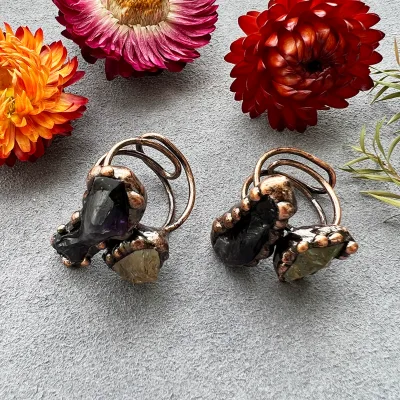

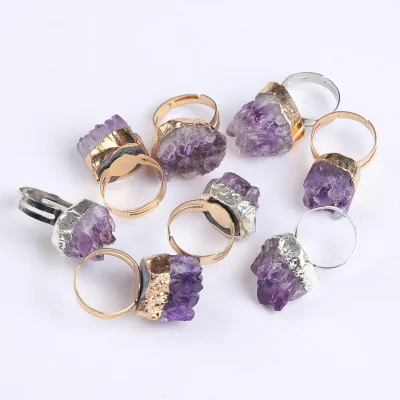
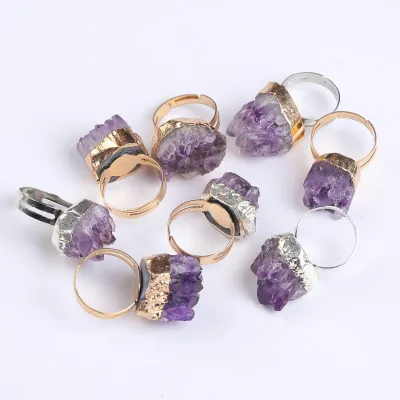
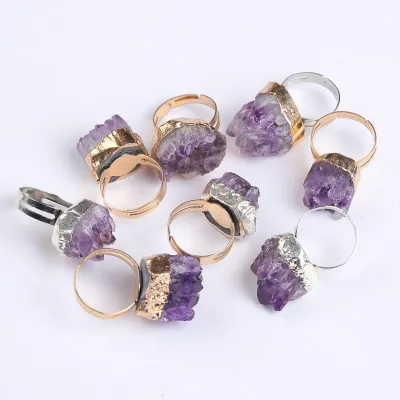


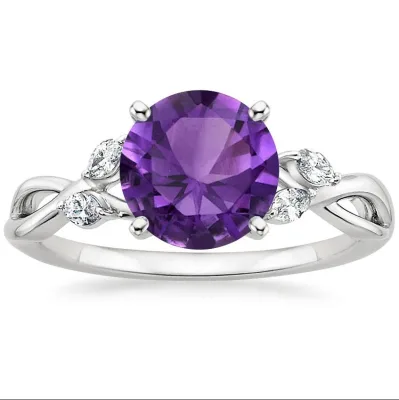
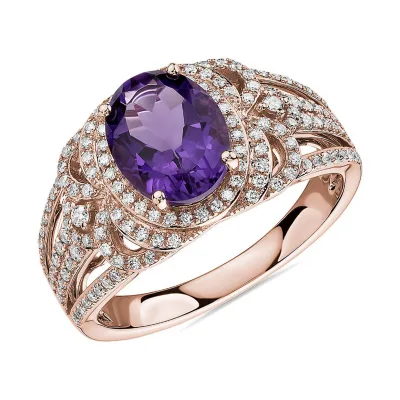

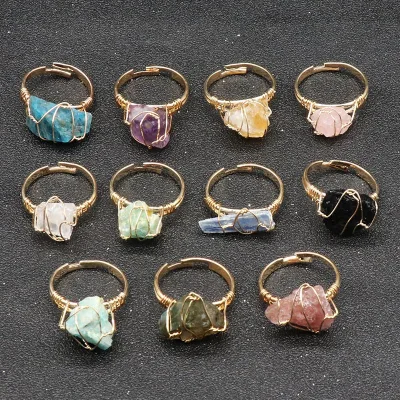
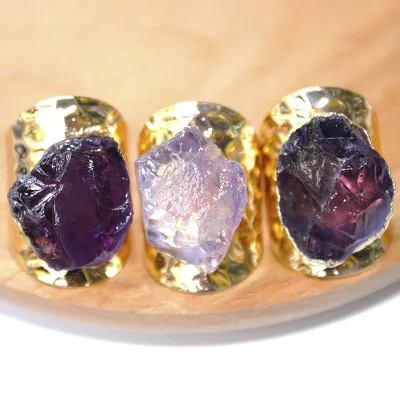

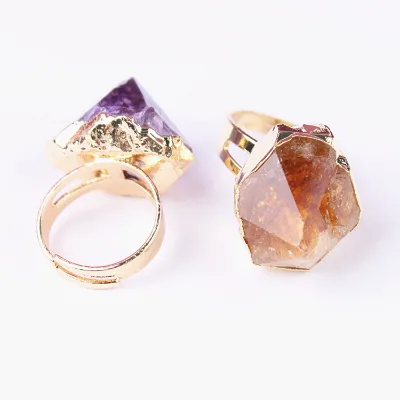
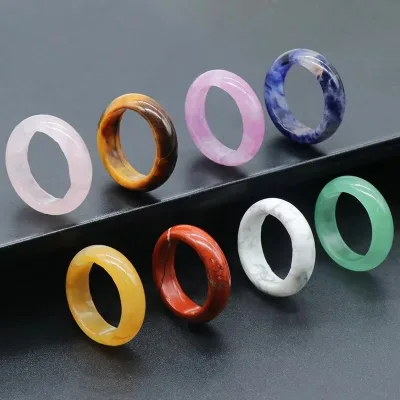


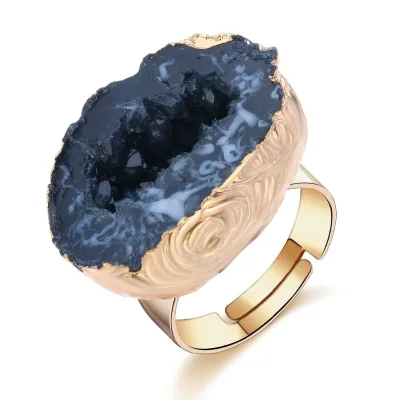
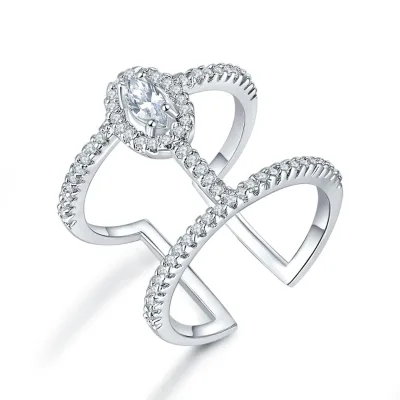


Comprehensive Sourcing Guide
Strategic Sourcing Guide for Resizable Amethyst Rings
Understanding Product Specifications and Material Integrity
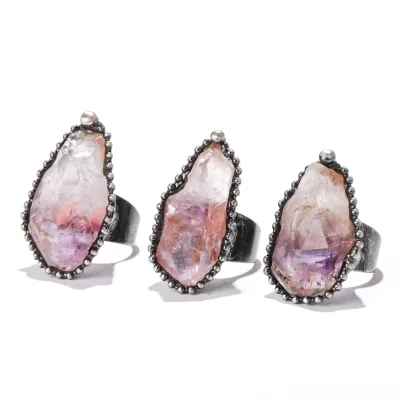
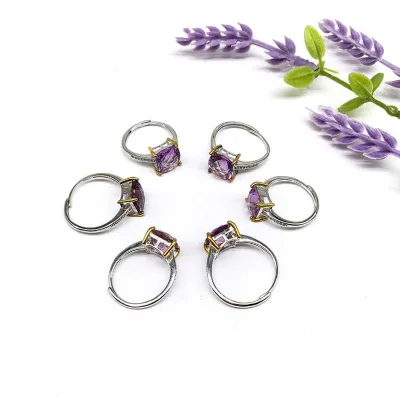
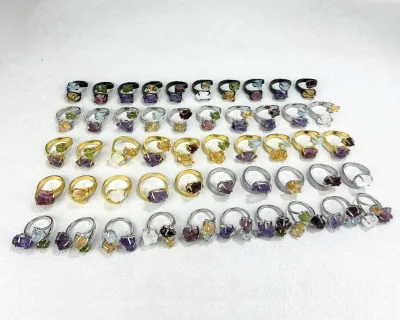
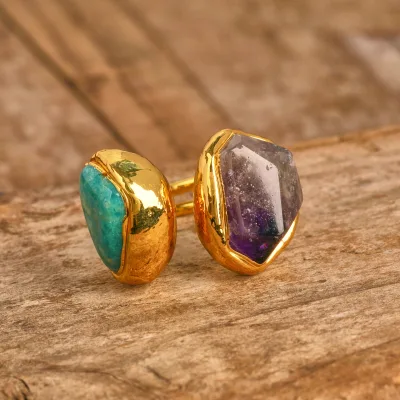
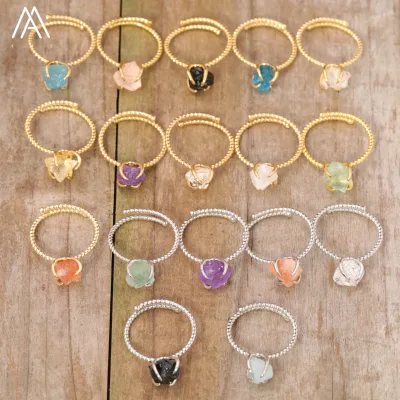
When sourcing a Resizable Amethyst Ring, the buyer must first distinguish between the core gemstone properties and the structural engineering required for adjustability. Based on available product data, the primary material classification for these items is crystal, specifically identified as "Netural Stone" in some listings, which typically refers to natural stone varieties in a commercial context. The specific gemstone color is consistently observed as Amethyst, though variations exist including combinations with peridot, citrine, garnet, aquamarine, and ruby set in silver. The visual presentation often involves a "Mosaic" technique or "Carved" processes with "Engraving" details, suggesting a high level of craftsmanship in the stone setting.
The structural integrity of a "Resizable" or "Adjustable" ring is a critical technical specification. The provided data indicates that ring sizes are described as "One Size," "Resizable," or "Adjustable," which implies a design that does not rely on a fixed circumference. This is often achieved through open-band designs or sliding mechanisms. However, the single package size varies significantly in the observed market data, ranging from 8x8x8 cm to 15x10x10 cm. This variance suggests that packaging dimensions are not a reliable proxy for the physical ring size but rather reflect the bulk of the product including protective materials. The gross weight per unit also fluctuates, with observed values of 0.100 kg and 1.000 kg. Buyers must verify the actual weight of the finished ring, as the 1.000 kg figure likely represents a bulk shipment or a specific heavy-duty variant, whereas 0.100 kg is more consistent with a single jewelry item.
The fabrication process is listed as "Polishing," which is essential for enhancing the luster of the crystal and ensuring a smooth finish on the metal components. The "Style" is frequently categorized as "Fashion" or "Love," indicating a market positioning towards romantic gifts or contemporary accessories. The "Shape" is predominantly "Round," which is standard for gemstone settings but requires precise cutting to ensure the stone sits securely within the adjustable band. Buyers should note that while the product type is listed as "Painting" in some contexts, this likely refers to a specific artistic rendering or a data classification error, as the material is explicitly defined as "Crystal Ring" and "Raw Gemstone." The "Feature" of "Raw Gemstone" suggests that some listings may offer unpolished or minimally treated stones, which contrasts with the "Polishing" fabrication method. This discrepancy requires immediate clarification with the supplier to ensure the final product matches the intended aesthetic.
Compliance, Certification, and Regulatory Verification
In the B2B procurement of jewelry containing natural stones and metal alloys, compliance is not merely a formality but a prerequisite for market access. The origin of the product is consistently identified as Jiangsu, China. While this location is a major manufacturing hub, it does not automatically confer specific compliance status. Buyers must verify that the "Crystal" and "Silver" components meet the import regulations of their target market. For instance, if the product is marketed as "Netural Stone," the supplier must provide documentation proving the authenticity of the gemstone, as mislabeling natural stones as synthetic or treated stones can lead to legal repercussions in many jurisdictions.
Regarding certifications, the supplied data does not list specific third-party testing results or certification bodies. Therefore, buyers cannot assume that the products are free from heavy metals or lead, which is a common concern in jewelry manufacturing. The "OEM/ODM" section indicates that customization is welcome, which implies that the supplier can tailor the product to meet specific regulatory requirements, such as nickel-free plating or specific karat standards for silver. However, the buyer must explicitly request a Certificate of Analysis (CoA) or a material safety data sheet (MSDS) before placing an order. The "Payment" methods listed include PayPal, Western Union, and TT (Telegraphic Transfer). While these are standard, the use of Western Union for large B2B transactions can sometimes indicate a lack of formal trade finance infrastructure, which is a risk factor for large orders.
The "Packaging Details" mention a "Safe Package" involving poly bags, bubble bags, and standard cartons. While this protects the physical product, it does not address environmental compliance. Buyers should inquire whether the packaging materials are recyclable or if they meet the packaging directives of the European Union or other relevant regions. The "Logo" customization option suggests that the supplier can apply branding, but the ink or plating used for the logo must also be compliant with safety standards. Without explicit mention of ISO certifications or specific jewelry industry standards (such as those from the Gemological Institute of America), the buyer must treat all compliance claims as unverified until independent testing is conducted.
Cost Drivers and Pricing Structure Analysis
The observed price range for these products is substantial, spanning from 0.38 USD to 21.39 USD. This wide variance is driven by several key factors inherent to the jewelry supply chain. The primary cost driver is the quality and treatment of the "Amethyst" and associated gemstones. A ring priced at 0.38 USD likely utilizes lower-grade crystal or synthetic stones with minimal silver content, whereas the 21.39 USD tier may involve higher-quality natural amethyst, genuine silver alloys, and more intricate "Mosaic" or "Carved" techniques. The "Material" classification of "Crystal" can range from glass to high-quality quartz, and the price difference between these materials is significant.
The "MOQ" (Minimum Order Quantity) is another critical cost factor. The data shows an MOQ range of 1 to 100 units, with specific listings citing "1pcs" or "1 Kilogram." This flexibility allows buyers to test the market with small orders, but it often results in a higher unit cost due to the lack of economies of scale. Conversely, ordering in bulk to meet a higher MOQ can reduce the per-unit price, but it increases the upfront capital requirement. The "Single package size" and "Single gross weight" also influence logistics costs. A unit weighing 1.000 kg is significantly heavier than one weighing 0.100 kg, which will drastically alter shipping costs, especially when using "Express" services like DHL, TNT, or UPS Air.
Customization is a major variable in the pricing structure. The "Design" options include "Customoize" (Customize) and "mix" designs, while the "Logo" is also customizable. These services require additional labor and setup time, which are typically passed on to the buyer. The "Technique" of "Mosaic" or "Carving" adds labor costs compared to standard casting. Furthermore, the "Style" of "Love" or "Fashion" may command a premium if the design is trendy or patented. Buyers should analyze the total landed cost, which includes the product price, shipping fees (which vary by weight and speed), and any potential tariffs or duties based on the "Place of Origin." The "Payment" terms also affect the effective cost; for example, payments via Western Union may incur higher transaction fees compared to direct bank transfers (TT).
Typical Applications and Market Positioning
The versatility of the Resizable Amethyst Ring allows for a broad range of applications, from personal adornment to corporate gifting. The "Usage" field explicitly lists "Souvenir Gift," "Wedding Decoration," and "Decoration, Gift." This indicates that the product is marketed heavily towards the event and hospitality sectors. The "Style" of "Love" and "Mascot" suggests a strong appeal in the romantic gift market, making these rings suitable for Valentine's Day, anniversaries, or engagement promotions. The "Gender" is specified as "Female," which narrows the target demographic but allows for precise marketing strategies.
In the context of "Wedding Decoration," these rings may serve as favors for guests or as symbolic tokens for the couple. The "Adjustable" nature of the ring is particularly advantageous here, as it eliminates the need for precise sizing for each guest, reducing the logistical burden on event planners. The "Customized Logo" feature enables businesses to brand these items with their company name or event details, enhancing their value as promotional merchandise. The "Color" variations, such as "Amethyst+peridot+citrine," allow for thematic matching with wedding colors or corporate branding palettes.
The "Product Type" of "Painting" or "Crystal Image" (as seen in some data points) might indicate that these rings are part of a larger collection of decorative items or that the listing includes a display component. However, the primary application remains jewelry. The "Feature" of "Raw Gemstone" appeals to a niche market interested in natural, unrefined aesthetics, which is a growing trend in sustainable and ethical fashion. Buyers should consider the cultural significance of amethyst, which is often associated with calmness and protection, to tailor their marketing messages. The "Design" of "Rings" and "Mosaic" techniques suggests that these items are not just functional jewelry but also artistic pieces, suitable for display in boutique stores or as part of a curated gift set.
Supplier Evaluation and Operational Due Diligence
Evaluating a supplier for resizable amethyst rings requires a rigorous assessment of their operational capabilities and reliability. The "Brand Name" "DONGQING" appears in the data, but buyers should not rely solely on this name for verification. Instead, they must conduct a thorough background check to confirm the company's legal status, production capacity, and financial stability. The "Place of Origin" being Jiangsu, China, is a positive indicator as it is a well-established manufacturing region, but it does not guarantee quality. Buyers should request a factory audit report or a video tour of the production facility to verify the "Fabrication Processing" capabilities, specifically the "Polishing" and "Carving" processes.
The "Shipping" methods listed, such as "Express" and specific carriers like "DHL TNT UPS Air," indicate that the supplier has experience with international logistics. However, the buyer must verify the actual lead times associated with these methods. The "Single package size" and "Single gross weight" data points are useful for calculating shipping costs, but the buyer should confirm these figures with the specific batch they intend to order, as variations can occur. The "Payment" options provided (PayPal, Western Union, TT) suggest a flexible approach, but buyers should prioritize secure payment methods that offer buyer protection, especially for the first order.
The "OEM/ODM" capability is a strong indicator of a supplier's flexibility. It suggests that the supplier can adapt to specific design requirements, which is crucial for the "Customoize" and "Customized Logo" features. However, buyers should verify the supplier's ability to maintain consistency across large batches. The "Design" options like "mix" and "Customoize" imply a high degree of customization, which can lead to production delays if not managed correctly. The "Packing" details, described as "Safe Package," are essential for preventing damage during transit, but the buyer should request samples to verify the quality of the packaging materials. The "Logo" customization process should be clearly defined, including the number of revisions allowed and the turnaround time for logo approval.
Quality Control Protocols and Long-Term Procurement Strategy
Establishing a robust quality control (QC) protocol is essential for maintaining the integrity of the Resizable Amethyst Ring supply chain. The "Technique" of "Mosaic" and "Carving" requires precise execution to ensure the stones are securely set and the metal bands are smooth. Buyers should implement a multi-stage QC process: pre-production inspection of raw materials, in-process inspection during the "Polishing" and "Carving" stages, and final inspection before packaging. The "Feature" of "Raw Gemstone" necessitates a specific QC check to ensure the stones are free from cracks or significant inclusions that could compromise the ring's durability.
The "Adjustable" mechanism is a critical point of failure. Buyers must test the ring's ability to expand and contract without damaging the setting or the stone. This can be done by requesting a sample and performing stress tests to ensure the mechanism remains functional over time. The "Single gross weight" and "Single package size" should be verified against the actual shipment to prevent discrepancies that could indicate substitution or quality issues. The "Packaging Details" should be inspected to ensure that the "poly bag," "bubble bags," and "standard carton" are of sufficient quality to protect the product during "Express" shipping.
For long-term procurement, buyers should focus on building a strategic partnership with the supplier. The "Customization" availability and "OEM/ODM" welcome status suggest that the supplier is open to long-term collaboration. Buyers should negotiate volume discounts based on the "MOQ" range, aiming to increase order quantities over time to reduce the per-unit cost. The "Payment" terms should be standardized to ensure consistency, and the "Shipping" methods should be optimized for cost and speed. Regular communication regarding "Design" updates and "Style" trends will help the buyer stay competitive in the market. Finally, the buyer should establish a clear return and replacement policy for defective items, ensuring that the "Safe Package" and "Quality Control" measures are effective in minimizing losses.
FAQs
What material is used for the Resizable Amethyst Ring?
The ring is primarily made of crystal and natural stone, specifically identified as amethyst. Some listings also include combinations with peridot, citrine, garnet, aquamarine, or ruby set in silver. Buyers should verify if the stone is raw or polished based on specific product details.
Can I customize the logo and design of the ring?
Yes, customization is available for both the logo and the design. The product features a customizable logo and offers mosaic or carved techniques. Buyers can request specific designs or mixed color options, though the minimum order quantity may vary by customization level.
What is the minimum order quantity for these rings?
The minimum order quantity ranges from 1 piece to 100 units depending on the supplier. Some listings specify an MOQ of 1 kilogram, while others allow single item purchases. Buyers should confirm the specific MOQ with the supplier before placing an order.
How is the ring packaged for safe shipping?
The packaging involves a poly bag, followed by bubble wrap, and finally a standard carton. This ensures a safe package for the single item during transit. The single package size varies between 8x8x8 cm and 15x10x10 cm depending on the specific product variant.
Which shipping methods are available for this product?
Express shipping options include DHL, TNT, and UPS Air services. The product is listed with express shipping capabilities to ensure timely delivery. Buyers should note that shipping costs will depend on the weight and destination, with single gross weights ranging from 0.1 kg to 1.0 kg.
What payment methods are accepted for bulk orders?
Accepted payment methods include PayPal, Western Union, and Telegraphic Transfer (TT). These options provide flexibility for international B2B transactions. Buyers should verify transaction fees and security measures, especially when using Western Union for larger orders.