Source Retractable Telescopic Paint Booth for Industrial Use
Find 30 Retractable Telescopic Paint Booth options from China. Compare CE-certified models with LED lighting, electric heating, and powder coating. Ideal for industrial spray painting work and garage applications; compare the available evidence and request quotations based on your requirements.
Updated
Key considerations
Products List

Spray Booth Retractable Paint Booth Telescopic Paint Room
$1000.00 - $6000.00
MOQ: 1 Sets
Jinan Tiansheng Environmental Protection Equipment Co., Ltd.


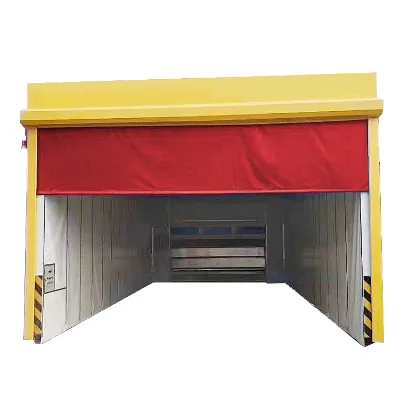
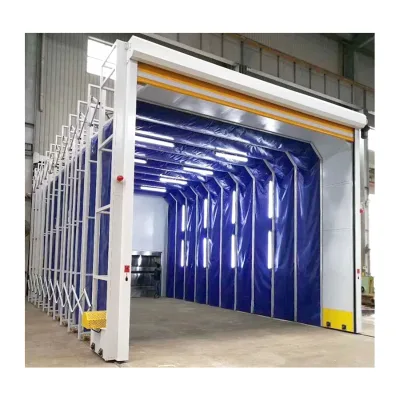
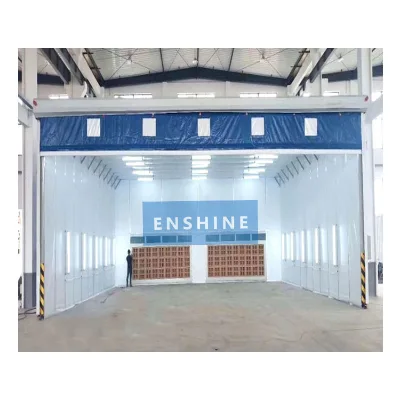
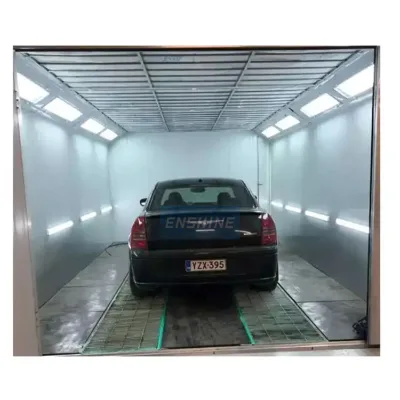
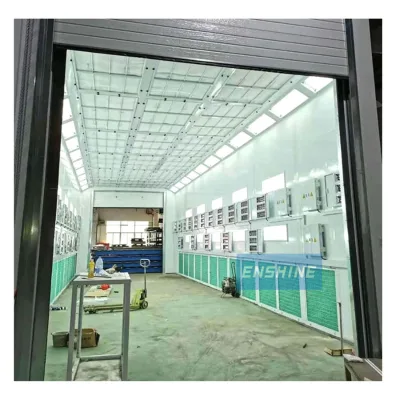

Painting Folding Spray Booth Retractable Paint Booth Telescopic Paint Room
$1000.00 - $100000.00
MOQ: 1 Sets

Customize Retractable Paint Booth Folding Paint Booth Telescopic Paint Booth
$1000.00 - $100000.00
MOQ: 1 Sets

Popular Style Collapsible Retractable Mobile Paint Booth Telescopic Spray Booth
$5000.00 - $20000.00
MOQ: 1 Sets
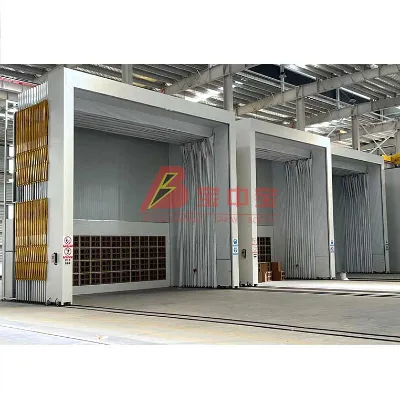
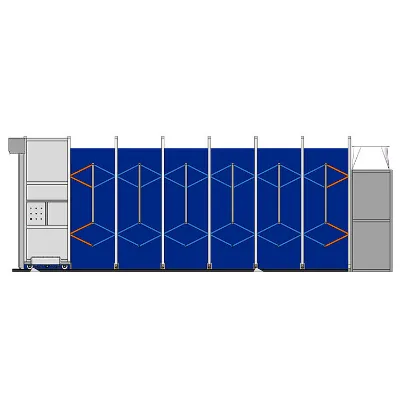
Customized Retractable Paint Booths Retractable Baking Chamber Folding Paint Booth
$5123.2764 - $10246.5528
MOQ: 1 Minimum
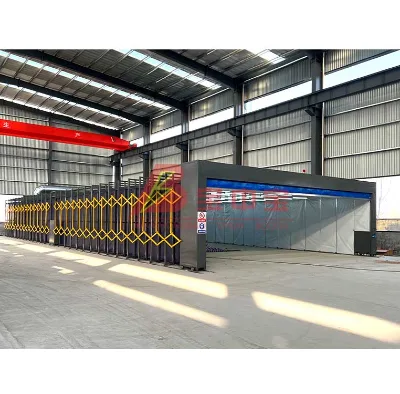
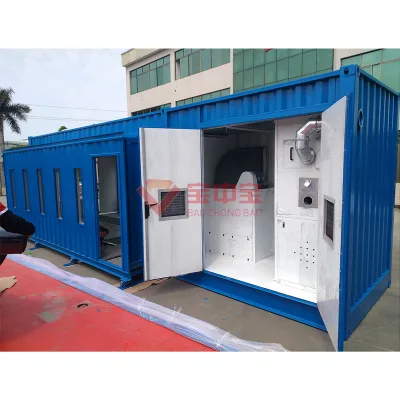
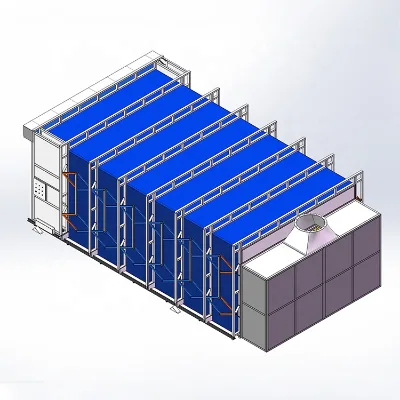
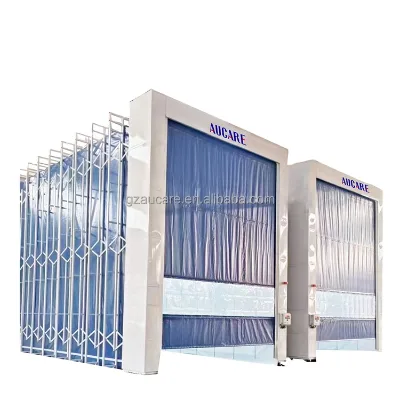
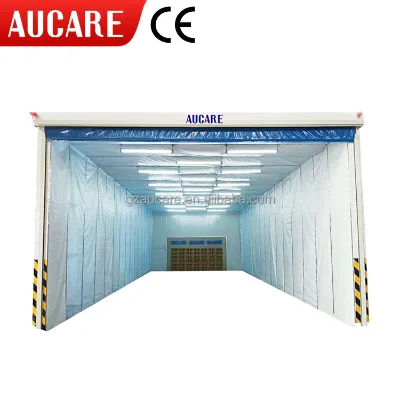
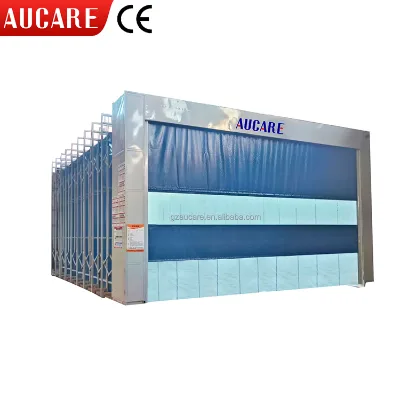
China Manufacturer Movable Telescopic Painting Booth Spray Room with PVC Curtains Wall
$4141.1674 - $5176.4592
MOQ: 1 pieces
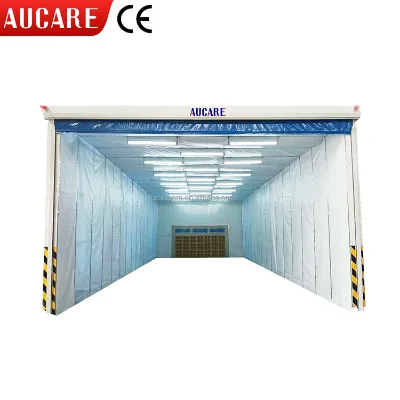
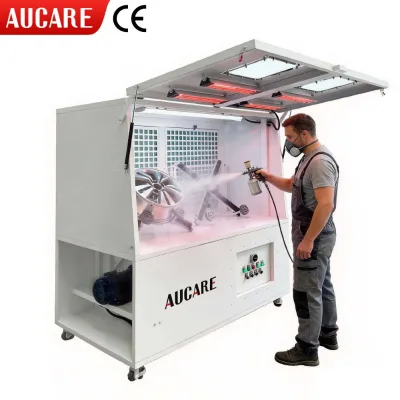
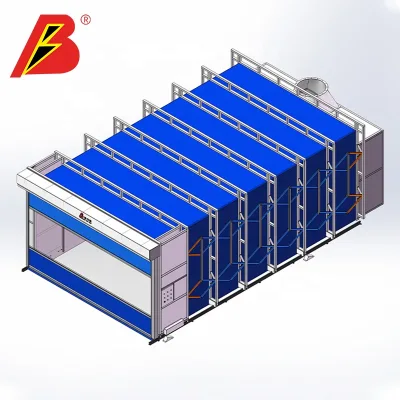
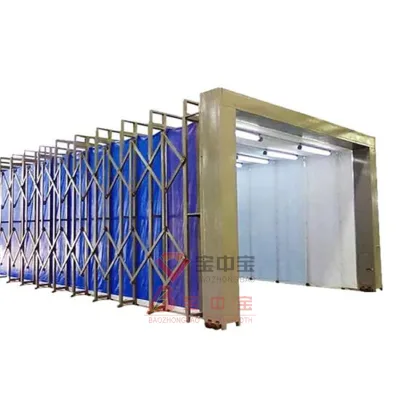
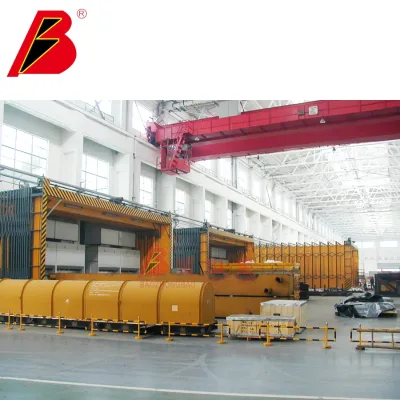
Ce Certificate Large Retractable Spray Booth Folding Paint Booth
$7177.5088 - $102535.84
MOQ: 1 Minimum
Guangdong Jingzhongjing Industrial Painting Equipment Co., Ltd.
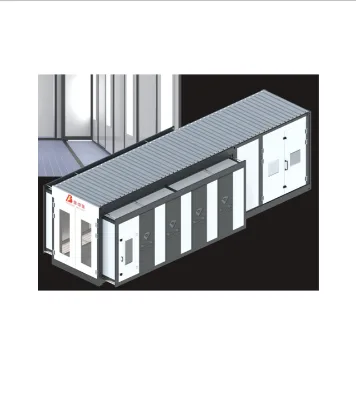

Comprehensive Sourcing Guide
Retractable Telescopic Paint Booth Sourcing Guide
Procuring a Retractable Telescopic Paint Booth requires careful evaluation of structural adaptability and airflow dynamics. These units are designed to expand and contract, optimizing space utilization in industrial settings where floor area is at a premium. Buyers must assess whether the telescopic mechanism aligns with their facility’s layout and operational workflow. The primary advantage lies in the ability to adjust the booth size to match vehicle or component dimensions, reducing energy consumption during painting and curing cycles.
The observed market signals indicate a focus on heavy-duty construction using galvanized iron tubes and iron substrates. Listings frequently highlight powder coating for durability and corrosion resistance, which is critical in environments exposed to paint overspray and chemical cleaners. Buyers should verify that the structural frame supports the weight of the extended canopy and maintains stability during operation. Understanding the mechanical reliability of the telescopic system is essential to prevent downtime and ensure consistent performance over time.
Product Scope and Observed Listing Signals
The product scope encompasses various configurations, including cross-flow type airflow systems and high-efficiency filter setups. Observed listings show a wide price range, reflecting differences in heating systems, control complexity, and internal dimensions. Buyers should note that some units offer customized colors, such as white and blue, while others are standard blue. The presence of energy-saving LED lighting systems is a common feature, contributing to operational efficiency and improved visibility during detailed painting tasks.
Key attributes include specific model numbers like Ts-Ydpq and Enshine3500A, indicating distinct product lines with varying capabilities. External and internal sizes are often customizable, with standard dimensions around 13000x5500x5500mm for external and 12000x5000x5000mm for internal space. These dimensions allow for accommodating large industrial vehicles or equipment. Buyers must confirm that the selected model fits their physical space constraints and accommodates the largest items they intend to process within the booth.
Technical Specifications to Verify
Technical verification begins with the heating system, which varies significantly across suppliers. Options include electric heating, infrared heating, natural gas burners, and diesel burners such as Riello. Buyers must select a heating method compatible with their facility’s utility infrastructure and safety regulations. The power consumption, often listed around 15KW for electric variants, impacts operational costs. Ensuring the heating system provides uniform temperature distribution is crucial for achieving consistent paint curing results and avoiding defects in the finished coating.
The control system is another critical technical aspect, typically featuring an electric control box with standard automation. Buyers should verify the voltage requirements, which are commonly 380V/3phase/50hz, to ensure compatibility with their plant’s electrical supply. The airflow direction is specified as cross-flow type, which influences how overspray is managed and filtered. Understanding the filtration process, often described as an environmental three-filter system, helps buyers assess the booth’s ability to maintain clean air quality and meet environmental standards for exhaust emissions.
Compliance and Safety Documentation
Compliance documentation is vital for legal operation and workplace safety. Many listed units carry CE certification, indicating adherence to European safety and health standards. Buyers must request valid CE certificates and ensure they match the specific model and serial number of the purchased equipment. Additionally, some suppliers mention ISO certification, which reflects quality management systems. Verifying these certifications with the issuing body is recommended to confirm their authenticity and current validity before finalizing any purchase agreement.
Safety features extend beyond certification to include proper ventilation and fire suppression considerations. The use of high-efficiency filters helps capture paint particulates, reducing environmental impact and health risks for operators. Buyers should inquire about the maintenance schedule for filter replacement and the availability of spare parts. Ensuring that the booth design includes adequate emergency stops and interlocks for the telescopic mechanism is also important to prevent accidents during expansion or contraction phases.
Cost Drivers and Commercial Terms
Cost drivers include the complexity of the telescopic mechanism, the type of heating system, and the level of customization. Units with advanced control systems or specialized burners may command higher prices. The observed MOQ is typically one set, allowing for flexible procurement for small to medium-sized operations. Buyers should consider the total cost of ownership, including energy consumption, filter replacement costs, and maintenance requirements, rather than just the initial purchase price.
Commercial terms often involve standard export packing, with one set fitting into a 20GP container and two sets into a 40HQ. Lead times and supply abilities, such as 100 sets per month, should be clarified to ensure timely delivery. Buyers must also verify the port of dispatch, commonly Qingdao, and factor in shipping costs and insurance. Warranty terms, often listed as 12 months, provide some protection against manufacturing defects, but buyers should clarify what components are covered and the process for claiming warranty service.
Supplier Qualification and Quality Control
Supplier qualification involves assessing their manufacturing capabilities and quality control processes. Buyers should request detailed product specifications and verify the materials used, such as galvanized iron tubes and powder-coated finishes. Understanding the supplier’s production capacity and lead times helps in planning procurement schedules. It is advisable to ask for references or case studies from previous clients to gauge the reliability and performance of their telescopic paint booths in real-world applications.
Quality control checks should include visual inspections of the frame construction and functional tests of the telescopic mechanism. Buyers may consider third-party inspection services to verify that the delivered product matches the agreed specifications. Ensuring that the supplier provides comprehensive operation and maintenance manuals is essential for proper usage and longevity of the equipment. Building a relationship with a supplier who offers responsive technical support can mitigate risks associated with installation and troubleshooting.
Long-Term Procurement Checks
Long-term procurement checks focus on the sustainability and scalability of the investment. Buyers should evaluate the availability of spare parts and the supplier’s commitment to product updates. As technology evolves, having access to upgraded control systems or more efficient heating options can extend the useful life of the booth. Regular maintenance of the filters and heating elements is necessary to maintain performance and compliance with environmental standards over time.
Operational efficiency should be monitored periodically to ensure the booth continues to meet production needs. Tracking energy consumption and filter replacement frequency can help identify potential issues early. Buyers should also stay informed about changes in local regulations regarding paint booth emissions and safety. Maintaining open communication with the supplier for feedback and support ensures that any operational challenges are addressed promptly, protecting the investment and maximizing the return on procurement efforts.
FAQs
What is the standard certification for this spray booth?
The product carries CE certification as a standard requirement for the cabinet spray booth. This environmental certificate ensures compliance with safety and operational standards for industrial painting applications in various regions.
Can the booth be customized for specific logo requirements?
Yes, customization is available including specific logo placement on the unit. Buyers can request tailored solutions to match their brand identity while maintaining the standard structural integrity and safety features of the telescopic design.
What is the minimum order quantity for this equipment?
The minimum order quantity is one set for this retractable painting booth. This low entry threshold allows small workshops to purchase the unit without needing to meet large volume requirements typical of industrial machinery.
How is the lighting system configured in the booth?
The booth features an energy-saving LED lighting system for optimal visibility. This setup ensures efficient illumination during the spray painting process while reducing overall power consumption compared to traditional lighting solutions in industrial settings.
What is the warranty period for the spray booth unit?
The product comes with a twelve-month warranty covering the main components. This guarantee provides buyers with assurance regarding the durability and performance of the electric control box and heating systems included in the package.
Which heating options are available for the spray booth?
Multiple heating systems are available including electric, infrared, natural gas, and diesel burners. Buyers can select the specific heating method that best fits their facility infrastructure and operational energy requirements for the painting process.
What is the origin location of the manufacturing facility?
The product originates from Shandong, China, where the manufacturing facility is located. This location ensures access to established industrial supply chains and supports the production of high-efficiency filters and galvanized iron tube frames.