Source Reusable Glass Coffee Cup with Lid and Straws for offices, homes, and cafes
Compare 30 options for a Reusable Glass Coffee Cup with Lid and Straws from verified Chinese manufacturers. Buyers can evaluate specifications like capacity, shape, and customization services to find suitable products for office, home, or cafe use.
Key considerations
Products List


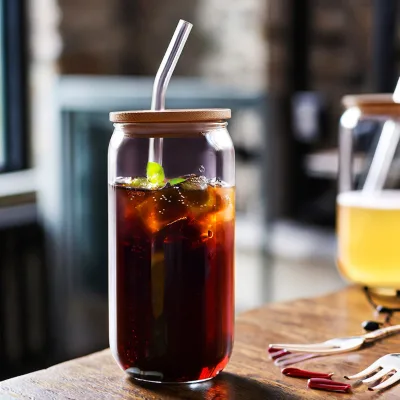
Glass Cups with Lids and Straws, 16oz Iced Coffee Cups with Lids-Beer Can Glass
$0.89 - $0.99
MOQ: 1000 Pieces


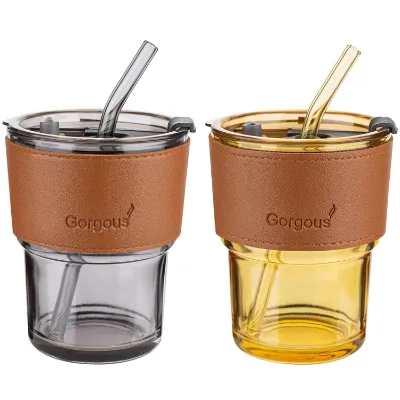
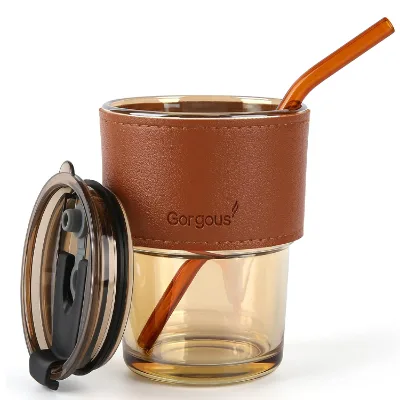


Hot Selling Small Capacity Glass Coffee Cup Portable Glass Cup with Handle
$0.15 - $0.20
MOQ: 5000 pieces



Comprehensive Sourcing Guide
Strategic Sourcing Guide for Reusable Glass Coffee Cups with Lids and Straws
The global demand for sustainable beverage containers has elevated the category of reusable glass coffee cups with lids and straws to a critical segment within the B2B procurement landscape. Buyers seeking to source these items must navigate a complex matrix of material properties, regulatory compliance, and manufacturing capabilities. Unlike single-use plastics, glass offers superior chemical inertness and aesthetic appeal, yet it introduces specific logistical challenges regarding weight, fragility, and supply chain resilience. This guide provides a disciplined framework for evaluating suppliers and products, grounded in verified product attributes and industry standards, to ensure a procurement strategy that balances quality, compliance, and cost efficiency.
Technical Specifications and Material Attributes
When defining the technical requirements for a reusable glass coffee cup, the buyer must first distinguish between the structural integrity of the glass and the functional design of the accessories. The core material is typically clear glass, which provides a neutral canvas for branding and ensures that the beverage's color is not altered. However, the specific application dictates whether a single-wall or double-wall construction is required. Single-wall designs are generally lighter and more cost-effective, suitable for standard office environments, while double-wall variants offer thermal insulation, keeping hot beverages warm and cold drinks cool without condensation.
The shape of the vessel is another critical specification. While cylindrical shapes are standard for mass production due to mold efficiency, rectangular or creative shapes may be requested to differentiate a brand. It is essential to verify if the supplier can accommodate special shapes, as these often require opening new molds, which impacts both the initial investment and the lead time. The capacity of the cup is equally variable; observed market data indicates ranges from 10 oz to 16 oz, with some standardizations falling between 300ml and 500ml. Buyers must align the chosen capacity with their target demographic's usage habits.
Accessories are a defining feature of the "cup with lid and straws" specification. The lid must be secure to prevent spills, and the inclusion of a straw is often a mandatory requirement for the modern consumer. Some product lines offer cups with handles, which are preferred for hot liquids, while others rely on the lid's grip. The straws themselves must be compatible with the lid's aperture and the cup's diameter. Furthermore, the customization options, such as screen printing or logo acceptance, are vital for corporate branding. The supplier's ability to handle special molds for unique sizes and shapes should be confirmed early, as this is a common bottleneck in the production cycle.
Compliance and Certification Verification
In the realm of food-contact glassware, regulatory compliance is non-negotiable. Suppliers must provide evidence that their products meet the safety standards of the target market. Common certifications observed in the industry include LFGB (German Food and Feed Code), which is rigorous regarding migration limits for harmful substances, and REACH (Registration, Evaluation, Authorization and Restriction of Chemicals), which governs chemical safety in the European Union. Additionally, ROHS compliance ensures that the product is free from specific hazardous materials, a requirement often mandated for electronics and consumer goods entering the EU market.
For products destined for the United States or other specific regions, certifications such as CE (Conformité Européenne) and CIQ (China Inspection and Quarantine) may be relevant. It is crucial to verify that the certification applies to the specific glass type and the accessories (lids and straws), as the glass itself may be compliant while the plastic or silicone components of the lid are not. The supplier should provide valid test reports that confirm the product is safe for microwave, dishwasher, oven, and freezer use, as these are common claims for high-quality reusable glassware.
Buyers must also scrutinize the "Made in China" origin label, ensuring that the manufacturing facility adheres to international labor and environmental standards. While the product origin is often listed as Zhejiang or other manufacturing hubs, the specific factory's audit status is not always public. Therefore, the procurement team should request third-party audit reports or social compliance certificates to mitigate reputational risk. The absence of a specific certification should not be assumed; rather, the buyer must explicitly request documentation for LFGB, ROHS, REACH, or any other standard relevant to their jurisdiction before placing an order.
Cost Drivers and Pricing Dynamics
The pricing of reusable glass coffee cups is influenced by a complex interplay of factors, including material thickness, manufacturing process, and order volume. The observed price range in the market spans from $0.10 to $10.00 USD, a wide disparity that reflects the difference between basic single-wall cups and premium double-wall, hand-blown, or intricately designed vessels. The thickness of the glass, often specified in millimeters (e.g., 8mm, 10mm, 12mm, 14mm), is a primary cost driver. Thicker glass requires more raw material and energy to produce, increasing the unit cost but enhancing durability.
The manufacturing process also significantly impacts price. Hand-blown and mouth-blown techniques, while offering a unique artisanal aesthetic, are labor-intensive and result in higher unit costs compared to mass-produced screen-printed items. Customization adds another layer of cost. If a buyer requires a special mold for a unique shape or size, the mold opening fee must be factored into the total cost. This is a one-time expense that can be amortized over large volumes, but it raises the initial barrier to entry.
Minimum Order Quantity (MOQ) is a critical financial constraint. While some suppliers may offer low MOQs as low as 2 pieces for sampling, standard production runs often require an MOQ of 1,000 pieces or more. The observed MOQ range extends up to 5,000 pieces, which can tie up significant capital for smaller buyers. Buyers should negotiate MOQ flexibility based on their forecasted demand, potentially accepting a higher unit price for smaller initial orders to test the market. Additionally, the packaging method, whether in cartons, pallets, or paper cartons, affects the shipping cost and the overall landed price.
Typical Applications and Market Segmentation
Reusable glass coffee cups with lids and straws serve a diverse range of applications, from corporate gifting and office use to retail beverage sales and promotional events. In the office environment, these cups are valued for their professional appearance and ability to maintain beverage temperature. The "Glass Office Cup" designation suggests a specific use case where durability and aesthetics are paramount. For retail, the cups are often used in cafes that wish to promote sustainability, offering a premium alternative to plastic.
The versatility of the product allows for various applications beyond coffee. The specification of "Juice, Water, Cocktail So on" indicates that these cups are suitable for a wide array of beverages. The "Crystal Glass" attribute implies a high level of clarity and brilliance, making them ideal for premium cocktails or special occasion service. The "Creative" and "Simple" styles cater to different brand identities, allowing businesses to choose a design that aligns with their corporate image.
Furthermore, the "Non-Disposable" nature of these cups makes them a strategic choice for businesses aiming to reduce waste and align with corporate social responsibility (CSR) goals. The ability to accept logos and custom printing makes them excellent for promotional merchandise, where the cup serves as a long-lasting advertisement for the brand. The "Special Shape and Size" capability allows for niche applications, such as custom-shaped cups for specific marketing campaigns or limited edition releases.
Supplier Evaluation and Selection Criteria
Selecting the right supplier requires a rigorous evaluation process that goes beyond price comparison. Buyers should assess the supplier's production capacity, quality control systems, and ability to meet delivery timelines. The observed delivery date range of 10-20 days suggests a relatively short lead time, but this can vary based on order complexity and customization requirements. It is essential to confirm the actual lead time for the specific order, as special molds or custom colors can extend this period.
The supplier's history with OEM (Original Equipment Manufacturer) services is a key indicator of their flexibility. A "Yes, Available" status for OEM services suggests the supplier is experienced in producing custom-branded goods. However, buyers should verify the supplier's track record with similar projects to ensure they can handle the specific technical challenges of glass manufacturing. The "Mould" attribute indicates that the supplier can handle special shapes, but the cost and time implications of opening new molds must be clearly understood.
Quality control is paramount in glass manufacturing. Buyers should inquire about the supplier's defect rate and their procedures for handling breakage during production and shipping. The "Safe" attributes, such as microwave and dishwasher compatibility, should be verified through independent testing. Additionally, the supplier's location, often listed as China or Zhejiang, should be considered in the context of logistics and import regulations. A supplier with a strong export history will be better equipped to handle documentation and shipping requirements.
Quality Control and Long-Term Procurement Considerations
Ensuring consistent quality in glassware procurement requires a robust quality control (QC) protocol. Buyers should implement a multi-stage QC process that includes pre-production sample approval, in-process inspection, and final random inspection before shipment. The "prod_packing" specifications, such as "Carton and Pallet" or "Paper Carton," must be verified to ensure they provide adequate protection against breakage during transit. Glass is fragile, and improper packaging can lead to significant losses.
Long-term procurement considerations involve building a sustainable relationship with the supplier. This includes negotiating favorable terms for repeat orders, such as volume discounts or extended payment terms. The "Customization" availability suggests that the supplier can adapt to changing market trends, which is valuable for long-term planning. However, buyers must remain vigilant about supply chain disruptions, particularly those related to raw material availability or geopolitical factors.
The "prod_standard" of 300ml-500ml or 100-1000ml indicates a range of standard sizes, but buyers should ensure that the specific product they order meets the exact standard required for their application. The "prod_model" codes, such as JH20230605-30 or JN00024, serve as unique identifiers that should be used consistently in purchase orders to avoid confusion. Finally, buyers should maintain a clear record of all certifications and test results to ensure ongoing compliance with evolving regulations. By adhering to these disciplined sourcing practices, buyers can secure a reliable supply of high-quality reusable glass coffee cups that meet their operational and strategic needs.
FAQs
What certifications do reusable glass coffee cups with lid and straws typically have?
These cups commonly hold LFGB, ROHS, and REACH certifications to ensure safety. Some products also include CE, EU, and CIQ marks for broader compliance. Buyers should verify that certifications cover both the glass and accessories like lids.
Can I customize the shape and size of these glass cups?
Customization is available for special shapes and sizes, but new molds must be opened. This process impacts lead times and initial costs. Standard options include rectangular, cylindrical, and round shapes with capacities ranging from 10 oz to 16 oz.
What is the typical delivery time for orders of these cups?
The standard delivery date ranges from 10 to 20 days after order confirmation. This timeline applies to standard production runs without complex customizations. Special mold openings or large volume orders may extend the lead time beyond this window.
Which glass types and wall constructions are available for these cups?
Available options include clear glass in both single-wall and double-wall constructions. Single-wall designs are lighter, while double-wall variants offer thermal insulation. The glass is non-disposable and safe for use in microwaves, dishwashers, ovens, and freezers.
What is the minimum order quantity for sourcing these glass cups?
The minimum order quantity varies, with observed ranges starting from 2 pieces up to 5000 pieces. Standard production often requires an MOQ of 1000 pieces. Buyers should negotiate based on their forecasted demand to balance unit costs and inventory needs.
How are these reusable glass cups packaged for shipping?
Products are typically packed in cartons and pallets or paper cartons for protection. The packaging ensures the glass remains secure during transit. Specific packing methods depend on the order size and supplier capabilities, with options like carton boxes also available.