Source reusable heat preservation non-woven bag for Shopping, Packing, and Advertising
Find 30 options for reusable heat preservation non-woven bag designed for shopping, packing, and advertising. Compare specifications including material, printing methods, and customization features from verified suppliers in China.
Key considerations
Products List


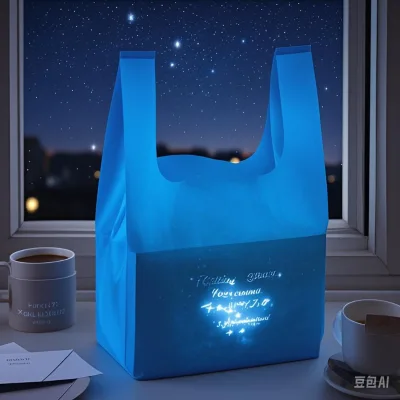


Reusable Heat Sealed PP Non-Woven Tote Bag Custom Printed Logo Shopping Bags
$0.14 - $0.18
MOQ: 1000 Pieces
Comprehensive Sourcing Guide
Strategic Sourcing Guide for Reusable Heat Preservation Non-Woven Bags
Understanding Product Definitions and Material Variants
When sourcing reusable heat preservation non-woven bags, buyers must first navigate the distinction between general non-woven packaging and specialized thermal variants. The supplied product data indicates a market dominated by two primary material compositions: 100% PLA (Polylactic Acid) and 100% Recyclable RPET (Recycled Polyethylene Terephthalate) materials. While the core keyword emphasizes "heat preservation," the provided specifications reveal that standard non-woven bags in this category are often designed for shopping, supermarket retail, and advertising rather than high-temperature thermal retention.
The PLA variant is characterized as a 100% biodegradable material, offering an eco-friendly profile suitable for composting. In contrast, the RPET variant utilizes 100% recyclable materials, focusing on the circular economy. It is critical for buyers to verify if the specific "heat preservation" claim is a standard feature of the non-woven fabric or a result of an added thermal lining. The supplied data lists attributes such as "Hardness" ranging from "Partial Hard" to "Medium Soft," and "Waterproof" status which varies between "Not Waterproof," "Waterproof," and "100% Waterproof." This inconsistency suggests that thermal performance is not a universal standard but a specific customization. Buyers must explicitly confirm whether the non-woven fabric itself provides insulation or if the bag requires a separate thermal layer to meet the "heat preservation" requirement. Without a verified thermal lining specification, a standard non-woven bag may offer minimal heat retention compared to insulated alternatives.
Technical Specifications and Customization Capabilities
The technical landscape for these bags is defined by high degrees of customization. The product data confirms that "Custom Order" is accepted, and sizes can be customized to specific requirements. This flexibility allows buyers to tailor the bag dimensions to fit specific product lines, whether for grocery shopping, garment transport, or promotional advertising. The manufacturing processes identified include "Manual Sewing" and "Ultrasonic Welding." The choice of process significantly impacts the bag's structural integrity and potential for heat retention. Ultrasonic welding, for instance, creates a seamless bond that can enhance the waterproof capabilities, which is a noted attribute for some models (specifically the RPET variant listed as "100% Waterproof").
Closure types are generally listed as "Open," but the customization options allow for the integration of zippers, drawstrings, or Velcro to improve heat retention and product security. The "Type" of bag is primarily "Hand-Held" or "Handled," with a gross weight often exceeding 0.3 kg and a total weight under 0.5 kg for specific models. The color options appear to include standard white, but the "Logo/Graphic Design" section indicates support for customized designs via PSD, PDF, AI, and Pantone formats. Printing handling methods include Screen Print, Offset Print, Flexo Printing, and Intaglio Printing. For a heat preservation bag, the printing method must be compatible with the thermal lining if one is present, as high-heat printing processes could damage insulation layers. Buyers should request technical data sheets that specify the thermal conductivity of the material and the maximum temperature the bag can withstand before deformation occurs.
Compliance, Certification, and Environmental Standards
Environmental compliance is a central pillar of the non-woven bag market, driven by the materials used. The PLA bags are explicitly described as "Eco-Friendly," "Bio&Compost," and "Reusable." The RPET bags are marketed as "Natural & Eco-Friendly" and "Recyclable." To validate these claims, buyers must look for third-party certifications. The supplied data references "Sedex" and "TUV" certifications for specific product models. Sedex is a platform for ethical trade and supply chain transparency, while TUV is a recognized body for testing and certification of safety and quality.
However, the presence of these certifications in the data for specific models (e.g., PRK-483) does not guarantee that every bag in the category holds them. Buyers must verify if the specific heat preservation model they intend to purchase has undergone TUV testing for biodegradability or recyclability claims. Furthermore, the "Industrial Use" is listed as "Business & Shopping," implying that the bags must meet retail standards for durability and safety. The "QC Inspection" process is noted as "100% Manual Inspection," which is a positive indicator for quality control but requires buyers to define their own acceptance criteria for thermal performance. If the bag is intended for food service, buyers should also verify compliance with local food safety standards, which are not explicitly detailed in the provided product attributes but are a critical consideration for heat preservation applications.
Cost Drivers and Economic Factors
The economics of sourcing these bags are influenced by material costs, customization levels, and order volume. The observed price range in the market is between $0.02 and $5.00 USD, a wide spectrum that reflects the difference between basic non-woven bags and specialized insulated versions. The "MOQ" (Minimum Order Quantity) varies significantly, with observed ranges from 1 to 10,000 units, though specific models list MOQs of 2,000 or 5,000 units.
Several factors drive the cost upward. First, the use of 100% PLA or 100% RPET materials is generally more expensive than virgin polypropylene non-woven fabrics due to the processing requirements for biodegradability and recycling. Second, the "Customized Size" and "Customized" logo options add to the setup costs. Third, the manufacturing process plays a role; "Manual Sewing" is labor-intensive and may increase costs compared to fully automated ultrasonic welding, though it allows for more complex constructions that might be necessary for thermal insulation. The "Daily Capacity" of suppliers is noted as high (360,000 PCS), suggesting that economies of scale are achievable, but buyers must balance this against their specific volume needs. The "Packing" method, typically "Carton" or "Plastic Packing Bag," also adds to the unit cost. Buyers should request a detailed cost breakdown that isolates the material cost from the printing and assembly costs to understand where the premium for heat preservation features lies.
Typical Applications and Market Alignment
The applications for these bags are diverse, ranging from "Shopping" and "Supermarket Retail" to "Advertising and Prom"otions. The "Industrial Use" is categorized under "Business & Shopping." While the core keyword is "heat preservation," the provided data suggests that many of these bags are primarily designed for general retail and promotional use. The "Product Features" highlight "Eco-Friendly" and "Reusable" attributes, which align with modern retail trends where brands seek to reduce plastic waste.
For heat preservation specifically, the application would likely be in the food delivery sector, catering services, or retail of hot food items. However, the "Waterproof" attribute varies, with some models being "Not Waterproof" and others "100% Waterproof." This distinction is crucial for food applications; a bag that is not waterproof may not be suitable for carrying hot, moist food items. The "Style" is described as "Simplicity," which is versatile for various branding needs. The "Main Markets" include North America, Europe, South America, and Southeast Asia, indicating that these bags are designed to meet the regulatory and consumer expectations of these regions. Buyers should ensure that the bag's design and material composition align with the specific regulatory environment of their target market, particularly regarding food contact safety and environmental claims.
Supplier Evaluation and Quality Assurance
Evaluating a supplier for reusable heat preservation non-woven bags requires a rigorous approach to quality assurance. The data indicates a "100% Manual Inspection" process, which is a strong baseline for defect detection. However, for heat preservation bags, buyers must go beyond visual inspection. They should verify the supplier's capability to test thermal retention, as this is not a standard attribute listed for all models. The "prod_model" numbers (e.g., PRK-445, PRK-483, XH601) suggest that different models have different specifications. Buyers should request test reports for the specific model they intend to purchase, focusing on thermal conductivity, material thickness, and seam strength.
The "prod_origin" is listed as China and Wenzhou, a known manufacturing hub for non-woven products. The "Daily Capacity" of 360,000 PCS indicates a large-scale operation, which can be beneficial for meeting high-volume orders. However, buyers should also assess the supplier's "Lead Time," which is noted as "About 15 Days After Received Deposit" for some models. This timeline should be factored into the procurement schedule. Additionally, the "Certified" status (Sedex/TUV) should be verified for the specific production batch. Buyers should conduct on-site audits or request third-party audit reports to ensure that the supplier's ethical and environmental claims are substantiated. The "QC Inspection" process should be documented, and buyers should request a sample of the final product to test the heat preservation capabilities themselves before committing to a large order.
Long-Term Procurement and Sustainability Considerations
Long-term procurement of reusable heat preservation non-woven bags requires a focus on sustainability and supply chain resilience. The use of 100% biodegradable and recyclable materials positions these bags as a strategic choice for companies aiming to meet corporate social responsibility (CSR) goals. The "Product Features" explicitly mention "Bio&Compost" and "Recyclable," which are key selling points for environmentally conscious consumers. However, buyers must ensure that the "Heat Preservation" feature does not compromise the bag's end-of-life recyclability. For instance, if a thermal lining is added that is not compatible with the non-woven fabric, it could hinder the recycling process.
The "Custom Order" and "Customized Size" options allow for long-term brand consistency, enabling companies to maintain a unified visual identity across their product lines. The "Logo/Graphic Design" capabilities support ongoing marketing campaigns. To mitigate supply chain risks, buyers should diversify their supplier base and verify the "Daily Capacity" of potential partners to ensure they can scale up during peak seasons. The "Packing" method, typically "Carton," should be evaluated for its own environmental impact, with a preference for recyclable packaging materials. Finally, buyers should establish a feedback loop with their suppliers to continuously improve the bag's performance, particularly regarding heat retention and durability, ensuring that the product evolves to meet changing market demands and regulatory standards.
FAQs
What materials are used for these reusable heat preservation bags?
These bags are made from 100% biodegradable PLA or 100% recyclable RPET materials. The specific material depends on the model, with options including eco-friendly and compostable compositions suitable for shopping and advertising.
Can I customize the size and logo on these non-woven bags?
Yes, custom orders are accepted with customized sizes and logo designs available. Buyers can provide files in PSD, PDF, AI, or Pantone formats for screen, offset, or flexo printing on the bag surface.
What is the minimum order quantity for these reusable bags?
The minimum order quantity varies by model, typically ranging from 2000 to 5000 units. Some listings show an observed MOQ range from 1 to 10000, so specific requirements must be confirmed with the supplier.
Are these bags waterproof and suitable for wet items?
Waterproof capabilities vary by model, with some listed as not waterproof and others as 100% waterproof. Buyers should verify the specific model attributes before using the bag for wet or food-related applications.
How long does production take after receiving the deposit?
Production lead time is approximately 15 days after the deposit is received. This timeline applies to standard models, though specific capacity and scheduling may vary based on the manufacturer's daily output.
Which certifications do these manufacturers hold for ethical trade?
Selected models are certified by Sedex and TUV for quality and ethical trade standards. Buyers should verify that the specific product batch holds these certifications to ensure compliance with international sourcing requirements.