Source RGB Point Lights for Landscape, Club, and Mall Projects
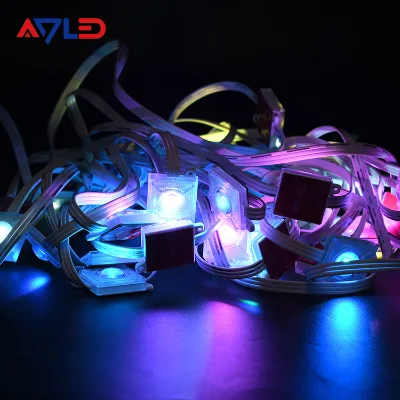
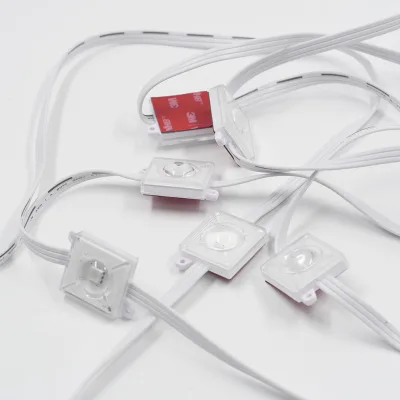
Find 30 RGB Point Lights from verified suppliers in Guangdong, China. Buyers can compare specifications like IP67 waterproofing, 12V DC voltage, and Epistar LED chips for landscape, club, and shopping mall applications.
Key considerations
Products List
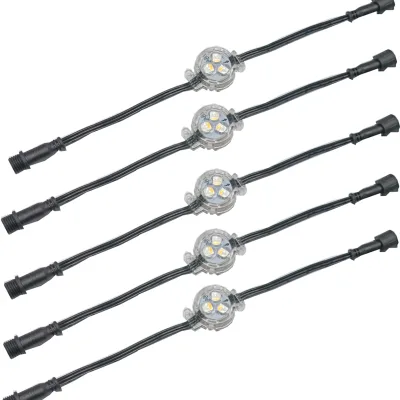


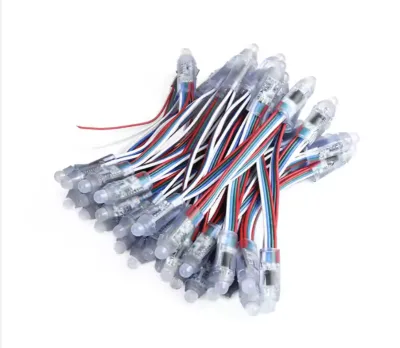
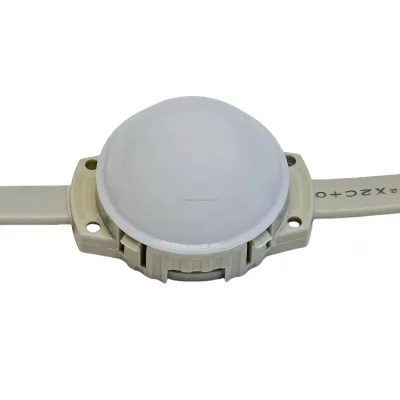
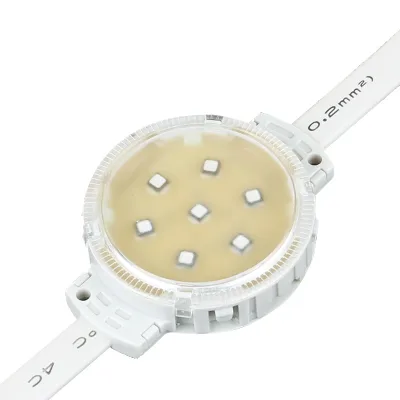


RGB LED Strip Light/Luz LED/LED Strip Light/Decoration-Light for Party Light
$1.00 - $1.99
MOQ: 100 Pieces


LED Strip Fixture/RGB LED/LED Light Fitting/Neon Light for LED Outdoor Lighting
$1.00 - $1.99
MOQ: 100 Pieces



Comprehensive Sourcing Guide
Strategic Sourcing Guide for RGB Point Lights in B2B Procurement
Understanding Technical Specifications and Performance Metrics
When sourcing RGB Point Lights, buyers must first establish a clear understanding of the technical parameters that define product performance and suitability for specific projects. The core of these lighting solutions lies in the LED configuration and control architecture. Observed specifications indicate that high-performance units often utilize SMD5050RGBW LED sources, which allow for a broader color spectrum compared to standard RGB configurations. The specific model data suggests a density of 5 LEDs per meter, with individual power consumption ranging from 0.72 watts per piece to a total module power of 3.6 watts. This power efficiency is critical for large-scale installations where thermal management and energy costs are significant factors.
The driving electronics and control protocols are equally vital. The supply chain data highlights the use of IC types such as UCS2904 and TM1814, alongside controllers supporting Ws2801 and DMX512 protocols. These standards enable individual pixel control, allowing for complex lighting effects in dynamic environments. Buyers should verify the compatibility of the selected IC with their existing control systems, as mismatched protocols can lead to integration failures. Furthermore, the viewing angle is a key optical specification, with observed data pointing to a 120-degree angle, ensuring wide dispersion suitable for landscape and architectural accent lighting.
Color rendering and temperature stability are also essential metrics. The Color Rendering Index (Ra) is observed at 80, which is generally acceptable for decorative and accent applications but may require verification for tasks requiring high color fidelity. The operating temperature range is critical for outdoor durability, with specifications indicating a working range of -40°C to 60°C. This wide thermal tolerance suggests the product is engineered for harsh environmental conditions, though buyers must confirm that the specific batch matches these thermal limits for their local climate.
| Specification Category | Observed Data Points | Procurement Verification Requirement |
|---|---|---|
| LED Source | SMD5050RGBW, Epistar/CREE | Verify chip manufacturer consistency and binning quality. |
| Power Consumption | 0.72W/pcs, 3.6W total | Confirm actual wattage under load to prevent driver overload. |
| Control Protocol | Ws2801, DMX512, Wi-Fi, Remote | Ensure controller compatibility with existing system architecture. |
| Optical Output | 120° Viewing Angle, 100 lm/W | Validate luminous efficiency claims against independent test data. |
| Thermal Range | -40°C to 60°C | Confirm local environmental conditions fall within this range. |
Compliance, Certification, and Safety Standards
Navigating the regulatory landscape is a non-negotiable aspect of B2B procurement for electronic lighting products. Buyers must rigorously verify that suppliers possess valid certifications to ensure market access and safety compliance. The available data indicates that products in this category often carry CE and RoHS certifications. The CE mark signifies conformity with health, safety, and environmental protection standards for products sold within the European Economic Area, while RoHS (Restriction of Hazardous Substances) ensures the absence of specific hazardous materials like lead and mercury.
However, the presence of a certification mark on a product listing does not guarantee its validity for every unit or batch. Procurement teams must request current, verifiable certificates from the supplier that correspond to the specific model numbers being purchased. It is also necessary to check for regional variations; for instance, products destined for the North American market may require UL or ETL listing, which are not explicitly mentioned in the general product attributes but are often required for commercial installations.
Waterproofing is another critical compliance and safety factor, particularly for outdoor applications. The data presents a nuanced picture regarding ingress protection ratings. While one attribute lists an IP Rating of IP67, another specification explicitly mentions an IP Grade of IP 68 Waterproof. This discrepancy requires immediate clarification from the supplier. IP67 indicates protection against temporary immersion in water, whereas IP68 offers protection against continuous immersion under conditions specified by the manufacturer. For landscape lighting or areas prone to heavy rainfall, IP68 is generally the preferred standard. Buyers must insist on a test report or a specific product datasheet that confirms the exact IP rating for the model they are ordering, as this directly impacts the longevity and safety of the installation.
Cost Drivers and Pricing Structure Analysis
The pricing structure for RGB Point Lights is influenced by a complex interplay of component quality, customization levels, and order volume. The observed price range in the market spans from $0.13 to $100,000, a vast disparity that reflects the difference between single-unit samples and large-scale commercial contracts. The Minimum Order Quantity (MOQ) also varies significantly, ranging from 1 unit to 1,000 units, offering flexibility for both prototyping and mass production.
Several key factors drive the cost of these products. First, the LED chip quality is a primary cost determinant. Products utilizing Epistar or CREE chips, as noted in the specifications, typically command a higher price than those using generic or unbranded chips due to better color consistency and longer lifespan. Second, the control IC and driver circuitry add to the cost; advanced ICs like UCS2904 or TM1814 that support complex color mixing and dimming features are more expensive than basic drivers. Third, the waterproofing grade and housing material, such as PC (Polycarbonate) bodies, contribute to the final price. Higher IP ratings and more durable materials increase manufacturing costs but reduce long-term maintenance expenses.
Customization is another significant cost driver. The availability of customization options allows buyers to tailor product dimensions, colors, and packaging to specific project needs. However, custom orders often incur higher unit costs and may require higher MOQs to justify the setup and tooling expenses. Buyers should also consider the "Single Package Size" of 15x15x8 cm and the gross weight of 0.100 kg when calculating logistics costs, as these dimensions affect shipping efficiency and freight charges, especially for international orders.
Typical Applications and Installation Environments
RGB Point Lights are versatile components designed for a wide array of applications, ranging from residential landscaping to large-scale commercial entertainment venues. The observed data highlights applications in landscape lighting, clubs, shopping malls, and billboards. In landscape settings, these lights are often used to illuminate pathways, highlight architectural features, or create dynamic water effects. The IP67 or IP68 rating makes them suitable for direct burial or submersion in water features, provided the electrical connections are properly sealed.
For commercial and entertainment venues such as clubs and shopping malls, the ability to change colors and create dynamic lighting effects is paramount. The support for various switch modes, including Wi-Fi, remote control, and manual buttons, allows for flexible control schemes that can be integrated into building management systems or automated lighting sequences. The 120-degree viewing angle ensures that the light is distributed effectively across large areas without creating harsh hotspots, which is ideal for accentuating the ambiance of a venue.
The durability of the product is also a consideration for these applications. With a claimed lifespan of 50,000 hours and a warranty period of either 2 or 3 years, these lights are designed for long-term operation. However, the actual lifespan in a specific application depends heavily on the operating environment. High ambient temperatures or frequent on/off cycling can reduce the effective lifespan. Buyers should ensure that the installation design includes adequate heat dissipation and that the power supply is stable to maximize the product's longevity.
Supplier Evaluation and Verification Protocols
Selecting the right supplier is critical to the success of any procurement project. Buyers should evaluate potential suppliers based on their technical capabilities, quality control processes, and responsiveness. The product data indicates that the place of origin is Guangdong, China, a major hub for electronics manufacturing. While this region offers access to a robust supply chain, it also necessitates rigorous due diligence to ensure quality consistency.
Buyers should request detailed product samples to verify the physical attributes against the specifications. This includes checking the LED color consistency, the accuracy of the IP rating through water testing, and the functionality of the control system. It is also important to verify the supplier's ability to provide the necessary documentation, such as test reports, certification copies, and technical datasheets. The presence of a "Lighting And Circuitry Design" service attribute suggests that some suppliers offer additional engineering support, which can be valuable for complex projects requiring custom integration.
When evaluating suppliers, buyers should also consider their production capacity and lead times. The observed MOQ range of 1 to 1,000 units suggests that suppliers can accommodate both small and large orders, but lead times may vary significantly based on order volume and customization requirements. Clear communication regarding production schedules and shipping timelines is essential to avoid project delays. Additionally, buyers should assess the supplier's after-sales support, including their warranty terms and procedures for handling defective units. A supplier that offers a 3-year warranty, as indicated in some product attributes, demonstrates confidence in their product quality and provides better long-term protection for the buyer.
Quality Control and Long-Term Procurement Considerations
Implementing a robust quality control (QC) strategy is essential to mitigate risks associated with sourcing RGB Point Lights. Buyers should establish clear acceptance criteria based on the technical specifications provided. This includes verifying the LED quantity, power consumption, and color temperature accuracy. For waterproof products, random sampling for IP rating verification is highly recommended to ensure that the sealing processes meet the claimed standards.
Long-term procurement considerations also involve planning for maintenance and replacement. The observed lifespan of 50,000 hours suggests that these lights are designed for extended use, but buyers should still plan for periodic inspections and potential replacements. The availability of spare parts and the supplier's ability to fulfill repeat orders with consistent quality are crucial for maintaining the integrity of the lighting system over time. Buyers should also consider the compatibility of the lights with future control system upgrades, ensuring that the selected products can adapt to evolving technology standards.
Finally, buyers should maintain a comprehensive record of all procurement activities, including supplier communications, test results, and warranty claims. This documentation serves as a valuable resource for resolving disputes and ensuring accountability. By adhering to a disciplined approach to quality control and long-term planning, buyers can secure a reliable supply of high-quality RGB Point Lights that meet their project requirements and deliver value over the life of the installation.
FAQs
What certifications do these RGB Point Lights have?
These lights carry CE and RoHS certifications for safety and environmental compliance. Buyers must verify valid certificates for specific batches to ensure market access in regions like Europe.
Which waterproof rating applies to the product?
The product lists both IP67 and IP68 waterproof ratings in its attributes. Buyers should request a datasheet to confirm the exact rating for their specific installation needs.
How long is the warranty period for these lights?
The warranty period is listed as either 2 years or 3 years depending on the specific model configuration. Buyers should confirm the exact term with the supplier before placing an order.
Can these lights be customized for specific projects?
Customization is available for dimensions, colors, and packaging to meet project requirements. Custom orders may incur higher unit costs and require higher minimum order quantities to justify setup expenses.
What is the minimum order quantity for these lights?
The minimum order quantity ranges from 1 unit to 1000 units depending on the supplier and customization level. This flexibility supports both prototyping and large-scale commercial production needs.
Where are these RGB Point Lights manufactured?
The place of origin is Guangdong, China, a major hub for electronics manufacturing. Buyers should verify the specific factory location and quality control processes for consistency.