Source RGB Rotating Laser Spider Lamp for Stage, Pool, and Fountain
Compare 30 verified listings for the RGB Rotating Laser Spider Lamp featuring mixed color outputs and high-frequency strobing. Buyers can evaluate specifications like IP ratings, power consumption, and customization options for stage, swimming pool, and fountain applications.
Key considerations
Products List
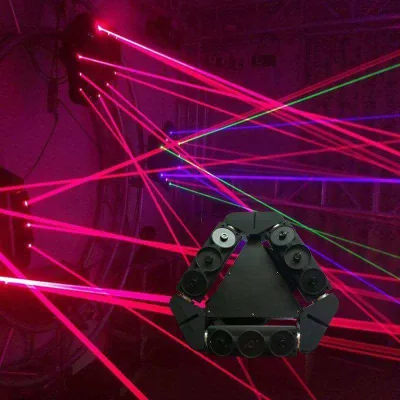


Club Lights Laser Advertising 3D Laser Projector Laser Lights for Party
$300.00 - $320.00
MOQ: 1 Pieces


Projector Beam Laser Light 1-5W RGB Full Color Animation Cartoon Laser Light
$120.59 - $161.76
MOQ: 10 Pieces

New RGB 1W-5W Stage Nightclub Full-Color Animation Laser Light with CE Certification
$120.59 - $161.76
MOQ: 10 Pieces


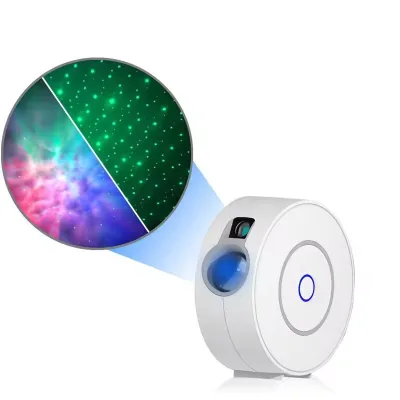
360 Rotating Magnetic Levitation 3D Starry Moon Lamp Light with Bluetooth Speaker
$35.00 - $40.00
MOQ: 10 Pieces




Comprehensive Sourcing Guide
Strategic Sourcing Guide for RGB Rotating Laser Spider Lamps
Understanding the Technical Architecture of Spider Laser Systems
When sourcing an RGB Rotating Laser Spider Lamp, buyers must first distinguish between the specific mechanical configuration and the optical output capabilities. The core product category, often identified by keywords such as "9 head spider laser light," represents a complex integration of multiple laser modules arranged in a radial or spider-like formation. This design allows for dynamic beam projection and complex pattern generation suitable for large-scale entertainment venues. The technical specifications observed in the market indicate a high-power requirement, with typical units operating at 300W. This power level is critical for achieving the necessary beam intensity and visibility distance required in outdoor or large indoor environments.
The electrical architecture of these units must support global deployment. The input voltage specifications typically range from AC 90V to 240V at 50-60Hz, ensuring compatibility with diverse power grids without the need for external transformers. A key operational feature for these systems is the support for dimming, which allows venue operators to adjust intensity levels for different atmospheric effects. The color temperature and emitting color profiles are distinct; while some units in the broader category may offer cool white or specific single-color outputs, the spider laser configuration is specifically engineered for mixed emitting colors, typically combining Blue, Red, and Green to create a full RGB spectrum.
The lifespan of the laser diodes is a primary metric for long-term value. High-performance units in this category are engineered for a lifespan of approximately 100,000 hours, significantly reducing the frequency of component replacement. However, the optical efficiency is equally important. Buyers should look for lamp luminous efficiency ratings around 95 lm/W, which indicates a high conversion rate of electrical energy into visible light, minimizing heat generation and energy waste. The working temperature range is another critical technical constraint, with standard operational limits typically spanning from -25°C to 45°C. This range ensures functionality in varied climates, from cold outdoor festivals to hot indoor clubs, provided the ventilation systems are adequate.
Compliance, Certification, and Safety Standards
In the B2B procurement of high-power laser equipment, compliance with international safety and environmental standards is non-negotiable. The laser industry is heavily regulated due to the potential hazards associated with high-intensity light beams. Buyers must verify that the supplier provides valid documentation for CE, RoHS, and ISO9001 certifications. These certifications are not merely marketing claims but are essential for legal importation and operation in many jurisdictions. The CE mark indicates conformity with health, safety, and environmental protection standards for products sold within the European Economic Area, while RoHS ensures the absence of specific hazardous materials. ISO9001 certification validates the supplier's quality management system, suggesting a consistent manufacturing process.
The IP (Ingress Protection) rating is a critical safety and durability metric for laser lights, particularly those intended for outdoor or wet environments. The market data indicates a divergence in protection standards depending on the specific application. Some units are rated IP33, which offers protection against solid objects larger than 2.5mm and water spray from any direction. However, for applications involving water features, such as swimming pools or fountains, a higher standard is required. Products specifically designed for aquatic environments often carry an IP68 rating, indicating complete dust tightness and the ability to withstand prolonged immersion in water. Buyers must carefully match the IP rating to the installation environment to prevent catastrophic failure.
Furthermore, the physical construction of the lamp body contributes to safety and durability. Stainless steel and aluminum alloy are the preferred materials for the lamp body and housing, respectively. Stainless steel offers superior corrosion resistance, which is vital for fountain applications where the unit is submerged. Aluminum alloy provides a lightweight yet robust structure for the main housing, aiding in heat dissipation. The waterproof standard must be explicitly verified against the specific application; for instance, a unit with a "Water Proof Standard" of IP68 is suitable for submersion, whereas an IP33 unit is not. Buyers should request test reports or certification documents that explicitly state the IP rating for the specific model number, such as the CW-J9 or WL-PE, to avoid mismatches.
Cost Drivers and Pricing Dynamics in Laser Procurement
The pricing structure for RGB rotating laser spider lamps is influenced by several distinct factors, ranging from raw material costs to the complexity of the optical engineering. The observed price range in the market spans from $0.01 to $4,399, a wide variance that reflects differences in power output, build quality, and included features. It is crucial for buyers to understand that the lowest price points often correspond to entry-level or lower-power units, while the upper end of the spectrum typically includes high-power 300W systems with advanced control features and robust housing.
The Minimum Order Quantity (MOQ) is another significant cost driver. The observed MOQ range extends from 1 unit to 10,000 units. For small-scale projects or testing purposes, suppliers offering an MOQ of 1 are essential, allowing buyers to procure a single item for evaluation. However, for large-scale deployments, such as theme parks or permanent installations, negotiating an MOQ closer to the higher end of the spectrum can result in significant per-unit cost reductions. The "Selling Units" are typically listed as single items, meaning the base price is for one unit, but bulk discounts are often available based on the total order volume.
Packaging and logistics also play a role in the total cost of ownership. The packaging details for these high-value items often include flight cases, wooden boxes, or heavy-duty carton cases to ensure the delicate laser optics survive international shipping. The choice of packaging can impact the shipping weight and volume, thereby affecting freight costs. Additionally, the customization options available, such as specific branding or modified cable lengths, can add to the unit cost. Buyers should factor in the cost of these customizations early in the procurement process to avoid budget overruns.
Typical Applications and Environmental Suitability
The versatility of RGB rotating laser spider lamps makes them suitable for a wide array of applications, from permanent architectural installations to temporary event setups. The primary application areas include swimming pools, ponds, and fountains, where the combination of water and light creates spectacular visual effects. In these aquatic environments, the IP68 rating and stainless steel construction are mandatory to withstand constant exposure to water and humidity. The ability to project mixed colors (Blue, Red, Green) allows for dynamic water shows that can be synchronized with music or lighting control systems.
Beyond aquatic applications, these lasers are widely used in stage performances, concert tours, and nightclubs. The "Multiple Flash in High Frequency" feature is particularly valuable for creating strobe effects and rapid pattern changes that enhance the energy of live performances. The 300W power output ensures that the beams remain visible even in large venues with high ambient light levels. The support for dimming allows for subtle atmospheric lighting during slower segments of a show, while the full power setting can be used for high-energy moments.
The working temperature range of -25°C to 45°C makes these units suitable for outdoor festivals and winter events, provided they are installed in sheltered areas or have adequate heating/cooling mechanisms. The lighting solutions service offered by many suppliers, including lighting and circuitry design and project installation, is a valuable asset for complex applications. This service ensures that the laser system is integrated correctly with the venue's existing electrical and control infrastructure, reducing the risk of installation errors and ensuring optimal performance.
Supplier Evaluation and Verification Protocols
When evaluating potential suppliers for RGB rotating laser spider lamps, buyers must adopt a rigorous verification process that goes beyond surface-level marketing claims. The first step is to verify the place of origin. The majority of these products originate from Guangdong, China, or specifically Shenzhen, China, which are known manufacturing hubs for LED and laser lighting. While this location is standard, buyers should confirm the specific factory location to ensure it aligns with their supply chain requirements.
Certification verification is paramount. Buyers should request copies of the CE, RoHS, and ISO9001 certificates and cross-reference them with the issuing bodies to ensure validity. The presence of a "Certificate" field in the product data is a positive indicator, but the actual documentation must be reviewed. Additionally, the "Standard Component" status should be confirmed to ensure that the parts used are industry-standard and not proprietary, which facilitates future maintenance and repairs.
The supplier's ability to provide customization is another key evaluation criterion. The market data indicates that customization is available for these products. Buyers should assess the supplier's flexibility in modifying parameters such as cable length, packaging, or specific color configurations. The "Customized" and "Customization" attributes suggest that the supplier can adapt the product to specific project needs. However, buyers should clarify the lead time and additional costs associated with these customizations before placing an order.
Finally, the warranty terms should be clearly defined. A standard warranty period of 2 years is observed in the market, which provides a reasonable timeframe for identifying manufacturing defects. Buyers should ensure that the warranty covers both the laser diodes and the electronic components, as these are the most likely points of failure. The "Warranty(Year)" attribute of 2 years is a baseline expectation, and any deviation should be scrutinized.
Quality Control and Long-Term Procurement Considerations
Ensuring long-term reliability requires a proactive approach to quality control and procurement planning. The high luminous efficiency of 95 lm/W and the 100,000-hour lifespan are theoretical maximums that depend on proper installation and maintenance. Buyers should implement a quality control protocol that includes pre-shipment inspections, particularly for the IP rating and electrical safety. Testing the unit in a controlled environment before final installation can help identify any potential issues with the dimming function or color mixing.
The packaging details, such as the use of flight cases or wooden boxes, are critical for protecting the unit during transit. Buyers should verify that the packaging meets the specific shipping requirements of their logistics partners. The "Standard" dimensions provided, such as 39x31x21 or 270x125x8mm, should be used to plan storage and installation space accurately. Mismatches in dimensions can lead to installation delays and additional costs.
Long-term procurement considerations also include the availability of spare parts and technical support. Given the complexity of the 9-head spider configuration, having access to replacement laser modules or control boards is essential. Buyers should inquire about the supplier's after-sales support structure, including the availability of technical documentation and troubleshooting guides. The "Lighting And Circuitry Design" service offered by suppliers can be a valuable resource for ongoing maintenance and future upgrades.
In conclusion, sourcing RGB rotating laser spider lamps requires a detailed understanding of the technical specifications, compliance requirements, and application-specific needs. By carefully evaluating the power output, IP rating, certifications, and supplier capabilities, buyers can secure high-quality units that meet their project requirements. The wide price range and MOQ flexibility allow for tailored procurement strategies, but the focus must remain on quality, safety, and long-term reliability to ensure successful project outcomes.
FAQs
What certifications do these laser lights have?
These units carry CE, RoHS, and ISO9001 certifications. This ensures compliance with international safety and environmental standards for global importation and operation in various jurisdictions.
How long is the warranty period for this product?
The standard warranty period is two years. This coverage typically applies to manufacturing defects in both the laser diodes and the electronic components for peace of mind.
Can these lights operate in outdoor environments?
Yes, they function within a working temperature range of -25 to 45 degrees Celsius. This allows for use in varied climates, though proper ventilation is required for optimal performance.
What is the expected lifespan of the laser diodes?
The laser diodes are engineered for a lifespan of approximately 100,000 hours. This extended durability significantly reduces the frequency of component replacement for long-term projects.
Which IP rating is suitable for swimming pool applications?
For swimming pools and fountains, an IP68 rating is required to withstand prolonged water immersion. Some units are rated IP33, which is only suitable for dry or splash-prone areas.
What is the input voltage range for these devices?
The input voltage ranges from AC 90 to 240 volts at 50 to 60 Hz. This global compatibility ensures the units work with diverse power grids without needing external transformers.
Can the product be customized for specific projects?
Customization is available for various project requirements. Buyers can request modifications to parameters like cable length or packaging to suit specific installation needs.