Source Rice De-stoner for Wheat, Sesame, and Grain Processing
Compare 30 rice de-stoner units from verified Chinese manufacturers. Buyers can evaluate specifications like capacity, power, and dimensions to find the right machine for grain cleaning applications.
Key considerations
Products List


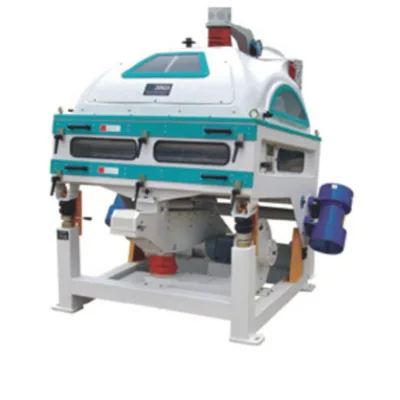
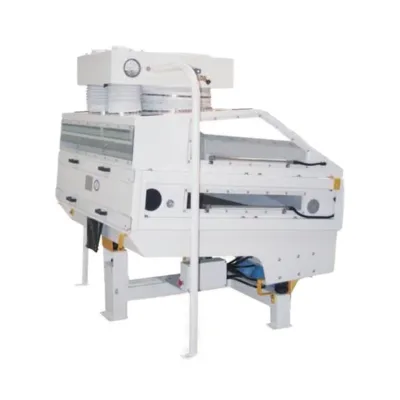
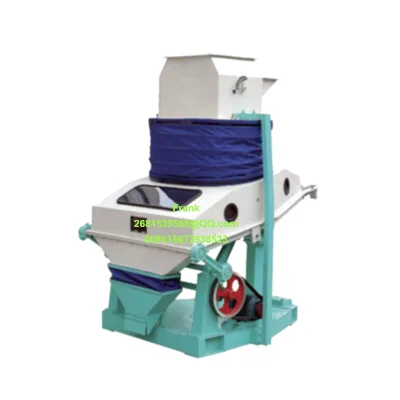
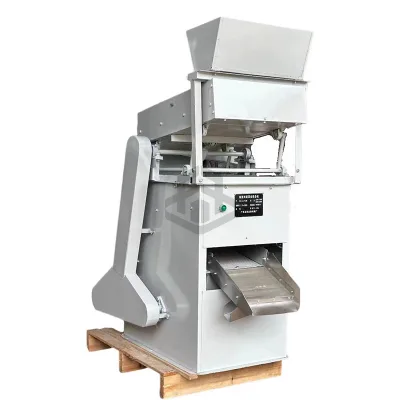
Competitive Price TQSX85 Rice Mill Destoner Machines Price for Rice 3-3.5 Ton
$1400.00 - $3150.00
MOQ: 1 Minimum


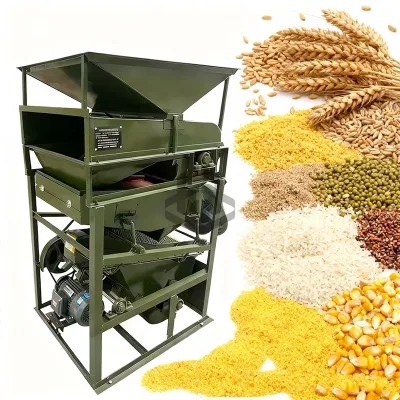
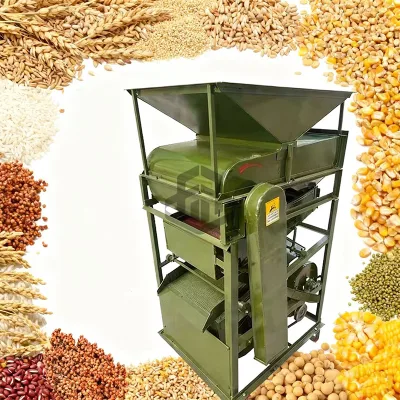
Paddy Destoner and Rice Destoner Machine/Rice Destoner/Paddy De-Stoner
$4200.00 - $4450.00
MOQ: 1 Sets


Paddy Destoner and Rice Destoner Machine/Rice Destoner/Paddy De-Stoner
$1250.00 - $2850.00
MOQ: 1 Pieces



Comprehensive Sourcing Guide
Rice De-stoner Sourcing Guide
Selecting the right rice de-stoner requires a careful balance of technical precision, operational capacity, and supplier reliability. These machines are essential for removing alongside stones, gravel, and other dense impurities from paddy or milled rice before further processing. The procurement process involves evaluating multiple variables, from the specific model number and power consumption to the after-sales service infrastructure provided by the manufacturer. Buyers must navigate a market where specifications vary significantly between suppliers, often listing different weights, dimensions, and output capacities for similar-looking equipment.
This guide provides a structured approach to sourcing rice destoning machines, focusing on the critical decision points that impact long-term operational efficiency. By understanding the observed listing signals, verifying technical specifications, and assessing supplier qualifications, buyers can mitigate risks associated with equipment failure or suboptimal performance. The following sections detail the key considerations for evaluating these machines, ensuring that the selected equipment aligns with both current production needs and future scalability requirements.
Product Scope and Observed Listing Signals
The market for rice de-stoners presents a diverse range of options, with observed listings indicating a price range of $350 to $10,000 USD and a minimum order quantity (MOQ) typically between 1 and 5 units. This wide price variance suggests that buyers will encounter everything from basic, small-scale units to high-capacity industrial systems. The presence of customization options, such as the ability to tailor the machine for specific grain types like sesame or rice, indicates that manufacturers often offer flexible configurations. Buyers should be aware that while the base price may appear low, the final cost can be influenced by additional features, packaging requirements, and shipping logistics from origins like Shijiazhuang or Hubei in China.
Listing signals also reveal significant variations in physical attributes and performance claims. For instance, some units are described with a weight of 950kg and a capacity of 3t/h based on sesame, while others list a net weight of 550kg and an output of 6~8 T/H for rice. These discrepancies highlight the importance of verifying the specific application and material being processed. Additionally, the appearance of machines can vary, with some listed as vertical designs and others as suction types. Buyers must carefully cross-reference these observed signals with their actual production requirements to avoid selecting a machine that is either underpowered or unnecessarily oversized for their facility.
Technical Specifications to Verify
When evaluating technical specifications, buyers must prioritize the core components that drive machine performance, such as the engine and gear systems. The power consumption is a critical factor, with observed listings showing a range from 0.3x2 KW for smaller units to 9kw for larger industrial models. It is essential to verify the voltage requirements, as many units operate on 380V, which may necessitate specific electrical infrastructure at the installation site. Additionally, the air volume, listed at 8000 m3/h for some models, plays a crucial role in the efficiency of the destoning process, particularly for suction-type machines that rely on airflow to separate lighter impurities from the grain.
Dimensions and physical footprint are equally important for facility planning. Listings provide varying dimensions, such as 1640x1837x1852mm or 2000x1740x2000 mm, which directly impact the space required for installation and maintenance. Buyers should also pay close attention to the model numbers, such as 5QS-5 or TQSS120B, as these often correlate with specific design features and capabilities. The condition of the machine, typically listed as new, and the warranty period, often one year, are standard indicators of quality, but buyers should verify the specifics of the warranty coverage, including whether it includes spare parts and field maintenance services.
Compliance and Safety Documentation
Compliance and safety are paramount in the procurement of industrial machinery, and buyers should ensure that suppliers provide necessary documentation to meet local regulatory standards. Many listings mention ISO certification, which serves as a baseline indicator of quality management systems, but buyers must verify if this certification applies to the specific model being purchased. Additionally, the provision of machinery test reports is a positive signal, indicating that the manufacturer has conducted performance evaluations. Buyers should request these reports to understand the machine’s reliability and efficiency under controlled conditions, ensuring that the equipment meets the expected purity levels, such as the 99% purity claimed for some destoners.
Safety features and operational protocols should also be thoroughly reviewed. Machines with vibration motors, as noted in some listings, require specific safety precautions during operation to prevent structural damage or injury. Buyers should confirm that the supplier provides comprehensive operation manuals and safety guidelines, particularly for models that involve high air volumes or complex mechanical systems. Furthermore, the availability of video technical support and online assistance can be crucial for troubleshooting safety-related issues or ensuring that operators are trained correctly. Verifying these documentation aspects helps mitigate risks associated with non-compliance and operational hazards.
Cost Drivers and Commercial Terms
Several factors influence the total cost of ownership for rice de-stoners, beyond the initial purchase price. The supply ability, often listed as 20 sets per week for many destoners, can impact lead times and pricing, especially during peak demand periods. Buyers should consider the packaging details, such as wooden case packages or nude shipments, as these affect shipping costs and the risk of damage during transit. The port of dispatch, whether Shanghai or Wuhan, also plays a role in logistics planning and associated freight expenses. Understanding these commercial terms helps buyers budget accurately and avoid unexpected costs that can arise from shipping or handling issues.
After-sales service is another significant cost driver, with suppliers offering various levels of support, including field installation, commissioning, and training. The availability of engineers to service machinery overseas is a valuable feature for international buyers, but it may come with additional costs or travel expenses. Buyers should clarify the scope of the after-warranty service, which may include video technical support, online support, and spare parts provision. Negotiating clear terms for these services ensures that buyers are not burdened with high maintenance costs in the long run. Additionally, the marketing type, listed as ordinary product for some units, may indicate standard pricing without premium support packages, allowing buyers to compare value propositions more effectively.
Supplier Qualification and Quality Control
Supplier qualification is a critical step in the sourcing process, requiring buyers to assess the manufacturer’s reputation and production capabilities. The brand names associated with these machines, such as DINGXIN or Dingxin/YONGXIANG, can provide insights into the supplier’s market presence and product quality. Buyers should verify the supplier’s production capacity and their ability to meet specific order volumes, especially if they require customized solutions. The local service locations, including countries like the Philippines, Pakistan, India, Sri Lanka, and Bangladesh, indicate the supplier’s reach and support infrastructure, which is crucial for international buyers seeking reliable after-sales assistance.
Quality control measures should be rigorously evaluated to ensure that the purchased machines meet the required standards. Buyers should inquire about the manufacturing processes and the quality assurance protocols implemented by the supplier. The provision of machinery test reports and the availability of spare parts are key indicators of a supplier’s commitment to quality. Additionally, buyers should consider the supplier’s experience in the industry and their track record of delivering reliable equipment. Engaging with suppliers who offer comprehensive training and support can significantly enhance the operational efficiency of the rice de-stoner, reducing downtime and improving overall productivity.
Long-Term Procurement Checks
Long-term procurement success depends on establishing a robust relationship with the supplier and implementing regular maintenance checks. Buyers should develop a preventive maintenance schedule that includes routine inspections of the engine, gears, and vibration motors to identify potential issues before they lead to costly breakdowns. The availability of spare parts, as mentioned in the after-sales service provisions, is crucial for minimizing downtime. Buyers should ensure that they have a steady supply of critical components and that the supplier can deliver them promptly when needed. This proactive approach helps maintain the machine’s performance and extends its operational lifespan.
Furthermore, buyers should regularly review the supplier’s performance and service quality to ensure that their needs are being met. This includes evaluating the responsiveness of the technical support team and the effectiveness of the training provided. As production requirements evolve, buyers may need to upgrade or expand their destoning capabilities, making it important to maintain open communication with the supplier. By staying informed about new technologies and product improvements, buyers can make informed decisions about future purchases. Establishing a long-term partnership with a reliable supplier ensures that the rice de-stoner remains a valuable asset to the production process, contributing to consistent quality and efficiency.
FAQs
How does a rice de-stoner separate stones from paddy or rice?
A rice de-stoner uses vibration and suction airflow to stratify grain on a perforated deck, so heavy stones travel opposite to the grain flow and discharge separately. Suction-type models like the TQSS120B rely on an adjustable air volume to keep the grain bed fluidized, which improves separation accuracy and purity of the cleaned rice.
What capacity can a rice de-stoner handle per hour?
Capacities vary by model; listed machines range from about 3 tons per hour based on sesame to 6-8 tons per hour output, and some large models reach 80,000-120,000 kg/h. Choose capacity based on your grain type and upstream cleaning line, since heavier grains like rice typically allow rated throughput while lighter seeds reduce effective capacity.
Which specifications should buyers check before ordering a rice de-stoner?
Key specifications include processing capacity, power consumption such as 0.3x2 KW vibration motors or 9 KW systems, required voltage like 380V, air volume around 8000 m3/h, and overall dimensions. Confirm the machine type, for example suction-type or vertical design, and request the machinery test report, which many suppliers provide with each unit.
Can rice de-stoner machines be customized for different grains and setups?
Yes, customization is available on listed machines, including model-specific adaptations like the 5QS-5 for sesame processing at 3 t/h. Buyers can request adjustments to decks, air channels, and dimensions to match their grain plant layout. Discuss your grain type, purity target of 99%, and installation conditions with the supplier before production begins.
What after-sales support is typically provided with a rice de-stoner?
Support usually includes field installation, commissioning, and operator training, with engineers available to service machinery overseas. After the warranty period, suppliers commonly offer video technical support, online support, spare parts, and field maintenance and repair service. Local service locations exist in markets such as the Philippines, Pakistan, India, Sri Lanka, and Bangladesh.
What warranty and packaging terms apply to rice de-stoner purchases?
Listed machines typically carry a one-year warranty covering manufacturing defects. Packaging is usually nude shipment or a wooden case package, with selling units handled as single items. Confirm packaging preference based on destination port and shipping method, since wooden cases better protect vibration motors and decks during long ocean transit to ports like Shanghai or Wuhan.
Which certifications and quality documents matter when sourcing a rice de-stoner?
Certification such as ISO is listed for these machines, and a machinery test report is provided as standard. Buyers should also confirm brand identity, since machines may carry brand names like DINGXIN or Dingxin/YONGXIANG, and verify origin details, for example Shijiazhuang or Hubei in China, before finalizing a purchase contract.
How quickly can suppliers ship rice de-stoner orders?
Supply ability is stated at around 20 sets per week for certain destoner models, so standard units can often be dispatched promptly. Actual lead time depends on order quantity, customization requirements, and production scheduling. Confirm the dispatch port, such as Shanghai or Wuhan, and request a firm delivery date when negotiating your order.