Source Rice Husk Spoon for Hotel Restaurant Home Use
Compare 30 listings for Rice Husk Spoon options including plastic and shell variants. Buyers can evaluate MOQs, materials like PP and ABS, and customization features from suppliers in Zhejiang and Jiangsu.
Key considerations
Products List
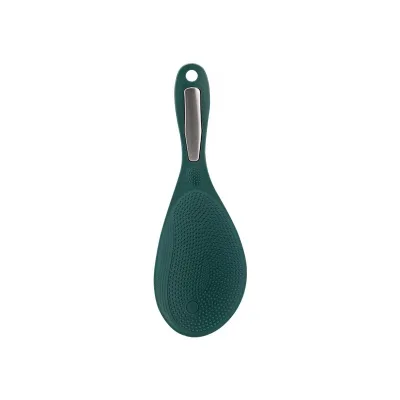
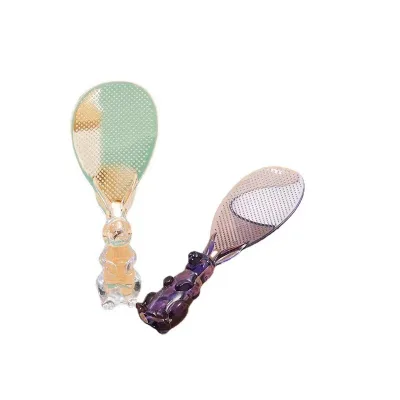



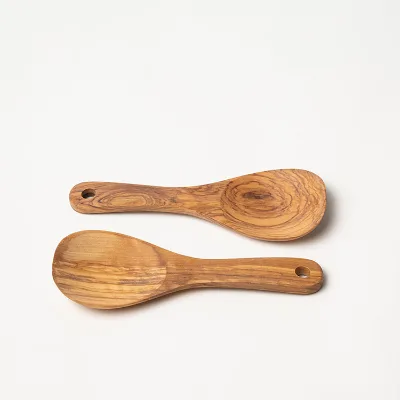


Customized High Borosilicate Glass Tableware Long Handle Rice Soup Spoon
$2.00 - $2.20
MOQ: 200 Pieces

Comprehensive Sourcing Guide
Rice Husk Spoon Sourcing Guide
Sourcing rice serving utensils requires a clear distinction between material claims and actual product composition, particularly when navigating listings that reference "rice husk" or "natural shell" aesthetics. The current market landscape for these items is fragmented, with suppliers offering a wide array of materials ranging from durable plastics and stainless steel to natural organic materials like mother-of-pearl. Buyers must carefully verify the actual material composition against the marketing terminology used in product titles, as terms such as "natural shell spoon" or "rice shovel" often describe the shape or intended use rather than the raw material itself. This guide provides a structured approach to evaluating these products based on observed listing signals, technical specifications, and commercial realities.
The procurement process for rice serving spoons involves balancing aesthetic preferences with functional durability and regulatory compliance. While the core keyword suggests a focus on eco-friendly or natural materials, the observed data indicates a significant presence of synthetic alternatives, including polypropylene (PP) combined with stainless steel, and ABS plastic. These materials offer distinct advantages in terms of cost, hygiene, and longevity, which may be preferable for high-volume commercial applications such as hotels and restaurants. Understanding the trade-offs between natural materials, which may require more careful handling, and synthetic composites, which offer consistent performance, is essential for making informed purchasing decisions that align with brand values and operational needs.
Product Scope and Observed Listing Signals
The observed product range for rice serving utensils spans multiple material categories, with notable listings featuring combinations of polypropylene and stainless steel, as well as pure ABS plastic constructions. Some products are explicitly marketed with features such as "eco-friendly" and "sustainable," while others emphasize practical attributes like being "stocked" for immediate shipment or offering "customized logo" options for branding purposes. The presence of items described as having a "natural shell" appearance or made from "mother of pearl" highlights the diversity in design styles, ranging from traditional aesthetics to modern, minimalist looks. Buyers should note that these varied material compositions directly impact the product's weight, durability, and suitability for specific culinary tasks.
Listing signals also reveal significant variation in packaging and unit specifications, which are critical for logistics and inventory management. Observed data includes single-item packing in OPP bags, with specific dimensions such as 5x5x5 cm for individual packages and a single gross weight of 0.060 kg for certain shell-style spoons. Other listings indicate a weight of 40g per piece for mother-of-pearl variants, suggesting that material density plays a role in shipping costs and handling requirements. Additionally, the availability of "long handle" designs and specific sizes like 19x6.5 cm provides buyers with options to match the utensil to specific rice cooker models or serving bowl dimensions, ensuring ergonomic comfort and functional efficiency in both home and commercial settings.
Technical Specifications to Verify
When evaluating rice serving spoons, buyers must prioritize the verification of material integrity and structural design to ensure long-term usability. For products claiming to be made from polypropylene and stainless steel, it is essential to confirm the quality of the bond between the plastic handle and the metal component, as this is a common point of failure in composite utensils. Similarly, for items marketed as "natural shell" or "mother of pearl," buyers should verify the polishing technique and structural reinforcement to prevent cracking or splintering during use. The "polished" technique observed in some listings suggests a smooth finish that is easier to clean and less likely to harbor bacteria, which is a critical factor for food-contact items.
Dimensional accuracy and ergonomic design are also key technical specifications that require careful assessment. The observed standard size of 19x6.5 cm provides a baseline for length and width, but buyers should request detailed drawings or samples to ensure the spoon's depth and curvature are suitable for their specific rice cooker or serving vessel. The "long handle" feature observed in some listings is particularly relevant for preventing hand contact with hot steam or rice, enhancing safety and comfort during serving. Additionally, the "one size" designation in some shell-style products may limit customization options, so buyers should confirm whether the dimensions are universal or tailored to specific rice cooker models to avoid compatibility issues.
Compliance and Safety Documentation
Food-contact safety is paramount when sourcing rice serving utensils, and buyers must ensure that all products comply with relevant international standards for materials used in kitchenware. The observed listings include certifications such as CE/EU, FDA, and LFGB, which indicate that the products have undergone testing for chemical migration and material safety in major markets. These certifications are particularly important for products made from plastics like ABS or polypropylene, as they verify that the materials are free from harmful substances such as BPA and heavy metals. Buyers should request copies of these certificates and verify their validity with the issuing bodies to ensure that the claims are accurate and up-to-date.
In addition to material safety, buyers should consider the environmental impact and sustainability claims associated with the products. While some listings highlight "eco-friendly" and "sustainable" features, these terms are not regulated and may not reflect the full lifecycle impact of the product. For items made from natural materials like mother-of-pearl, buyers should inquire about the sourcing practices and whether the material is harvested sustainably. For plastic-based products, buyers should ask about the recyclability of the materials and whether the manufacturer has any initiatives to reduce waste or use recycled content. Understanding these aspects helps buyers align their procurement with corporate social responsibility goals and consumer expectations.
Cost Drivers and Commercial Terms
The cost of rice serving spoons is influenced by several factors, including material composition, customization options, and order volume. The observed price range of $0.01 to $5.73 USD reflects the wide variation in product quality and complexity, with basic plastic spoons at the lower end and premium natural shell or composite items at the higher end. Customization, such as adding a logo or specific color, typically incurs additional costs, as indicated by the "OEM Logo Acceptable" and "Customized Logo Acceptable" attributes in the listings. Buyers should clarify whether these customization fees are one-time setup charges or per-unit costs, and whether they apply to all order sizes or only those exceeding a certain threshold.
Minimum Order Quantities (MOQs) and payment terms are also critical commercial considerations that impact procurement planning. The observed MOQ range of 5 to 5000 pieces suggests that suppliers offer flexibility for both small-scale trials and large-volume orders, with some listings specifying MOQs of 250 or 1000 pieces. Buyers should negotiate MOQs based on their inventory capacity and sales forecasts, keeping in mind that lower MOQs may come with higher per-unit prices. Payment terms such as PayPal, Western Union, TT, and Trade Assurance provide various levels of security and convenience, with Trade Assurance offering additional protection for international transactions. Understanding these terms helps buyers manage cash flow and mitigate financial risks.
Supplier Qualification and Quality Control
Supplier qualification is a crucial step in ensuring the reliability and consistency of rice serving spoon orders. Buyers should verify the supplier's place of origin, with observed listings indicating production in Zhejiang and Jiangsu provinces in China, which are known for their manufacturing capabilities in plastics and kitchenware. It is important to assess the supplier's production capacity, quality control processes, and ability to meet customization requests. Suppliers that offer "sample time" of 5-7 days and have "sample available" status demonstrate a willingness to engage in pre-production testing, which is essential for verifying product quality before committing to large orders.
Quality control measures should be clearly defined and agreed upon before production begins. Buyers should request detailed quality inspection reports that cover material composition, dimensional accuracy, and surface finish. For products with specific features like "eco-friendly" claims, buyers should ask for supporting documentation or test results that validate these assertions. Additionally, buyers should establish clear criteria for acceptable defect rates and procedures for handling non-conforming products. Regular communication with the supplier and periodic audits, if feasible, can help maintain quality standards and address any issues promptly, ensuring that the final products meet the buyer's expectations.
Long-Term Procurement Checks
Long-term procurement success depends on establishing a robust relationship with suppliers and continuously monitoring product performance and market trends. Buyers should track the performance of the rice serving spoons in their end-use environment, gathering feedback from customers or staff regarding durability, ease of cleaning, and aesthetic appeal. This feedback can inform future purchasing decisions and help identify areas for improvement in product design or material selection. Additionally, buyers should stay informed about changes in regulatory requirements and sustainability standards that may impact the sourcing of food-contact items, ensuring that their suppliers remain compliant and competitive.
Regular review of commercial terms and supplier performance is also essential for maintaining a cost-effective and reliable supply chain. Buyers should periodically renegotiate prices and MOQs based on volume commitments and market conditions, leveraging their purchasing power to secure better terms. It is also important to diversify the supplier base to mitigate risks associated with single-source dependencies, especially for critical items like rice serving utensils. By maintaining a proactive approach to supplier management and quality assurance, buyers can ensure a steady supply of high-quality products that meet their operational and strategic goals.
FAQs
What materials are used for rice serving spoons?
Rice serving spoons are commonly made from PP combined with stainless steel or ABS plastic. Some specialized options feature natural materials like mother of pearl. These materials ensure durability and safety for use in hotels, restaurants, and homes.
Can I customize the logo on these spoons?
Yes, OEM and customized logos are acceptable for most rice spoon products. Suppliers typically offer customization services to meet specific branding needs. This allows buyers to create unique products for their business or promotional campaigns.
What is the minimum order quantity for rice spoons?
The minimum order quantity varies by supplier, ranging from 250 pieces to 5000 pieces. Some vendors list an MOQ of 1000 pieces for specific models. Buyers should check individual product listings to confirm the exact threshold for their order.
How long does it take to receive samples?
Sample preparation typically takes between 5 to 7 days. Samples are available for most rice spoon products before placing a bulk order. This allows buyers to verify quality and design before committing to a larger purchase.
Are these spoons certified for food safety?
Many rice spoons carry certifications such as CE, EU, FDA, and LFGB to ensure food safety. These standards verify that the materials are safe for contact with food. Buyers should verify specific certifications for each product listing.
Where are these rice spoons manufactured?
These spoons are primarily manufactured in Zhejiang and Jiangsu provinces in China. The location of origin is a key detail for logistics and sourcing decisions. Buyers can expect products to originate from these established manufacturing regions.
What payment methods are accepted for orders?
Accepted payment methods include PayPal, Western Union, TT, and Trade Assurance. These options provide flexibility for international buyers to secure their transactions safely. Buyers should confirm the specific payment terms with the supplier before finalizing the order.