Source Right Angle Scaffolding Clamp for Building, Installation, and External Projects
Compare 30 Right Angle Scaffolding Clamp options from verified Chinese manufacturers. These steel couplers support external, internal, and installation scaffolding with customizable sizes and galvanization finishes.
Key considerations
Products List


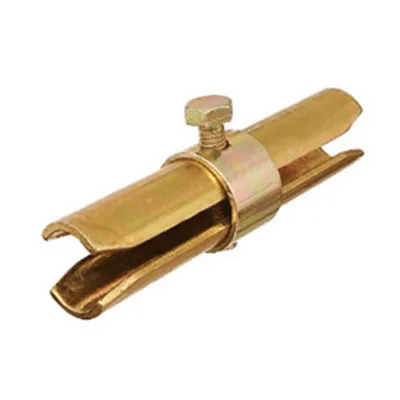


Comprehensive Sourcing Guide
Strategic Sourcing Guide for Right Angle Scaffolding Clamps
Navigating the global market for right angle scaffolding clamps requires a disciplined approach that prioritizes technical compatibility, material integrity, and supply chain reliability. These components, often referred to as couplers, serve as the critical connection points in temporary construction structures, ensuring that vertical and horizontal tubes remain rigid under load. For procurement professionals, the decision to source these items involves more than selecting a price; it demands a rigorous evaluation of how the clamp interacts with specific tube diameters, the metallurgical properties of the steel used, and the adherence to international safety standards. The following guide outlines the essential factors for sourcing right angle scaffolding clamps, grounded in observed product attributes and industry best practices.
Technical Specifications and Dimensional Compatibility
The primary technical consideration when sourcing right angle clamps is dimensional compatibility. Scaffolding systems rely on precise tolerances to ensure structural stability. Based on observed product data, the most common tube diameter associated with these clamps is 48.3mm, which is the standard metric size for scaffolding tubes in many regions. However, variations exist, with some specifications listing sizes of 60.3mm or 89mm, indicating that the market offers solutions for different structural frameworks. Buyers must verify that the clamp's internal geometry matches the specific outer diameter of the tubes they intend to connect.
Material composition is equally critical. The dominant raw material observed in high-quality listings is Q235 steel, a low-carbon structural steel known for its balance of strength and ductility. This material grade is essential for withstanding the dynamic loads and environmental stresses present on construction sites. The manufacturing process often involves forging, specifically drop forging, which aligns the grain structure of the steel to enhance tensile strength. This is distinct from cast or pressed alternatives, which may exhibit different failure modes under extreme stress.
Surface treatment is another vital specification that dictates the lifespan of the component. Observed data indicates a preference for Hot-Dip Galvanization, which provides a thick, durable zinc coating that offers superior corrosion resistance compared to electro-galvanization or simple zinc plating. The choice between these finishes often depends on the environmental conditions of the project site. For instance, coastal or high-humidity environments necessitate the thicker protection offered by hot-dip processes. Some listings also mention "Zinc Plate" as a finish, which may be suitable for indoor or short-term applications but requires careful evaluation for long-term outdoor use.
Compliance Standards and Verification Protocols
In the scaffolding industry, compliance is not merely a formality but a fundamental safety requirement. While general industry knowledge references standards such as EN74 and JIS 8951, procurement teams must verify specific certification claims against the actual product documentation. Observed product listings explicitly reference standards such as EN74-1 and BS1139, which are critical benchmarks for scaffolding couplers in European and British markets. These standards define the mechanical properties, load-bearing capacities, and testing procedures that the clamps must undergo.
When evaluating a supplier, buyers should request evidence of compliance with these specific standards rather than relying on generic claims. The presence of a "British Type" or "Japanese Type" designation in product keywords suggests that the manufacturer designs their clamps to meet specific regional regulatory frameworks. For example, a clamp labeled as "British Type" should align with the dimensional and performance criteria set forth in BS1139. Similarly, "Japanese Type" designs may adhere to JIS standards, which can differ in tolerance and load requirements.
It is important to note that while some suppliers may mention certifications like SGS or ISO 9001, these represent quality management systems or third-party inspection services rather than direct product performance guarantees. Buyers should treat these as indicators of a supplier's operational maturity but must still demand specific test reports related to the EN74-1 or BS1139 standards. The absence of explicit standard references in a product description should trigger a request for clarification, as the safety of the entire scaffolding structure relies on the integrity of these connections.
Cost Drivers and Pricing Dynamics
Understanding the cost structure of right angle scaffolding clamps is essential for budgeting and value analysis. The observed price range in the market spans from 0 to 20 USD, a wide variance that reflects differences in material quality, manufacturing processes, and order volumes. Several key factors drive these costs. First, the weight of the component is a direct indicator of material usage. Observed weights for similar clamps range from 0.5kg to 2.0kg, with specific models weighing 1.0kg, 1.2kg, 1.56kg, and 1.65kg. Heavier clamps typically utilize more steel and may involve more intensive forging processes, resulting in a higher unit cost.
Second, the surface treatment method significantly impacts pricing. Hot-dip galvanization is a more energy-intensive and material-heavy process compared to electro-galvanization or zinc plating. Consequently, clamps with hot-dip finishes generally command a premium. Buyers must weigh the initial cost against the expected service life; a slightly more expensive hot-dip clamp may offer a lower total cost of ownership by reducing replacement frequency due to corrosion.
Third, the Minimum Order Quantity (MOQ) plays a crucial role in the effective unit price. The observed MOQ range is extensive, spanning from 1 to 10,000 units. Small orders often incur higher per-unit costs due to setup fees and logistical inefficiencies, while bulk orders benefit from economies of scale. Additionally, packaging requirements, such as bagging 20 or 25 pieces per bag and palletizing 50 bags, add to the logistical cost. Buyers should consider the total landed cost, including packaging and shipping, rather than focusing solely on the base unit price.
Typical Applications and Structural Roles
Right angle clamps are versatile components used across various construction scenarios. Their primary function is to connect tubes at a 90-degree angle, forming the rigid corners of scaffolding frames. Observed data highlights several specific application contexts. The "Combined Scaffolding" and "Multi-Pole Scaffolding" attributes suggest these clamps are integral to complex, multi-level structures where stability is paramount. They are frequently used in "External Scaffolding" for building facades, providing a safe working platform for masons and painters.
The "Supporting Mode" attribute reveals that these clamps are used in both "Projecting Scaffolding" and "Suspended Scaffolding" configurations. In projecting scaffolding, the clamps must resist cantilever forces, requiring high tensile strength. In suspended scaffolding, they must withstand dynamic loads from workers and materials. Furthermore, the "Installation Scaffold" designation indicates their use in temporary structures erected specifically for the construction process itself, rather than permanent building features.
The "Lapping Form" attribute, such as "Double Scaffolding" or "Full Scaffolding," points to specific assembly methods where tubes overlap. The clamp must securely fasten these overlapping sections to prevent slippage. Additionally, the "Fixed" type designation implies that these clamps are designed for static applications where movement is not intended, contrasting with adjustable or sliding couplers used in other scaffolding systems. Understanding these specific roles helps buyers select the correct clamp for their project's structural demands.
Supplier Evaluation and Operational Capabilities
Selecting the right supplier involves assessing their production capabilities, customization options, and logistical reliability. A key observation from the product data is that "Customization" is available, allowing buyers to request specific modifications to the clamp design or finish. This is particularly valuable for projects with unique structural requirements or branding needs. Suppliers offering "OEM Service" can produce clamps under the buyer's brand, which is beneficial for large contractors looking to standardize their equipment.
Geographic origin is another factor to consider. The majority of observed products originate from China, with specific mentions of Rizhao, Shandong, a region known for its steel industry. While this indicates a strong manufacturing base, buyers should verify the specific factory capabilities and quality control measures in place. The "Move Method" attribute, such as "Attached Lifting Scaffolding," suggests that some suppliers may offer integrated solutions for moving heavy scaffolding structures, adding value to their service offering.
Packaging standards are also indicative of a supplier's professionalism. Observed packaging includes "Bag / Pallet," "Woven Bag," "Carton," and "Plywood Case." The choice of packaging affects the protection of the clamps during transit and the ease of handling on-site. A supplier that offers robust packaging, such as plywood cases for high-value orders, demonstrates a commitment to product integrity. Buyers should evaluate the supplier's ability to meet specific packing requirements to minimize damage and loss during shipping.
Quality Control and Long-Term Procurement Strategy
Ensuring consistent quality requires a proactive approach to inspection and testing. Buyers should implement a quality control plan that includes pre-shipment inspections and random sampling. Key metrics to verify include the weight of the clamps, the thickness of the galvanization layer, and the mechanical strength of the bolt and nut assembly. The observed weight variations, such as 1.56kg versus 1.2kg, highlight the need for strict adherence to specified weights to ensure that the clamps meet the intended load-bearing capacity.
Long-term procurement considerations involve building a relationship with suppliers who can provide consistent quality over time. The availability of "Forged Coupler" and "Pressed Coupler" options suggests that buyers should establish clear specifications regarding the manufacturing process to avoid receiving inferior pressed alternatives when forged ones are required. Additionally, the "Note: OEM Service Is Available" indicates that suppliers are willing to collaborate on product development, which can lead to improved designs and better performance over time.
Buyers should also consider the lifecycle of the clamps. Hot-dip galvanized clamps generally offer a longer service life, reducing the frequency of replacement and the associated costs. However, the initial investment is higher. A strategic approach involves calculating the total cost of ownership, factoring in the expected lifespan, maintenance requirements, and the cost of downtime due to equipment failure. By prioritizing quality and compliance over the lowest initial price, buyers can ensure the safety and efficiency of their scaffolding operations.
Conclusion
Sourcing right angle scaffolding clamps is a complex task that requires a deep understanding of technical specifications, regulatory compliance, and supply chain dynamics. By focusing on material quality, such as Q235 steel and hot-dip galvanization, and verifying adherence to standards like EN74-1 and BS1139, buyers can secure components that ensure structural safety. The wide range of observed prices and MOQs necessitates a careful analysis of total cost of ownership, while the availability of customization and OEM services offers opportunities for tailored solutions. Ultimately, a disciplined approach to supplier evaluation and quality control will result in a reliable supply of high-performance clamps, supporting the successful execution of construction projects.
FAQs
What material is used for right angle scaffolding clamps?
The clamps are made from Q235 steel, a low-carbon structural steel. This material provides the necessary strength and ductility for construction applications. Some listings specify Q235 as the raw material for drop-forged couplers.
Which standards do these scaffolding clamps comply with?
Products explicitly comply with EN74-1 and BS1139 standards. These benchmarks define mechanical properties and testing procedures for scaffolding couplers. Buyers should verify specific documentation for these standards rather than relying on generic claims.
How are the clamps finished to prevent corrosion?
The clamps feature Hot-Dip Galvanization or Electro Galvanization finishes. Hot-dip galvanization offers superior corrosion resistance for outdoor use. Some listings also mention Zinc Plate as a finish option for specific applications.
Can I customize the scaffolding clamps for my project?
Yes, customization is available for these scaffolding components. Suppliers offer OEM services to produce clamps under specific buyer brands. This allows for modifications to design or finish to meet unique structural requirements.
What is the typical weight of a right angle coupler?
Weights vary by model, ranging from 0.5kg to 2.0kg. Specific observed weights include 1.0kg, 1.2kg, 1.56kg, and 1.65kg depending on the size and type. Heavier clamps typically utilize more steel and intensive forging processes.
Which tube sizes do these clamps fit?
The clamps are designed for tube sizes including 48.3mm, 60.3mm, and 89mm. The 48.3mm diameter is the most common standard metric size for scaffolding tubes. Buyers must verify internal geometry matches their specific tube outer diameter.