Source Right Ergonomic Optical Mouse for Business, Fashion, Laptop
Compare 30 Right Ergonomic Optical Mouse options featuring Bluetooth or wired connections, optical positioning, and various DPI settings. Buyers can evaluate models with medium, big, or small sizes suitable for business, fashion, and laptop applications; compare the available evidence and request quotations based on your requirements.
Key considerations
Products List


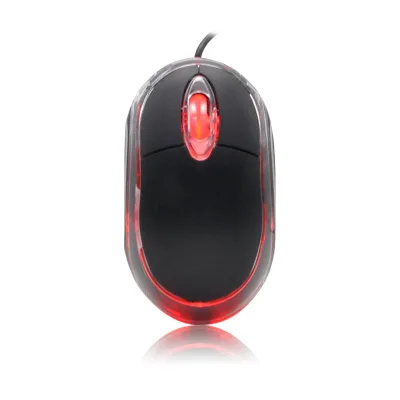
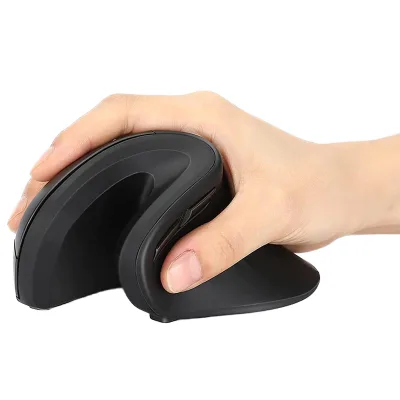


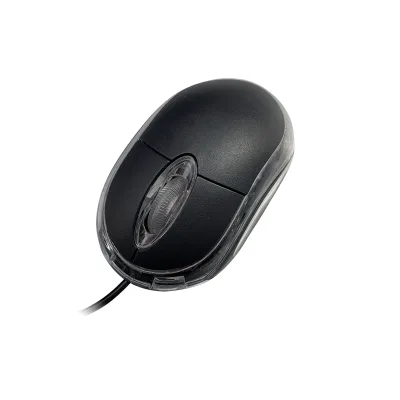
Promotional Business 1200dpi Adjustable Optical USB Wired Computer Mouse
$0.64 - $0.66
MOQ: 1515 Pieces


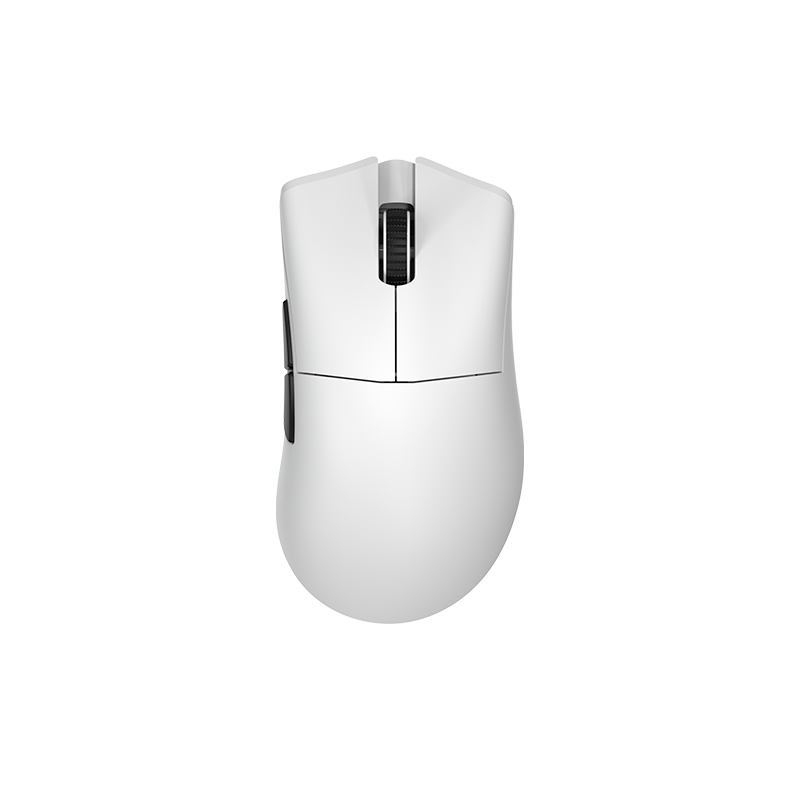
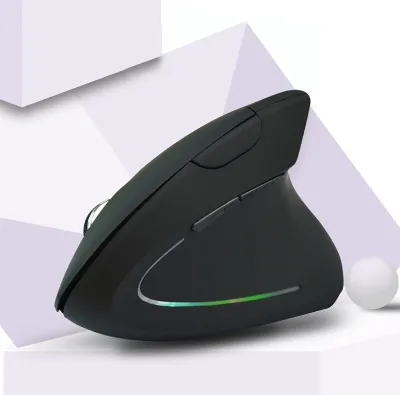
Comprehensive Sourcing Guide
Right Ergonomic Optical Mouse Sourcing Guide
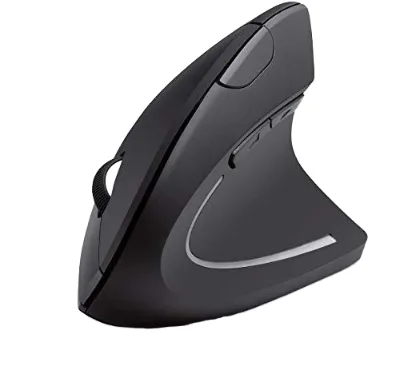
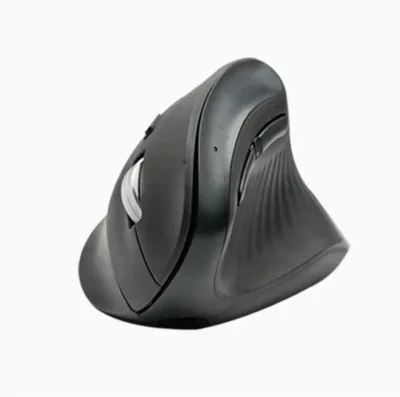
Procuring right-handed ergonomic optical mice requires balancing human-centric design with reliable optical tracking performance. Buyers must prioritize models that support right-hand ergonomics to reduce strain during extended business or fashion-oriented usage. The optical positioning principle ensures consistent cursor control without the maintenance issues of mechanical ball mice. This guide outlines critical verification steps for sourcing these peripherals effectively.
Sourcing decisions should account for the specific DPI ranges and connectivity options available in the market. While some models offer Bluetooth connectivity for Mac compatibility, others rely on wired connections for stability. Understanding these technical distinctions helps buyers select the appropriate hardware for their specific operational environment, whether it involves high-volume business deployments or specialized fashion-forward laptop accessories.
Product Scope and Observed Listing Signals
The current market landscape for right ergonomic optical mice reveals a diverse range of specifications tailored to different user needs. Observed listings indicate a price range from $0.17 to $100, reflecting variations in build quality, features, and order volumes. Minimum order quantities (MOQs) vary significantly, ranging from single units to 10,000 pieces, allowing flexibility for both small-scale trials and large industrial procurement contracts.
Product attributes highlight key differentiators such as customization availability, DPI settings, and physical dimensions. Models are categorized by size, including small, medium, and big options, with specific dimensions like 905239mm or 1156338mm. These physical specifications are crucial for ensuring the mouse fits comfortably in the right hand, addressing ergonomic requirements while maintaining a compact footprint for portable use cases.
Technical Specifications to Verify
Buyers must verify the optical positioning principle and DPI settings to ensure adequate tracking performance. Common DPI values observed include 800, 1000, and 1200, with some models supporting adjustable settings like 800/1000/1200 DPI. Higher DPI options, such as 2000 DPI, may be available for users requiring greater precision. Confirming these specifications prevents mismatches between user expectations and actual device performance.
Connectivity and compatibility are equally critical technical factors. Some mice feature Bluetooth connectivity, specifically noted for Mac compatibility, while others use wired connections for universal plug-and-play functionality. Additionally, verify the number of buttons, typically three, and the presence of features like tilt wheels or plastic scroll mechanisms. These details influence user experience and should align with the intended application, whether for business efficiency or general computer use.
Compliance and Safety Documentation
Ensuring regulatory compliance is essential for importing electronic peripherals into various markets. Buyers should request documentation confirming adherence to relevant safety and environmental standards. Common certifications observed in this category include CE and RoHS, which indicate conformity with European health, safety, and environmental protection standards. Verifying these certifications mitigates legal risks and ensures the products meet mandatory market entry requirements.
Beyond certifications, buyers must assess the material composition and manufacturing standards. Products are typically constructed from plastic, which should be free from harmful substances as per RoHS guidelines. Additionally, checking for ISO 9001 compliance, although low-confidence in general listings, can indicate a supplier’s commitment to quality management systems. Requesting test reports or certificates from accredited laboratories provides tangible proof of compliance and product safety.
Cost Drivers and Commercial Terms
Several factors influence the final cost of right ergonomic optical mice, including material quality, feature complexity, and order volume. Higher DPI settings, Bluetooth connectivity, and ergonomic designs may command premium prices compared to basic wired models. Buyers should analyze the price-to-feature ratio to determine value, considering that prices range widely from $0.17 to $100 depending on these variables.
Commercial terms such as MOQs and lead times significantly impact procurement planning. MOQs can range from 1 to 10,000 pieces, affecting inventory management and cash flow. Lead times typically span 15 to 20 days, requiring advance planning for stock replenishment. Understanding these terms helps buyers negotiate favorable conditions and align supplier delivery schedules with their sales forecasts and operational needs.
Supplier Qualification and Quality Control
Evaluating supplier capabilities is crucial for ensuring consistent product quality and reliable supply chains. Buyers should verify the supplier’s origin, with many manufacturers located in Shenzhen, China, a hub for electronics production. Assessing their production capacity, quality control processes, and customization capabilities ensures they can meet specific branding or technical requirements. Requesting samples before bulk ordering allows for hands-on evaluation of ergonomics and build quality.
Quality control measures should include inspections for physical defects, button responsiveness, and optical tracking accuracy. Suppliers offering customization options provide flexibility for branding, but buyers must ensure that customizations do not compromise the core ergonomic design or optical performance. Establishing clear quality acceptance criteria and conducting pre-shipment inspections helps minimize the risk of receiving substandard products and maintains brand reputation.
Long-Term Procurement Checks
Sustainable procurement practices require ongoing monitoring of supplier performance and product lifecycle. Buyers should track key performance indicators such as defect rates, delivery punctuality, and responsiveness to issues. Regular audits or reviews of supplier quality systems ensure continued compliance with standards and maintain product consistency over time. Building a strong relationship with suppliers facilitates better communication and problem resolution.
Additionally, staying informed about market trends and technological advancements helps buyers make informed future purchasing decisions. As ergonomic designs and optical technologies evolve, suppliers may introduce new features or improved models. Regularly reviewing product specifications and user feedback ensures that the sourced mice remain relevant and effective for end-users. This proactive approach supports long-term procurement success and customer satisfaction.
FAQs
Can I customize Right Ergonomic Optical Mouse designs?
Yes, customization is available for right ergonomic optical mice. Buyers can request specific modifications to meet unique business requirements. This flexibility allows companies to tailor products for their target audience. Custom options may include branding, packaging, or minor feature adjustments. Contact suppliers directly to discuss your specific customization needs and feasibility.
What DPI options are available for these mice?
Available DPI settings include 800, 1000, 1200, and 2000. These options cater to various usage scenarios, from basic office tasks to more precise work. Higher DPI values offer greater cursor sensitivity. Select the appropriate DPI based on your specific application type. This range ensures versatility for different user preferences and operational demands.
What is the typical lead time for orders?
The typical lead time ranges from 15 to 20 days. This duration allows for production and quality assurance processes. Buyers should plan their inventory accordingly to avoid delays. Expedited options may be available depending on supplier capacity. Confirm the exact timeline with your chosen manufacturer before finalizing purchase agreements to ensure timely delivery.
Which certifications do these optical mice hold?
These mice typically hold CE and RoHS certifications. These standards ensure compliance with safety and environmental regulations. CE marking indicates conformity with health, safety, and environmental protection standards. RoHS compliance restricts hazardous substances in electrical equipment. Verify specific certification documents with suppliers to ensure they meet your regional regulatory requirements.
What is the minimum order quantity for these products?
The minimum order quantity is 1000 pieces. This MOQ applies to standard production runs. Buyers seeking smaller quantities may need to check stock availability. Bulk orders often benefit from more competitive pricing structures. Ensure your order volume meets the supplier's minimum requirements to proceed with manufacturing and shipping arrangements.
How are these mice packaged for shipping?
Packaging varies by model, with options like color boxes or blister packs. Bulk cartons contain multiple units, such as 100 or 200 pieces per carton. Weight and dimensions are specified for logistics planning. Proper packaging protects the mice during transit. Confirm packaging details with suppliers to ensure they meet your storage and distribution requirements.