Source Rotational Moulded Insulated Ice Chest for Travel, Camping, and Food Storage
Find 30 Rotational Moulded Insulated Ice Chest options from China. Compare capacities from 30L to 75L, ice detention times up to 100 hours, and materials like PP and PE for outdoor, garden, and travel applications; compare the available evidence and request quotations based on your requirements.
Updated
Key considerations
Products List
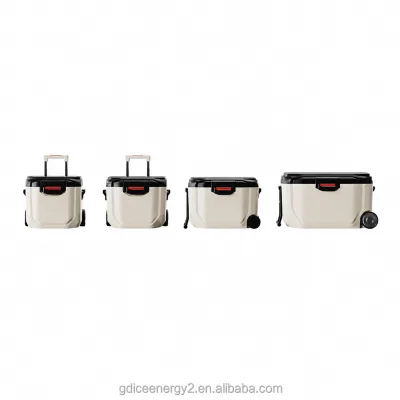
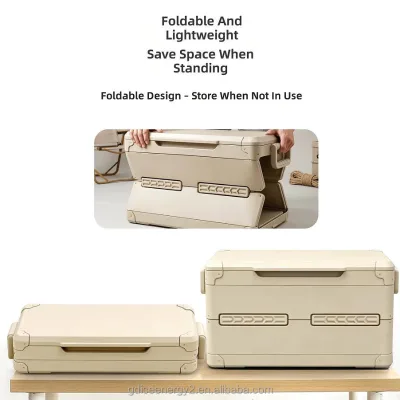
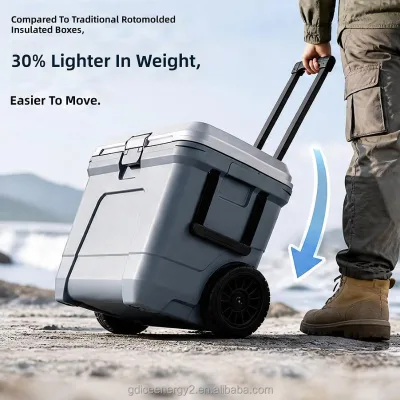
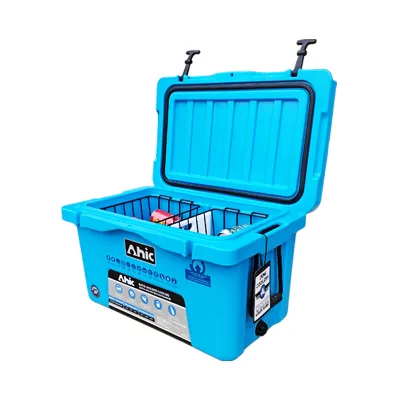
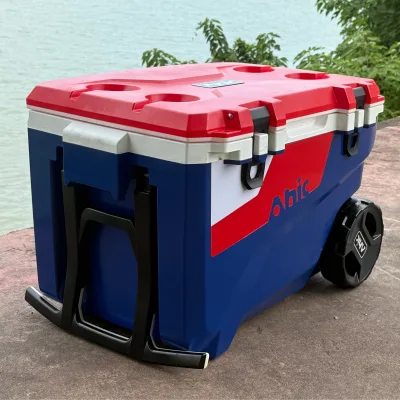
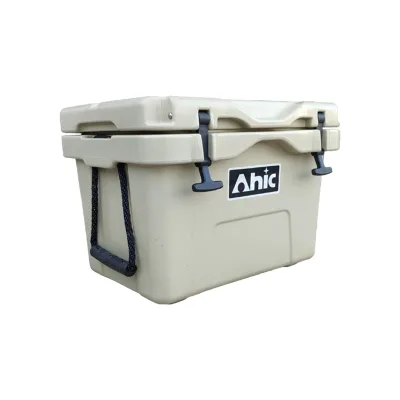
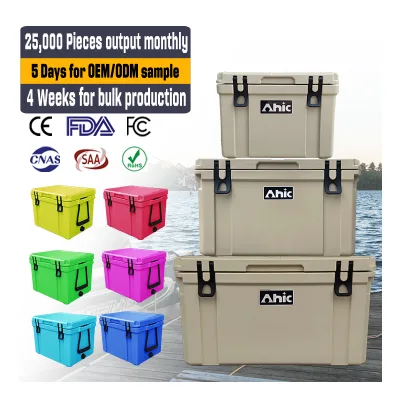
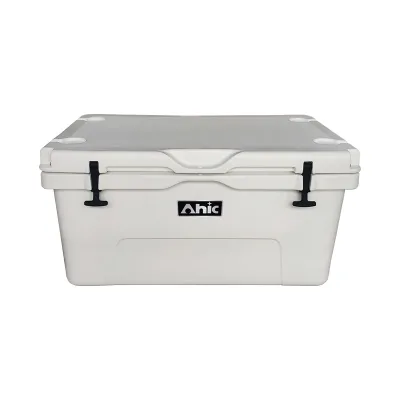
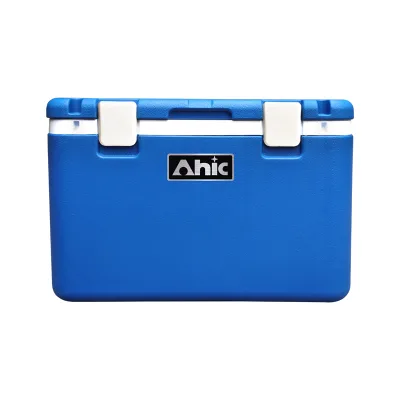


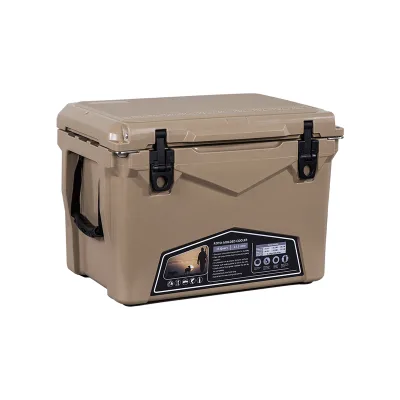
Insulated Type Rotomolded Coolers Ice Chest Cooler Box, Plastic Cooler Box
$52.00 - $54.00
MOQ: 50 Pieces


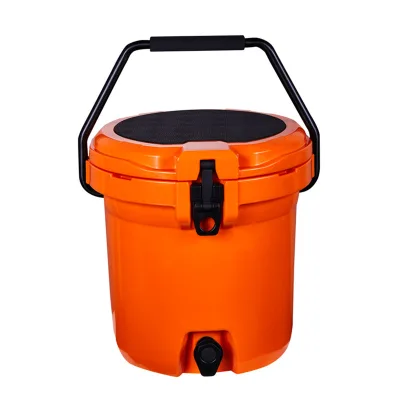
Outdoor Roto-Molded Ice Chest Insulated Portable Cooler Box for Fishing
$62.50 - $65.00
MOQ: 50 Pieces

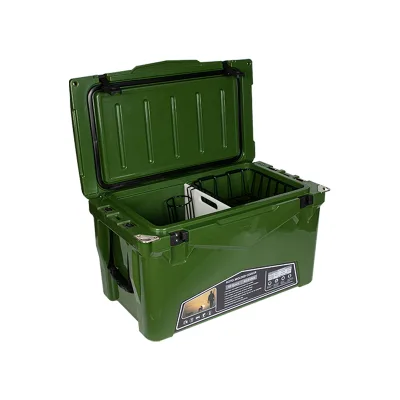
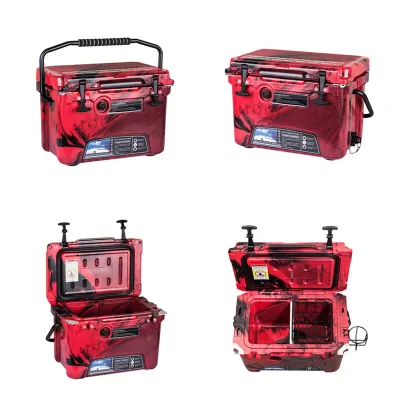
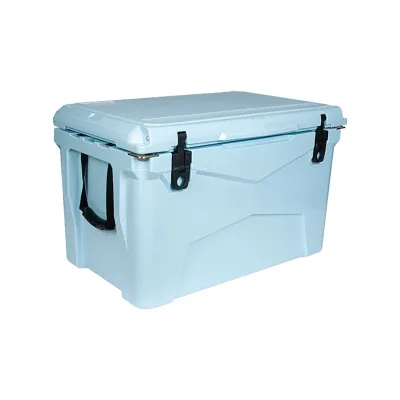

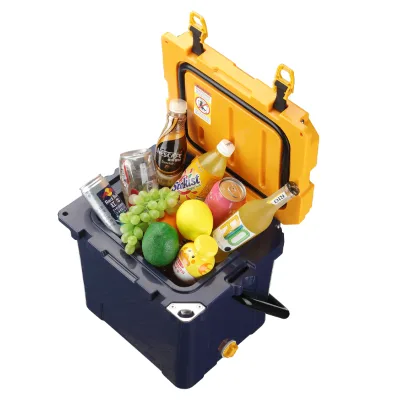


Food-Grade EPS Foam Cooler Box High-Density Insulated Ice Chest for Cold Storage
$23.00 - $26.00
MOQ: 200 Pieces

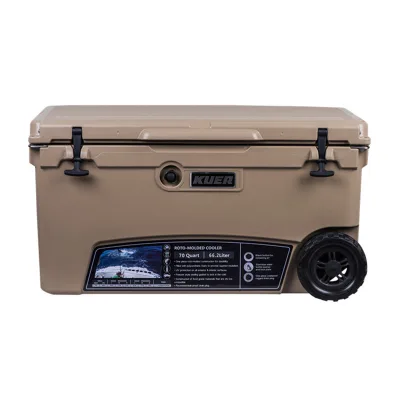
160L Plastic Insulated Ice Cooling Chest Cooler Box for Outdoor Camping Picnic
$110.00 - $154.00
MOQ: 100 Pieces
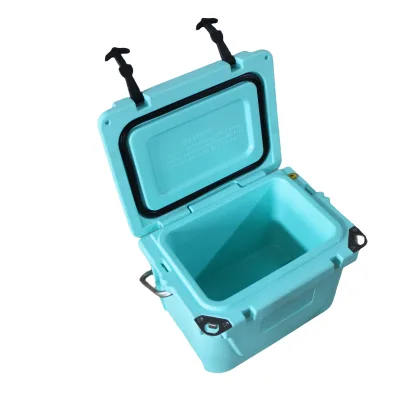
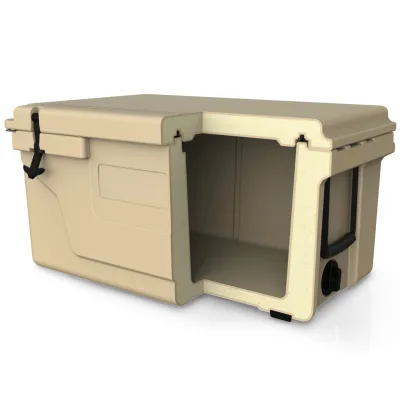
Comprehensive Sourcing Guide
Rotational Moulded Insulated Ice Chest Sourcing Guide
Rotational moulded insulated ice chests represent a robust category of cold storage solutions designed for demanding outdoor and commercial environments. These units leverage advanced manufacturing techniques to create seamless, durable containers capable of maintaining low temperatures for extended periods. Buyers in the food service, travel, and outdoor recreation sectors increasingly rely on these products for their superior insulation properties and structural integrity. The core appeal lies in the ability to keep contents cold for days without continuous ice replenishment, making them ideal for camping, garden parties, and long-haul transport scenarios.
The market offers a diverse range of capacities and styles, catering to both individual consumers and bulk procurement needs. From compact 30-liter models to large 75-liter units, the variety allows buyers to select products that match specific logistical requirements. Modern design aesthetics combined with functional features like portability and foldability enhance their utility. Understanding the specific technical attributes and material compositions is essential for making informed purchasing decisions that align with operational goals and budget constraints.
Product Scope and Observed Listing Signals
The observed product listings indicate a wide spectrum of capacities, ranging from 30 liters to 75 liters, with some specific models noted at 35 quarts or 52 liters. These variations suggest that suppliers cater to different use cases, from personal travel to larger group activities. The materials commonly cited include polypropylene (PP), polyethylene (PE), and polyurethane (PU) foam, which contribute to the insulation efficiency and durability of the boxes. Buyers should note that while some listings mention absorption refrigeration, the primary function remains passive insulation, relying on ice or cold packs for temperature maintenance.
Color options are extensive, including beige, gray, yellow, black, purple, white, army green, dark gray, sky blue, and solid colors. This variety supports branding opportunities for OEM/ODM clients who wish to customize the appearance of their products. The shape is predominantly rectangular, optimizing space utilization in vehicles and storage areas. Some models are described as foldable, offering additional convenience for storage when not in use. The presence of non-slip rubber feet on certain models indicates a focus on stability during transport and use, enhancing safety and usability in various environments.
Technical Specifications to Verify
Verifying the ice detention time is critical for assessing the performance of these insulated chests. Listings indicate retention periods ranging from 48 hours to up to 100 hours, with some specific claims of cold retention for five to six days. Buyers must confirm these figures through independent testing or supplier-provided data sheets, as performance can vary based on ambient temperature and usage patterns. The model numbers, such as 30L, 40L, 48L, 75L, and specific codes like 52L-ai or AH45, help in identifying exact product specifications and ensuring consistency across orders.
The construction method, often rotational moulding, contributes to the seamless and durable nature of these boxes. This process eliminates weak points found in welded seams, enhancing longevity and leak resistance. Buyers should verify the single package dimensions and gross weight, such as 70x45x44 cm and 28 kg for certain models, to plan logistics and storage efficiently. The inclusion of features like portable handles and foldable designs adds to the functional value, but these should be confirmed against specific product requirements to ensure they meet operational needs.
Compliance and Safety Documentation
Compliance with international standards is a key consideration for B2B buyers, especially when exporting or selling in regulated markets. The presence of BSCI certification in some listings indicates adherence to social compliance standards, which is crucial for ethical sourcing practices. Buyers should request valid certification documents to verify the supplier’s commitment to labor rights and workplace safety. Additionally, material safety certifications may be required to ensure that the plastics and foams used are free from harmful substances, particularly for products intended for food storage.
While specific food-grade certifications are not explicitly listed in the provided facts, buyers should proactively inquire about compliance with relevant food contact regulations. This ensures that the materials used in the cooler boxes do not leach harmful chemicals into stored food or beverages. Documentation such as material safety data sheets (MSDS) and test reports from accredited laboratories can provide assurance of product safety. Maintaining a robust compliance framework helps mitigate risks and enhances the brand’s reputation in the global market.
Cost Drivers and Commercial Terms
The price range for these insulated ice chests varies significantly, observed between 23 and 360 USD, reflecting differences in capacity, material quality, and additional features. Higher-priced models may offer superior insulation performance, larger capacities, or custom branding options. Buyers should analyze the cost per unit against the expected lifespan and performance metrics to determine the true value. Minimum order quantities (MOQ) also play a crucial role in pricing, with observed ranges from 1 to 200 units, and specific models requiring MOQs of 30 pieces.
Commercial terms such as OEM/ODM support and packaging options can influence the final cost. Suppliers that warmly welcome customization may charge additional fees for mold creation or design changes. Buyers should negotiate clear terms regarding packaging, which is noted as supportive, to ensure products arrive in good condition. Understanding the total landed cost, including shipping and duties, is essential for accurate budgeting. Transparent communication about pricing structures helps avoid unexpected expenses and ensures a smooth procurement process.
Supplier Qualification and Quality Control
Selecting a reliable supplier is paramount for ensuring consistent product quality and timely delivery. Buyers should verify the supplier’s place of origin, with many products originating from China, particularly Guangdong province, a hub for manufacturing. Assessing the supplier’s production capabilities, including rotational moulding technology, is essential for evaluating their ability to meet specific quality standards. Requesting samples before placing bulk orders allows buyers to inspect the build quality, insulation performance, and overall finish of the products.
Quality control processes should be clearly defined and agreed upon with the supplier. This includes inspections during production and before shipment to identify any defects or deviations from specifications. Buyers should inquire about the supplier’s quality management systems and their approach to handling non-conforming products. Establishing a strong relationship with the supplier through regular communication and feedback can lead to continuous improvement and better service. Due diligence in supplier qualification helps mitigate risks and ensures a successful procurement outcome.
Long-Term Procurement Checks
Long-term success in sourcing rotational moulded insulated ice chests requires ongoing monitoring and evaluation of supplier performance. Buyers should track key performance indicators such as delivery times, product defect rates, and responsiveness to issues. Regular audits of the supplier’s facilities and processes can help maintain high standards and identify areas for improvement. Building a diversified supplier base can reduce dependency on a single source and provide flexibility in case of supply chain disruptions.
Feedback from end-users and market trends should also inform procurement decisions. As consumer preferences evolve, suppliers may need to adapt their product offerings to meet new demands. Staying informed about industry developments and technological advancements can help buyers stay competitive. Establishing a structured review process for supplier relationships ensures that procurement strategies remain aligned with business goals. Continuous improvement and proactive management are key to sustaining a successful and resilient supply chain.
FAQs
What materials are used in these coolers?
These coolers are constructed from durable PP, PE, and PU materials. The use of polypropylene and polyethylene ensures structural integrity and impact resistance. Polyurethane insulation provides effective thermal retention. This combination supports the foldable and portable design requirements for outdoor and travel applications while maintaining eco-friendly standards.
How long can the ice be detained?
The ice detention time ranges from 48 to 100 hours depending on the specific model and environmental conditions. Some units are rated for up to two days of cold retention. This performance is achieved through rotational molding techniques and thick insulation layers, ensuring reliable temperature maintenance for food, wine, and cans during extended outdoor activities.
What capacities are available for these boxes?
Available capacities include 30L, 40L, 48L, 52L, and 75L options. Specific models like the 52L-ai and AH45 cater to different storage needs. The 35qt variant is also listed. These sizes accommodate various uses such as travel, garden parties, and hospital transport, allowing buyers to select the optimal volume for their specific logistical or recreational requirements.
Can I get custom branding on these coolers?
Yes, OEM and ODM services are warmly welcomed for these products. Buyers can request custom branding, colors, and patterns. Options include solid colors, letter patterns, and specific hues like beige, gray, or army green. This customization capability allows businesses to tailor the modern or classic style coolers to their brand identity and market positioning effectively.
What certifications do these suppliers hold?
Suppliers for these coolers hold BSCI certification, indicating compliance with social responsibility standards. This certification is relevant for buyers requiring ethical sourcing verification. The products originate from Guangdong, China, and are manufactured using rotational molding processes. Buyers should verify specific factory audits and compliance documents directly with the suppliers to ensure alignment with their corporate social responsibility policies.
What is the typical MOQ for orders?
The minimum order quantity varies, with observed values ranging from 1 to 200 pieces. Specific models may have an MOQ of 30 pieces. Buyers should confirm the exact MOQ for their desired capacity and color options. Lower MOQs are available for standard items, while larger orders may benefit from volume pricing and streamlined logistics from the Chinese manufacturing base.