Source Rotational Moulding Kids Indoor Slide with Ocean Ball for Playgrounds, Schools, and Malls
Find and compare 30 Rotational Moulding Kids Indoor Slide with Ocean Ball options from verified Chinese manufacturers. Evaluate features like CE certification, custom designs, and durable plastic construction to select the best fit for your commercial play area.
Key considerations
Products List


Ultimate Large Outdoor Playgrounds with Thrilling Slides for Kids
$50.00 - $290.00
MOQ: 1 Square Meters

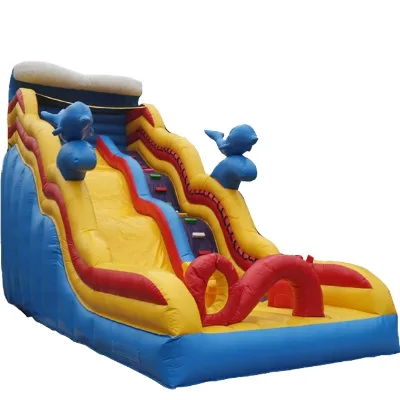
Ultimate Inflatable Water Slides for Kids' Indoor and Outdoor Play
$50.00 - $290.00
MOQ: 1 Square Meters




Comprehensive Sourcing Guide
Rotational Moulding Kids Indoor Slide with Ocean Ball Sourcing Guide
Sourcing rotational moulding kids indoor slides with ocean ball pits requires a careful balance between structural integrity, safety compliance, and aesthetic customization. These play structures are typically designed for high-traffic commercial environments such as supermarkets, amusement parks, and indoor play centers, where durability and visual appeal are paramount. The rotational moulding process ensures a seamless, hollow plastic construction that is highly resistant to impact and weathering, making it suitable for both indoor and outdoor applications. Buyers must prioritize suppliers who offer original factory production to ensure consistent quality control and material integrity throughout the manufacturing lifecycle.
The procurement process involves verifying specific technical attributes, such as the use of PE PP materials and the inclusion of safety features like antiskid designs. Since these units are often customized for specific areas, buyers need to confirm that the supplier accepts design modifications based on available floor space. The presence of ocean ball entertainment projects and cartoon character themes indicates a focus on engaging young children, typically within the 3-12 years age range. Understanding these core operational and aesthetic requirements is essential for selecting a product that meets both safety standards and customer expectations in commercial play environments.
Product Scope and Observed Listing Signals
The observed market signals indicate a diverse range of models available for procurement, with product codes such as TY-2501, TY-231101, and TY-240927 representing different configurations. Prices observed in the market range from 50 to 11,000 USD, reflecting variations in size, complexity, and material thickness. Minimum order quantities (MOQ) are generally flexible, ranging from 1 to 20 units, which allows for both single-unit pilot installations and larger commercial rollouts. Buyers should note that while some listings specify exact dimensions, others offer custom design services, requiring closer collaboration with the supplier to finalize specifications.
Customization is a key feature in this category, with suppliers offering adjustable colors, customized designs, and tailored entertainment projects. The structures are often described as having multiple floors, such as a 3-floor design, to maximize play value within a given footprint. Packaging methods vary, with options including cotton inside and poly film outside, export packing, or cotton cloth and bubble film packaging, all aimed at protecting the product during transit. These signals suggest that buyers should clearly define their spatial constraints and aesthetic preferences early in the sourcing process to avoid misalignment with supplier capabilities.
Technical Specifications to Verify
Verifying the productive technology is critical, as rotational moulding provides a distinct advantage in terms of seamlessness and durability compared to other plastic forming methods. Buyers should confirm that the material properties include PE PP, which offers excellent impact resistance and flexibility, essential for children's play equipment. The structure should be evaluated for its service life, with typical expectations ranging from 8 to 10 years under normal commercial use. Additionally, the security attributes, such as antiskid designs, must be verified to ensure that the slide surfaces provide adequate traction for children, reducing the risk of accidents during play.
Dimensional specifications and model numbers should be cross-referenced with the supplier’s technical drawings to ensure compatibility with the intended installation site. For instance, some models may have specific standard dimensions like 355 or 4.5763.6, while others are fully customizable. The allowable passenger capacity, often listed as 1-5 or higher, should be matched against the expected foot traffic of the venue. Buyers must also verify the installation requirements, including the provision of installation drawings and guides, to ensure that the setup process is straightforward and does not require specialized engineering support beyond standard assembly.
Compliance and Safety Documentation
Safety certification is non-negotiable for commercial play equipment, and buyers must verify that the products hold valid CE, GS, ISO, and TÜV certifications. These certifications indicate that the equipment meets European and international safety standards for mechanical, electrical, and chemical safety. The presence of these marks ensures that the materials used are non-toxic and that the structural integrity has been tested under rigorous conditions. Buyers should request copies of these certificates and verify their validity with the issuing bodies to avoid counterfeit documentation.
In addition to certifications, the product standards and allowable passenger limits must be clearly documented in the supplier’s technical files. The condition of the product should be confirmed as new, and any warranties, such as a 1-year warranty period, should be explicitly stated in the contract. Buyers should also inquire about the specific standards applied, such as those related to galvanized pipes, PVC foam, PE nets, and EV materials, which contribute to the overall safety and durability of the structure. Ensuring that all safety documentation is complete and up-to-date is essential for liability protection and regulatory compliance in the destination market.
Cost Drivers and Commercial Terms
The cost of rotational moulding kids indoor slides is influenced by several factors, including the complexity of the design, the thickness of the plastic material, and the level of customization required. Models with multiple floors, integrated ocean ball pits, and cartoon character themes tend to be more expensive due to the increased material usage and manufacturing time. Buyers should also consider the packaging costs, as specialized packaging like cotton cloth and bubble film may add to the overall expense but is necessary for protecting the product during shipping.
Commercial terms such as delivery time and payment conditions should be negotiated carefully, with typical lead times ranging from 20 to 25 days. Buyers should clarify whether the quoted price includes installation services or if these are provided separately. The origin of the product, often from Guangdong or Zhejiang in China, can also impact logistics costs and lead times. It is advisable to request a detailed breakdown of costs, including manufacturing, packaging, and shipping, to ensure transparency and avoid hidden fees that could affect the total cost of ownership.
Supplier Qualification and Quality Control
Selecting a supplier with a strong track record in rotational moulding is crucial for ensuring product quality and consistency. Buyers should verify that the supplier operates an original factory rather than a trading company, as this ensures direct control over the manufacturing process and quality assurance. The supplier’s ability to provide design services based on the buyer’s area specifications is a valuable asset, allowing for tailored solutions that fit unique spatial constraints. Buyers should also assess the supplier’s experience in exporting to their target market, as this indicates familiarity with international shipping and compliance requirements.
Quality control measures should be clearly defined, including pre-production samples and final inspections before shipment. Buyers should request detailed information on the production process, including the use of high-quality raw materials and rigorous testing procedures. The supplier’s commitment to after-sales service, including the provision of installation guides and technical support, is also an important factor. Establishing a clear communication channel with the supplier’s quality assurance team can help resolve any issues that may arise during production or installation, ensuring a smooth procurement experience.
Long-Term Procurement Checks
Long-term success in sourcing rotational moulding kids indoor slides depends on establishing a reliable supply chain and maintaining strong relationships with suppliers. Buyers should conduct regular audits of the supplier’s production facilities and quality control processes to ensure ongoing compliance with safety standards. Monitoring the supplier’s ability to meet delivery times and maintain consistent product quality is essential for minimizing disruptions in commercial operations. Buyers should also stay informed about changes in safety regulations and industry standards to ensure that their equipment remains compliant over time.
Feedback from end-users and maintenance staff should be regularly collected to identify any potential issues with the product’s performance or durability. This information can be used to negotiate improvements with the supplier and to refine future procurement decisions. Buyers should also consider the availability of spare parts and the supplier’s willingness to provide ongoing technical support. By maintaining a proactive approach to supplier management and quality assurance, buyers can ensure that their investment in rotational moulding kids indoor slides delivers long-term value and safety for children in commercial play environments.
FAQs
What materials are used for the rotational moulding slide?
The product is constructed from plastic materials, specifically PE and PP properties, ensuring durability for children aged 3 to 12 years. This construction supports the rotational moulding technology used to create the ocean ball pit and slide structure safely.
Can the slide design be customized for my area?
Yes, customized design is acceptable, and you can design the unit according to your specific area requirements. Colors can also be customized to match your venue, ensuring the product fits your unique space and branding needs perfectly.
What certifications does the indoor slide hold?
The product holds CE certification, and some models include GS, ISO, and TUV certifications as well. These standards ensure the equipment meets safety requirements for amusement parks and supermarkets where it is suitable for use.
How long is the delivery time for this equipment?
The standard delivery time ranges from 20 to 25 days after order confirmation. This lead time applies to the production and export packing process, which includes cotton inside and poly film outside protection for safe transit.
Is installation support provided for the ocean ball slide?
Installation drawings and guides are provided to assist with the setup process. The product is designed for easy assembly, and the factory offers original factory support to ensure the structure is built correctly for long-term use.
What is the warranty period for the new slide?
The warranty period is 1 year for the new condition product. This coverage applies to the structural integrity and materials, ensuring reliability for the 8 to 10-year service life expected from this outdoor and indoor equipment.