Source Waterproof UV Resistant Camping Tent for Party, Beach, Relief
Find a Waterproof UV Resistant Camping Tent for party, beach, and relief use. Compare 30 models with features like single or double skin structures, various fabric materials, and customizable capacities to find the right supplier; compare the available evidence and request quotations based on your requirements.
Updated
Key considerations
Products List


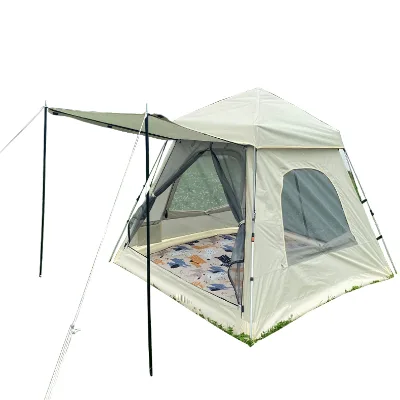
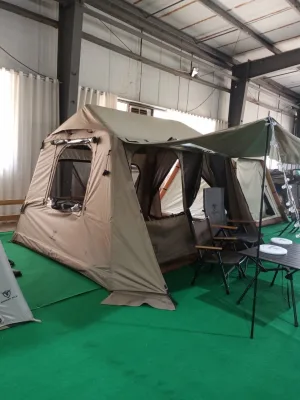
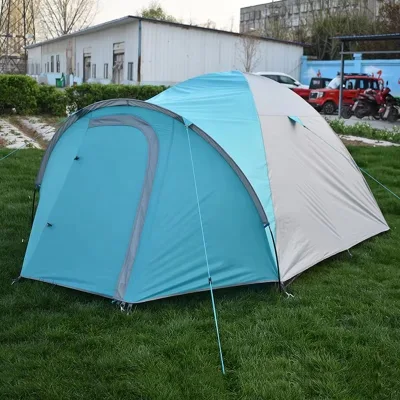
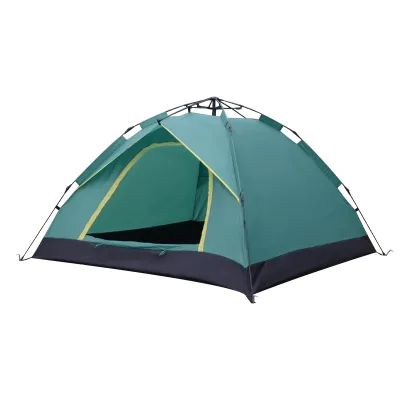



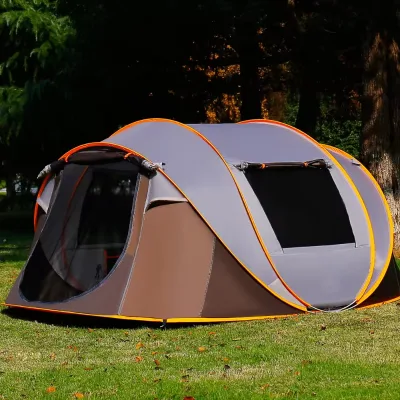

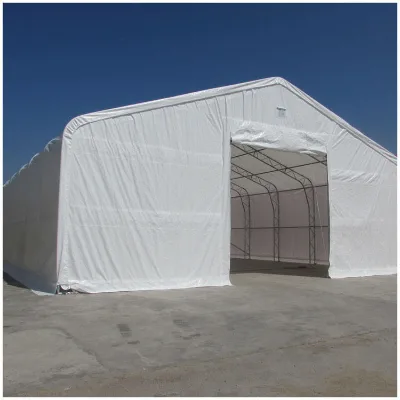
Large PVC Tarpaulin Tent Waterproof Camping Outdoor
$0.68 - $2.68
MOQ: 1000 Square Meters
Shijiazhuang Jinze Plastic Tarpaulins Manufacturing Co., Ltd.
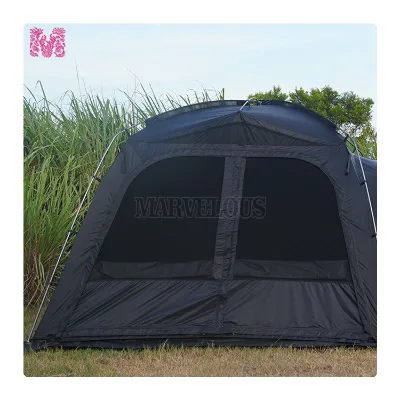
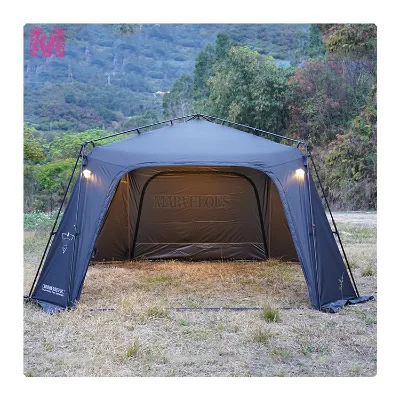
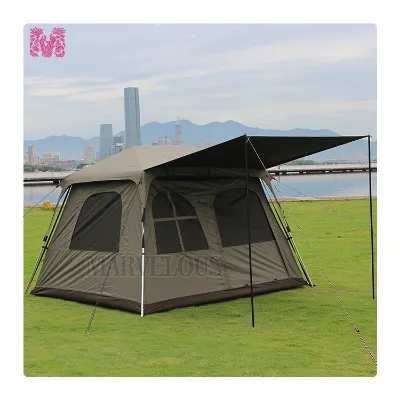

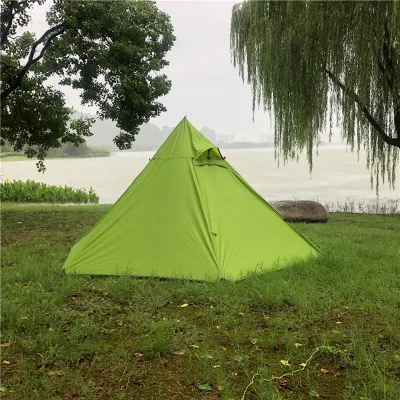
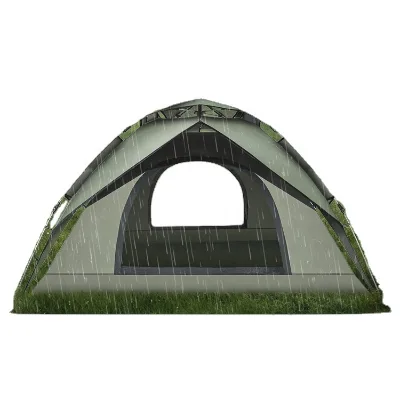


Windproof Waterproof Uvprotection 4 Season Luxury Outdoor Camping Waterproof Bell Tent
$162.00 - $164.00
MOQ: 6 Pieces
Comprehensive Sourcing Guide
Waterproof UV Resistant Camping Tent Sourcing Guide
Procuring reliable shelter solutions requires a disciplined approach to material selection and structural integrity, particularly when the primary use case involves exposure to harsh environmental conditions. Buyers must prioritize tents that combine waterproofing capabilities with UV resistance to ensure longevity and user safety during extended outdoor activities. The market offers a variety of configurations, from single-skin designs suitable for quick deployment to double-skin structures that provide enhanced thermal regulation and condensation management. Understanding these fundamental differences is the first step in aligning product specifications with specific operational needs, whether for commercial events, emergency relief, or recreational camping.
This guide focuses on evidence-based verification of product attributes, ensuring that procurement decisions are grounded in observable data rather than marketing claims. By examining the interplay between fabric materials, frame technologies, and dimensional standards, buyers can mitigate risks associated with premature failure or performance gaps. The following sections detail the critical technical parameters, compliance requirements, and commercial considerations that define a robust sourcing strategy for high-performance camping tents. This structured approach enables procurement teams to evaluate suppliers effectively and secure inventory that meets rigorous quality and durability expectations.
Product Scope and Observed Listing Signals
The current market landscape for camping tents reveals a diverse range of models, each tailored to specific capacity and usage scenarios. Observed listings indicate a product count of thirty distinct items, with prices ranging from $0.68 to $9,000 USD, reflecting significant variation in quality, size, and intended application. Minimum order quantities (MOQs) typically span from one to one thousand units, offering flexibility for both small-scale retailers and large institutional buyers. These signals suggest a highly segmented market where buyers must carefully match their volume requirements and budget constraints with the appropriate product tier to achieve optimal value and operational efficiency.
Key attributes observed across these listings include customization options, single and double-skin structures, and specific usage classifications such as traditional, party, relief, and beach applications. Many products feature waterproof polyester-cotton or Oxford fabrics, often paired with reinforced PVC or ultralight TPU air beams for structural support. Deployed dimensions vary widely, with common configurations including models like YT37 at 590x360x250cm and YT23 at 300x210x200cm. These variations highlight the importance of verifying exact packed and deployed sizes to ensure logistical compatibility and adequate space for intended user groups, preventing mismatches between supplier claims and physical reality.
Technical Specifications to Verify
Verifying technical specifications is paramount to ensuring that the selected tent meets performance expectations under real-world conditions. Buyers should meticulously review fabric material compositions, such as waterproof polyester-cotton canvas or silver-coated Oxford cloth, to confirm adequate water resistance and durability. Frame materials, including reinforced PVC air beams or ultralight TPU columns, must be assessed for thickness and diameter, with observed data indicating TPU air columns with a thickness of 0.52mm and a diameter of 15cm. These structural elements directly influence the tent’s stability and wind resistance, making precise verification of material grades and construction methods essential for long-term reliability.
Dimensional accuracy and packing efficiency are equally critical technical factors that impact both user experience and logistics costs. Deployed dimensions should be cross-referenced with packed dimensions to assess space utilization, with examples showing packed sizes ranging from 74x42x39cm to 90x55x45cm. Buyers must also verify the inclusion of essential accessories, such as pumps, peg packs, carry bags, and repair kits, which are often listed as standard packing items. Additionally, checking for specific design features like ridge tops, double-layered PVC mesh floors, and mesh counts (e.g., 200 G) provides insight into ventilation and pest protection capabilities, ensuring the tent offers comprehensive protection against environmental elements.
Compliance and Safety Documentation
While specific certification statuses are not explicitly detailed in the provided context, buyers must proactively request relevant safety and compliance documentation from suppliers to mitigate liability and ensure product safety. This includes verifying that materials meet international standards for flammability, chemical safety, and environmental impact, particularly for tents intended for commercial or public use. Buyers should inquire about test reports for waterproofing integrity, UV resistance ratings, and structural load-bearing capacity to confirm that the tent can withstand expected environmental stresses without failure. Establishing a clear requirement for documented compliance helps protect against regulatory penalties and enhances brand reputation by demonstrating a commitment to safety and quality.
Furthermore, procurement teams should ensure that suppliers provide clear labeling and instruction manuals that comply with destination market regulations. This includes accurate hazard warnings, assembly instructions, and maintenance guidelines that are presented in the local language. Buyers must also verify that the supplier adheres to ethical manufacturing practices and provides traceability for raw materials, such as the origin of the polyester-cotton fabric or TPU components. By demanding comprehensive documentation, buyers can build a defensible supply chain that prioritizes user safety and regulatory adherence, reducing the risk of product recalls or legal disputes associated with non-compliant goods.
Cost Drivers and Commercial Terms
Understanding the factors that influence pricing is essential for effective budget management and negotiation strategy. Key cost drivers include the complexity of the tent’s structure, such as single-skin versus double-skin designs, and the quality of materials used, such as reinforced PVC air beams versus standard poles. Customization options, including color variations, logo printing, and dimensional adjustments, often incur additional charges that must be factored into the total cost of ownership. Buyers should also consider the impact of order volume on unit pricing, as higher MOQs may yield significant discounts, while smaller orders might carry premium rates due to setup and production inefficiencies.
Commercial terms, including payment methods, shipping responsibilities, and warranty provisions, significantly affect the overall procurement cost and risk profile. Buyers must clarify whether prices are quoted on an EXW, FOB, or CIF basis to understand who bears the cost and risk of transportation. Additionally, lead times for production and delivery should be explicitly agreed upon to avoid delays that could disrupt operational schedules. Warranty terms should be scrutinized to ensure they cover material defects and structural failures, providing a safety net for unexpected issues. By negotiating clear and favorable commercial terms, buyers can optimize their total cost of ownership and ensure a smoother procurement process.
Supplier Qualification and Quality Control
Selecting a qualified supplier is a critical step in ensuring consistent product quality and reliable delivery performance. Buyers should conduct thorough due diligence on potential suppliers, verifying their manufacturing capabilities, quality management systems, and track record in the camping tent industry. This includes assessing their ability to handle customization requests and maintain consistent quality across large production runs. Suppliers should demonstrate a commitment to quality control through rigorous inspection processes, including pre-production sample approvals, in-line inspections, and final random inspections before shipment. Establishing a strong relationship with a qualified supplier helps mitigate risks associated with product defects and delivery delays.
Implementing a robust quality control plan is essential for maintaining product standards and customer satisfaction. Buyers should define clear acceptance criteria for key attributes, such as fabric waterproofing, frame integrity, and dimensional accuracy, and communicate these requirements to the supplier. Regular audits and performance reviews can help identify areas for improvement and ensure ongoing compliance with quality standards. Additionally, buyers should establish a clear process for handling non-conforming products, including return policies and corrective action requirements. By prioritizing supplier qualification and rigorous quality control, buyers can build a resilient supply chain that delivers high-quality camping tents consistently.
Long-Term Procurement Checks
Sustaining a successful procurement strategy requires ongoing monitoring and evaluation of supplier performance and product quality. Buyers should establish key performance indicators (KPIs) to track metrics such as on-time delivery rates, defect rates, and customer satisfaction scores. Regular reviews of these metrics help identify trends and potential issues early, allowing for proactive corrective actions. Additionally, buyers should stay informed about industry developments and emerging technologies that could impact product performance or sourcing strategies. By maintaining a proactive approach to supplier management, buyers can ensure that their procurement activities remain aligned with business objectives and market demands.
Continuous improvement initiatives should be integrated into the procurement process to drive efficiency and value over time. This includes exploring opportunities for cost reduction through volume consolidation, alternative material sourcing, or process optimization. Buyers should also foster open communication with suppliers to encourage collaboration and innovation, potentially leading to new product developments or improved service levels. Regular feedback loops with end-users can provide valuable insights into product performance and areas for enhancement. By committing to long-term procurement checks and continuous improvement, buyers can build a sustainable and competitive supply chain that delivers lasting value.
FAQs
What customization options are available for these tents?
Customization is available for these tents, allowing buyers to tailor specific features to their needs. The product page indicates that OEM and ODM services are welcome, enabling modifications to colors, fabrics, or structural elements. This flexibility supports unique branding or functional requirements for party, camping, or advertising uses.
What are the deployed dimensions for the YT37 model?
The YT37 model features deployed dimensions of 590 by 360 by 250 centimeters. It utilizes a single-skin structure with reinforced PVC air beams and waterproof polyester-cotton fabric. The packed dimensions are 75 by 55 by 45 centimeters, making it portable while offering substantial shelter space for traditional or party applications.
Which fabric materials are used in these air beam tents?
These tents utilize various waterproof fabrics, including polyester-cotton fabric, Oxford fabric, and silver-coated Oxford cloth. Specific models like YT36 use waterproof Oxford fabric, while YT28 employs Oxford cloth coated with silver for waterproofing. YT27 features waterproof polyester cotton canvas. All materials are selected for durability and weather resistance in outdoor settings.
Can these tents be used for beach or party events?
Yes, these tents are designed for multiple uses including beach, party, camping, and advertising events. The product attributes list usage for traditional, party, relief, camping, beach, and advertising tents. Their waterproof construction and air beam frames provide reliable shelter for outdoor gatherings, ensuring comfort and protection from the elements during various activities.
What is the capacity and color option for the YT23 model?
The YT23 model has a capacity of 2 persons and is available in white color. It features deployed dimensions of 300 by 210 by 200 centimeters. The packed size is 74 by 42 by 39 centimeters. This compact design makes it suitable for individual or small group camping needs with reliable waterproof protection.
How are these tents packed and what accessories are included?
Tents are packed in carton packing with dimensions varying by model, such as 75 by 55 by 45 centimeters for YT37. Each package typically includes the tent, an air pump, a peg pack, a carry bag, and a repair kit. This comprehensive packing ensures all necessary components for setup and maintenance are included for immediate use.