Source Rotomolding Heavy Duty Cargo Case with Latches for transport
Find 30 Rotomolding Heavy Duty Cargo Case with Latches from Zhejiang China suppliers. Compare models like YFR-C300 and YF-J04 with IP67 ratings, waterproof features, and customization options for tools, instruments, and transport needs; compare the available evidence and request quotations based on your requirements.
Updated
Key considerations
Products List


Large Hard Plastic Case Rotomolded Cargo Case Rotomolding Storage Tool Case
$150.00 - $170.00
MOQ: 1 Pieces

Large Hard Plastic Case Rotomolded Cargo Case Rotomolding Storage Tool Box
$150.00 - $170.00
MOQ: 1 Pieces


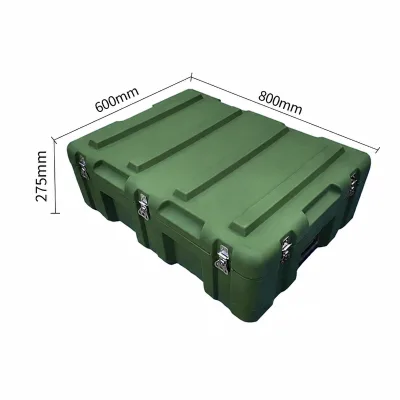
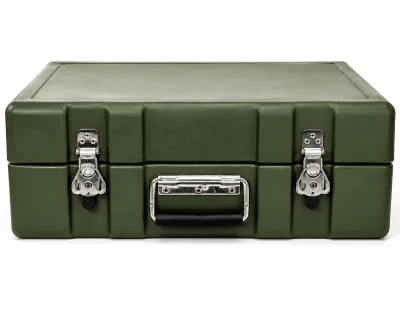
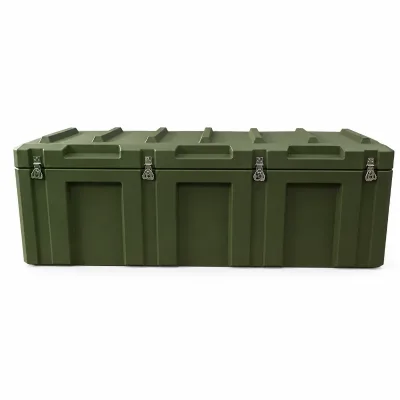
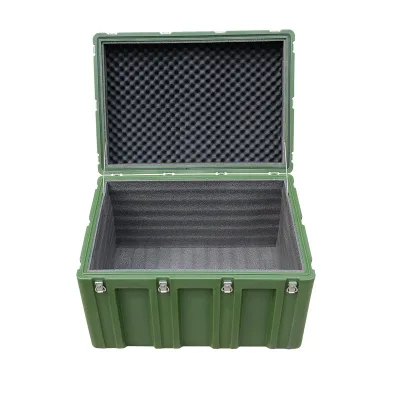
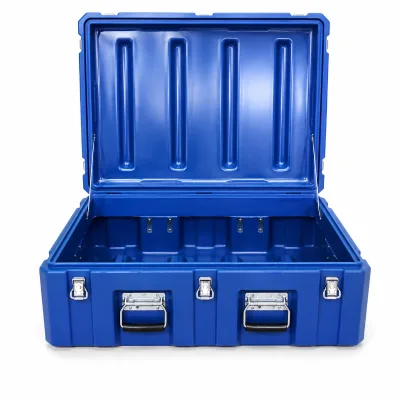
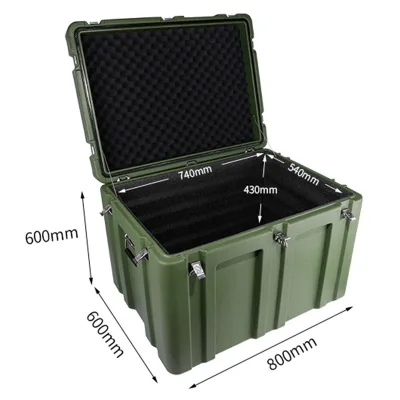
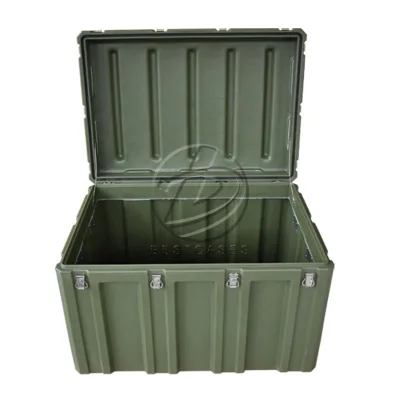
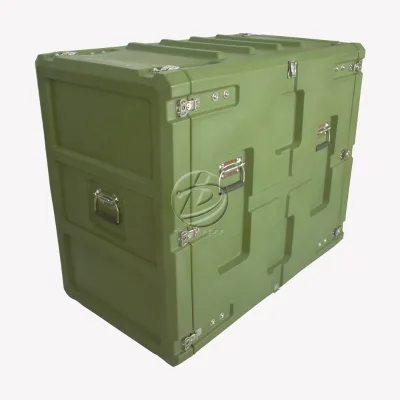


Big Size Heavy Duty Storage Cargo Box Waterproof Hard Rotomolded Plastic Case
$139.00 - $185.00
MOQ: 10 Pieces


Big Size Storage Cargo Box Waterproof Hard Rotomolded Plastic Tool Case
$135.00 - $180.00
MOQ: 10 Pieces

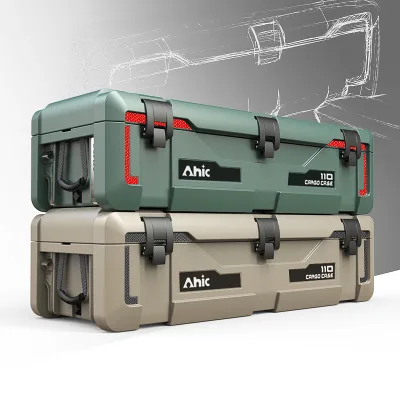
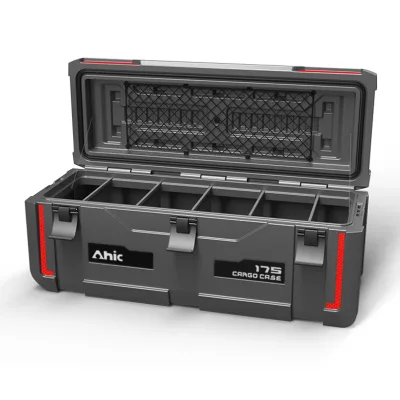
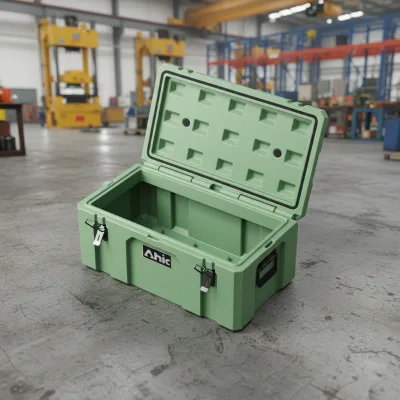
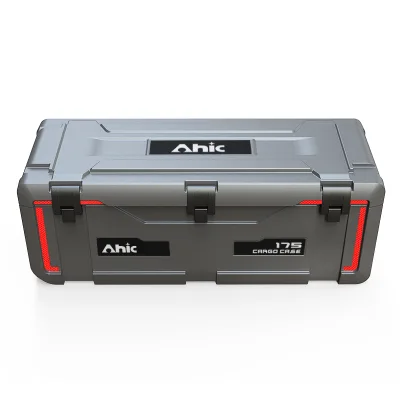
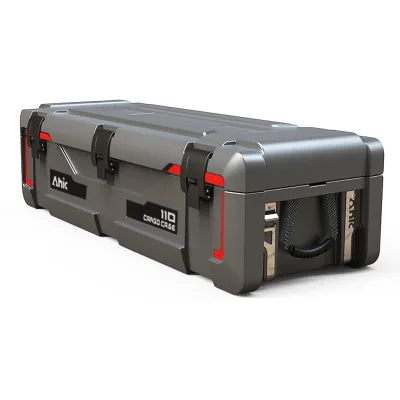
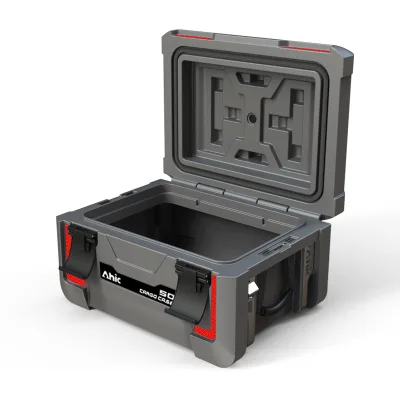
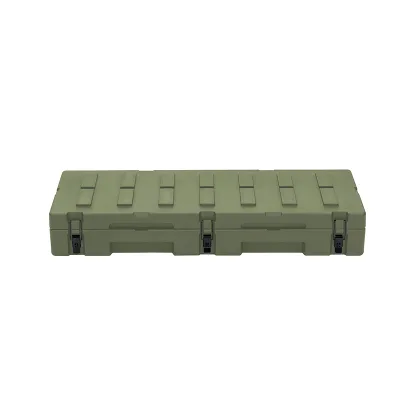
Large Universal Waterproof Durable Hard Heavy Suitcase Plastic Rolling Rotomolded Tool Box
$82.9682 - $102.3127
MOQ: 2 pieces
Comprehensive Sourcing Guide
Rotomolding Heavy Duty Cargo Case with Latches Sourcing Guide
Procuring rotomolding heavy duty cargo cases with latches requires a strategic approach to balancing durability, weight, and cost efficiency. These cases are typically constructed from high-density polyethylene or engineering PP, offering superior impact resistance compared to injection-molded alternatives. Buyers must prioritize suppliers who demonstrate expertise in rotational molding processes, as this method ensures uniform wall thickness and consistent structural integrity across complex geometries. The presence of robust latching mechanisms is critical for maintaining seal integrity during transit, particularly when the cases are subjected to rough handling or vibration.
The sourcing landscape includes a variety of configurations, ranging from small, hand-held units to super-capacity transport boxes. Observed listings indicate a wide price range, reflecting differences in material grade, foam customization, and dimensional specifications. Buyers should evaluate whether the case meets specific application needs, such as protecting musical instruments, tools, or sensitive electronic equipment. Understanding the distinction between standard off-the-shelf models and fully customizable OEM solutions is essential for aligning procurement goals with supplier capabilities, ensuring that the final product delivers the required protection without unnecessary cost overruns.
Product Scope and Observed Listing Signals
The market for these protective cases encompasses a diverse array of product types, including gun cases, tool packages, and transportation boxes. Listings frequently highlight features such as waterproofing, shockproofing, and dust resistance, which are critical for outdoor or industrial applications. The observed product attributes suggest that many suppliers offer customization options, allowing buyers to tailor the interior foam layout using materials like PU, EVA, EPE, or XPE. This flexibility ensures that specific items, whether they are delicate instruments or heavy-duty tools, are securely held in place during movement.
Color and branding options are also significant signals in product listings, with common choices including black, grey, red, and white, as well as custom requests. Some suppliers provide PVC stickers or printed logos to enhance brand visibility, which is particularly valuable for corporate clients or rental fleets. The observed origin of many products is Zhejiang, China, a hub for plastic manufacturing and export-oriented production. Buyers should verify the specific model numbers and standard dimensions, such as 1000600600MM or 680480280MM, to ensure compatibility with existing storage or transport infrastructure.
Technical Specifications to Verify
Verifying technical specifications is paramount to ensuring the case meets operational demands. Buyers must confirm the IP rating, with IP67 being a common standard for waterproof and dustproof performance. This rating indicates that the case can withstand immersion in water up to one meter for thirty minutes, providing a high level of protection against environmental hazards. Additionally, the hardness of the material, often described as medium soft, should be assessed to balance rigidity with shock absorption. The use of LLDPE or engineering PP as the primary material contributes to the case's longevity and resistance to cracking under stress.
Dimensional accuracy is another critical technical aspect, as cases are available in various standard sizes, including 480340190MM and 1208803575MM. Buyers should request detailed drawings to verify internal and external dimensions, ensuring that the chosen case fits the intended cargo without excessive empty space. The latching mechanism must be inspected for durability and ease of use, as these components are subject to frequent operation. Confirming the presence of a secure seal and the quality of the hinges or handles will help prevent premature failure and ensure long-term reliability in demanding environments.
Compliance and Safety Documentation
Compliance with international standards is essential for global trade and regulatory adherence. Buyers should request documentation for certifications such as RoHS and Reach, which ensure that the materials used in the case are free from hazardous substances. These certifications are particularly important for electronics and consumer goods that may come into direct contact with humans or the environment. Verifying these documents helps mitigate legal risks and ensures that the product meets the safety requirements of target markets, including the European Union and other regions with strict chemical regulations.
In addition to material safety, buyers should inquire about any relevant industry-specific standards or testing protocols. While specific test results may not always be publicly listed, suppliers should be able to provide evidence of performance under stress, such as drop tests or pressure tests. The absence of such documentation may indicate a lack of rigorous quality control, which could lead to product failures in the field. Ensuring that the supplier maintains a transparent and documented compliance process is a key indicator of their professionalism and commitment to quality.
Cost Drivers and Commercial Terms
Several factors influence the cost of rotomolding heavy duty cargo cases, including material selection, customization level, and order volume. The observed price range of 15 to 1080 USD reflects the diversity of products available, from simple, small cases to large, fully customized units. Buyers should consider the trade-off between initial cost and long-term durability, as higher-quality materials and construction may offer better value over time. Minimum order quantities (MOQ) typically range from 1 to 1000 units, allowing for flexibility in procurement strategies, whether for small-scale testing or large-scale deployment.
Commercial terms such as packaging and shipping methods also impact the total cost of ownership. Products are often packed in export cartons or PE bags, which must be evaluated for their ability to protect the cases during transit. Buyers should negotiate clear terms regarding lead times, payment methods, and warranty coverage to avoid unexpected expenses. Understanding the supplier's production capacity and supply chain reliability is crucial for ensuring timely delivery, especially for time-sensitive projects. Clear communication of these terms helps establish a transparent and mutually beneficial business relationship.
Supplier Qualification and Quality Control
Supplier qualification involves assessing the manufacturer's production capabilities, quality management systems, and track record. Buyers should verify the supplier's ability to handle OEM and ODM requests, as this indicates flexibility and technical expertise. A robust quality control process should include incoming material inspections, in-process checks, and final product testing to ensure consistency and reliability. Suppliers who invest in advanced manufacturing equipment and skilled labor are more likely to deliver high-quality products that meet strict specifications.
Building a long-term partnership with a qualified supplier requires ongoing communication and performance monitoring. Buyers should establish clear quality benchmarks and conduct regular audits or sample inspections to verify compliance. Feedback loops should be implemented to address any issues promptly and drive continuous improvement. By prioritizing suppliers with a strong reputation for quality and reliability, buyers can reduce the risk of defects and ensure a steady supply of high-performance cargo cases. This proactive approach to supplier management is essential for maintaining operational efficiency and customer satisfaction.
Long-Term Procurement Checks
Long-term procurement success depends on regular evaluation of supplier performance and product quality. Buyers should monitor key metrics such as defect rates, delivery times, and responsiveness to issues. Establishing a scorecard system can help track these metrics over time and identify areas for improvement. Regular reviews of the supply chain, including logistics and packaging, can reveal opportunities for cost savings and efficiency gains. By maintaining a proactive stance, buyers can adapt to changing market conditions and ensure a resilient supply chain.
Additionally, buyers should stay informed about industry trends and technological advancements in rotomolding and protective case design. Engaging with suppliers on future product developments can lead to innovations that enhance performance and reduce costs. Building a collaborative relationship with suppliers fosters trust and encourages them to prioritize the buyer's needs. By continuously assessing and optimizing the procurement process, buyers can achieve sustainable value and maintain a competitive edge in their respective markets. This strategic approach ensures that the procurement function remains a key driver of business success.
FAQs
What materials are used for Rotomolding Heavy Duty Cargo Case with Latches?
These cases are typically constructed from LLDPE and engineering PP for the outer shell, providing robust durability. The interior features polyester lining and customizable foam inserts such as PU, EVA, EPE, or XPE. This combination ensures the equipment remains secure and protected from shock and impact during transport.
Can Rotomolding Heavy Duty Cargo Case with Latches be customized for specific needs?
Yes, customization is available for these protective cases. Buyers can request specific dimensions, colors like black or red, and custom logos via PVC stickers. The supplier supports OEM and ODM services, allowing for tailored internal foam layouts and external branding to meet unique logistical or branding requirements effectively.
What certifications do these waterproof plastic safety cases hold?
These cases hold IP67, RoHS, and Reach certifications. The IP67 rating confirms they are waterproof and dustproof, ensuring internal instruments remain safe in harsh environments. RoHS and Reach compliance indicates the materials meet strict environmental and safety standards, making them suitable for global export and regulated industries.
What are the standard specifications for these Rotomolding Heavy Duty Cargo Case with Latches?
Standard specifications vary by model, with dimensions ranging from compact sizes like 460x350x460mm to larger formats such as 1208x803x575mm. Models include YFR-C300 and YF-J04. These cases offer super capacity and are designed for tools, musical instruments, or general transportation, balancing portability with substantial storage volume.
How are these cargo cases packaged for export?
The cases are packaged using export cartons or PE bags combined with cartons. This packaging method ensures the products are protected during shipping and handling. The sturdy outer packaging helps prevent damage to the LLDPE shell and internal foam, maintaining the integrity of the waterproof and shockproof features upon arrival.
What is the origin and lead time for these protective equipment cases?
These cases originate from Zhejiang, China, and other regions within China. While specific lead times are not explicitly stated in the provided facts, the products are ready for export with standard packaging. Buyers should contact suppliers directly for precise manufacturing schedules and shipping timelines based on order volume and customization needs.