Source Automatic Roti Maker for Commercial Bakery and Retail
Find and compare 30 Roti Maker options for commercial bakeries, retail shops, and household use. Evaluate specifications like power source, material, and productivity to select the right equipment for your production needs.
Key considerations
Products List
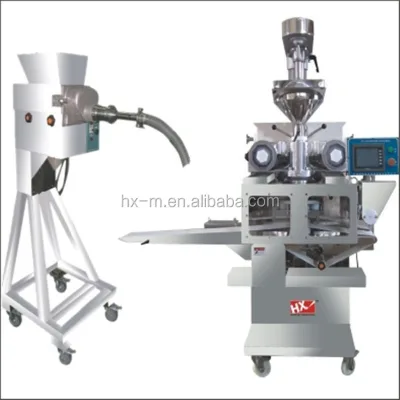


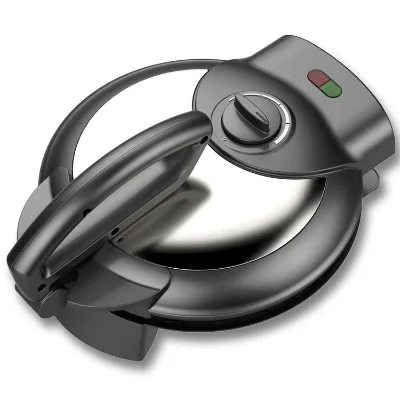
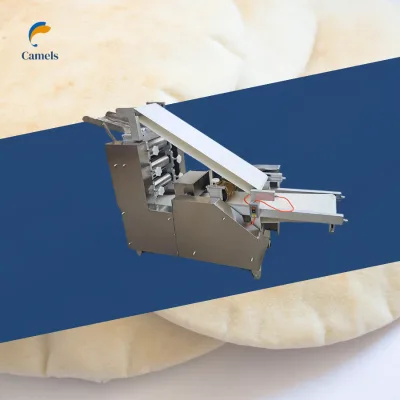
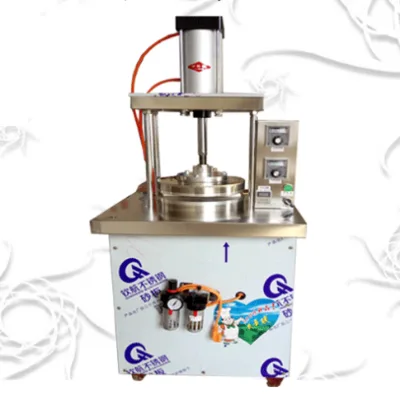
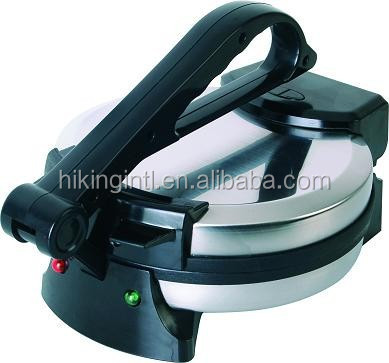
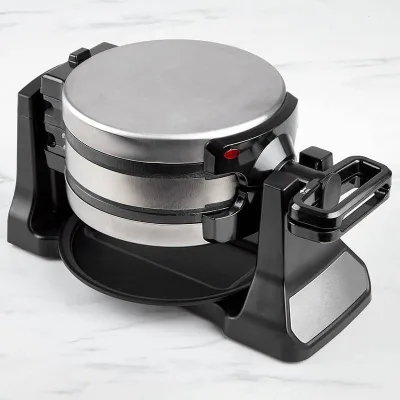
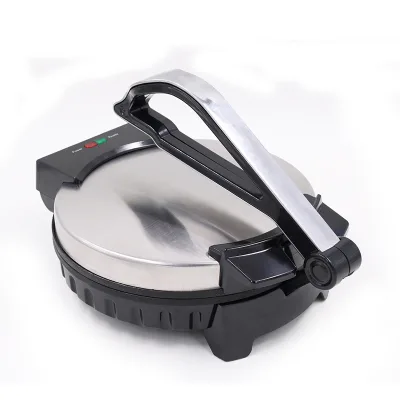
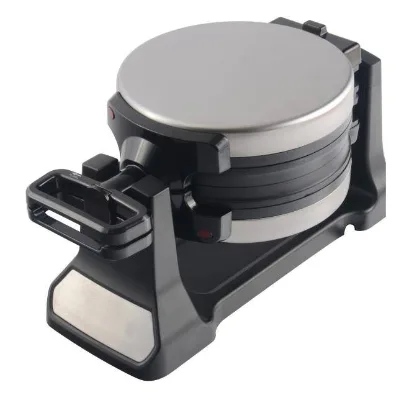


Factory Roti Making Machine Home Use Flat Bread Cooker Roti Automatic Roti Maker
$650.00 - $1700.00
MOQ: 1 Sets


New Type Manual Customizable Size Roti Maker Crepe Maker Lumpia Making Machine
$780.00 - $1500.00
MOQ: 1 Sets

Automatic Pita Bread Making Automatic Roti Maker Arabic Bread Baker Making Machine
$1300.00 - $7000.00
MOQ: 1 Sets

High Capacity Pita Bread Maker Roti Maker Arabic Bread Machine on Sale
$1300.00 - $7000.00
MOQ: 1 Sets

Manual Roti Maker Spring Roll Machine Crepe Maker Machine Customizable Size
$780.00 - $1500.00
MOQ: 1 Sets


201 Full Automatic Roti Maker Making Machine / Chapatti Making Machine
$500.00 - $5000.00
MOQ: 1 Pieces

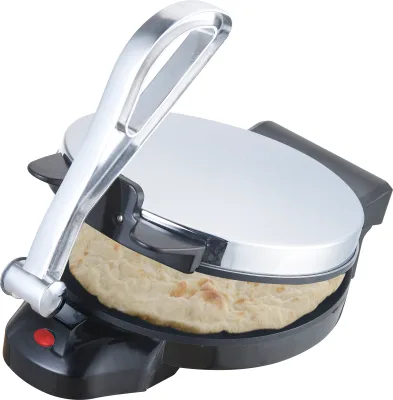


Hot Sale Automatic Chapati Flat Bread Maker Pancake Roti Tortilla Making Machine Roti Maker
$10400.00 - $10625.00
MOQ: 1 Pieces
Comprehensive Sourcing Guide
Roti Maker Sourcing Guide
Sourcing industrial and commercial roti making equipment requires a clear distinction between high-volume automated production lines and smaller-scale electric units. The market presents a wide spectrum of machinery, ranging from heavy-duty stainless steel automatic roti makers capable of producing 70 to 100 pieces per minute to compact die-casting aluminum units designed for household or small business use. Buyers must first define their operational scale, as the technical requirements for a 1.5KW electromotor-driven machine differ significantly from those of a 220V electric unit with auto-thermostat controls. Understanding this divide is the first step in filtering suppliers and ensuring that the selected machinery aligns with production capacity goals, whether the target is 800 pieces per hour for commercial bakeries or lower-volume output for specialized retail environments.
The procurement process also involves navigating diverse supplier origins and customization capabilities. While some manufacturers offer OEM services and welcome private mold development, others provide standardized models with fixed specifications. Buyers should evaluate whether the supplier supports customization for specific dough thicknesses, shapes such as rectangular, square, oval, or round, and multi-color applications. This decision impacts not only the initial machine cost but also the long-term flexibility of the production line. Verifying the supplier’s ability to provide engineers for overseas service and their warranty terms is crucial, as automated machinery requires specialized maintenance that may not be available through local technicians.
Product Scope and Observed Listing Signals
The observed market data indicates a broad price range, with listings spanning from approximately $11.42 to $46,000 USD, reflecting the disparity between simple electric appliances and complex automated industrial systems. This variance is closely tied to the minimum order quantity (MOQ), which ranges from single units for retail-ready machines to batches of up to 2,000 sets for larger commercial contracts. Buyers should interpret these signals as indicators of the supplier’s business model; low MOQs and lower prices typically correspond to smaller, less automated units, while higher price points and bulk discounts are associated with high-capacity automatic roti makers featuring stainless steel construction and advanced control systems.
Listing attributes reveal specific technical preferences among suppliers, such as the use of 304 stainless steel for food-contact surfaces and die-casting aluminum for heating plates in smaller units. Some products highlight features like non-stick coatings, energy-saving functions, and temperature control, which are critical for maintaining product consistency and reducing operational costs. Additionally, the presence of specific model numbers, such as the HJ-860II, and brand names like HanJue or GEDITAI, suggests that buyers should verify the exact specifications of each model rather than assuming uniformity across a supplier’s catalog. The shipping port of Shanghai and delivery times of around 10 working days provide a baseline for logistics planning, though these figures may vary based on order volume and destination.
Technical Specifications to Verify
When evaluating automatic roti makers, buyers must verify the power source and electrical requirements to ensure compatibility with their facility’s infrastructure. Industrial models often operate on 220V power with a 1.5KW electromotor, while smaller units may also use 220V electric sources but with different wattage and heating mechanisms. It is essential to confirm the voltage stability requirements and whether the machine includes auto-thermostat control to prevent overheating and ensure consistent cooking results. The physical dimensions of the machine, such as the 16492175CM footprint for some automatic models, must be assessed against the available floor space in the production area to avoid logistical bottlenecks during installation.
Productivity and output capacity are critical metrics that vary significantly between machine types. Buyers should distinguish between machines rated at 70-100 pieces per minute and those with hourly capacities of 800 pieces, ensuring that the selected unit meets the daily production targets. The weight of the machinery, ranging from 15-150g per piece output capacity to a total machine weight of 330KG for larger units, impacts installation requirements and floor load bearing. Additionally, the adjustability of dough thickness and the variety of shapes supported, including Arabic pita bread formats, should be verified to ensure the machine can handle the specific product variations required by the buyer’s market.
Compliance and Safety Documentation
Certification is a primary compliance requirement for food processing machinery, with CE marking being a common standard observed in the market. Buyers must verify that the supplier provides valid CE certificates, and in some cases, additional certifications such as ISO or GS CB, to ensure the machine meets international safety and quality standards. The presence of these certifications indicates that the manufacturer has undergone rigorous testing for electrical safety, mechanical integrity, and food-grade material compliance. It is crucial to request copies of these certificates and validate their authenticity with the issuing bodies to mitigate the risk of purchasing non-compliant equipment that could face regulatory hurdles in the destination country.
Beyond certifications, buyers should inquire about the specific materials used in the construction of the machine, particularly those in contact with food. The use of 304 stainless steel and die-casting aluminum with bakelite housing are common materials that offer durability and resistance to corrosion and heat. Buyers should verify that these materials meet local food safety regulations and are free from harmful coatings or substances. Additionally, the warranty terms, typically offered for one year, should be clearly defined in the contract, including coverage for parts and labor, to protect the buyer’s investment against early failures or manufacturing defects.
Cost Drivers and Commercial Terms
The total cost of ownership for a Roti Maker includes not only the purchase price but also shipping, installation, and after-sales support. The observed price range suggests that buyers can find options at various budget levels, but the lowest prices may not include essential services such as overseas engineering support or comprehensive warranty coverage. Buyers should request detailed quotations that break down the cost of the machine, packaging, and shipping to Shanghai or other designated ports. Understanding the packaging details, such as the use of standard wooden exporting cases or wooden cartons, is important for protecting the machine during transit and avoiding additional damage-related costs.
Commercial terms such as supply ability and delivery time are key factors in procurement planning. Suppliers with a supply ability of 20 sets per month may have longer lead times for larger orders, while those with higher production capacities can accommodate urgent requests. The standard delivery time of 10 working days should be confirmed with the supplier, keeping in mind that this may exclude shipping time and customs clearance. Buyers should also negotiate terms for OEM services and private mold development, as these customizations can add to the initial cost but may provide a competitive advantage in the market by allowing for unique product shapes or branding.
Supplier Qualification and Quality Control
Supplier qualification involves assessing the manufacturer’s production capacity, quality control processes, and after-sales service capabilities. Buyers should verify the supplier’s production location, with some manufacturers operating in regions like Henan or Zhejiang in China, and evaluate their ability to maintain consistent quality across batches. The availability of free spare parts and engineer support for overseas service is a critical indicator of the supplier’s commitment to long-term customer satisfaction. Buyers should request references or case studies from existing clients to gauge the reliability of the machinery and the responsiveness of the supplier’s technical support team.
Quality control measures should be established before placing orders, including pre-shipment inspections and testing of sample units. Buyers should specify the required performance metrics, such as productivity rates and energy efficiency, and include these in the purchase agreement. The ability of the supplier to provide customization and handle private molds indicates a level of technical expertise that can be beneficial for buyers with specific product requirements. It is also important to verify the supplier’s certification status and ensure that they adhere to recognized industry standards for manufacturing and safety.
Long-Term Procurement Checks
Long-term procurement success depends on the ability to maintain and upgrade the machinery over its lifecycle. Buyers should establish a relationship with the supplier for ongoing technical support and access to replacement parts, ensuring that downtime is minimized in the event of a malfunction. The warranty period, typically one year, should be followed by a clear plan for extended maintenance contracts or service agreements. Buyers should also monitor the supplier’s product updates and new models, as advancements in technology may offer improved efficiency or features that could benefit their operations.
Regular audits of the supplier’s performance and product quality are essential for maintaining a reliable supply chain. Buyers should track key performance indicators such as machine uptime, energy consumption, and product consistency to identify any issues early. By maintaining open communication with the supplier and providing feedback on machine performance, buyers can contribute to continuous improvement and ensure that the machinery continues to meet their evolving production needs. This proactive approach helps to mitigate risks and maximize the return on investment in roti making equipment.
FAQs
What is the production capacity of automatic roti makers?
The production capacity typically ranges from 70 to 100 pieces per minute. This output rate allows for efficient batch processing in commercial settings. Some models offer a higher capacity of up to 800 pieces per hour. Buyers should verify the specific hourly output against their daily volume requirements to ensure the machine meets their operational needs.
Can I customize the shape of the roti produced?
Yes, customization is available for various shapes including rectangular, square, oval, and round. The machine supports adjustable thickness settings to meet specific product standards. Buyers can request custom molds to produce unique shapes. This flexibility allows businesses to tailor their output to different market preferences and branding requirements effectively.
What certifications do these roti making machines have?
Many automatic roti makers hold CE certification for safety and compliance. Some models also include ISO certification and additional standards like GS or CB. These certifications ensure the machinery meets international quality and safety regulations. Buyers should verify the specific certificate list provided by the supplier to ensure compliance with local import and operational requirements.
What is the typical lead time for delivery?
The standard delivery time is approximately 10 working days after order confirmation. This timeframe applies to most standard models available for immediate shipment. Buyers should confirm the exact lead time with the supplier as it may vary based on customization needs or production volume. Early ordering is recommended to align with business launch schedules.
What after-sales service is provided for these machines?
Suppliers typically provide engineers available to service machinery overseas. Free spare parts are often included to support long-term operation. Buyers can also expect support for troubleshooting and maintenance guidance. This comprehensive service ensures minimal downtime and helps maintain consistent production quality throughout the machine's operational lifespan.
What is the power source and voltage requirement?
Most automatic roti makers operate using an electric power source with a voltage of 220V. The power consumption is typically around 1.5KW for standard models. Buyers must ensure their facility has the appropriate electrical infrastructure to support this requirement. Verifying the voltage compatibility with local power grids is essential for safe and efficient machine operation.