Source Round Cosmetic Thermal Label Stickers for Cosmetics, Beverages, Shipping
Find 30 suppliers offering Round Cosmetic Thermal Label Stickers suitable for cosmetics, bottled beverages, and shipping labels. Compare specifications, customization options, and pricing to identify the best fit for your packaging needs.
Key considerations
Products List
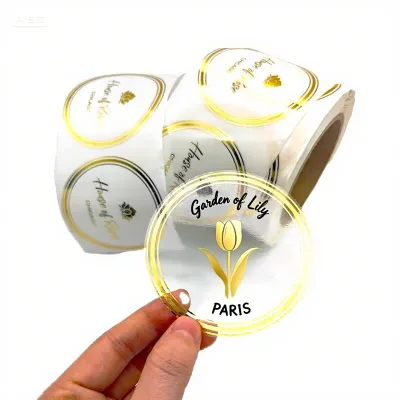
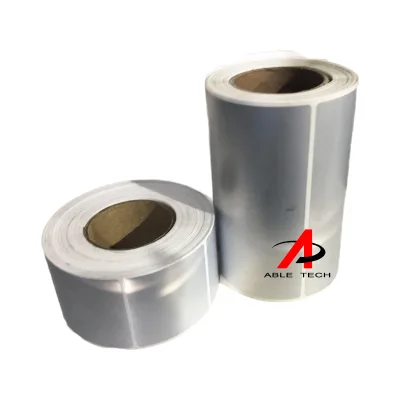
Sensitive Sticker Roll Direct Thermal Labels Food Cosmetic Matt PET Silver Label Sticker
$1.00 - $3.00
MOQ: 100 Minimum
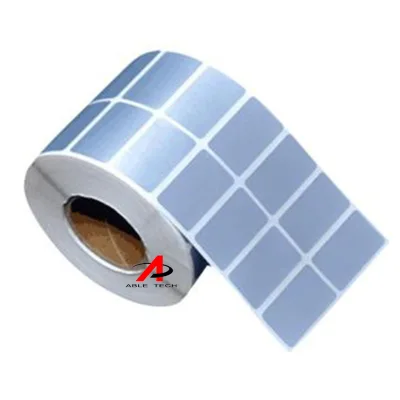

Thermal Labels Colorful Rectangle Self Adhesive Printable Thermal Blank Label Roll
$0.30 - $1.00
MOQ: 1000 Rolls


Accept Custom Printing Private Cosmetics Adhesive Sticker Label for Bottle
$0.02 - $0.05
MOQ: 3000 Pieces


Cosmetic Jar Labels Waterproof Self Adhesive Stickers for Beauty Products
$0.02 - $0.05
MOQ: 3000 Pieces


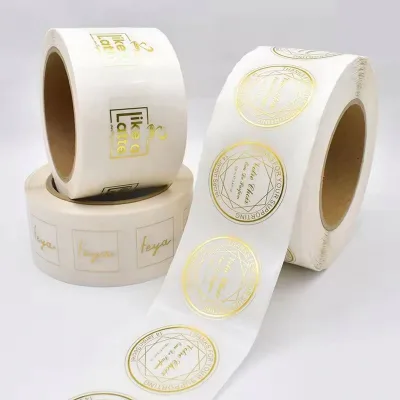


Printer Paper Sticker Adhesive Plastic Round Printing Label Thermal Stickers
$1.00 - $2.00
MOQ: 1 Pieces


Comprehensive Sourcing Guide
Strategic Sourcing Guide for Round Cosmetic Thermal Label Stickers
Understanding Product Specifications and Material Composition
When sourcing Round Cosmetic Thermal Label Stickers, buyers must first establish a clear understanding of the physical and material specifications that define the product category. The core keyword implies a specific application within the cosmetic industry, requiring labels that are not only aesthetically pleasing but also functionally durable under varying storage conditions. Based on available market data, the primary material composition for these items often includes vinyl or adhesive paper, each offering distinct advantages for different cosmetic packaging needs. Vinyl is frequently cited as a robust option, particularly when waterproofing is a critical requirement for products that may be stored in humid environments like bathrooms or showers. Conversely, adhesive paper offers a more traditional feel, often preferred for high-end cosmetic branding where a matte or glossy finish is desired.
The physical dimensions of these stickers are highly flexible, with suppliers typically accommodating custom sizes ranging from 5mm up to 100cm in length, though round shapes imply a specific diameter constraint. The core diameter for the roll on which these stickers are wound is a critical logistical detail, with standard options including 1 inch, 3 inches, and 3/4 inches. This core size directly impacts the compatibility of the label with automated dispensing machines used in cosmetic manufacturing lines. The shape is explicitly defined as round, though the manufacturing process often supports custom die-cut shapes, allowing for unique branding opportunities beyond the standard circle. The backing paper, which supports the adhesive until application, is frequently identified as glassine, a material known for its smooth release properties and resistance to moisture, ensuring the sticker does not stick to itself during storage.
Technical Performance and Printing Capabilities
The functional performance of a thermal label sticker is heavily dependent on its printing technology and resistance to environmental factors. The term "thermal" in the product description suggests a specific sensitivity to heat, which is a key feature for certain applications such as shipping labels or price tags where thermal printers are the standard. However, for cosmetic branding, the printing capabilities extend far beyond thermal transfer. Suppliers indicate a wide array of printing handling methods, including offset printing, UV digital printing, laser printing, and screen printing. This diversity allows for high-fidelity color reproduction, which is essential for cosmetic packaging that relies on vibrant branding and precise color matching.
The color capabilities are extensive, with options ranging from monochrome to full-color printing, including specific Pantone and CMYK offset printing. Buyers should verify if the supplier supports the specific color profiles required for their brand identity, as the "Any Color Printing Is Available" claim suggests a high degree of flexibility. Furthermore, the feature set includes waterproofing, which is a non-negotiable attribute for many cosmetic products that may be exposed to water or condensation. The adhesive itself must be compatible with the thermal paper membrane type, ensuring that the label adheres securely to various cosmetic containers, including plastic, glass, and metal. The coating on the label is described as "good and even," which is crucial for preventing ink smudging and ensuring a professional finish.
Compliance, Certification, and Regulatory Standards
Navigating the regulatory landscape is a critical component of sourcing cosmetic labels, as these products come into direct contact with consumer goods. While the supplied data mentions specific standards such as CE, it is important to note that compliance requirements can vary significantly based on the target market and the specific formulation of the cosmetic product. The CE mark indicates conformity with health, safety, and environmental protection standards for products sold within the European Economic Area, but buyers must verify if this certification applies specifically to the adhesive and ink components of the label, not just the manufacturing process.
In addition to CE, suppliers may offer standards that are "According to Your Needs," indicating a willingness to tailor compliance documentation to specific client requirements. For the cosmetic industry, buyers should proactively request documentation regarding the safety of the inks and adhesives used, particularly if the labels are applied to products that will be stored in close proximity to the skin. The material composition, whether vinyl or paper, must be free from harmful substances that could leach into the cosmetic product. Buyers should also investigate the origin of the materials, as the production locations listed include Guangdong, Henan, and Suzhou in China, each with different industrial regulations and quality control infrastructures. Ensuring that the supplier adheres to international standards for food and cosmetic contact materials is essential to avoid regulatory hurdles during importation.
Cost Drivers and Economic Considerations
The economics of sourcing Round Cosmetic Thermal Label Stickers are influenced by several dynamic factors, primarily driven by material costs, order volume, and customization requirements. The observed price range in the market spans from $0 to $1200, a wide spectrum that reflects the difference between small, custom-run orders and large-scale industrial production. The minimum order quantity (MOQ) is a significant cost driver, with observed ranges from 1 to 10,000 pieces. While some suppliers may accept orders as low as a single item, the unit cost will be substantially higher. Conversely, an MOQ of 1000 pieces often unlocks more competitive pricing, making it a strategic threshold for buyers looking to balance inventory costs with per-unit economics.
Lead time is another critical economic factor, with a standard lead time of 3 to 5 working days reported for many suppliers. This rapid turnaround can reduce inventory holding costs and allow for more agile supply chain responses, particularly for seasonal cosmetic launches. However, buyers must be aware that custom designs, complex printing requirements, or specific material requests may extend this timeline. The packaging method, typically a plastic bag within a carton, also contributes to the overall cost, especially if specialized packaging is required to prevent damage during transit. Additionally, the "Low Price" attribute observed in some listings should be evaluated carefully against the quality of materials and printing fidelity, as the lowest price point may not always align with the durability requirements of the cosmetic industry.
Supplier Evaluation and Geographic Sourcing
Evaluating suppliers for cosmetic thermal labels requires a thorough assessment of their operational capabilities and geographic location. The primary production hubs identified in the market data are in China, specifically in Guangdong, Henan, and Suzhou, Jiangsu. Each of these regions offers distinct advantages; Guangdong is known for its robust manufacturing infrastructure and export experience, while Suzhou is a hub for high-precision printing and packaging solutions. Buyers should verify the specific location of the supplier to ensure it aligns with their logistical preferences and quality expectations.
When evaluating a potential supplier, buyers should look for evidence of their ability to handle custom designs and logos, as the market data confirms that "Accept Custom Designs" and "Accept Customized Logo Printed" are standard offerings. The brand names associated with these products, such as FUNENG and ABLE, indicate established players in the market, but buyers should not rely solely on brand recognition. Instead, they should request samples to verify the quality of the adhesive, the clarity of the printing, and the durability of the thermal coating. The ability to provide a "Single package size" of 5x5x0.001 cm suggests a high level of precision in manufacturing, which is a positive indicator of quality control. Furthermore, the supplier's willingness to accept "Custom Order" requests and their flexibility in meeting specific "Industrial Use" requirements for cosmetics are strong indicators of a reliable partner.
Quality Control and Long-Term Procurement Strategy
Implementing a robust quality control (QC) strategy is essential for maintaining the integrity of cosmetic branding. Given the diverse range of printing methods and materials, buyers must establish clear acceptance criteria for the final product. Key QC checkpoints should include the verification of the label's adhesion strength, the resistance of the print to water and abrasion, and the consistency of the round shape and dimensions. The "Feature: Waterproof" attribute should be validated through practical testing, especially if the labels are intended for products that will be stored in humid conditions. Additionally, the "Coat: Good and Even" specification requires visual and tactile inspection to ensure there are no defects in the surface finish that could detract from the brand's premium image.
For long-term procurement, buyers should consider the scalability of their supplier relationship. The ability to handle varying order volumes, from single items to 10,000 pieces, is a valuable asset for businesses with fluctuating demand. The "Lead Time: 3~5 Working Days" suggests a capacity for rapid production, which is beneficial for just-in-time inventory management. However, buyers should also plan for potential disruptions by maintaining a relationship with multiple suppliers across different regions, such as Guangdong and Suzhou, to mitigate risks associated with regional production delays. Finally, the "Packing: Plastic Bag + Carton" standard should be reviewed to ensure it meets the specific shipping requirements of the buyer's logistics network, preventing damage during transit and ensuring the labels arrive in perfect condition for application. By focusing on these technical, economic, and operational factors, buyers can secure a reliable supply of high-quality Round Cosmetic Thermal Label Stickers that meet their specific brand and operational needs.
FAQs
What materials are used for Round Cosmetic Thermal Label Stickers?
These stickers are commonly made from vinyl or adhesive paper to suit different cosmetic needs. Vinyl offers waterproof durability for humid environments, while paper provides a traditional finish for high-end branding.
Can I request custom shapes and sizes for these stickers?
Yes, suppliers accept custom designs and die-cut shapes including round, oval, and irregular forms. Sizes can range from 5mm to 100cm, with core diameters typically available in 1, 3, or 3/4 inches.
Which printing methods are available for cosmetic label customization?
A wide array of printing options exists, including offset, UV digital, laser, and thermal transfer printing. Buyers can choose from monochrome to full-color CMYK and Pantone printing for vibrant brand identity.
What is the minimum order quantity for these adhesive stickers?
Minimum order quantities vary, with some suppliers accepting orders as low as one piece while others require 1000 pieces. Higher volumes often unlock more competitive pricing and standard lead times.
How fast can suppliers produce custom cosmetic thermal labels?
Standard lead times for production are typically 3 to 5 working days for many suppliers. This rapid turnaround supports agile inventory management, though complex customizations may extend the timeline slightly.
Are these stickers waterproof and suitable for cosmetic packaging?
Yes, many options feature waterproof attributes to withstand humid storage conditions like bathrooms. The adhesive and coating are designed to ensure the label remains secure and legible on various cosmetic containers.
What certifications do these label manufacturers typically provide?
Some suppliers offer CE certification and can tailor standards according to specific client needs. Buyers should verify that inks and adhesives meet safety requirements for products contacting skin or food.