Source Round Ndfeb Magnetic Push Pins for Lockers, Boards, Cabinets
Compare 30 listings of Round Ndfeb Magnetic Push Pins from verified suppliers. Buyers can evaluate grades like N35, coatings such as nickel, and customization options for industrial and jewelry applications; compare the available evidence and request quotations based on your requirements.
Updated
Key considerations
Products List


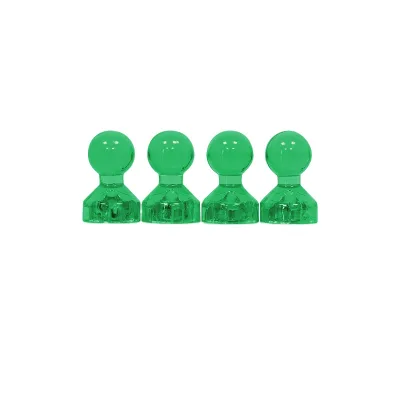
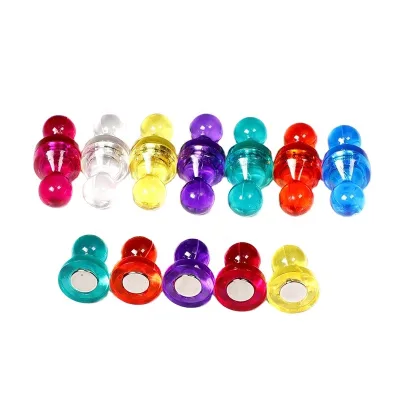
Light Round Plastic Coverd NdFeB Magnetic Push Pin with Strong Pull Force
$0.01 - $0.20
MOQ: 10 Pieces

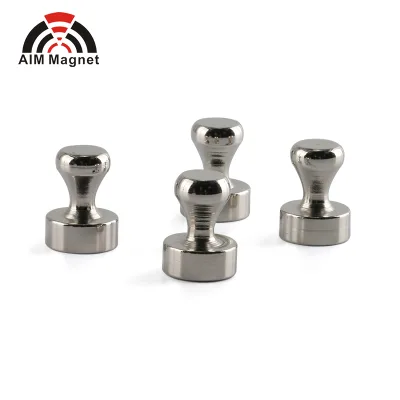
Neodymium Fridge Magnetic Pins Metal Steel NdFeB Magnetic Pushpin Magnets
$0.01 - $1.00
MOQ: 100 piece

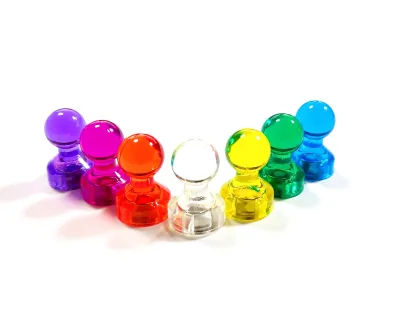
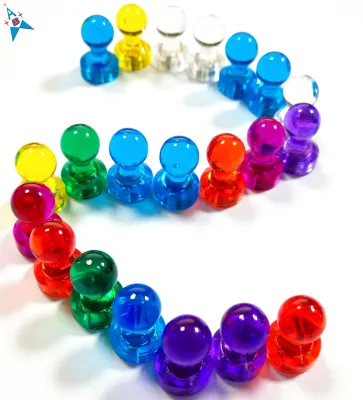
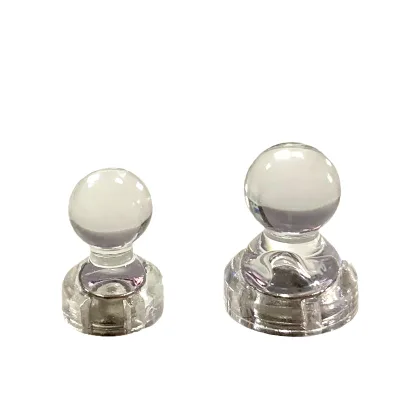
ABM Magnetic Metal Push Pins High Quality Neodymium Magnetic Metal Push Pins
$0.06 - $0.40
MOQ: 1000 Minimum
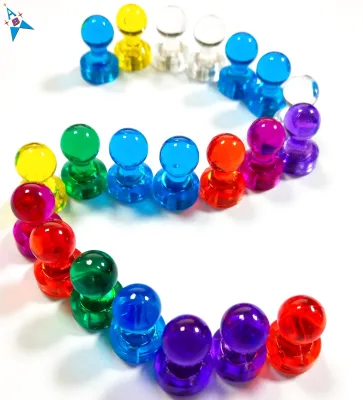
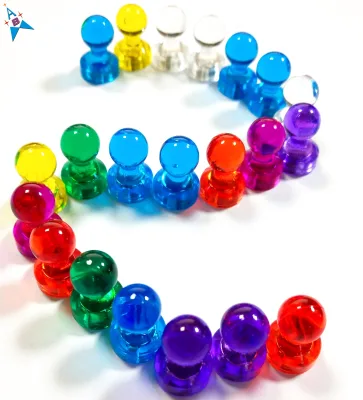
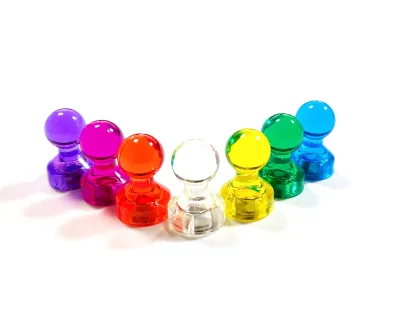
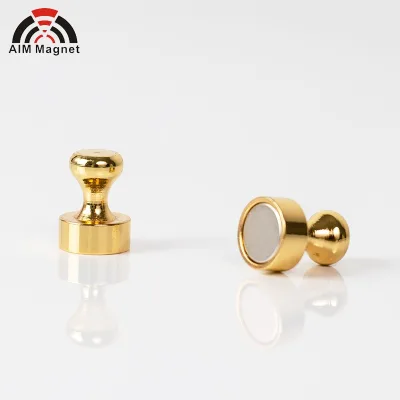
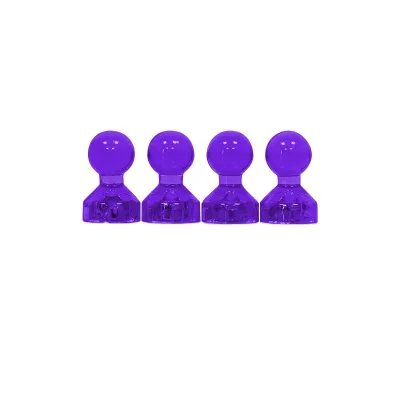
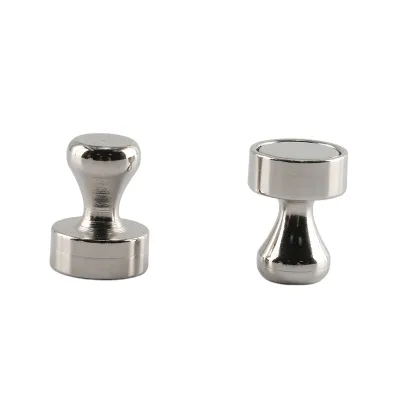
Strong Neodymium Magnet Office Pushpin Conical Magnetic Pushpin for Efficient Use
$0.01 - $0.65
MOQ: 200 Minimum


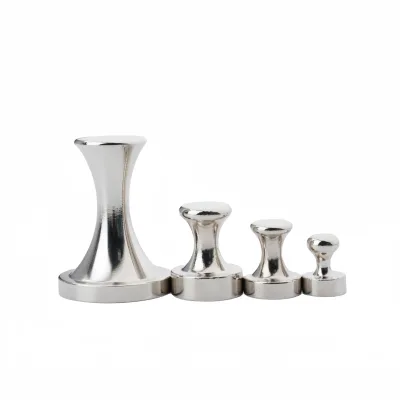
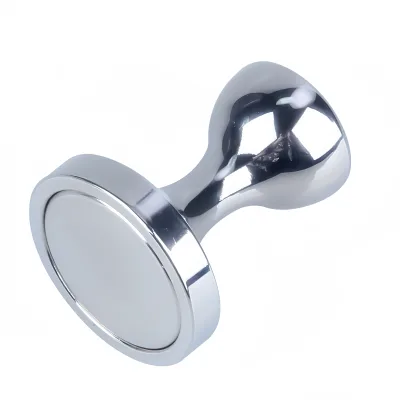
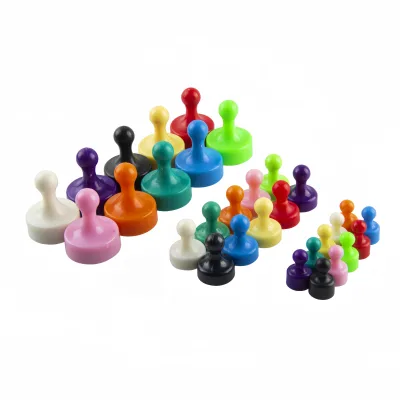


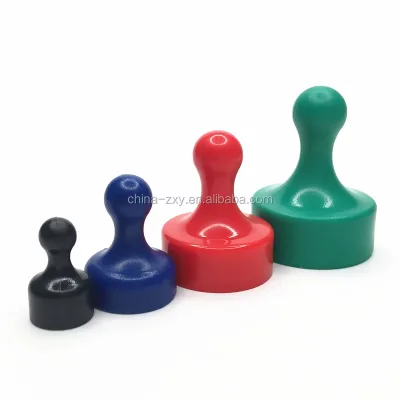
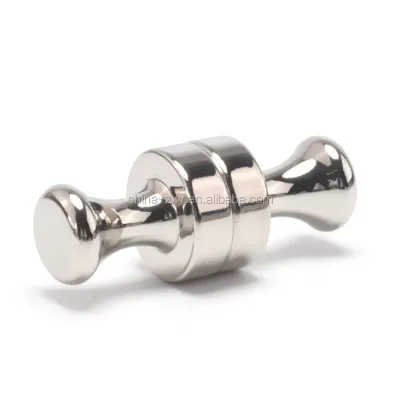
Comprehensive Sourcing Guide
Round Ndfeb Magnetic Push Pins Sourcing Guide
Sourcing round neodymium iron boron (NdFeB) magnetic push pins requires careful attention to material composition and surface treatment, as these factors directly influence performance in both industrial and jewelry applications. The observed product landscape indicates that manufacturers typically utilize sintered NdFeB cores, often encased in plastic or coated with nickel to enhance durability and aesthetic appeal. Buyers must distinguish between pure magnetic components and composite designs, such as those combining neodymium with plastic, which are frequently marketed for office cabinets, school lockers, and whiteboard usage. Understanding the specific grade, such as N35, is essential for ensuring the magnetic force meets the intended holding power requirements without compromising the structural integrity of the pin.
The customization options available in the market allow for significant flexibility in design, including color variations and specific size requirements. Suppliers often accept OEM designs, enabling buyers to tailor the product to their brand identity or functional needs. However, this flexibility introduces complexity in quality control, as tolerances can vary between 0.05mm and 0.1mm depending on the manufacturer’s capabilities. Procurement teams should verify whether the customization extends to the magnetism direction, which is often specified as thickness-oriented for push pins, and ensure that the surface treatment, whether smooth or coated, aligns with the environmental conditions of the end-use application.
Product Scope and Observed Listing Signals
The current market listings reveal a diverse range of product attributes, with applications spanning from industrial magnets to jewelry magnets and speaker components. This broad scope suggests that the same underlying technology is adapted for various end-uses, necessitating clear specification definitions during the sourcing process. Observed product names include "Colorful Plastic Disc Round Neodymium Magnetic Pus" and "Magnetic Push Pins," indicating a mix of descriptive and model-specific terminology. Buyers should note that some listings specify the product type as permanent, while others highlight the material as neodymium and plastic, reflecting different construction methods that affect both cost and performance.
Shipping and packaging details provide additional insights into the operational readiness of suppliers. Standard export carton packing with iron shielding is commonly observed, designed to protect the magnets during transit and prevent demagnetization or injury. Some suppliers offer custom packaging solutions, which may be preferable for retail-oriented products like jewelry magnets. The presence of multiple shipping options, including UPS, TNT, DHL, and sea or air freight, indicates that suppliers are equipped to handle various order volumes and delivery timelines. Buyers should align their logistics planning with these available options to optimize cost and speed.
Technical Specifications to Verify
Verifying technical specifications is critical to ensuring that the magnetic push pins meet the required performance standards. Key parameters include the grade of the neodymium material, such as N35, and the maximum working temperature, which is observed to be around 80 degrees Celsius for some products. Buyers must confirm the size specifications, as customized sizes are frequently offered, with standard dimensions like 12.6x6.35mm or D29x38 appearing in listings. The tolerance levels, ranging from 0.05mm to 0.1mm, should be explicitly agreed upon to ensure compatibility with existing fixtures or mounting systems.
The magnetism direction is another crucial specification, often listed as thickness-oriented for push pins, which affects how the magnet interacts with ferrous surfaces. Surface treatment, such as nickel coating or smooth finishes, plays a significant role in corrosion resistance and aesthetic quality. Buyers should also verify the certification status of the materials, with SGS and ISO9001:2008 being observed certifications that indicate adherence to quality management systems. Ensuring that these technical details are clearly documented in the purchase order will help prevent discrepancies between the ordered and delivered products.
Compliance and Safety Documentation
Compliance with international standards is essential for sourcing magnetic push pins, particularly for applications in regulated industries or consumer markets. While specific certifications like REACH, CE, and RoHS are mentioned in background contexts, buyers should verify the actual certification status with the supplier, as these are not explicitly confirmed in the primary product facts. The presence of SGS certification suggests that some suppliers undergo third-party testing for material safety and quality, which is a positive indicator for buyers concerned with regulatory compliance.
Safety documentation should also include information on the handling and storage of the magnets, given their strong magnetic fields. Iron shielding in packaging, as observed in standard export cartons, helps mitigate risks during transportation. Buyers should request material safety data sheets (MSDS) and ensure that the products meet the relevant environmental and safety standards for their target market. Clear communication regarding compliance requirements will help suppliers provide the necessary documentation and reduce the risk of customs delays or product rejections.
Cost Drivers and Commercial Terms
Cost drivers for Round Ndfeb Magnetic Push Pins include the material grade, surface treatment, and customization level. The observed price range of 0.01 to 5 USD suggests significant variation based on these factors, with customized designs and higher-grade materials commanding premium prices. Minimum order quantities (MOQ) range from 10 to 10,000 pieces, offering flexibility for both small-scale and bulk procurement. Buyers should consider the trade-off between MOQ and unit price, as larger orders typically result in lower per-unit costs but require greater inventory management.
Commercial terms such as delivery methods and lead times also impact the total cost of ownership. Options for delivery by sea, air, or express courier allow buyers to balance cost and speed according to their needs. Standard export packaging is commonly included, but custom packaging may incur additional charges. Buyers should negotiate clear terms regarding payment, shipping responsibilities, and warranty policies to ensure a smooth procurement process. Understanding these commercial dynamics will help in making informed decisions that align with budget constraints and supply chain requirements.
Supplier Qualification and Quality Control
Supplier qualification is a critical step in sourcing magnetic push pins, as the quality of the product directly depends on the manufacturer’s capabilities. Buyers should verify the supplier’s origin, with Zhejiang, China, being a common location for these products, indicating a concentration of manufacturing expertise in the region. Checking for certifications such as ISO9001:2008 can provide assurance of the supplier’s commitment to quality management systems. Additionally, the availability of OEM services suggests that the supplier is capable of meeting specific design and branding requirements.
Quality control measures should be established to ensure consistency in product specifications. Buyers should request samples to verify dimensions, magnetic strength, and surface finish before placing large orders. Clear communication regarding tolerance levels and defect rates will help in setting realistic expectations. Implementing regular quality audits and feedback loops with the supplier can further enhance product quality and reliability. By prioritizing supplier qualification and robust quality control, buyers can mitigate risks and ensure a steady supply of high-quality magnetic push pins.
Long-Term Procurement Checks
Long-term procurement checks involve monitoring supplier performance and market trends to ensure continued value and reliability. Buyers should regularly review supplier certifications and compliance documentation to ensure ongoing adherence to regulatory standards. Tracking changes in material costs and market prices can help in negotiating favorable terms and anticipating cost fluctuations. Maintaining open communication with suppliers regarding product updates and technological advancements can also provide opportunities for improvement and innovation.
Additionally, buyers should assess the supplier’s ability to scale production and meet increasing demand without compromising quality. Establishing a diversified supplier base can reduce dependency on a single source and mitigate supply chain risks. Regularly evaluating the total cost of ownership, including shipping, packaging, and potential rework costs, will help in making strategic procurement decisions. By implementing these long-term checks, buyers can build a resilient and efficient supply chain for Round Ndfeb Magnetic Push Pins.
FAQs
What materials are used for Round Ndfeb Magnetic Push Pins?
These pins are made from Neodymium Iron Boron or Sintered Neodymium-Iron-Boron combined with plastic. The material composition ensures strong magnetic properties while the plastic coating provides a colorful and smooth finish suitable for office cabinets and school lockers.
Can I customize the size and shape of these magnets?
Yes, customization is available for size and shape according to customer needs. The product offers customized magnet sizes and specific requirements for magnetism direction, allowing buyers to specify dimensions like 12.6x6.35mm or other custom measurements for their unique applications.
What certifications do these neodymium magnets hold?
The products hold SGS and ISO9001:2008 certifications to ensure quality and safety standards. These certifications verify that the manufacturing process meets international requirements for permanent magnets used in industrial, jewelry, and speaker applications across various global markets.
How is the packaging handled for export shipments?
Standard export packaging includes cartons with iron shielding or green foam protection inside big cartons. Custom packages are also available to meet specific buyer requirements, ensuring the magnets remain secure during transit via sea, air, or express shipping methods.
What is the minimum order quantity for these push pins?
The minimum order quantity starts at 10 pieces for most standard configurations. However, bulk orders can range up to 10,000 pieces depending on the specific customization and supplier capacity, allowing flexibility for both small trial orders and large industrial procurement needs.
Where are these magnets manufactured and shipped from?
These magnets originate from Zhejiang, China, and are shipped globally via UPS, TNT, or DHL. The manufacturing location ensures access to established supply chains, while delivery options include sea, air, or express transport to meet various lead time requirements for international buyers.