Source Round Sustainable Pizza Stone for Home, Restaurants, and Bakeries
Find 30 listings for Round Sustainable Pizza Stone options including cordierite and ceramic materials. Buyers can compare sizes, thicknesses, and customization features from Jiangsu suppliers.
Key considerations
Products List
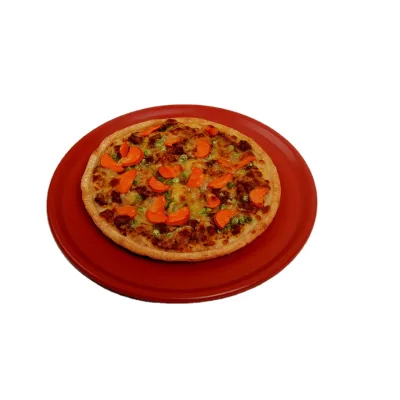


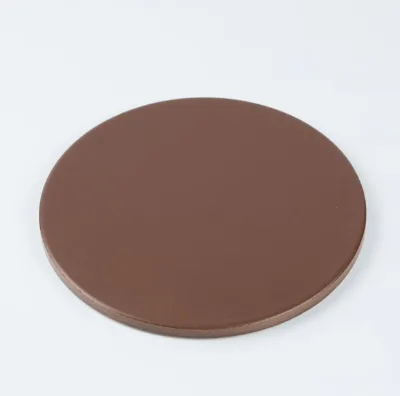
$4.00 - $6.00
MOQ: 500
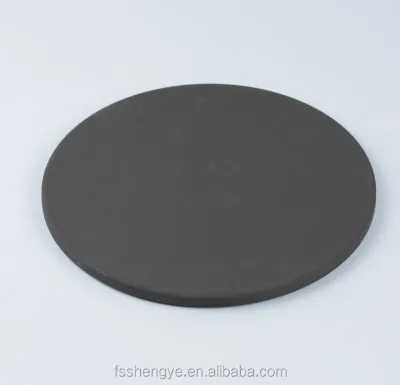
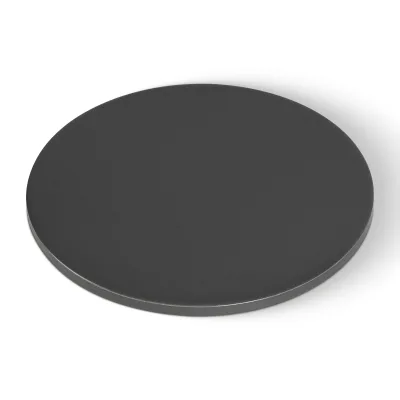


Comprehensive Sourcing Guide
Strategic Sourcing Guide for Round Sustainable Pizza Stones
Understanding Product Definitions and Core Attributes
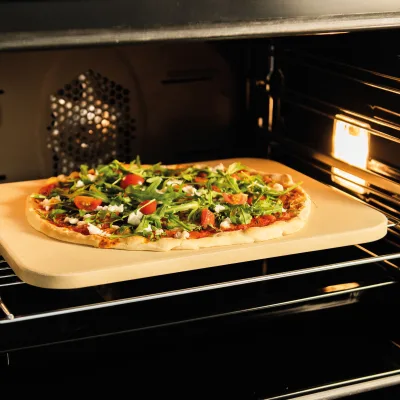
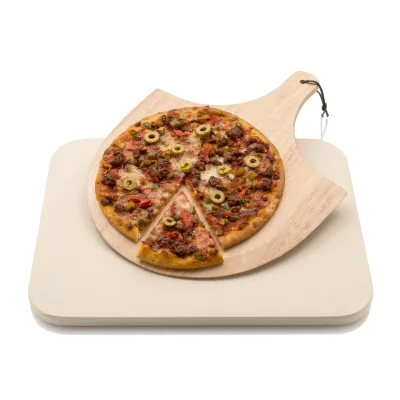
When sourcing round sustainable pizza stones, buyers must first distinguish between the generic category and specific product configurations found in the current market. The core keyword "Round Sustainable Pizza Stone" implies a product designed for high-heat baking that prioritizes environmental responsibility through material selection and manufacturing longevity. Based on available market data, the primary material composition for these items includes cordierite, ceramic, and natural stone. Cordierite is frequently cited as a premium option due to its thermal shock resistance, while ceramic variants offer a cost-effective alternative. The shape is predominantly round, aligning with the specific needs of standard pizza baking, though square and rectangular options also exist in the broader category.
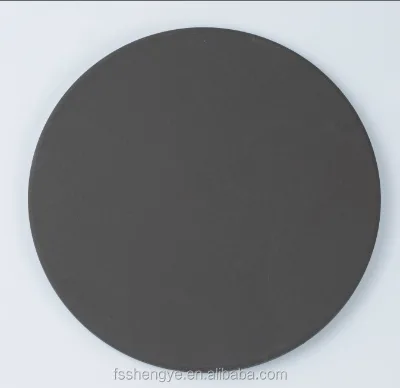
Sustainability in this context is often linked to the material's ability to retain heat efficiently, reducing energy consumption during baking, and the product's durability, which minimizes waste compared to disposable alternatives. The market data indicates that many suppliers offer "Eco-Friendly" as a primary feature, suggesting that the production processes or material sourcing meet specific environmental criteria. However, buyers should verify that "sustainable" claims are backed by specific material properties rather than generic marketing. The typical color for these stones is black, which aids in heat absorption and provides a professional aesthetic for commercial kitchens. The product is generally categorized under "Pizza Tools" and specifically "Pizza Stones," with usage focused on food baking to achieve a crusty pizza texture.
Technical Specifications and Material Performance
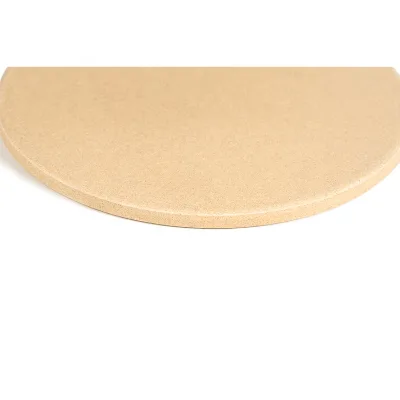
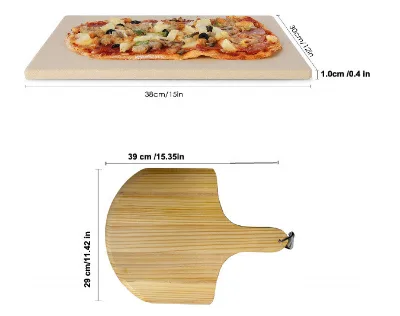
Technical specifications are the backbone of any successful procurement decision for pizza stones. The physical dimensions and material thickness directly influence heat distribution and baking results. In the observed market, sizes vary significantly, with common configurations including diameters of 12 inches, 13 inches, 14 inches, 15 inches, and 16 inches. Specific model numbers such as Jccps-1215 and Jcst-12 suggest a standardized naming convention that often correlates with dimensions. Buyers must pay close attention to the thickness specifications, which range from 9mm to 15mm. Thicker stones, such as those at 15mm, generally offer superior thermal mass, allowing for more consistent baking temperatures and better crust development, whereas thinner variants at 9mm or 11mm may be lighter but less effective at retaining heat over long baking cycles.
The material composition is equally critical. Cordierite is a magnesium aluminum silicate mineral known for its low coefficient of thermal expansion, making it highly resistant to cracking under rapid temperature changes. This is a vital attribute for stones used in commercial ovens that cycle between high and low temperatures. Ceramic stones are another common option, offering good heat retention but potentially lower resistance to thermal shock compared to cordierite. The "Round" shape is the standard for these tools, ensuring compatibility with round pizza doughs and standard oven racks. When evaluating technical specs, buyers should confirm the exact diameter and thickness, as variations like "1215"" or "D13&D15" indicate specific model configurations that may affect compatibility with existing kitchen equipment.
Compliance, Certification, and Environmental Standards
Compliance and certification checks are essential for verifying the "sustainable" claims associated with pizza stones. While the market data mentions "Eco-Friendly" as a feature, it does not provide specific certification numbers or third-party audit results for the products listed. Buyers should not assume that a product labeled as eco-friendly automatically meets international environmental standards without verification. The only standard explicitly referenced in the background data is ISO 27001:2022, which pertains to information security management rather than product sustainability or material safety. Therefore, buyers must treat this as a background reference and not a direct indicator of the pizza stone's environmental compliance.
To ensure genuine sustainability, procurement teams should request documentation regarding the sourcing of raw materials, specifically cordierite or ceramic clay. Questions should be directed at the supplier regarding the absence of harmful chemicals in the glazing or binding agents, if any are used. The "Customized" attribute observed in the market suggests that suppliers are open to tailoring products, which can include adjusting material compositions to meet specific environmental requests. Buyers should verify if the supplier can provide a Material Safety Data Sheet (MSDS) or a declaration of compliance with food contact regulations, such as FDA or EU standards, to ensure the stone is safe for direct food contact. Without explicit certification data in the provided context, the burden of verification lies with the buyer to request and validate these documents before finalizing a contract.
Cost Drivers and Pricing Dynamics
The cost of round sustainable pizza stones is influenced by several factors, including material quality, thickness, customization requirements, and order volume. The observed price range in the market spans from 2 to 129 USD per unit, indicating a significant variance based on specifications and brand positioning. This wide range suggests that entry-level ceramic stones are available at the lower end, while premium cordierite stones with custom branding or specific thicknesses command higher prices. The "Supply Ability" of 100,000 pieces per month indicates that large-scale manufacturers can support high-volume orders, which typically drives down the unit cost through economies of scale.
Minimum Order Quantities (MOQ) are a critical cost driver, with observed ranges between 300 and 1,000 pieces. Some suppliers list an MOQ of 500 pieces, while others may accept orders as low as 300. Buyers must balance the need for inventory against the upfront capital required to meet these thresholds. Customization, such as adding a "Custom Logo" or altering the "Standard" specifications, often incurs additional setup costs and may increase the unit price. The packaging method, noted as "Carton" or "CTN" with a configuration of 5 pieces per carton, also impacts logistics costs. Buyers should calculate the total landed cost, including shipping and handling, rather than focusing solely on the unit price, as the packaging density and weight will affect freight charges.
Supplier Evaluation and Operational Capabilities
Evaluating suppliers requires a focus on their operational capacity, geographic location, and flexibility. The primary production origin for these products is Jiangsu, China, a region known for its manufacturing infrastructure. Suppliers in this region often demonstrate high "Supply Ability," capable of producing 100,000 pieces monthly. This capacity is crucial for buyers with large distribution networks or those anticipating high demand. When evaluating a potential partner, buyers should assess their willingness to accept "OEM" (Original Equipment Manufacturer) requests, as the data confirms that OEM is acceptable for many suppliers. This flexibility allows buyers to create a branded product line that aligns with their specific market positioning.
The "Customization" feature is a key differentiator among suppliers. The ability to customize the "Logo," "Shape," and "Standard" indicates a supplier's adaptability. However, buyers must verify the lead times associated with these customizations, as the provided data does not specify exact production timelines. It is prudent to assume that custom orders will require longer lead times than stock items. Additionally, the presence of "Stocked" items suggests that some suppliers maintain inventory for immediate shipment, which can be beneficial for urgent procurement needs. Buyers should inquire about the supplier's quality control processes, especially since the "Feature" list includes "Stocked" and "Eco-Friendly," implying a need for consistent quality in these specific attributes.
Quality Control and Long-Term Procurement Strategy
Implementing a robust quality control (QC) strategy is vital for ensuring the longevity and performance of round pizza stones. Given the material variations between cordierite and ceramic, QC protocols must be tailored to the specific product type. For cordierite stones, testing for thermal shock resistance is paramount to prevent cracking during the baking process. For ceramic stones, checking for uniformity in thickness and density ensures consistent heat distribution. The "Without Timing Device" attribute confirms that these are passive heating tools, meaning their performance relies entirely on material integrity rather than electronic components.
Long-term procurement considerations should focus on the relationship between the buyer and the supplier regarding consistency and scalability. The "Model Number" variations, such as Jccps-1215 and Jcst-12, suggest that suppliers may have multiple product lines. Buyers should establish a clear specification sheet that locks in the required dimensions, thickness, and material to avoid receiving substandard or mismatched products. The "Commercial Buyer" target audience, primarily restaurants, implies that the stones must withstand heavy daily use. Therefore, procurement contracts should include clauses for replacement or warranty in case of premature failure. By maintaining a continuous dialogue with suppliers about performance feedback, buyers can ensure that the product evolves to meet changing market demands while maintaining the "Eco-Friendly" and "Sustainable" standards that are central to the core keyword.
Comparative Analysis of Product Configurations
To assist in decision-making, the following table summarizes the key variations observed in the market for round pizza stones. This comparison highlights the differences in material, size, and customization options that buyers should consider when selecting a supplier.
| Feature | Cordierite Variant | Ceramic Variant | Custom/Stocked Options |
|---|---|---|---|
| Primary Material | Cordierite | Ceramic | Mixed (Stone/Cordierite) |
| Typical Thickness | 15mm | 9mm - 11mm | 15mm & 11mm options |
| Common Sizes | 12", 13", 14", 15", 16" | 12", 13", 14", 15", 16" | D13" & D15" specific |
| Shape | Round | Round | Round, Square (Mixed) |
| Color | Black | Black | Black |
| Customization | Logo, Standard | Logo, Size | Custom Logo, OEM |
| MOQ Range | 300 - 1000 Pcs | 300 - 1000 Pcs | 500 Pcs typical |
| Packaging | Carton (5PCS/CTN) | Carton | CTN |
| Key Feature | Thermal Shock Resistant | Cost Effective | Eco-Friendly, Stocked |
This comparison underscores that while the core function remains the same, the material and thickness choices significantly impact performance and cost. Buyers should align their selection with their specific operational needs, such as the frequency of use and the type of oven equipment available. By carefully analyzing these attributes, procurement teams can make informed decisions that balance cost, quality, and sustainability goals.
FAQs
What material is used for round sustainable pizza stones?
The primary materials are cordierite and ceramic, with cordierite offering superior thermal shock resistance. Some products also list natural stones as a composition option for heat retention during baking.
Which thickness options are available for these pizza stones?
Available thicknesses range from 9mm to 15mm, with 15mm providing better thermal mass for consistent baking. Specific models may offer 11mm or 15mm configurations depending on the manufacturer.
Can buyers customize the logo and shape of the stone?
Yes, customization is available for logos and shapes, including round and square options. Buyers can request custom branding while maintaining the core function of baking crusty pizza.
What is the minimum order quantity for these products?
The minimum order quantity varies between 300 and 500 pieces depending on the supplier and specific model. Some vendors accept orders as low as 300 pieces while others require 500.
Where are these pizza stones manufactured?
The products originate from Jiangsu, China, a region known for its manufacturing infrastructure. Suppliers in this location typically offer high supply abilities to meet large volume demands.
How are the stones packaged for shipping?
The stones are packed in cartons, often with 5 pieces per carton. This packaging method ensures protection during transit while optimizing space for logistics and freight charges.