Source Round Tungsten Fishing Weight for Boat, River, Lake
Explore 30 listings for Round Tungsten Fishing Weight suitable for ocean boat fishing, river, and lake environments. Buyers can compare specifications such as material purity, hardness, and available weights ranging from 0.1g to 210g to find the right equipment for their outdoor activities.
Key considerations
Products List




Comprehensive Sourcing Guide
Strategic Sourcing Guide for Round Tungsten Fishing Weights
The global market for fishing tackle has seen a significant shift toward high-density materials, with round tungsten fishing weights emerging as a premium solution for anglers and professional suppliers alike. Sourcing these components requires a nuanced understanding of material science, manufacturing tolerances, and supply chain logistics. Unlike traditional lead weights, tungsten offers superior density, allowing for smaller profiles that reduce water resistance and improve casting distance. However, the procurement process for these specialized items involves navigating a complex landscape of material purity, certification standards, and variable supplier capabilities. This guide provides a structured approach for buyers to evaluate potential suppliers, verify product specifications, and establish a reliable supply chain for round tungsten fishing weights.
Technical Specifications and Material Composition
The primary differentiator in sourcing round tungsten fishing weights is the material composition. The supplied data indicates a clear distinction between lead-based options and high-purity tungsten variants. For buyers seeking the "round" profile specifically, the material must be verified as 95% to 97% pure tungsten. This high density, often cited around 18g/cm³, is critical for achieving the desired weight-to-volume ratio. A product labeled as "Tungsten Bird Head Fishing Sinker" or "Tungsten Worm Weights" must explicitly state this purity level to ensure performance claims regarding sink rate and casting efficiency are met.
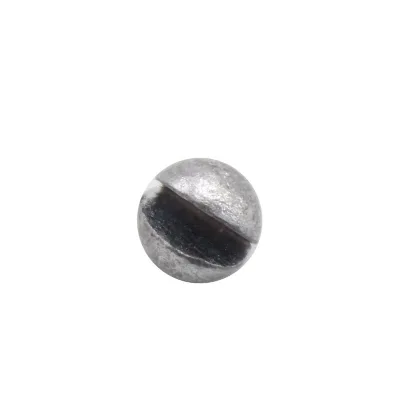
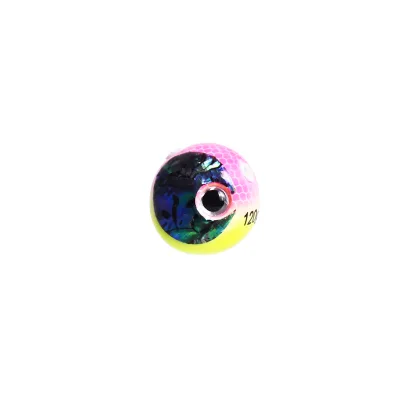
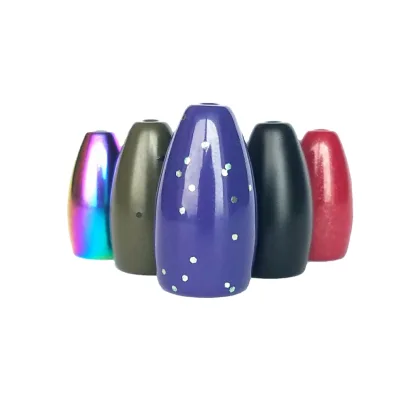
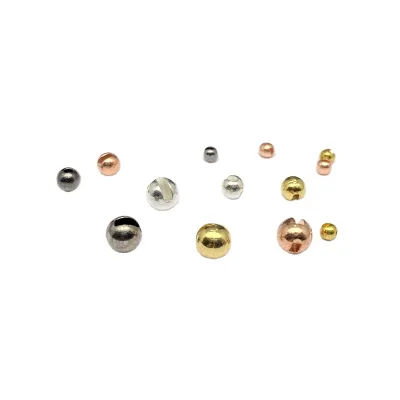
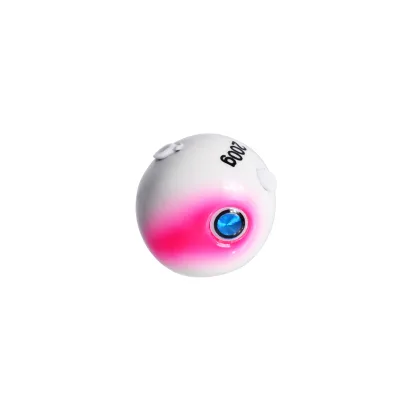
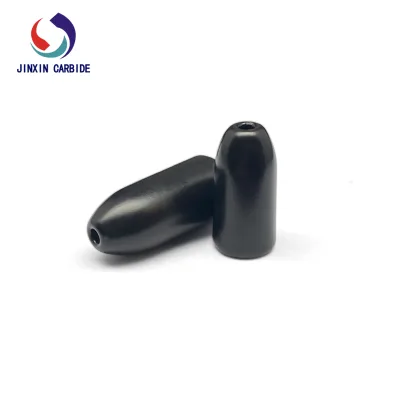
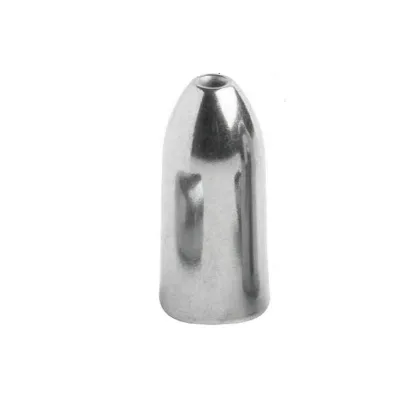
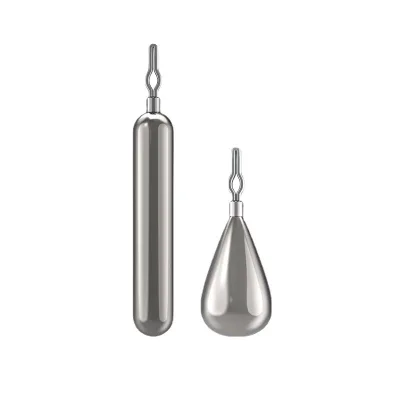
Dimensional consistency is equally vital. The market offers a wide range of sizes, from small 1/16oz (approximately 1.8g) units up to heavy-duty 1oz (28.0g) or even larger weights like 45g, 60g, 80g, and up to 210g. When sourcing round variants, buyers must verify the specific model numbers and size ranges provided by the manufacturer. For instance, some listings specify a size of "around 4 mm" for smaller applications, while others define the product by weight classes such as 45g through 210g. The physical shape is described as "round head" or "bullet" shapes, which are essential for specific fishing techniques like float fishing or handline fishing. The hardness of the material is another technical parameter; a hardness rating of 90HRA suggests a robust product that resists deformation during casting and retrieval, a key feature for durability in harsh marine environments.
Compliance, Certification, and Safety Standards
In the realm of B2B procurement, compliance is non-negotiable. While lead weights are often restricted or banned in certain jurisdictions due to environmental toxicity, tungsten is generally considered a safer alternative. However, the manufacturing process itself must adhere to international quality management standards. The supplied context explicitly mentions ISO9001:2015 certification as a verified attribute for certain suppliers. Buyers should prioritize vendors who can provide valid ISO9001:2015 documentation, as this indicates a systematic approach to quality control and process consistency.
Beyond material safety, the packaging and labeling must meet international trade standards. The product data indicates that items are typically packaged in plastic bags with single package dimensions ranging from 2.2x8x8 cm to 10x10x10 cm depending on the weight class. For bulk orders, the single gross weight of approximately 0.200 kg for smaller units must be accounted for in shipping calculations. Buyers must also verify that the "custom" branding options offered by suppliers do not infringe on existing trademarks. While some suppliers offer "custom" branding, others operate under established brand names like "Jinxin." It is crucial to confirm that any private labeling arrangement is legally sound and that the supplier has the authority to apply such branding.
Cost Drivers and Pricing Dynamics
The pricing of round tungsten fishing weights is influenced by several volatile factors, primarily the global market price of tungsten ore and the complexity of the sintering process required to achieve high purity. The observed price range in the market spans from $0.03 to $54.35 USD. This wide disparity reflects differences in weight capacity, material purity, and order volume. A 1.8g bullet weight will naturally cost significantly less than a 210g round head sinker.
Minimum Order Quantity (MOQ) is another critical cost driver. The data shows an MOQ range from 1 to 1000 pieces, with a specific high-confidence fact noting an MOQ of 50 pieces for certain listings. For small retailers or testing phases, suppliers accepting an MOQ of 1 or 50 are essential. However, for large-scale distribution, negotiating a lower unit price requires meeting higher volume thresholds. Buyers should be aware that the "Sample: Acceptable" status allows for pre-production verification, which can mitigate the risk of ordering large quantities of non-compliant goods. The cost per unit often decreases as the weight of the individual sinker increases, but the total order value will scale with the volume of high-density material required.
Typical Applications and Performance Scenarios
Round tungsten fishing weights are designed for versatility across various aquatic environments. The product attributes list specific positions including Ocean Boat Fishing, River, Lake, Ocean Beach Fishing, Reservoir Pond, Ocean Rock Fishing, and STREAM. This broad applicability makes them suitable for both freshwater and saltwater scenarios. The "round head" shape is particularly effective for reducing snagging on the bottom while maintaining a stable presentation, which is ideal for techniques like float fishing and handline fishing.
The application extends to specific target species and fishing styles. The keywords "fish lure" and "bass fishing" indicate a strong market presence in bass fishing, where the compact size of tungsten allows for precise lure placement. The "Worm, bullet, flipping" shapes suggest utility in heavy cover fishing where a streamlined profile is necessary to penetrate vegetation. The "Waterproof" and "Durable" features are essential for longevity in saltwater environments, where corrosion can degrade lead weights rapidly. Buyers should match the specific weight class to the fishing depth and current strength; for example, the 45g to 210g range is likely intended for deep-sea or heavy-current river fishing, while the 1.8g to 28.0g range serves inshore and freshwater applications.
Supplier Evaluation and Geographic Considerations
Geographic origin plays a significant role in the logistics and quality perception of fishing tackle. The supplied data highlights two primary manufacturing hubs: Zhejiang, China, and Hunan, China. Zhejiang is known for its robust manufacturing infrastructure and export capabilities, while Hunan may offer specialized metallurgical expertise. Buyers should evaluate suppliers based on their location relative to their port of shipment, as this impacts lead times and freight costs.
When evaluating a supplier, the "Number of Products" listed as 9999 suggests a high inventory capacity, but buyers must verify the actual stock levels for specific SKUs. The "Selling Units" being listed as "Single item" indicates flexibility in packaging, which is beneficial for mixed orders. A critical evaluation point is the "Advantage" attribute, specifically "More durable" compared to alternatives. Buyers should request evidence of this durability, such as drop tests or abrasion resistance data, rather than relying solely on marketing claims. Additionally, the "Power Supply" being listed as "Manual" confirms that these are passive fishing accessories, eliminating any concerns about electronic components or battery requirements.
Quality Control and Long-Term Procurement Strategy
Establishing a long-term procurement strategy for round tungsten fishing weights requires a rigorous quality control (QC) protocol. The first step is verifying the material density and hardness. A density of 18g/cm³ and a hardness of 90HRA are the benchmarks for high-quality tungsten. Buyers should insist on third-party test reports that confirm the 95% or 97% purity levels. Without these verifications, there is a risk of receiving tungsten alloys with lower density, which would compromise the product's performance.
Packaging integrity is another QC checkpoint. The "Plastic Bag" packaging must be sealed properly to prevent moisture ingress, which could affect the weight or appearance of the product over time. The "Single package size" variations must be consistent with the shipping manifest to avoid discrepancies in freight charges. For long-term partnerships, buyers should negotiate a "Sample: Acceptable" policy for every new batch to ensure consistency with the initial prototype.
Finally, the procurement strategy should account for the "Custom" branding capabilities. If a buyer intends to build a private label, the supplier must demonstrate the ability to apply branding without compromising the structural integrity of the weight. The "Model Number" (e.g., 11402 or Tungsten jig head) serves as a unique identifier for the product line, and maintaining these identifiers across different production runs is essential for inventory management. By focusing on these technical and logistical details, buyers can secure a reliable supply of high-performance round tungsten fishing weights that meet the demanding standards of the modern fishing industry.
FAQs
What materials are used for round tungsten fishing weights?
Round tungsten fishing weights are primarily made from 95% to 97% pure tungsten. Some alternative options use lead, but high-density tungsten variants offer superior density around 18g/cm3 for better casting performance.
Which certifications should I look for in tungsten weight suppliers?
Buyers should prioritize suppliers with ISO9001:2015 certification to ensure systematic quality control. This standard verifies that the manufacturing process maintains consistent material purity and dimensional accuracy for reliable product performance.
Can I find round tungsten weights with a minimum order of 50 pieces?
Yes, many suppliers accept a minimum order quantity of 50 pieces for these items. Some vendors may even allow orders as low as one piece for sampling, while others require up to 1000 pieces for bulk pricing.
How do I verify the hardness and density of the tungsten weights?
High-quality round tungsten weights typically have a hardness rating of 90HRA and a density of 18g/cm3. Buyers should request third-party test reports to confirm these specifications match the 95% or 97% purity claims.
What are the typical weight ranges available for these fishing weights?
Available sizes range from small 1.8g units up to heavy-duty 210g weights. Specific product lines offer distinct classes including 45g, 60g, 80g, 100g, 120g, 150g, 180g, and 210g for various fishing depths.
Where are these fishing weights typically manufactured in China?
Manufacturing hubs for these weights are located in Zhejiang and Hunan provinces in China. Buyers should consider these locations when evaluating shipping costs and lead times for their specific supply chain requirements.