Source Safe and Cute Bite Finger Game for kids, parents, and educators
Compare 30 listings for Safe and Cute Bite Finger Game toys designed for parent-child interaction and stress relief. Buyers can evaluate specifications, pricing, and customization options from verified suppliers in Guangdong and Shantou; compare the available evidence and request quotations based on your requirements.
Updated
Key considerations
Products List
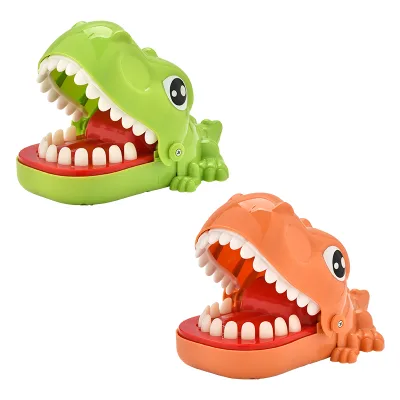
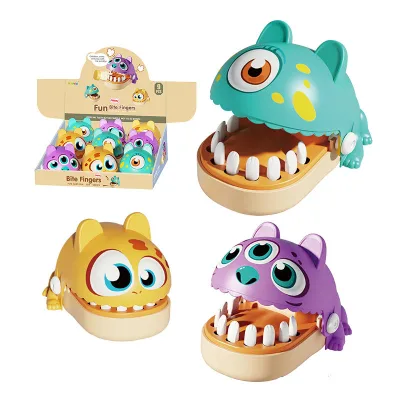
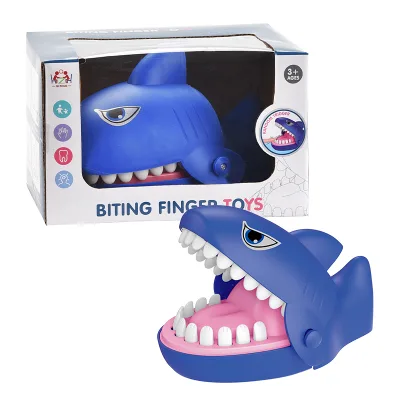
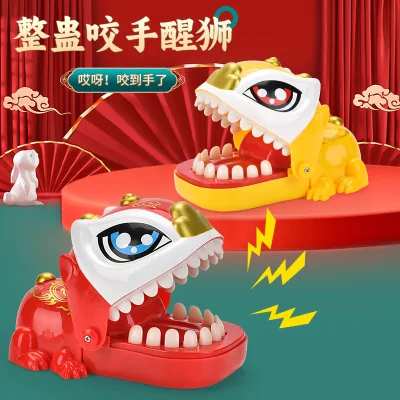
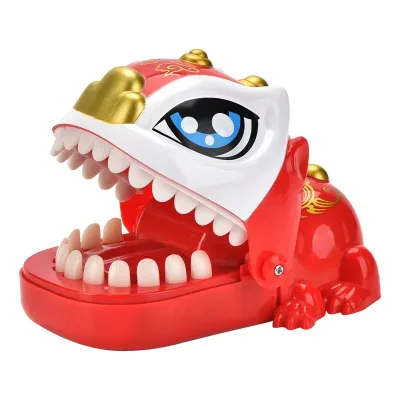
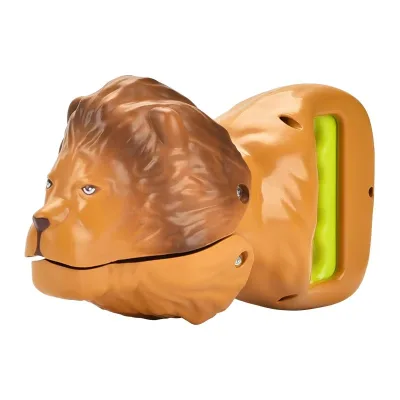


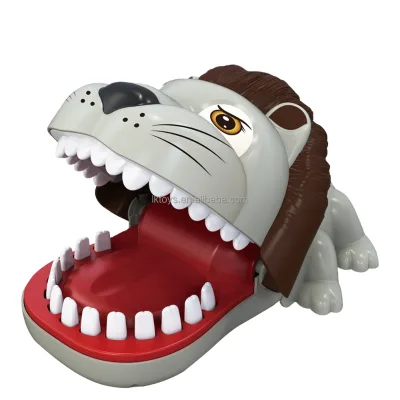
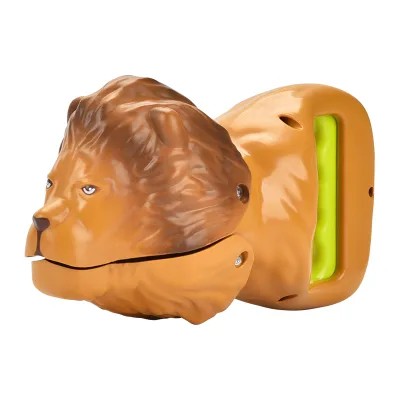
Lucky Toys Funny Lion Bite Finger Toy Dentist Games With Light and Sound for Kids
$2.05 - $2.40
MOQ: 240 pieces
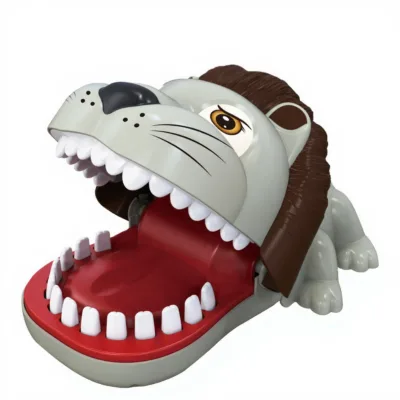
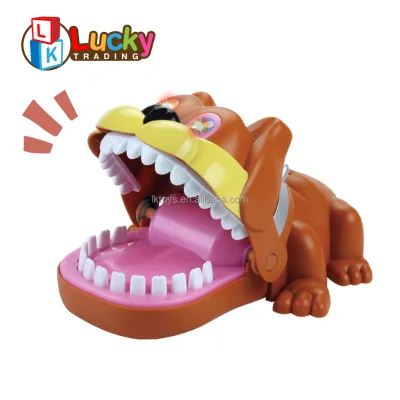
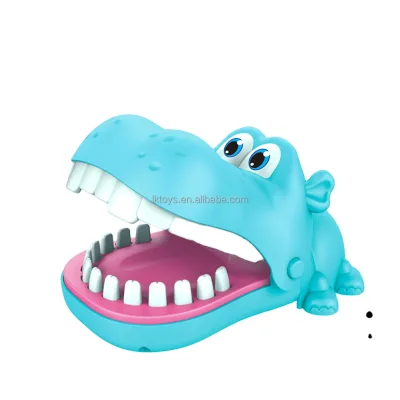
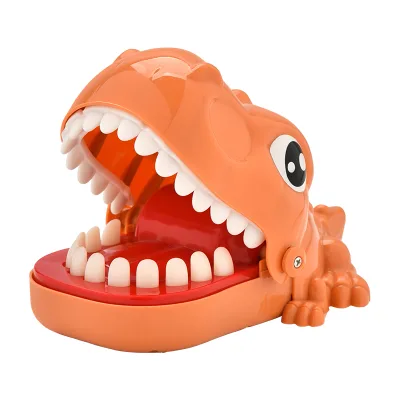
Lucky Toys Funny Animal Biting Finger Toy Teeth Dentist Biting Finger Toys Game
$2.0536 - $2.4644
MOQ: 240 pieces
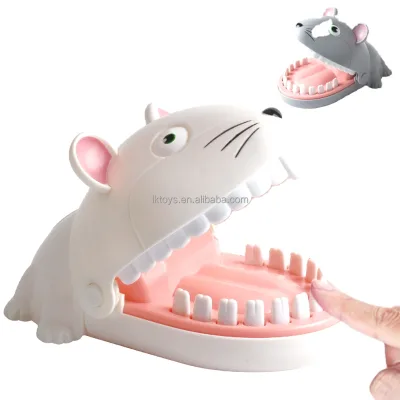
Lucky Toys Kid Biting Finger Mouse Educational Prank Toy Biting Funny Toy for Kids
$1.3116 - $1.49
MOQ: 360 pieces
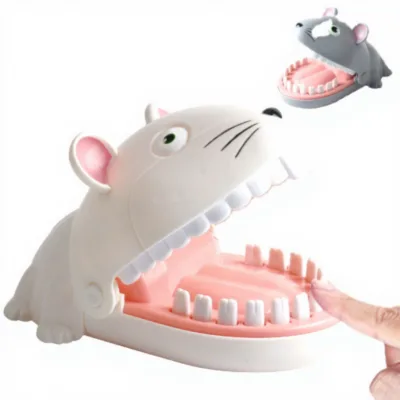
Lucky Toys Kid Biting Finger Mouse Educational Prank Toy Biting Funny Toy for Kids
$1.2846 - $1.4585
MOQ: 360 pieces
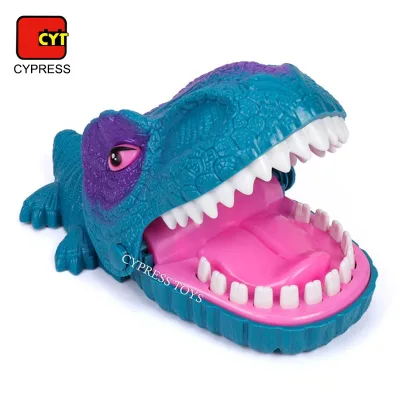


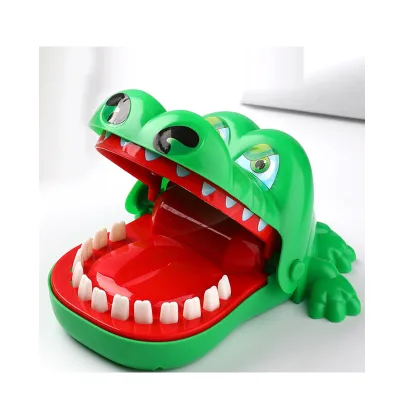
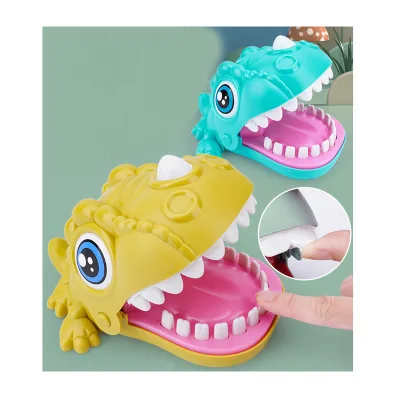


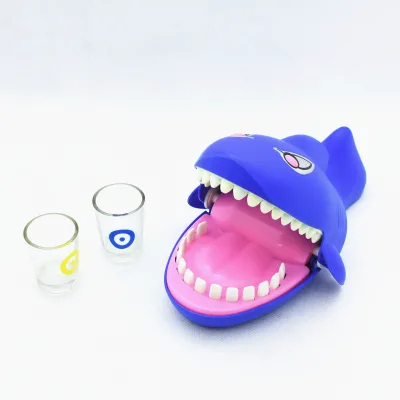
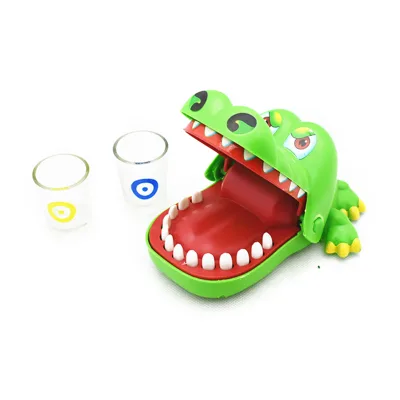
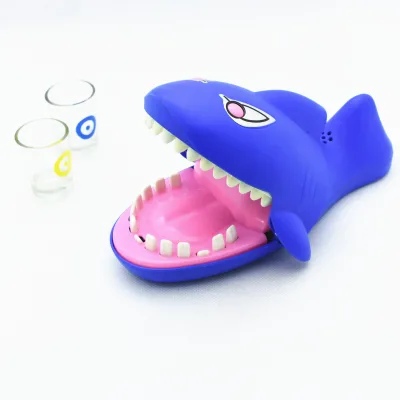
Lucky Shark Drinking Game and Finger Biting Game with 4 Shots for Adults Party
$2.3279 - $2.4838
MOQ: 300 sets
Comprehensive Sourcing Guide
Safe and Cute Bite Finger Game Sourcing Guide
Procuring bite finger game toys requires a careful balance between playful design and rigorous safety standards, as these items are intended for direct oral interaction by children. Buyers must prioritize suppliers who demonstrate a clear understanding of material safety, particularly regarding plastics that come into contact with mouths. The observed market listings indicate a strong emphasis on "cute" aesthetics, with color options ranging from vibrant oranges and greens to softer blues and pinks, catering to diverse consumer preferences. However, visual appeal must never compromise structural integrity or chemical safety.
Sourcing decisions should be grounded in verified product attributes rather than marketing claims. Current data shows a wide variety of models, including specific identifiers like BL307767 and ABC-909622, which suggests a fragmented supply chain with numerous manufacturers. Buyers need to establish clear specifications for age appropriateness, as observed ranges span from toddlers aged three and up to older children aged fourteen and above. This broad spectrum necessitates distinct safety protocols for different developmental stages, ensuring that smaller components or softer materials are matched correctly to the target demographic to prevent choking hazards or inappropriate use.
Product Scope and Observed Listing Signals
The current market for bite finger games features a diverse array of products, primarily categorized under outdoor toys and structures or board game styles. Listings reveal specific product names such as "Bite Finger Game Toy" and "DogTeeth Toys Game," indicating a niche segment focused on interactive, parent-child, or peer-to-peer play. The observed color palettes are extensive, including combinations like red and yellow, brown and yellow, and gray with khaki, allowing for significant customization opportunities. Buyers should note that while "cute" is a common descriptor, the actual visual presentation varies significantly by model, requiring close review of supplier imagery to ensure alignment with brand identity.
Packaging and unit metrics provide critical insights into logistics and retail readiness. Observed data indicates a standard quantity of 96 pieces per carton for certain models, while others are sold as single items with specific gross weights, such as 1.000 kg for the ABC-909622 model. Packaging types range from simple hand tags to robust carton boxes, with some suppliers offering customized packing solutions. The single package sizes vary considerably, from compact dimensions like 26x18x20 cm to larger boxes measuring 32x25x26 cm. These variations directly impact shipping costs and shelf space requirements, making accurate dimension verification essential for accurate freight calculation and warehouse planning.
Technical Specifications to Verify
Dimensional accuracy is a primary technical concern, as observed product sizes vary widely across different models. For instance, one model measures 26x9.5x10 cm, while another has a single package size of 26x18x20 cm. Buyers must verify these dimensions against their specific retail or distribution needs, as discrepancies can lead to packaging inefficiencies or product mismatch. Additionally, carton dimensions for bulk shipping, such as 83.5x30x113 cm or 74x39x58 cm, must be confirmed to optimize container loading. Failure to verify these metrics can result in unexpected freight costs or storage issues, particularly when mixing different SKUs in a single shipment.
Material composition and functional attributes are equally critical for product performance and safety. The primary material observed is plastic, which must be evaluated for durability and non-toxicity. Some products are marketed with specific functions, such as pressure relief, which may influence the hardness or flexibility of the plastic used. Buyers should request detailed material safety data sheets to confirm the absence of harmful substances like phthalates or BPA. Furthermore, the "light" size specification for certain models suggests a focus on portability, which may correlate with thinner walls or lighter materials that could affect durability during intense play sessions.
Compliance and Safety Documentation
Safety compliance is non-negotiable for bite finger games, given their direct oral contact nature. Buyers must ensure that suppliers provide comprehensive testing reports aligned with relevant international standards. While specific test results are not explicitly detailed in the observed data, standards such as EN71 are commonly associated with toy safety in European markets. Buyers should verify that all products have undergone rigorous mechanical and physical tests to ensure no small parts detach easily, posing a choking hazard. Additionally, chemical testing must confirm that the plastic materials meet strict limits for heavy metals and other toxic substances.
Documentation should also cover age grading accuracy, as observed age ranges span from 3+ to 14+ years. Suppliers must provide clear justification for these age classifications, ensuring that the product design and material safety align with the developmental capabilities of the target age group. For younger children, the risk of ingestion is higher, requiring stricter controls on size and material toxicity. Buyers should request certificates of conformity and test reports from accredited laboratories, ensuring that the documentation is current and covers the specific models being procured. This due diligence protects against regulatory penalties and ensures consumer trust in the product's safety.
Cost Drivers and Commercial Terms
Pricing in the bite finger game market is influenced by several factors, including material costs, customization levels, and order volume. The observed price range of $0.19 to $12.19 USD reflects significant variation based on product complexity and branding. Lower-priced items may be basic, unbranded versions with minimal packaging, while higher-priced items likely feature custom logos, unique designs, or premium materials. Buyers should analyze the cost structure to understand what drives the price difference, ensuring that they are not overpaying for features that do not add value to their target market.
Minimum Order Quantities (MOQs) and commercial terms also play a crucial role in procurement strategy. Observed MOQs range from 2 to 500 units, offering flexibility for both small retailers and large distributors. Suppliers who accept OEM/ODM services and customized logos provide greater branding opportunities but may have higher MOQs or setup fees. Buyers should negotiate clear terms regarding payment methods, shipping responsibilities, and return policies. Understanding these commercial terms helps in budgeting accurately and managing cash flow, especially when dealing with multiple suppliers or varying order sizes across different product lines.
Supplier Qualification and Quality Control
Supplier qualification is essential to ensure consistent product quality and reliable delivery. Buyers should prioritize suppliers located in established manufacturing hubs, such as Guangdong, China, or Shantou, which are known for toy production. These regions often have mature supply chains and experienced manufacturers, but buyers must still conduct thorough due diligence. Verifying the supplier's business license, production capacity, and past performance is crucial. Additionally, suppliers who welcome OEM/ODM requests and accept customized logos demonstrate flexibility and a customer-centric approach, which are valuable traits for long-term partnerships.
Quality control measures must be integrated into the procurement process to minimize defects and ensure product safety. Buyers should implement pre-shipment inspections to verify that products meet the agreed-upon specifications, including dimensions, colors, and packaging. Random sampling from production batches can help identify potential issues early. Furthermore, establishing clear communication channels with suppliers for rapid resolution of quality concerns is vital. Regular audits and feedback loops can help maintain high standards and foster a collaborative relationship, ensuring that the final products delivered to consumers are safe, durable, and visually appealing.
Long-Term Procurement Checks
Long-term success in sourcing bite finger games requires ongoing monitoring of market trends and regulatory changes. Buyers should stay informed about updates to safety standards, such as EN71 or other regional regulations, to ensure continued compliance. Regularly reviewing supplier performance metrics, including on-time delivery rates and defect percentages, helps identify potential issues before they escalate. Additionally, maintaining a diverse supplier base can mitigate risks associated with single-source dependencies, ensuring continuity of supply even if one supplier faces disruptions.
Product lifecycle management is also critical for maintaining competitiveness. Buyers should periodically assess the relevance of their product offerings, considering factors like changing consumer preferences for colors and designs. The observed variety in color options, from bright oranges to subtle grays, suggests that market tastes are diverse and evolving. By staying attuned to these trends and continuously engaging with suppliers for new innovations, buyers can keep their product lines fresh and appealing. This proactive approach ensures that the procurement strategy remains aligned with market demands, supporting sustained growth and customer satisfaction in the competitive toy industry.
FAQs
What materials are used for Safe and Cute Bite Finger Game toys?
These toys are primarily constructed from durable plastic materials designed for child safety. The product specifications confirm the use of plastic components to ensure structural integrity during play. This material choice supports the educational and interactive nature of the game while maintaining a lightweight profile suitable for young children aged three and above.
Can buyers customize the logo on these bite finger game toys?
Yes, customization is available for these products. The supplier explicitly accepts customized logos and welcomes OEM and ODM requests. This allows businesses to brand the toys with their own identity. The packaging can also be customized, offering flexibility for private label requirements while maintaining the standard carton box shipping format.
What is the minimum order quantity for these bite finger game toys?
The minimum order quantity ranges from 2 to 500 pieces depending on the specific model and customization level. Buyers can start with small quantities for testing or scale up for larger distributions. This flexible MOQ structure supports both small businesses and larger retailers looking to source Safe and Cute Bite Finger Game toys efficiently.
Which age groups are these bite finger game toys suitable for?
These toys are designed for a wide age range, including children aged 3 and up, 5 to 7 years, 8 to 13 years, and those 14 years and older. The versatile design supports parent-child games and educational play. This broad age suitability makes them ideal for diverse retail markets and family-oriented entertainment settings.
Where are these bite finger game toys manufactured?
These toys are manufactured in Guangdong, China, with specific origins noted in Shantou. This region is known for its robust toy manufacturing industry. The products are shipped directly from China, ensuring efficient logistics for international buyers. The manufacturing location supports the production of high-quality plastic toys with various color options like orange, green, and blue.
What packaging options are available for these bite finger game toys?
Standard packaging includes carton boxes with specific dimensions such as 83.5*30*113cm for bulk shipping. Individual items may feature hand tags for retail display. Customized packing is also accepted to meet specific buyer requirements. This ensures safe transport and attractive presentation, supporting both wholesale distribution and direct-to-consumer sales channels effectively.