Source Screen Printing PET Shampoo Bottle for Cosmetics, Personal Care, and Storage
Compare 30 Screen Printing PET Shampoo Bottle options featuring plastic construction, lotion pump closures, and customizable logos. Buyers can evaluate capacities ranging from 100 ml to 550 ml, various shapes including round and curved designs, and surface handling methods like screen printing and hot stamping for personal care applications.
Key considerations
Products List


500ml Pet Plastic Bottle Hair Care Products Shampoo Conditioner Bottle
$0.20 - $0.50
MOQ: 10000 Pieces

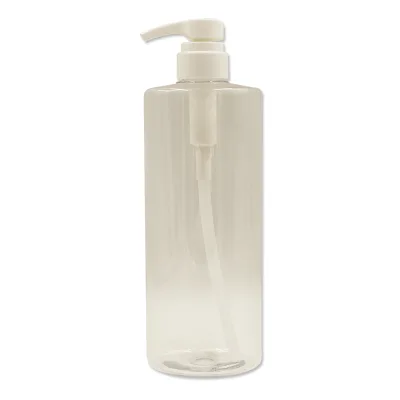
120ml/1000ml Shampoo and Conditioner Plastic Pet Bottle with Lotion Pump
$0.09 - $0.18
MOQ: 5000 Pieces



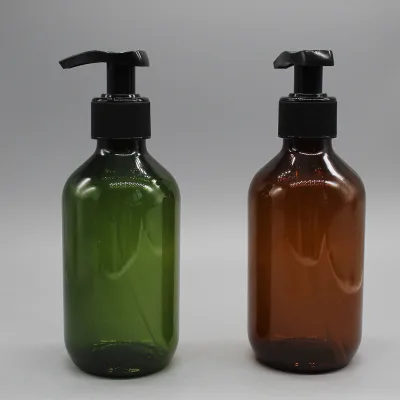
Pet Shampoo Conditioner Shower Gel Liquid Soap Bottle with Lotion Pump
$0.30 - $0.50
MOQ: 10000 Pieces


Comprehensive Sourcing Guide
Strategic Sourcing Guide for Screen Printing PET Shampoo Bottles
Understanding Material Composition and Structural Integrity
When sourcing screen printing PET (Polyethylene Terephthalate) shampoo bottles, the primary consideration is the balance between material durability and printability. The supplied product data confirms that the material in question is explicitly identified as plastic, with specific references to PET characteristics in the broader market context. PET is favored in the cosmetics and personal care industry for its clarity, strength, and recyclability. The observed product attributes indicate that these bottles are designed for the storage of various liquids, including sustainability-focused refilling applications.
A critical structural observation from the available data is the variation in bottle shapes. Buyers will encounter both "Round Bottle" and "Curved" designs. The round configuration typically offers superior structural rigidity and stacking efficiency, while curved bottles provide ergonomic handling for personal care products. The capacity range observed spans from 100 ml to 550 ml, with specific models noted at 100 ml, 200 ml, and 300 ml. This variability allows buyers to select packaging that aligns precisely with their product formulation volume.
The neck size is another vital specification. The data highlights a standard neck size of 24/410, which is a common industry standard for lotion pumps and shampoo dispensers. This ensures compatibility with a wide range of pump mechanisms. The closure type is consistently identified as "Pump-on," specifically utilizing a "Lotion Pump" or "Pump Sprayer" mechanism. This design choice is essential for controlling the viscosity of shampoo and ensuring a leak-proof seal, a feature explicitly listed in the product attributes. The sealing type is confirmed as a pump sprayer, which is critical for preventing leakage during transit and storage.
Technical Specifications for Screen Printing Applications
The application of screen printing on PET bottles requires specific surface characteristics to ensure ink adhesion and longevity. The supplied facts indicate that surface handling methods include "Screen Printing," "Label," "Silk Printing," "Hot Stamping," and "Painted" finishes. For buyers focusing on screen printing, the surface preparation is paramount. The data suggests that "Matte" and standard "Color" finishes are available, which can influence the visual contrast of the printed logo.
The printing process itself is detailed as supporting "Custom Logo" and "Customized Logo" options. This flexibility is a key driver for brand differentiation in the competitive cosmetics market. The ability to apply custom logos via screen printing allows for high-definition graphics and vibrant colors. However, the success of this process depends on the bottle's surface energy and the specific ink formulation used. The data mentions "Silk Printing" and "Screen Printing" as distinct but related capabilities, suggesting that suppliers may offer both traditional screen methods and silk screening techniques depending on the design complexity.
Capacity and volume are tightly linked to the printing surface area. Models ranging from 100 ml to 500 ml offer different surface areas for branding. The "25Flora01-06" and "25ANNIE" series models represent specific design iterations that may have unique curvature affecting print registration. Buyers must verify that the chosen model's curvature is compatible with the screen printing machinery they intend to use or that the supplier has the capability to handle the specific geometry. The "Narrow Mouth Bottle" specification further constrains the internal volume but does not necessarily impact the external print area, allowing for ample branding space on the body of the bottle.
Compliance, Certification, and Sustainability Standards
Sourcing PET shampoo bottles involves navigating a complex landscape of compliance and sustainability standards. The product data explicitly lists "Recyclable" as a key feature, aligning with global trends toward eco-friendly packaging. This attribute is crucial for brands aiming to meet environmental, social, and governance (ESG) goals. However, the term "Recyclable" is an observation of the material's potential rather than a guarantee of a specific certification status. Buyers must verify if the PET resin used meets local recycling standards, such as those defined by the Society of the Plastics Industry (SPI) or equivalent regional bodies.
The data references a standard of "120mm" and "100ml" under the prod_standard attribute. While these likely refer to physical dimensions or volume capacities, they do not constitute a formal safety or quality certification. Buyers should not assume that the listed dimensions imply compliance with specific international safety standards without further verification. Similarly, the origin is listed as "China" and "Anhui," which indicates the manufacturing region but does not inherently confirm adherence to specific export regulations or quality management systems like ISO 9001.
For the cosmetics and personal care industry, compliance with regulations regarding food-grade or cosmetic-grade plastics is essential. While the data mentions "Cosmetics" and "Personal Care Product" as usage categories, it does not provide specific test results or certification documents. Buyers must request documentation proving that the PET material is free from harmful substances and suitable for contact with cosmetic formulations. The "Sustainability/Refilling" application mentioned in the data suggests a design philosophy aligned with circular economy principles, but buyers should confirm if the bottles are designed for multiple refills or single-use recycling.
Cost Drivers and Economic Factors in Procurement
The economic landscape for sourcing screen printing PET shampoo bottles is influenced by several variables, including material costs, customization levels, and order volume. The observed price range in the market is between $0.06 and $1.00 USD per unit. This wide range reflects the diversity in specifications, such as bottle size, color, and the complexity of the screen printing design. Smaller bottles, such as the 100 ml variants, likely fall toward the lower end of this spectrum, while larger, more complex designs with custom colors and intricate printing may approach the upper limit.
Minimum Order Quantity (MOQ) is a significant cost driver. The data indicates an MOQ range of 500 to 10,000 units, with a specific high-confidence fact noting an MOQ of 1,000 units. This variability allows buyers to scale their orders based on their inventory needs and cash flow. However, the cost per unit typically decreases as the order volume increases, due to the amortization of setup costs for screen printing plates and mold adjustments.
Customization is a major factor in pricing. The data confirms that "Customization" and "Customized" options are available, including custom logos and specific shapes. These bespoke elements require additional setup time and resources, which can increase the unit cost. The "Carton Box" and "Carton" packing methods are standard, but the packing quantity, such as "200PCS" per carton, affects logistics costs. Buyers should calculate the total landed cost, including shipping and handling, rather than focusing solely on the unit price.
Payment terms, such as "Tt or Western Union," are standard in international trade but may influence cash flow management. The lead time is noted as "Within 30 Days," which is a critical factor for supply chain planning. Delays in production or shipping can disrupt inventory levels, so buyers should factor in buffer time when planning their procurement cycles. The availability of samples, including "Provide Freely" options, allows buyers to assess quality before committing to large orders, potentially reducing the risk of costly mistakes.
Typical Applications and Market Fit
The primary application for these screen printing PET shampoo bottles is in the cosmetics and personal care sector. The data explicitly lists "Cosmetics," "Personal Care Product," and "Storage of Other Liquids" as usage categories. This versatility makes them suitable for a wide range of products, including shampoos, conditioners, body washes, and lotions. The "Adult" age group specification indicates that the design and functionality are tailored for general adult consumers, rather than specialized pediatric or medical markets.
The "Refilling" application is a notable trend in the industry. As consumers become more environmentally conscious, brands are increasingly adopting refillable packaging systems. The "Recyclable" nature of the PET material supports this trend, allowing brands to market their products as sustainable choices. The "Pump-on" closure type is particularly well-suited for viscous liquids like shampoo, providing a controlled dispensing mechanism that enhances user experience.
The "Curved" and "Round" shapes offer different ergonomic benefits. Curved bottles may provide a better grip for users with varying hand sizes, while round bottles offer a classic, timeless aesthetic that fits well on retail shelves. The "Narrow Mouth" design is ideal for preventing spills and ensuring that the pump mechanism functions correctly without leakage. These features collectively make the bottles a strong fit for brands looking to balance functionality, aesthetics, and sustainability.
Supplier Evaluation and Quality Control Protocols
Evaluating suppliers for screen printing PET shampoo bottles requires a rigorous approach to ensure quality and reliability. The data indicates that the origin is primarily "China" and "Anhui," regions known for significant manufacturing capacity. However, buyers must look beyond geographic origin to assess the supplier's technical capabilities. The ability to perform "Screen Printing," "Silk Printing," and "Hot Stamping" suggests a diverse range of printing technologies. Buyers should verify that the supplier has the necessary equipment and expertise to handle the specific printing requirements of their brand.
Quality control is essential to ensure that the bottles meet the required standards. The "Leak-proof" attribute is a critical quality metric that must be verified through testing. Buyers should request test results or conduct their own leak tests to ensure that the pump-on closure and sealing type function correctly under various conditions. The "Custom Logo" and "Customized Logo" options require precise registration and color matching. Buyers should review sample batches to check for print clarity, color consistency, and adhesion durability.
The "Sample" availability is a valuable tool for supplier evaluation. The data mentions that samples are "Provided" and even "Provide Freely." This allows buyers to physically inspect the bottle's quality, print quality, and functionality before placing a large order. Buyers should use these samples to test the bottle's performance in real-world scenarios, such as exposure to different temperatures and handling conditions.
Supplier communication and responsiveness are also key factors. The "Welcome OEM ODM" attribute indicates that suppliers are open to original equipment manufacturer and original design manufacturer partnerships. This flexibility is crucial for brands looking to customize their packaging. Buyers should assess the supplier's willingness to collaborate on design, their ability to meet lead times, and their responsiveness to inquiries. The "Within 30 Days" delivery time is a benchmark, but buyers should confirm if this is a guaranteed timeline or an estimate.
Long-Term Procurement Considerations and Supply Chain Resilience
Long-term procurement of screen printing PET shampoo bottles requires a strategic approach to supply chain resilience and cost management. The variability in MOQs, from 500 to 10,000 units, offers flexibility for buyers to adjust their order sizes based on market demand. However, buyers should consider the potential for supply chain disruptions and the impact on lead times. The "Within 30 Days" delivery time is a standard benchmark, but external factors such as raw material shortages or logistical challenges could extend this timeline.
Sustainability is a long-term consideration that will continue to influence procurement decisions. The "Recyclable" nature of the PET material aligns with global sustainability goals, but buyers should stay informed about evolving regulations and consumer expectations. Brands may need to adapt their packaging strategies to meet new environmental standards or to enhance their sustainability credentials. The "Refilling" application suggests a potential for long-term product lines that encourage repeat purchases and brand loyalty.
Cost stability is another critical factor. The price range of $0.06 to $1.00 USD reflects market volatility, and buyers should monitor trends in raw material costs, such as PET resin prices. Long-term contracts with suppliers may help stabilize costs and ensure a steady supply of high-quality bottles. The "Customization" options allow for brand differentiation, but buyers should balance the desire for unique designs with the need for cost efficiency.
Finally, the "OEM ODM" capability of suppliers offers opportunities for innovation and collaboration. Buyers should engage with suppliers to explore new designs, materials, and printing techniques that can enhance their product offerings. By building strong relationships with suppliers, buyers can ensure a reliable supply chain and maintain a competitive edge in the cosmetics and personal care market. The ability to customize logos, shapes, and capacities ensures that the packaging remains relevant and appealing to consumers over the long term.
FAQs
Can I get a custom logo printed on these bottles?
Yes, custom logos are available for screen printing on these plastic bottles. Suppliers support customized branding through screen printing, silk printing, and hot stamping to ensure your specific design requirements are met for personal care products.
What is the minimum order quantity for these bottles?
The minimum order quantity typically ranges from 500 to 10,000 units depending on the supplier. One specific high-confidence fact lists an MOQ of 1,000 units for standard orders, while other options may vary based on customization needs.
How long does it take to receive an order?
Delivery is generally completed within 30 days after order confirmation. This lead time applies to standard production cycles for plastic lotion bottles with screen printing, though complex customizations might require additional processing time.
Which bottle capacities are available for screen printing?
Available capacities include 100 ml, 200 ml, 300 ml, and up to 550 ml for customized orders. The product range supports volumes from 100 to 500 ml, allowing selection based on your specific cosmetic or personal care product volume.
What printing methods are supported for these bottles?
Screen printing, silk printing, hot stamping, and painted finishes are supported for these plastic bottles. These surface handling options allow for high-quality custom logos and graphics suitable for the cosmetics and personal care industry applications.
Are these bottles suitable for refilling and sustainability?
Yes, the bottles are designed for storage of other liquids and support refilling applications. They are explicitly marked as recyclable, aligning with sustainability goals for brands looking to adopt eco-friendly packaging solutions in the global market.
What is the standard neck size for these bottles?
The standard neck size is 24/410, which is compatible with most lotion pumps. This specification ensures a secure pump-on closure and leak-proof seal for viscous liquids like shampoo and body wash used in personal care products.