Source Seated Low Row Machine for Gym Home Use and Community Centers
Explore 30 verified listings for the Seated Low Row Machine suitable for gym, home, and community use. Buyers can compare specifications, certifications, and pricing from manufacturers in China to find durable, CE-certified options for commercial or personal fitness needs.
Key considerations
Products List


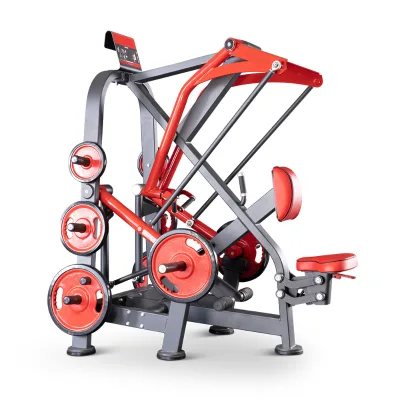
High Quality Professional Lat Pulldown /low Row Machine Selection Seated Row
$669.00 - $729.00
MOQ: 1 pieces


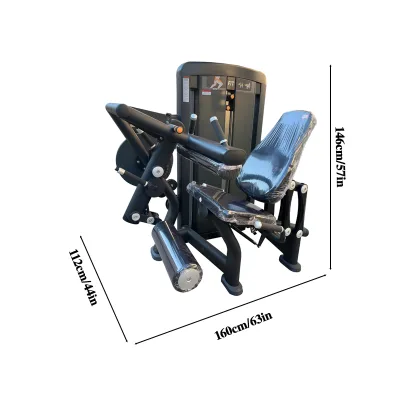
Good Feedback Plate Loaded Seated Multi High Row Machine for Back Training
$770.00 - $810.00
MOQ: 2 Pieces




Comprehensive Sourcing Guide
Strategic Sourcing Guide for Seated Low Row Machines
Understanding the Technical Landscape of Seated Rowing Equipment
When sourcing a Seated Low Row Machine, buyers must first distinguish between the specific mechanical configurations available in the global market. The core keyword "Seated Low Row Machine" often encompasses a broader category of fitness equipment, including multi-gym systems and dedicated indoor rowing units. Based on current market observations, these machines are frequently categorized under "Multi Gym" or "Seated Rowing Machine" classifications. A critical technical distinction lies in the power source; the majority of high-end commercial units operate on a manual basis, relying on user-generated force rather than electrical motors. This manual operation ensures reliability and reduces long-term maintenance costs associated with electronic components.
The structural integrity of these machines is paramount. The primary materials observed in the supply chain include high-grade steel and alloy components. Steel provides the necessary rigidity for heavy-load applications, while alloy elements often contribute to weight reduction and corrosion resistance in specific moving parts. A key specification to verify is the tube thickness, which directly correlates with the machine's load-bearing capacity and durability. In several observed product lines, tube thicknesses of 3.0mm are standard for commercial-grade units, ensuring they can withstand the repetitive stress of high-traffic gym environments. The weight of the unit itself is also a significant factor; commercial models can weigh up to 200 kg, providing the stability required during intense rowing sessions.
The physical dimensions of the equipment vary significantly based on the intended application. Standardized dimensions for certain models range around 1332mm in length, 1120mm in width, and 1495mm in height, while other configurations may differ. Buyers should not assume a universal size but must verify the specific footprint against their facility's layout. The "Folded" attribute is another technical consideration; while some units are designed to remain in an "Unfolded" state for permanent installation, others may offer folding capabilities for space-constrained environments. The "Type of Shipping" is often negotiable, indicating that logistics solutions should be tailored to the specific dimensions and weight of the chosen model.
Compliance, Certification, and Safety Standards
In the B2B procurement of fitness equipment, compliance is not merely a formality but a critical risk mitigation strategy. The global market for seated low row machines is heavily regulated, particularly regarding safety and environmental standards. Buyers must verify that suppliers possess valid certifications that align with the target market's regulations. The most frequently observed certification for these units is the CE mark, which indicates conformity with health, safety, and environmental protection standards for products sold within the European Economic Area.
Beyond the CE mark, additional certifications such as ISO9001 and RoHS are frequently cited by manufacturers. ISO9001 demonstrates that the supplier adheres to a recognized quality management system, ensuring consistent product quality and process control. RoHS (Restriction of Hazardous Substances) compliance is essential for electronic components or materials that may contain restricted hazardous substances, ensuring the equipment is safe for human contact and environmentally responsible. Some suppliers also reference specific plate-loaded standards, such as "BG2 plate-loaded," which defines the mechanical interface and safety protocols for the weight stack system.
It is crucial for buyers to treat certification claims as observations that require verification rather than absolute guarantees. The presence of a certification on a product listing does not automatically validate the entire production batch. Procurement teams should request valid, up-to-date certification documents directly from the supplier before finalizing an order. Furthermore, the "Feature" attributes of the machine, such as being "Eco-Friendly," "Durable," "Safe," and having "Anti-Slip" surfaces, should be cross-referenced with the certification documentation. These features are often marketing descriptors that must be substantiated by the underlying safety standards and material specifications.
Cost Drivers and Pricing Variables
The pricing of seated low row machines is influenced by a complex array of factors, resulting in a wide observed range from $20 to $60,000 USD. This vast disparity is not indicative of a single product category but rather reflects differences in material quality, manufacturing complexity, and intended application. The lower end of the spectrum typically corresponds to basic residential or light commercial units, while the upper end represents heavy-duty, multi-functional gym systems with advanced engineering.
Material composition is a primary cost driver. Units constructed with high-grade steel and alloy components, featuring thicker tube walls (e.g., 3.0mm), command higher prices due to the raw material costs and the precision required in fabrication. The weight of the machine, which can reach 200 kg for commercial models, also impacts shipping costs, a significant variable in the total landed cost. Buyers should be aware that the "Selling Units" may be listed as "Single item," but the actual transaction often involves negotiating the "Type of Shipping" and associated freight charges, which can vary based on the destination and the specific packaging requirements.
Packaging is another significant cost factor. While some units are shipped in standard cartons, commercial-grade equipment often requires "Wooden Case" or "Ply" packaging to prevent damage during international transit. The choice between "Carton or Wooden Box" packaging can influence the final price, as wooden crates are more expensive but offer superior protection for heavy machinery. Additionally, customization options, such as "Customer Logo" application or "Customized" colors, add to the production cost. The "Business Type" of the supplier, whether a "Manufacturer/Factory" or a trading company, also plays a role in pricing, with direct manufacturers often offering more competitive rates for large orders.
Typical Applications and Operational Environments
Seated low row machines are designed for a diverse range of applications, spanning from home use to large-scale commercial facilities. The "Appliance" classification for these units includes "Home," "Gymnasium," "Community," "Park," and "Commercial" settings. This versatility allows buyers to source equipment that fits specific operational needs, whether it is a small community center or a high-end fitness club. The "Applicable Scene" is often listed as "Commercial" or "Gym Home Use," indicating that the same model may be suitable for different environments depending on the intensity of use.
The "Exercise Part" targeted by these machines is primarily the "Arm," but the seated low row is a compound movement that engages the back, core, and legs. This makes it a versatile piece of equipment for comprehensive fitness programs. The "Function" of the machine is often described in terms of specific muscle groups, such as the "Chest," although the primary focus remains on the rowing motion. The "Gender" classification is typically "Unisex," ensuring that the equipment is accessible to all users regardless of physical differences.
For commercial applications, the durability and safety features are critical. Machines intended for "Gymnasium" or "Community" use must withstand high-frequency usage and varying user weights. The "Feature" set, including "Anti-Slip" surfaces and "Safe" design elements, is essential for these environments. In contrast, home-use models may prioritize space-saving designs and aesthetic customization. The "Type" of machine, such as "Large Loader" or "Seated Rowing Machine," dictates the specific operational requirements and user experience. Buyers should align their selection with the expected user volume and the specific fitness goals of their target demographic.
Supplier Evaluation and Manufacturing Capabilities
Evaluating suppliers for seated low row machines requires a thorough assessment of their manufacturing capabilities and business structure. The "Business Type" is a key indicator, with many suppliers identifying as "Manufacturer/Factory." This distinction is important as it suggests direct control over the production process, potentially offering better quality control and pricing flexibility compared to trading companies. The "Location" of the supplier, often cited as "China" or specific regions like "Shandong," provides insight into the supply chain logistics and potential lead times.
Buyers should verify the "Brand Name" and "Model Number" to ensure they are dealing with established entities. For instance, models like "BG2026," "SN004," "SQ-6005," and "SD-PN15" represent specific product lines with distinct specifications. The "Mndalnumha" or manufacturer code, such as "Crinna," can also be used to trace the origin and history of the product. It is essential to confirm that the supplier can provide the specific "prod_packing" and "prod_standard" required for the order.
The "Customization" availability is a significant factor in supplier selection. Many suppliers offer "Customer Logo" and "Colorized" options, allowing buyers to brand the equipment for their facilities. However, buyers must understand that customization often impacts the "MOQ" (Minimum Order Quantity). While some suppliers list an MOQ of "1 Set," others may require higher volumes for custom orders. The "Selling Units" and "Type of Shipping" should be clearly defined in the contract to avoid misunderstandings. Buyers should also inquire about the "prod_origin" to ensure the product meets the regulatory requirements of their target market.
Quality Control and Long-Term Procurement Considerations
Ensuring the quality of seated low row machines is a continuous process that extends beyond the initial purchase. Quality control measures should focus on the structural integrity of the steel and alloy components, the precision of the tube thickness, and the reliability of the moving parts. The "Weight" of the machine, which can be up to 200 kg, is a strong indicator of the amount of material used and the overall robustness of the unit. Buyers should request detailed specifications regarding the "prod_standard" and "prod_packing" to ensure the product meets their quality expectations.
Long-term procurement considerations include the availability of spare parts and the durability of the equipment. The "Feature" attributes, such as "Durable" and "Eco-Friendly," suggest a focus on longevity and sustainability. However, buyers must verify these claims through independent testing or third-party reviews. The "Certification" status, including CE and ISO9001, provides a baseline for quality but should be supplemented with on-site inspections or factory audits.
The "Packaging" of the machine is also a critical aspect of long-term procurement. Proper packaging, such as "Wooden Case" or "Carton or Wooden Box," ensures that the equipment arrives in perfect condition. Buyers should negotiate the "Type of Shipping" to minimize the risk of damage during transit. Additionally, the "Customization" options should be evaluated for their long-term impact on the brand identity and user experience. By focusing on these quality control and procurement considerations, buyers can ensure that their investment in seated low row machines delivers value and reliability over time.
Comparative Analysis of Key Specifications
To facilitate informed decision-making, the following table summarizes the key specifications observed in the market for seated low row machines. This comparison highlights the variations in model numbers, dimensions, materials, and certifications that buyers should consider.
| Specification | Model BG2026 | Model SN004 | Model SQ-6005 | Model SD-PN15 |
|---|---|---|---|---|
| Primary Material | Alloy | Steel | Steel | Steel |
| Tube Thickness | Not Specified | Not Specified | Not Specified | 3.0mm |
| Dimensions | Not Specified | 133211201495 | Normal Size | 155150190cm |
| Weight | Not Specified | Not Specified | Not Specified | 200 Kg |
| Certification | CE | CE, ISORoHS | CE ISO9001 | Not Specified |
| Packing | Ply | Wooden Case | Carton or Wooden Box | Wooden Box |
| Origin | China | Shandong, China | Shandong | China |
| Standard | BG2 plate-loaded | 133211201495 | Normal Size | Not Specified |
| MOQ | Not Specified | Not Specified | 1 Set | Not Specified |
| Application | Home, Gym, Community | Home, Gym, Park | Commercial | Commercial |
This table illustrates the diversity in the market. While some models emphasize specific dimensions and certifications, others focus on general specifications. Buyers must carefully match these attributes to their specific requirements, ensuring that the selected machine meets the operational, safety, and logistical needs of their facility. The variation in "prod_packing" and "prod_standard" underscores the importance of verifying these details before placing an order. By understanding these nuances, buyers can navigate the complex landscape of Seated Low Row Machine procurement with confidence and precision.
FAQs
What certifications do seated low row machines typically have?
Most units carry CE certification, with some also including ISO9001 and RoHS marks. These certifications indicate compliance with safety and environmental standards, but buyers should verify valid documents directly from the supplier before ordering.
Which materials are used for commercial seated rowing machines?
High-grade steel and alloy components are the primary materials used for structural integrity. Steel provides rigidity for heavy loads, while alloy elements often reduce weight and resist corrosion in moving parts of the equipment.
Can buyers customize the logo and color of the machine?
Yes, customization is available for customer logos and colors on many models. However, these options often impact the minimum order quantity and may require specific packaging like wooden cases for protection during transit.
What is the typical weight range for these fitness units?
Commercial models can weigh up to 200 kg to ensure stability during intense use. This substantial weight is a key indicator of the robustness and durability required for high-traffic gym environments.
How does the power source affect machine reliability?
The majority of high-end units operate on a manual power source relying on user force. This design ensures reliability and reduces long-term maintenance costs associated with electronic components found in motorized alternatives.
Which packaging types are standard for international shipping?
Standard packaging includes plywood, wooden cases, or cartons depending on the model. Wooden cases are often used for heavy commercial units to prevent damage, while cartons may suffice for lighter residential versions.
What are the typical dimensions for a seated rowing unit?
Dimensions vary by model, with some standard sizes around 1332mm by 1120mm by 1495mm. Buyers must verify specific footprints against their facility layout as universal sizes do not exist for all configurations.