Find Seaweed Farming Dissolved Oxygen Electrode for water treatment, industrial use, and drinking water
Source 30 verified options for the Seaweed Farming Dissolved Oxygen Electrode from Chinese manufacturers. Compare specifications including measurement ranges, accuracy, and output modes to select the right sensor for water treatment and industrial applications.
Key considerations
Products List

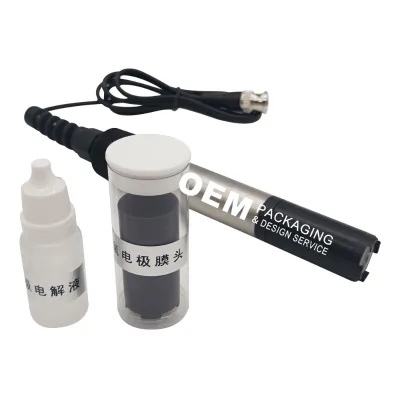


Reliable Electrochemical Oxygen Sensor with IP68 Protection for Aquaculture
$93.40 - $207.60
MOQ: 1 Pieces


High Precision Dissolved Oxygen Electrode for Swinmming Water (BH-485-DO)
$1.00 - $400.00
MOQ: 1 Pieces

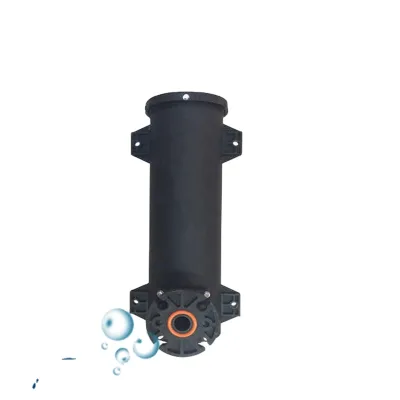
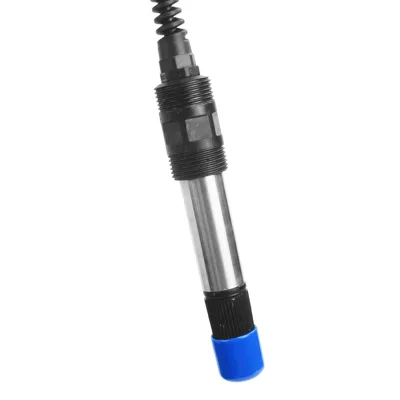


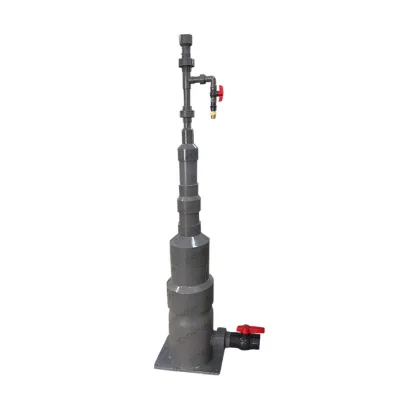


Aquaculture Tools and Equipment Oxygen Generator 40lpm Shrimp Farming Oxygen Equipment
$2100.00 - $2400.00
MOQ: 1 Pieces


Used for Oxygen Supply in Aquaculture, Fish Farming, Oxygen Concentrator
$2000.00 - $2088.00
MOQ: 1 Pieces
Comprehensive Sourcing Guide
Strategic Sourcing Guide for Seaweed Farming Dissolved Oxygen Electrodes
The cultivation of seaweed relies heavily on maintaining precise dissolved oxygen (DO) levels within the water column. While seaweed produces oxygen through photosynthesis, respiration continues around the clock, and water exchange rates can fluctuate rapidly. For a procurement team targeting the core keyword of seaweed farming dissolved oxygen electrodes, the primary objective is to identify sensors that offer high reliability in marine environments while adhering to strict technical specifications. The market offers a variety of technologies, ranging from traditional electrochemical electrodes to modern fluorescence-based sensors. Understanding the nuances of these technologies is essential for selecting equipment that ensures optimal crop yield and minimizes operational downtime.
Technical Specifications and Measurement Principles
When evaluating dissolved oxygen electrodes for aquaculture, the working principle is the most critical differentiator. The supplied product data highlights two distinct technologies: the Oxygen Electrode and sensors utilizing the Fluorescence Quenching Effect. The Fluorescence Quenching Effect is increasingly preferred in modern aquaculture due to its lack of consumable parts, such as membranes and electrolytes, which require frequent replacement in traditional polarographic or galvanic cells.
For seaweed farming, the measurement range is a vital specification. The observed data indicates a standard measurement range of 0-20.00 mg/L. This range is highly appropriate for seawater environments, where saturation levels can vary significantly based on temperature, salinity, and tidal cycles. A sensor with a resolution of 0.01 mg/L, as noted in the product attributes, provides the granularity necessary to detect subtle shifts in oxygen levels that could stress the seaweed crop. Furthermore, the accuracy of ±5% full scale is a benchmark that buyers should verify against their specific operational tolerances. In a controlled farming environment, a deviation beyond this margin could lead to incorrect aeration decisions.
Temperature compensation is another non-negotiable feature. The supplied facts confirm that "Temperature Compensation: yes" is a standard attribute for these devices. Since the solubility of oxygen in water is inversely proportional to temperature, a sensor without automatic temperature compensation will yield erroneous readings as water temperatures fluctuate between day and night or across seasons. Buyers must ensure the sensor integrates a temperature probe directly or communicates temperature data to the controller to adjust the DO reading in real-time.
Compliance, Certification, and Environmental Durability
In the context of seaweed farming, the sensor must withstand harsh marine conditions, including high salinity, biofouling, and potential physical impact from waves or currents. The supplied product information lists several certifications and protection ratings that serve as proxies for quality and compliance. Specifically, the presence of CE certification and ISOCE certification indicates adherence to European safety and quality standards, which often implies rigorous testing for electromagnetic compatibility and environmental resilience.
The ingress protection rating is equally critical for underwater applications. The data references a "Protect Class: IP68," which signifies that the device is dust-tight and can be continuously immersed in water under conditions specified by the manufacturer. For seaweed farms, where sensors may be submerged for extended periods, an IP68 rating is the minimum acceptable standard. Additionally, the material composition plays a significant role in durability. While some products list "Plastic" or "POM" (Polyoxymethylene) as materials, others specify "Plastic/Metal" combinations. For long-term deployment in saltwater, the housing material must be corrosion-resistant. Buyers should verify that the sensor housing is constructed from materials that do not degrade in high-salinity environments, as corrosion can lead to short circuits or signal drift.
Cost Drivers and Procurement Parameters
The cost of sourcing dissolved oxygen electrodes is influenced by several factors, including the technology type, material quality, and the level of customization required. The observed price range in the market spans from $1 to $50,000 USD. This vast disparity suggests that the market includes both basic, single-point sensors and complex, integrated monitoring systems with advanced data logging and communication capabilities. For a typical seaweed farming operation, the cost driver is often the output mode and the communication protocol.
The supplied data indicates that output modes can be "Analogue" or "RS485 or 4-20mA." While analogue signals are simpler, they are more susceptible to noise over long cable runs, which is common in large-scale farms. RS485 and 4-20mA outputs are generally preferred for industrial and aquaculture applications because they offer better noise immunity and allow for longer transmission distances without signal degradation. The power supply requirements, listed as "DC:12-24V," are standard for industrial sensors, but buyers must ensure their power distribution systems can support these voltages reliably.
Minimum Order Quantity (MOQ) is another financial consideration. The data shows an MOQ range of 1 to 1000 pieces, with specific listings indicating an MOQ of 1 PCS. This flexibility allows buyers to start with small pilot deployments to test sensor performance before committing to large-scale procurement. However, buyers should be aware that bulk orders often unlock better pricing tiers. The "Single volume" and "Single gross weight" listed as 0 cm³ and 0.0 kg in some entries likely refer to placeholder data or specific packaging configurations, and buyers should request actual shipping dimensions and weights to calculate logistics costs accurately.
Typical Applications and Operational Integration
The primary application for these sensors, as indicated in the data, is "Drinking Water Treatment" and "Water Treatment," but the principles extend directly to "Seaweed Farming." The "Range of Application" is broadly defined as "Water Treatment," which encompasses aquaculture. In seaweed farming, dissolved oxygen sensors are used to monitor the health of the water column, ensuring that oxygen levels do not drop to hypoxic levels during the night or in dense cultivation zones.
The integration of these sensors into existing farm infrastructure requires attention to the "Signal Output" and "Function" attributes. Some products list functions such as "Short Circuit Protection, Overheat Protection, Over Voltage Protection." These safety features are essential for protecting the sensor and the connected control systems from power surges or electrical faults, which can occur in coastal environments prone to lightning or salt spray. The "Working Principle: Fluorescence Quenching Effect" is particularly advantageous for seaweed farming because it eliminates the need for regular membrane changes, reducing maintenance frequency and labor costs.
| Feature | Traditional Electrode | Fluorescence Sensor |
|---|---|---|
| Working Principle | Polarographic/Galvanic | Fluorescence Quenching |
| Maintenance | High (Membrane/Electrolyte) | Low (No consumables) |
| Response Time | Slower | Faster |
| Biofouling Resistance | Moderate | High |
| Accuracy | ±5% Full Scale (Typical) | ±5% Full Scale (Typical) |
| Power Supply | DC 12-24V | DC 12-24V |
Supplier Evaluation and Business Model Assessment
When evaluating potential suppliers, the "Business type" is a key indicator of the supply chain's stability. The data identifies the business type as "Manufactory," which suggests that the supplier is the original equipment manufacturer (OEM). This is generally preferable for B2B procurement as it allows for better control over quality, customization, and after-sales support. The "Customization: Available" attribute further supports this, indicating that manufacturers can tailor the sensor to specific farm requirements, such as custom cable lengths or specific mounting configurations.
The "Brand name" listed as "better" appears to be a generic descriptor in the provided data, and buyers should not rely on this as a specific brand identity. Instead, they should focus on the "Place of Origin" and "Product Origin." The data points to "Zhejiang, China" and "Shenzhen" as primary manufacturing hubs. These regions are known for their electronics manufacturing capabilities, but buyers must conduct due diligence to ensure the specific factory meets international quality standards. The "Warranty: 1year" is a standard offering, but buyers should clarify the terms of the warranty, including coverage for water damage and calibration drift.
Quality Control and Long-Term Procurement Considerations
Long-term procurement success depends on establishing a robust quality control (QC) process. Given the "Accuracy: ±5% full scale" specification, buyers should implement a regular calibration schedule. Even with high-quality sensors, drift can occur over time due to sensor aging or environmental stress. The "Resolution: 0.01mg/L" allows for precise monitoring, but this precision is only useful if the sensor is regularly calibrated against a known standard.
The "Product Name: Dissolved Oxygen Sensor" and "Type: Electrode" or "Ph Electrode" (though the latter seems to be a separate category in the data) highlight the need for clear identification. Buyers must ensure that the ordered product matches the intended application. For instance, a "Ph Electrode" is not suitable for measuring dissolved oxygen, and confusing the two could lead to operational failures. The "Model Number" variations, such as "BGT-WDO(K)", "DO-1", "KDM-203", and "SMT04", indicate a diverse product line. Buyers should verify that the specific model number corresponds to the required specifications, such as the "Wire Length: 5m" or the "Standard: 222115cm" packaging dimensions.
Finally, the "Selling Units: Single item" and "MOQ: 1 PCS" suggest a flexible purchasing model. However, for a seaweed farm, buying in larger quantities may be necessary to replace sensors as they degrade. The "Single gross weight" and "Single volume" data points being zero in the source text should be treated as placeholders. Buyers must request actual shipping data to plan for logistics. By focusing on these verified attributes and avoiding assumptions about unlisted specifications, procurement teams can build a resilient supply chain for seaweed farming operations that prioritizes data accuracy and equipment longevity.
FAQs
What is the measurement range for seaweed farming dissolved oxygen electrodes?
The standard measurement range is 0-20.00 mg/L, which suits seawater saturation levels. This range allows detection of subtle shifts in oxygen that could stress crops, provided the sensor maintains an accuracy of ±5% full scale.
Can these sensors operate without frequent membrane replacement?
Yes, sensors using the Fluorescence Quenching Effect do not require consumable membranes or electrolytes. This design reduces maintenance frequency and labor costs compared to traditional polarographic electrodes, making them ideal for long-term deployment.
Which certification ensures safety and quality for marine environments?
CE and ISOCE certifications indicate adherence to European safety and quality standards. These certifications imply rigorous testing for electromagnetic compatibility and environmental resilience, which is critical for sensors operating in harsh saltwater conditions.
How does temperature compensation affect dissolved oxygen readings?
Temperature compensation is essential because oxygen solubility changes with water temperature. Sensors with this feature automatically adjust readings in real-time, ensuring accuracy despite daily or seasonal fluctuations in seaweed farm water temperatures.
What output modes are available for industrial integration?
Available output modes include Analogue, RS485, and 4-20mA signals. RS485 and 4-20mA are preferred for aquaculture due to better noise immunity and longer transmission distances compared to simple analogue signals over long cable runs.
What is the minimum order quantity for purchasing these sensors?
The minimum order quantity can be as low as 1 piece, allowing for small pilot deployments. This flexibility helps buyers test sensor performance before committing to large-scale procurement for their entire seaweed farming operation.
Which material is suitable for corrosion resistance in saltwater?
Materials such as POM, Plastic, or Plastic/Metal combinations are used for housing. Buyers must verify that the specific material resists corrosion in high-salinity environments to prevent short circuits or signal drift during extended submersion.