Source Self-Adhesive Waterproof SPC Flooring for Homes
Find 30 self-adhesive waterproof spc flooring options with wood grain patterns and stone plastic composite cores. Compare 4mm to 8mm thicknesses, 0.3mm wear layers, and SGS-certified suppliers from China for residential and commercial projects; compare the available evidence and request quotations based on your requirements.
Updated
Key considerations
Products List


$5.50 - $7.80
MOQ: 300 Square Meters


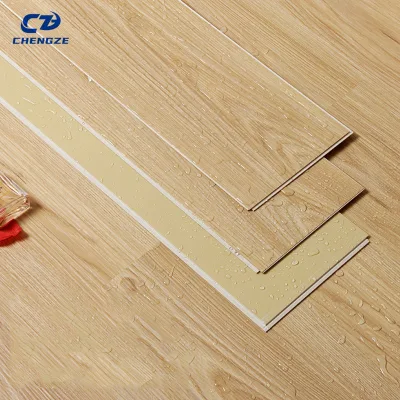
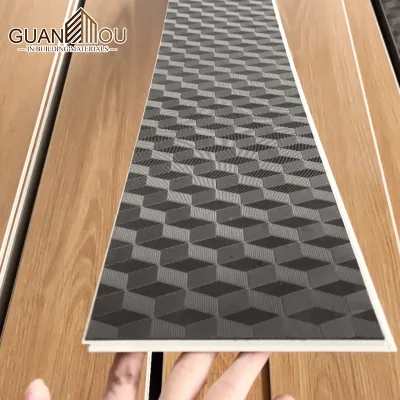
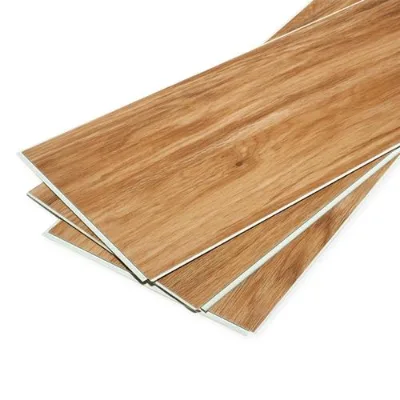


High Quality Stick Vinyl Floor, Self Adhesive Vinyl Floor Spc Flooring
$6.00 - $12.00
MOQ: 1000 Square Meters


Hot Sale PVC Floor Vinyl Flooring Waterproof Non-Slip Spc Vinyl Flooring
$6.00 - $12.00
MOQ: 1000 Square Meters


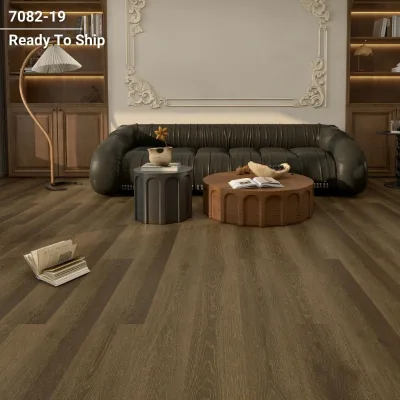
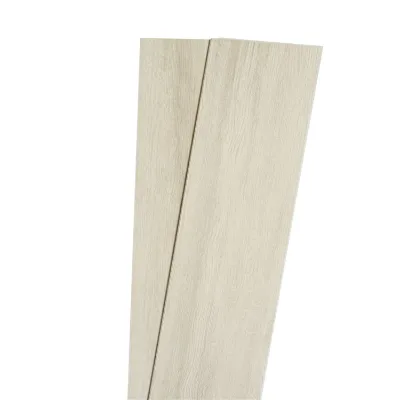
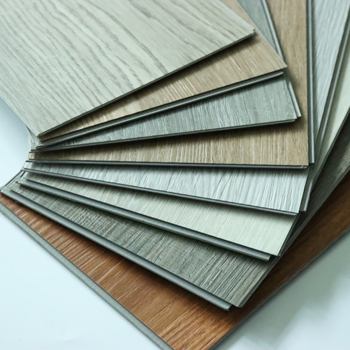
Low-maintenance Waterproof Laminate 4001 Spc Flooring Vinyl Spc Waterproof Flooring
$6.2727 - $6.4268
MOQ: 300 square
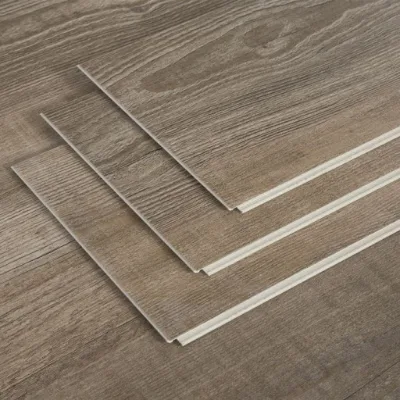
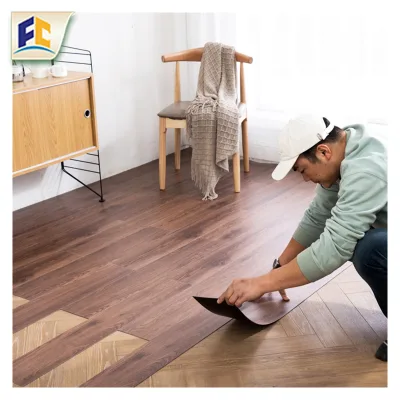
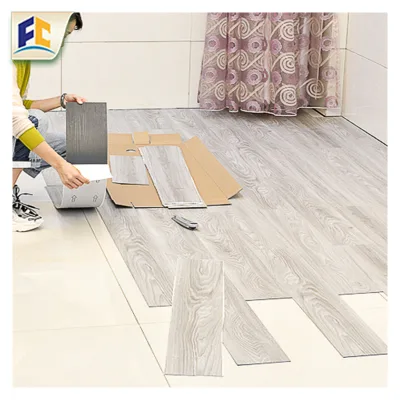
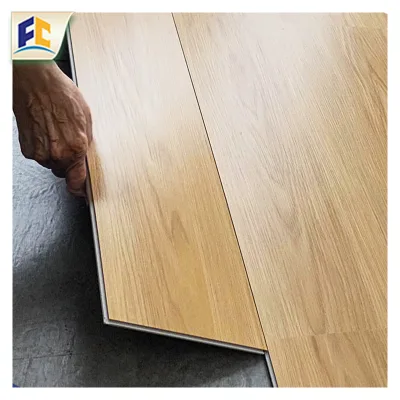


Hot Selling Fireproof and Waterproof Spc Flooring Vinyl Flooring
$5.00 - $12.00
MOQ: 1000 Square Meters


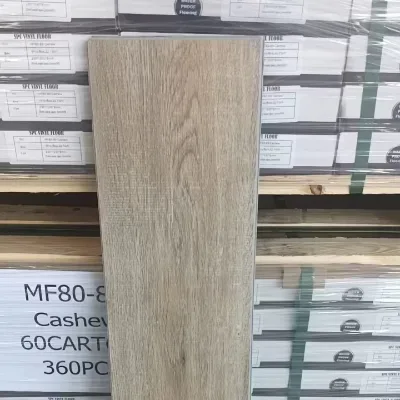
Luxury Hotel Use SPC PVC Anti-Slip Waterproof Self-Adhesive Eco-Friendly Modern Flooring
$1.1848 - $1.3688
MOQ: 500 pieces
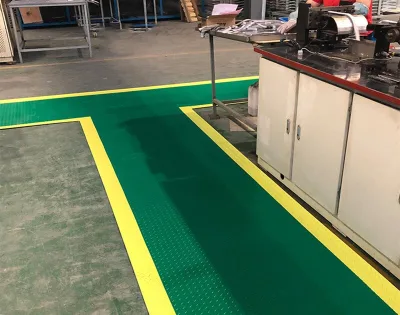
PVC Flooring Roll-Waterproof Self-Adhesive Installation for Outdoor/Indoor Use
$3.7235 - $4.286
MOQ: 200 square
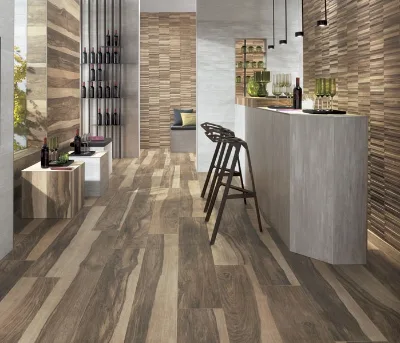
Comprehensive Sourcing Guide
Self-Adhesive Waterproof Spc Flooring Sourcing Guide
Procurement professionals must first distinguish between click-lock and self-adhesive installation systems when sourcing SPC flooring, as the supplied data indicates a specific subset of products utilizes a self-adhesive technique for rapid deployment. While many listings highlight a click mechanism for commercial durability, the self-adhesive variant is particularly suited for apartment renovations and indoor residential projects where minimal subfloor preparation is required. Buyers should verify that the product explicitly states "Self-Adhesive" in its installation attributes to ensure compatibility with their specific project timeline and labor constraints.
The observed product range includes diverse applications ranging from household and commercial spaces to sports facilities, yet the self-adhesive option is most frequently associated with indoor apartment usage. Sourcing teams must confirm that the selected model supports the intended usage environment, as some high-traffic commercial listings prioritize a click system for enhanced structural integrity over the convenience of adhesive backing. Understanding this distinction prevents the procurement of a flooring type that may fail under the specific mechanical stresses of the intended application, ensuring the final installation meets the functional requirements of the space.
Product Scope and Observed Listing Signals
The market for self-adhesive SPC flooring presents a wide spectrum of thicknesses, with observed total thicknesses ranging from 4mm to 8mm and customizable options available for specialized projects. Buyers should note that the wear layer thickness is a critical differentiator, with listings showing options of 0.3mm, 0.5mm, and 0.7mm, which directly correlates to the product's resistance against abrasion and long-term durability in high-traffic areas. Selecting the appropriate wear layer thickness is essential for balancing initial cost against the expected lifespan of the flooring in the specific environment where it will be installed.
Visual and textural attributes are equally significant, with the majority of listings featuring a wood grain pattern and an embossed or EIR surface texture to mimic natural materials. The core material is consistently identified as a Stone Plastic Composite composed of virgin PVC and calcium carbonate, ensuring a rigid structure that resists indentation. Procurement teams must verify that the color options and surface textures align with the design aesthetic of the project, as the available multi-color and wood grain finishes are standard but may vary in specific model numbers like the FG-SPC or CLM Stone Series.
Technical Specifications to Verify
When evaluating technical specifications, the core structure and underlayment configuration require rigorous verification to ensure the product meets performance expectations for moisture and sound insulation. The supplied facts indicate that the core is a Stone Plastic Composite, and the underlayment can be either IXPE or EVA, with thicknesses ranging from 1mm to 2mm as an optional feature. Buyers must explicitly confirm the inclusion of the underlayment in the final order, as its presence significantly impacts the acoustic performance and thermal insulation properties of the finished floor.
Dimensional consistency and standard sizing are critical for seamless installation, with common plank dimensions observed at 1220×183mm or 1250×186mm, though custom sizes are available. The product type is universally classified as SPC Vinyl Flooring, yet the specific model numbers and standard sizes must match the project's layout requirements to minimize waste. Procurement specialists should request detailed dimension sheets for the specific model to ensure that the width and length align with the room dimensions, particularly when dealing with wide plank options that may require precise cutting and fitting.
Compliance and Safety Documentation
Safety and compliance documentation must be scrutinized to ensure the flooring meets the necessary fire and environmental standards for the intended market. The observed product attributes list fireproof and anti-static properties, which are essential for commercial and public spaces, yet buyers should request specific test reports to validate these claims against local building codes. While some background context mentions CE and ISO 23999, these should not be assumed without direct verification from the supplier, as the primary observed standard in the data is SGS certification for specific product lines.
Warranty terms provide a crucial indicator of manufacturer confidence and product longevity, with residential warranties observed ranging from 20 to 25 years and commercial warranties from 8 to 10 years for certain models. However, other listings indicate a standard 5-year warranty, highlighting the variability in coverage based on the specific product series and application. Buyers must carefully review the warranty documentation to understand the specific conditions, exclusions, and the distinction between residential and commercial coverage to avoid future disputes regarding product failure or premature wear.
Cost Drivers and Commercial Terms
Pricing in the SPC flooring market is influenced by multiple variables, including the thickness of the wear layer, the inclusion of an underlayment, and the complexity of the surface texture. The observed price range spans from $0.31 to $15 per unit, reflecting the vast difference between basic residential options and premium commercial-grade products with enhanced features. Procurement teams should analyze the cost per square meter rather than the unit price to accurately compare different thicknesses and configurations, ensuring that the budget aligns with the required performance specifications.
Minimum Order Quantities (MOQ) and packaging standards are significant commercial factors that affect the total cost of ownership and logistics planning. The observed MOQ ranges from 1 to 1000 units, offering flexibility for small-scale renovations while requiring larger commitments for bulk commercial projects. Additionally, the packaging is typically described as export standard cartons, but buyers must confirm the specific packing details to ensure the product arrives without damage and to optimize shipping efficiency, as improper packaging can lead to costly claims and installation delays.
Supplier Qualification and Quality Control
Supplier qualification involves verifying the place of origin and the manufacturing capabilities to ensure consistent quality and reliable supply chain performance. The data indicates origins in Shandong and Zhangjiagang, China, which are established manufacturing hubs for vinyl flooring, yet buyers should confirm the specific factory location and production capacity to mitigate supply chain risks. Understanding the supplier's location helps in assessing lead times and logistics costs, which are critical for maintaining project schedules and managing inventory levels effectively.
Quality control processes must be validated through the supplier's ability to provide after-sales support and technical assistance. The observed listings mention online technical support and project solution capabilities, which are vital for resolving installation issues or addressing product defects post-delivery. Buyers should establish clear communication channels with the supplier to ensure that any technical queries regarding installation, such as the self-adhesive application method, can be resolved promptly, thereby reducing the risk of installation errors and ensuring a high-quality final result.
Long-Term Procurement Checks
Long-term procurement success depends on establishing a robust framework for monitoring product performance and maintaining supplier relationships over time. Buyers should implement a system for tracking warranty claims and product failures to identify any systemic quality issues that may arise with specific models or batches. Regular reviews of the product's performance in the field, particularly regarding its waterproof and wear-resistant properties, will provide valuable data for future sourcing decisions and help refine the selection criteria for subsequent projects.
Continuous evaluation of supplier reliability and adaptability is essential for navigating the dynamic flooring market. Procurement teams should assess the supplier's ability to accommodate customization requests and their responsiveness to changing market demands or regulatory updates. By maintaining a proactive approach to supplier management and regularly updating the list of qualified vendors, buyers can ensure a steady supply of high-quality SPC flooring that meets the evolving needs of their residential and commercial clients.
FAQs
What is the core material composition of self-adhesive waterproof spc flooring?
The core material consists of 100% virgin PVC mixed with calcium carbonate to form a Stone Plastic Composite structure. This composition ensures the flooring is rigid, dimensionally stable, and 100% waterproof. It provides a durable base that supports the wear layer and underlayment, making it suitable for both residential and commercial indoor applications without warping or moisture damage.
Can self-adhesive waterproof spc flooring be customized for specific projects?
Yes, customization is available for various project requirements. Buyers can select from multiple total thickness options ranging from 4mm to 8mm, including customized sizes. The wear layer thickness can be chosen between 0.3mm, 0.5mm, or 0.7mm. Additionally, optional IXPE or EVA underlayments are available to enhance soundproofing and comfort, allowing for tailored performance specifications.
What warranty periods are offered for residential and commercial installations?
Warranty periods differ based on the intended usage environment. Residential installations typically receive a warranty of 20 to 25 years, reflecting the lower traffic intensity. Commercial installations, which endure heavier foot traffic, are covered by an 8 to 10 year warranty. These warranties apply to products installed indoors, ensuring long-term durability and performance for households and businesses alike.
Which certifications and standards apply to self-adhesive waterproof spc flooring?
Products may comply with SGS standards and hold CE certification for quality assurance. These certifications verify that the flooring meets international safety and performance benchmarks. The materials used, including virgin PVC and calcium carbonate, are selected to ensure fireproof and anti-static properties. Buyers should verify specific documentation with suppliers to confirm compliance with local building codes and regulatory requirements for indoor use.
How does the installation method work for self-adhesive spc flooring?
Self-adhesive spc flooring features a pre-applied adhesive backing that allows for direct installation on clean, flat subfloors. This method eliminates the need for additional glue, simplifying the process for DIY enthusiasts and professional installers. The click-lock or self-adhesive mechanism ensures secure placement. Proper surface preparation is essential to achieve a smooth finish and ensure the adhesive bonds effectively for long-lasting results.
What are the key functional benefits of this flooring type?
This flooring offers fireproof, wear-resistant, and anti-slip properties, ensuring safety in high-traffic areas. It is rot-proof, moisture-proof, and 100% waterproof, making it ideal for kitchens and bathrooms. The soundproof and thermal insulation features enhance comfort, while the anti-static surface reduces dust attraction. These combined functions provide a durable, low-maintenance solution for household, commercial, and sports applications.