Source Self-Weight Bearing Office Chair Mechanism for Executive, Task, and Ergonomic Uses
Find 19 verified Self-Weight Bearing Office Chair Mechanism options featuring swivel, tilt, and lift functions. Compare models like YZ-D03 and M20 with varying load capacities and tilt angles to match executive or task chair needs.
Key considerations
Products List


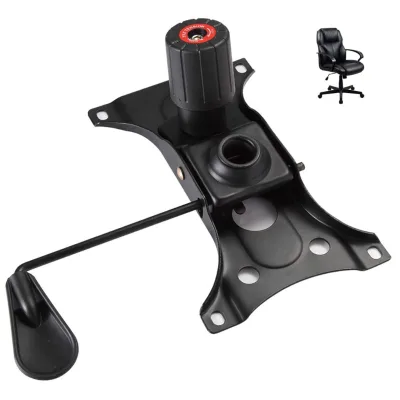

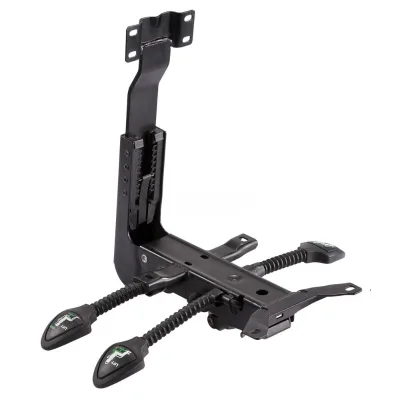
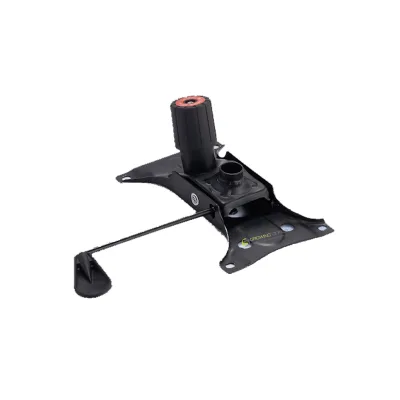
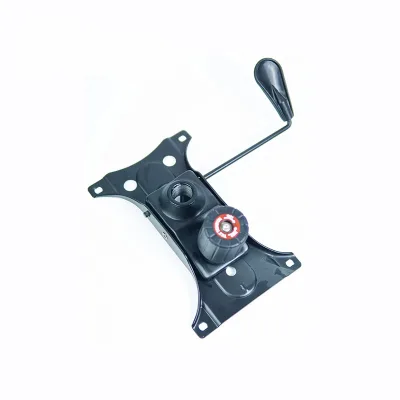
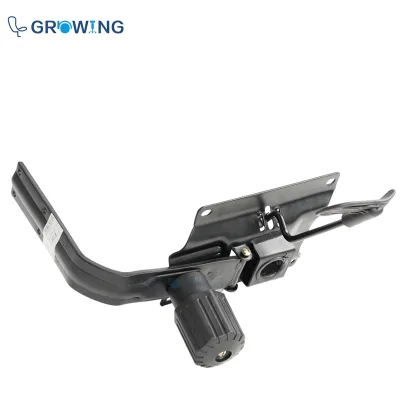
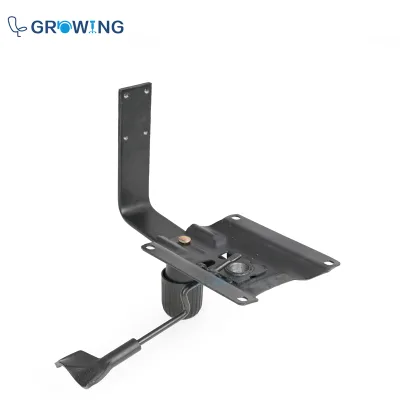
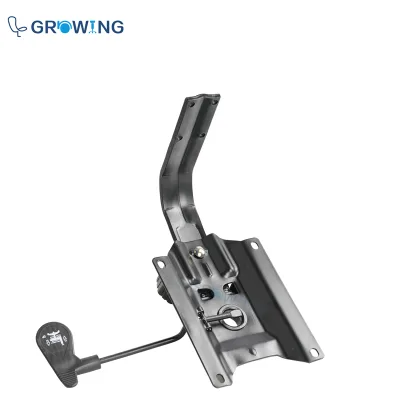
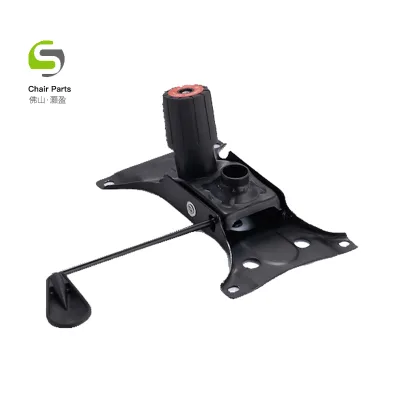
Comprehensive Sourcing Guide
Strategic Sourcing Guide for Self-Weight Bearing Office Chair Mechanisms
Understanding the Core Mechanism and Functional Architecture
The self-weight bearing office chair mechanism represents a critical component in the ergonomic furniture supply chain, designed to support the user's weight while facilitating dynamic movement. Unlike traditional mechanisms that rely solely on the gas lift for stability, this specific class of hardware integrates the chassis and tilt functions to distribute load more effectively across the seat structure. The primary operational philosophy centers on a "self-weight bearing" feature, which implies that the mechanism is engineered to handle the gravitational load of the occupant through its own structural integrity, often reducing the strain on the gas cylinder during height adjustments.
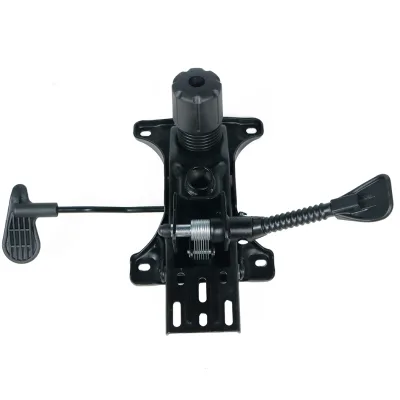
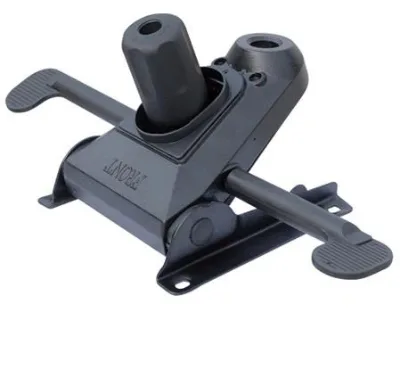
In the context of modern office environments, these mechanisms are defined by their multifunctional capabilities. The observed product attributes indicate a robust "Swivel + Tilt + Lift" function set, allowing for comprehensive ergonomic adjustment. The specific implementation often involves a "Butterfly Mechanism" or a "Single-Lever Lockable Chair Mechanism," where a single control handle manages multiple variables. For instance, one handle position may facilitate smooth height adjustment via the gas lift, while another position controls the locking and unlocking of the seat tilt. This integration is crucial for executive and task chairs, where the user requires seamless transitions between sitting, reclining, and standing positions without fumbling with multiple levers.
The mechanical action is often described as a "step-by-step tilt chassis," suggesting a ratcheting or indexed movement rather than a continuous, uncontrolled free-fall. This allows the user to lock the seat back at specific angles, providing stable reclining positions. The maximum tilt angle observed in high-performance models reaches up to 16 degrees, a standard range that balances comfort with stability for typical office tasks. The control interface is predominantly manual, utilizing an adjustable handle to manipulate the chassis rise and fall, as well as the tilt lock. This manual control ensures that the mechanism remains accessible and repairable without the need for complex electronic interfaces or power sources.
Technical Specifications and Performance Parameters
When evaluating self-weight bearing mechanisms, buyers must scrutinize specific technical parameters that define the hardware's durability and compatibility. The hole distance, a critical dimension for mounting the mechanism to the chair seat and base, is frequently standardized at 170mm x 200mm. This specific spacing ensures compatibility with a wide range of chair frames and bases, particularly those designed for executive seating. Deviations from this standard can lead to significant integration challenges during the assembly process, necessitating custom brackets or frame modifications.
Load capacity is another paramount specification. The observed data points to a load capacity of 200kg, a figure that significantly exceeds the average human weight and provides a substantial safety margin for heavy-duty usage. This high load-bearing capability is essential for mechanisms intended for executive chairs, which often accommodate larger users or are subjected to more aggressive usage patterns. The net weight of the mechanism itself varies by model, with observations ranging from 3kg to 4.8kg. This variance reflects differences in material density, structural reinforcement, and the inclusion of additional features like synchronous tilt or enhanced locking systems.
Surface treatment plays a vital role in the longevity of the mechanism. The two primary finishes observed are painting and electroplating. Painting offers a durable, cost-effective solution that protects the metal from corrosion and provides a uniform aesthetic finish, typically in black. Electroplating, on the other hand, offers superior resistance to wear and tear, often resulting in a harder, more reflective surface that maintains its appearance over extended periods. The choice between these treatments depends on the intended market segment and the environmental conditions in which the chair will operate.
The product models identified, such as YZ-D03, YZ-D07, M20, and YZ-D12, represent distinct iterations of the self-weight bearing concept. Each model may offer unique combinations of features, such as the number of pieces per carton or specific packing dimensions. For example, the YZ-D03 model is packaged in cartons containing 8 pieces with a total weight of 20.9kg, while the M20 model packs 4 pieces per carton weighing 18.8kg. These logistical details are not merely administrative; they directly impact shipping costs, warehouse storage requirements, and the efficiency of the supply chain.
Compliance, Certification, and Regulatory Standards
In the global B2B procurement landscape, compliance with international standards is non-negotiable. The self-weight bearing mechanisms discussed are typically associated with certifications such as ISO9001, SGS, and RoHS. ISO9001 indicates that the manufacturing facility adheres to a quality management system that ensures consistent product quality and continuous improvement. SGS certification suggests that the product has undergone third-party testing for safety and performance, providing an objective validation of its claims. RoHS compliance ensures that the materials used in the mechanism do not contain restricted hazardous substances, which is a critical requirement for exporting to markets like the European Union.
Buyers must verify that these certifications are current and applicable to the specific batch of products being ordered. While the presence of these certifications is a strong indicator of quality, they should not be accepted as a blanket guarantee without due diligence. It is essential to request valid certificates from the supplier and cross-reference them with the issuing bodies to ensure authenticity. Furthermore, buyers should inquire about the specific testing protocols used to validate the load capacity and tilt angle. For instance, the 200kg load capacity and 16-degree tilt angle should be supported by physical test data rather than theoretical calculations.
The origin of the product is also a factor in compliance. The observed production location is Foshan, China, a major hub for furniture manufacturing. While this region is known for its extensive supply chain and competitive pricing, buyers should be aware of the specific regulatory requirements of their target market. Different regions may have additional standards regarding fire safety, chemical emissions, or mechanical safety that are not covered by the general certifications. Therefore, a comprehensive compliance check should include a review of local regulations in addition to the international standards listed.
Cost Drivers and Economic Considerations
The pricing of self-weight bearing mechanisms is influenced by a complex interplay of factors, including material costs, manufacturing complexity, and logistical expenses. The observed price range of 1.9 to 15 USD suggests a significant variance based on the specific model, material quality, and order volume. Lower-priced units may utilize standard steel with basic painting, while higher-priced options likely incorporate electroplating, enhanced locking mechanisms, or synchronous tilt features.
Order volume is a primary driver of cost efficiency. The minimum order quantity (MOQ) varies, with some suppliers offering as low as 1 piece, while others may require orders up to 200 pieces. For large-scale procurement, negotiating a lower unit price based on volume is a standard practice. However, buyers must balance the benefits of bulk purchasing against the risks of inventory holding costs and the potential for obsolescence. The flexibility of the MOQ allows for smaller buyers to test the market with sample orders before committing to larger volumes.
Packaging and transportation costs also contribute to the total landed cost. The standard packaging involves carton boxes with foam protection, designed to prevent damage during transit. The dimensions and weight of the cartons, such as 46x43x32cm for the YZ-D03 model, directly impact shipping efficiency. Buyers should calculate the cost per cubic meter to optimize container utilization and minimize freight expenses. Additionally, the delivery time, typically ranging from 5 to 12 days after payment, affects cash flow and production scheduling. Faster delivery times may come at a premium, so buyers should evaluate the trade-off between speed and cost based on their specific operational needs.
Typical Applications and Market Segmentation
Self-weight bearing office chair mechanisms are primarily designed for use in executive and task chairs, catering to a wide range of professional environments. The robust load capacity and ergonomic features make them suitable for high-end office furniture, where comfort and durability are paramount. The ability to adjust height and tilt with a single lever enhances the user experience, making these mechanisms ideal for long-duration work sessions in corporate offices, call centers, and co-working spaces.
The versatility of the mechanism extends beyond standard office settings. The self-weight bearing feature and high load capacity make it suitable for environments where chairs are subjected to heavy use, such as training centers, conference rooms, and hospitality venues. The manual control and lockable tilt functions provide the necessary stability for users who need to maintain specific postures for extended periods. Furthermore, the customization options available, including color and specific feature sets, allow manufacturers to tailor the mechanisms to meet the unique branding and functional requirements of different clients.
The market segmentation for these mechanisms is driven by the demand for ergonomic solutions that balance performance with cost-effectiveness. While the initial investment in high-quality mechanisms may be higher, the long-term benefits in terms of reduced maintenance and increased user satisfaction often justify the cost. Buyers should consider the specific needs of their target market when selecting a mechanism, ensuring that the features align with the expectations of the end-users.
Supplier Evaluation and Quality Assurance Protocols
Selecting the right supplier is critical to the success of any procurement project involving self-weight bearing mechanisms. Buyers should prioritize suppliers who demonstrate a commitment to quality through certifications and a transparent manufacturing process. The ability to accept custom demands is a significant advantage, as it allows for the customization of the mechanism to meet specific design or functional requirements. The "Factory" status of the supplier, as indicated in the provided data, suggests a direct relationship with the manufacturing process, which can lead to better quality control and more competitive pricing.
Quality assurance protocols should be a key part of the supplier evaluation process. Buyers should request detailed information on the testing procedures used to validate the mechanism's performance, including load testing, tilt angle verification, and durability assessments. The warranty period, typically 3 years for these products, is a strong indicator of the supplier's confidence in their product. However, buyers should carefully review the terms and conditions of the warranty to understand what is covered and what constitutes a valid claim.
Sample testing is another essential step in the evaluation process. The willingness of suppliers to provide samples for trial allows buyers to physically inspect the mechanism, test its functionality, and assess its build quality before placing a large order. This hands-on approach helps mitigate the risk of receiving substandard products and ensures that the mechanism meets the buyer's specific requirements.
Long-Term Procurement and Supply Chain Resilience
Long-term procurement of self-weight bearing mechanisms requires a strategic approach that considers supply chain resilience and sustainability. Buyers should establish strong relationships with suppliers who can consistently deliver high-quality products and adapt to changing market conditions. The availability of various transportation options, including express, ocean, air, and rail, provides flexibility in managing logistics and mitigating the impact of supply chain disruptions.
Sustainability is becoming an increasingly important factor in procurement decisions. Buyers should inquire about the environmental impact of the manufacturing process, including the use of eco-friendly materials and energy-efficient production methods. The RoHS certification is a positive step in this direction, but buyers should look for additional sustainability initiatives, such as waste reduction programs and carbon footprint reduction strategies.
Finally, buyers should plan for the long-term maintenance and support of the mechanisms. The availability of spare parts and the ease of repair are critical factors in ensuring the longevity of the product. A supplier who offers comprehensive after-sales support and a clear warranty process can significantly reduce the total cost of ownership and enhance the overall value of the procurement. By focusing on these long-term considerations, buyers can build a resilient and sustainable supply chain that supports their business goals for years to come.
FAQs
What functions does the Self-Weight Bearing Office Chair Mechanism provide?
The mechanism provides swivel, tilt, and lift functions for executive and task chairs. It features a butterfly mechanism with a single lever to adjust height and lock the seat tilt at angles up to 16 degrees.
Can I customize the Self-Weight Bearing Office Chair Mechanism specifications?
Yes, the factory accepts all custom demands for this Self-Weight Bearing Office Chair Mechanism. Buyers can request specific colors, surface treatments like painting or electroplating, and tailored packaging options to meet unique requirements.
Which certification standards apply to the Self-Weight Bearing Office Chair Mechanism?
The mechanism complies with ISO9001, SGS, and RoHS certification standards. These certifications validate the quality management system and ensure the product meets international safety and environmental requirements for hazardous substances.
How much weight can the Self-Weight Bearing Office Chair Mechanism support?
The mechanism supports a load capacity of 200kg for stable operation. This high capacity ensures durability for heavy-duty usage in executive chairs while maintaining structural integrity during height and tilt adjustments.
What is the delivery time for the Self-Weight Bearing Office Chair Mechanism?
Delivery takes 5 to 12 days after payment is received. The supplier offers flexible transportation options including express, ocean, air, and rail shipping from their facility in Foshan, China.
Which hole distance fits the Self-Weight Bearing Office Chair Mechanism?
The mechanism fits a standard hole distance of 170mm by 200mm. This dimension ensures compatibility with most chair frames and bases designed for executive seating applications.