Source Self Wringer Microfiber Floor Mop and Bucket Set for homes, offices, and hotels
Explore 30 listings for the Self Wringer Microfiber Floor Mop and Bucket Set to compare features like rotating heads, extendable handles, and varying bucket capacities. Buyers can evaluate options ranging from flat mops to complete sets with sliding wringers.
Key considerations
Products List


Microfiber Spin Mop with 360 Rotation and Self - Floor Cleaning Bucket Mop
$8.50 - $8.70
MOQ: 100 Pieces


Microfiber Cleaning Mop with Self-Wringer Bucket Floor Cleaning Mop Head Magic Mop
$5.50 - $5.70
MOQ: 200 Pieces

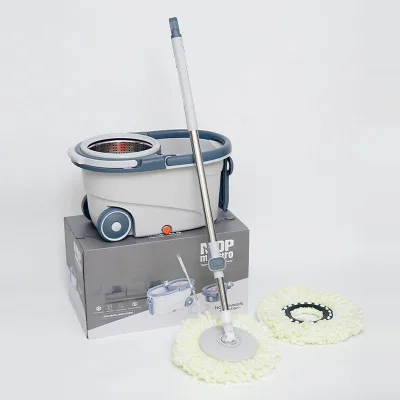
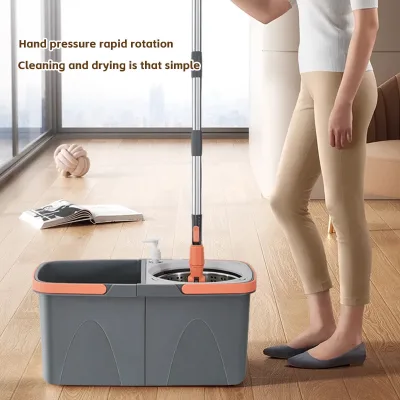
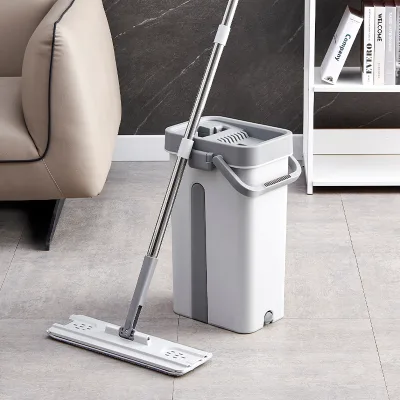
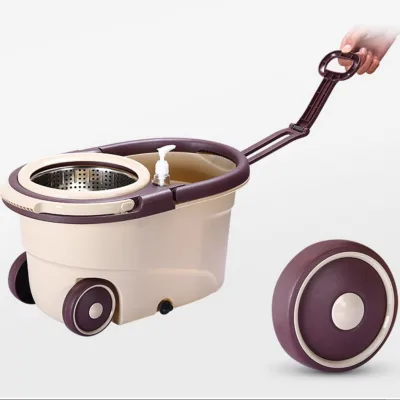
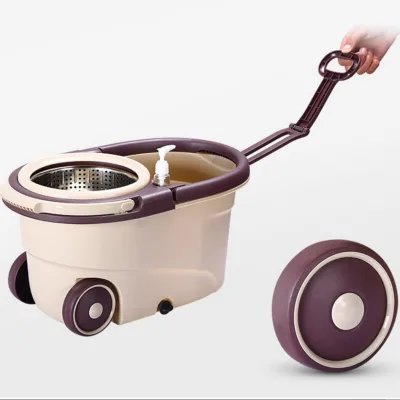

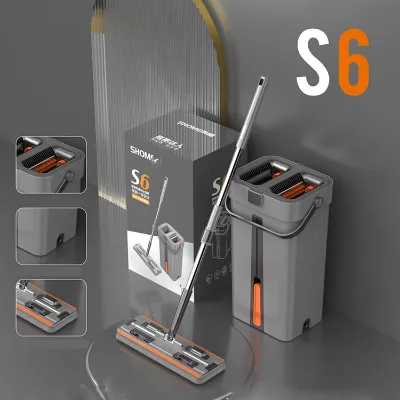


2 in 1 Spin Mop Bucket Floor Mop Set with 360 Degree Rotation Hands-Free Cleaning
$2.50 - $2.65
MOQ: 1 Pieces


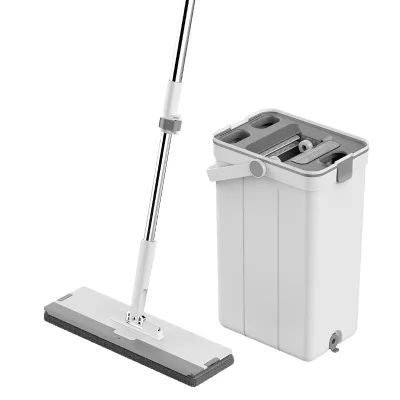
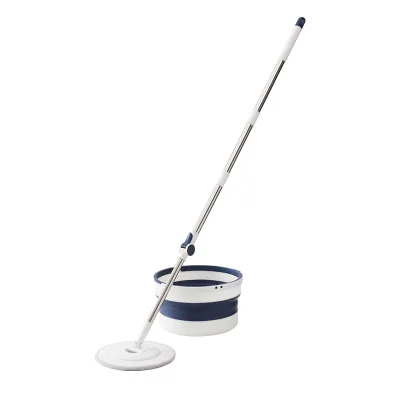
Comprehensive Sourcing Guide
Strategic Sourcing Guide for Self-Wringer Microfiber Floor Mop and Bucket Sets
The global demand for efficient cleaning solutions has elevated the self-wringer microfiber floor mop and bucket set to a cornerstone product in both commercial and residential procurement. For B2B buyers, navigating the supply chain for these specific units requires a disciplined approach that balances technical performance with logistical feasibility. This guide synthesizes observed market data and product attributes to provide a framework for sourcing high-quality mop and bucket sets without relying on unverified claims or speculative market figures. The focus remains on evidence-based evaluation of product specifications, material composition, and supplier capabilities to ensure a robust procurement strategy.
Technical Specifications and Material Composition
Understanding the technical architecture of a self-wringer mop and bucket set is the first step in defining procurement requirements. The core functionality relies on the interaction between the mop head material, the handle mechanism, and the bucket's wringing system. Observed product data indicates a prevalence of microfiber as the primary mop head material, often paired with PVA (Polyvinyl Alcohol) in specific configurations. Microfiber is favored for its high surface area, which enhances dust and liquid absorption, while PVA variants offer distinct dehydration capabilities.
The handle construction is equally critical. Market observations reveal a mix of steel and aluminum rod materials, often combined with PP (Polypropylene) components. The handle type varies significantly between extensible (telescoping) and unextensible designs. Extensible handles, often described as "magic" or "telescoping," allow for height adjustment, which is essential for ergonomic cleaning across different user heights. In contrast, unextensible handles provide a fixed length, typically around 115cm to 121cm, offering stability for heavy-duty applications.
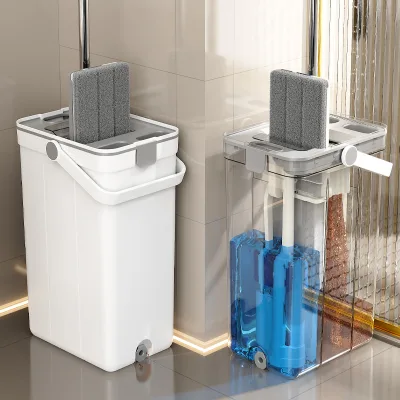
The bucket and wringing mechanism define the "self-wringer" aspect of the product. The dehydration rate is a key performance metric, with observed ranges falling between 80-90% and 90-100%. This variation suggests that buyers must verify the specific mechanical design of the wringer, such as sliding types or rotary spin mechanisms, to ensure it meets their operational efficiency needs. The mop head dimensions also vary; flat mops are commonly observed with dimensions around 38x12cm or 41x13cm, while rotary models may feature round heads measuring 33x33cm. The bucket capacity is another variable, with observed ranges spanning from 450ml to capacities between 501-700ml, though industrial units may exceed these figures.
| Feature Category | Observed Specifications | Procurement Verification Point |
|---|---|---|
| Mop Head Material | Microfiber, PVA | Verify fiber density and absorption claims. |
| Handle Material | Steel, Aluminum Rod, PP | Check for corrosion resistance and joint stability. |
| Handle Type | Extensible, Unextensible, Magic | Confirm height range and locking mechanism reliability. |
| Dehydration Rate | 80%-90%, 90%-100% | Request test data for specific wringing models. |
| Bucket Capacity | 450ml, 501-700ml | Validate volume against intended cleaning volume. |
| Mop Head Shape | Flat, Round | Ensure shape matches the floor surface type. |
Compliance, Certification, and Safety Standards
In the realm of B2B procurement, compliance is not merely a formality but a risk mitigation strategy. While specific certification statuses like OEKO-TEX are noted in background data, buyers should not assume these certifications apply to all listed products without explicit verification. The absence of a universal standard for all mop and bucket sets means that compliance checks must be product-specific.
Buyers should prioritize verifying that the materials used, particularly the microfiber and plastic components, meet relevant safety standards for food contact or general household safety, depending on the intended application. The product origin is frequently listed as Zhejiang, China (Mainland), which is a major manufacturing hub. However, the specific factory certifications, such as ISO 9001 for quality management or ISO 14001 for environmental management, are not guaranteed by the region alone.
When evaluating suppliers, request documentation regarding the chemical composition of the microfiber and the plastic components (PP, EVA). Ensure that the materials do not contain prohibited substances under the regulations of the target market, such as REACH in Europe or CPSIA in the United States. The "Eco-Friendly" attribute observed in some listings suggests a potential for sustainable sourcing, but this should be substantiated by third-party testing reports rather than marketing labels. Buyers must also verify the "prod_standard" claims, which often state "all designs available" or provide specific dimensions, to ensure the product meets the exact regulatory requirements of the destination country.
Cost Drivers and Pricing Dynamics
The pricing of self-wringer microfiber floor mop and bucket sets is influenced by a complex interplay of material costs, manufacturing complexity, and order volume. The observed price range in the market spans from $0.55 to $9.90 USD. This wide disparity indicates that price is not a linear function of the product type but is heavily dependent on the configuration and quality of components.
The primary cost drivers include the type of handle material (steel vs. aluminum), the complexity of the wringing mechanism (sliding vs. rotary), and the quality of the microfiber fabric. Sets with extensible handles and high-dehydration rotary wringers typically command higher prices due to the engineering involved. Conversely, basic unextensible models with simple sliding wringers fall into the lower price bracket.
The Minimum Order Quantity (MOQ) is another significant factor affecting the unit cost. The observed MOQ range is broad, extending from 1 to 5000 units. Lower MOQs, such as 1 unit, are typically associated with sample orders or drop-shipping arrangements and carry a higher per-unit cost. Higher volume orders, approaching the 5000-unit mark, allow for economies of scale, reducing the unit price significantly. Buyers should note that the "prod_packing" varies from individual boxes to bulk cartons (e.g., 20 sets per carton), which impacts shipping costs and storage efficiency.
Typical Applications and Market Segmentation
The versatility of the self-wringer microfiber floor mop and bucket set allows it to serve diverse market segments. The "Adult" age specification indicates that these products are designed for general household and commercial use rather than specialized industrial or pediatric applications. The "Eco-Friendly" and "Reusable" attributes make them particularly suitable for facilities aiming to reduce single-use cleaning supplies, such as hotels, offices, and schools.
In commercial settings, the durability of the steel or aluminum handle and the high dehydration rate are critical. The ability to wring out 90-100% of the water reduces the risk of slipping and minimizes the time required for floor drying. The "Magic" handle type and swivel heads are particularly valued in environments with tight spaces or complex floor layouts, such as retail stores and hospitals.
For the residential market, the focus shifts to ease of use and storage. The "Extensible" handle allows for compact storage in small apartments, while the "Round" or "Flat" head shapes cater to different cleaning preferences. The "Kraft Paper Box" or "Color Box Packing" options suggest that aesthetic presentation is important for retail packaging, whereas "Bulk packing" is preferred for wholesale distribution to cleaning supply companies.
Supplier Evaluation and Verification Protocols
Selecting the right supplier requires a rigorous evaluation process that goes beyond surface-level product descriptions. Since the product origin is predominantly Zhejiang, China, buyers should verify the supplier's manufacturing capacity and quality control infrastructure. The "prod_standard" field often lists "all designs available," which can be a red flag if the supplier lacks specific expertise in a particular design.
Buyers should request detailed product specifications for the specific model numbers observed, such as MU-HA0051, MU-HA0012, or MU-H0207. These model numbers serve as unique identifiers for specific configurations. Verify that the supplier can consistently produce these models with the stated dimensions, such as a mop rod length of 1233130cm or a bucket size of 232340cm.
The "brand name" field often indicates "Your Brand" or OEM/ODM capabilities, suggesting that many suppliers offer private labeling. However, buyers must confirm the supplier's ability to maintain brand consistency and quality across different batches. Request samples to test the "Reusable, Sustainable, Extendable, Durable" claims directly. Pay close attention to the "deformation rate" and the structural integrity of the "Metal Basket" component, which is often a point of failure in lower-quality units.
Quality Control and Long-Term Procurement Considerations
Establishing a robust quality control (QC) protocol is essential for maintaining product integrity over time. The "Single Package Size" of 45x15x37cm and the "Color Box Packing" dimensions of 14x10x55cm provide critical data for logistics planning. Buyers should calculate the container load efficiency based on these dimensions to optimize shipping costs.
Long-term procurement considerations include the availability of replacement parts, such as mop heads and wringer mechanisms. The "Packaging: with 2 Mopheads" observation suggests that some sets come with spare parts, but buyers should confirm the availability of individual replacement heads to extend the product lifecycle. The "Net Weight" of 550g and the overall weight of less than 2kg are important for handling and shipping, but the structural weight distribution must also be considered to prevent handle breakage.
Finally, buyers should monitor the "prod_packing" consistency. Variations in packing, such as switching from "Box" to "Kraft Paper Box," can affect the product's perceived value and protection during transit. Establishing a clear agreement on packaging standards in the purchase order is vital. By focusing on these evidence-based factors, buyers can mitigate risks and ensure a steady supply of high-quality self-wringer microfiber floor mop and bucket sets that meet their operational and commercial needs.
FAQs
What materials are used for the mop head and handle?
The mop head is made of microfiber or PVA, while the handle uses steel or aluminum rods combined with PP. These materials ensure durability and effective water absorption for various floor types.
Can I customize the product design and packaging?
Yes, customization is available for both the product design and packaging according to customer requirements. Buyers can request specific dimensions, colors, or branding options like OEM or ODM services.
What is the typical dehydration rate for these mop sets?
The dehydration rate typically ranges from 80% to 100% depending on the specific wringing mechanism used. Rotary spin models often achieve higher rates compared to sliding type wringers.
Which handle types are available for these cleaning sets?
Available handle types include extensible telescoping handles, unextensible fixed handles, and magic handles. Extensible models allow height adjustment, while fixed handles offer stability for heavy-duty cleaning tasks.
What is the minimum order quantity for bulk purchases?
The minimum order quantity ranges from 1 unit for samples up to 5000 units for bulk orders. Higher volume orders typically reduce the unit price and may include bulk carton packing options.
Where are these products manufactured and what is the origin?
These products originate from Zhejiang, China, which is a major manufacturing hub for cleaning supplies. The specific factory location is mainland China, ensuring access to established supply chains.
How does the bucket capacity vary across different models?
Bucket capacities vary from 450ml to ranges between 501ml and 700ml depending on the model. Buyers should verify the specific capacity against their intended cleaning volume before placing an order.