Source Selflock Tattoo Grip for Body Art, Skin Care, and Hair
Find and compare 30 Selflock Tattoo Grip options from Chinese manufacturers. Evaluate materials like aluminum alloy and plastic, check dimensions such as 28mm or 35mm grips, and review customization and OEM availability for professional tattoo supplies.
Key considerations
Products List
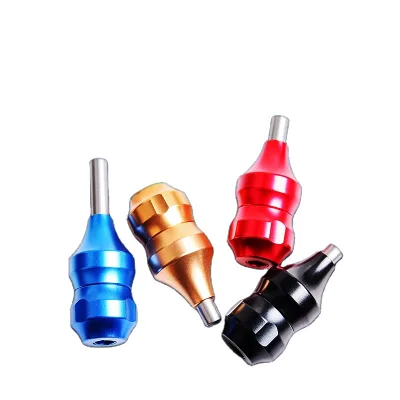


Aluminum Alloy Grip Tattoo Handle Supplies Tattoo Machine Grip for Body Art
$8.90 - $14.90
MOQ: 10 Pieces

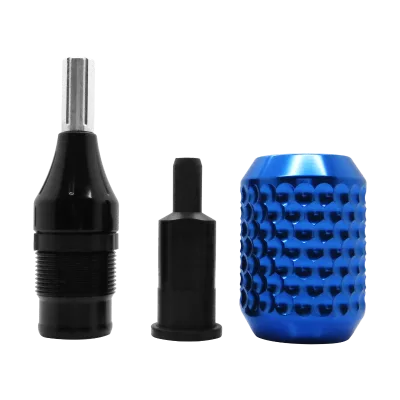


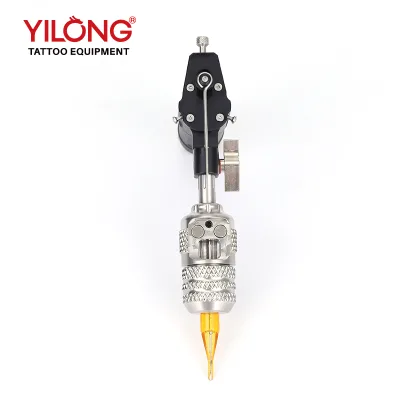
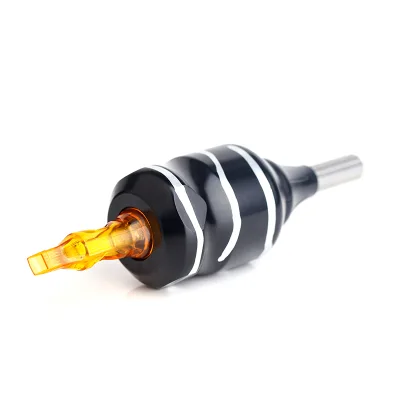
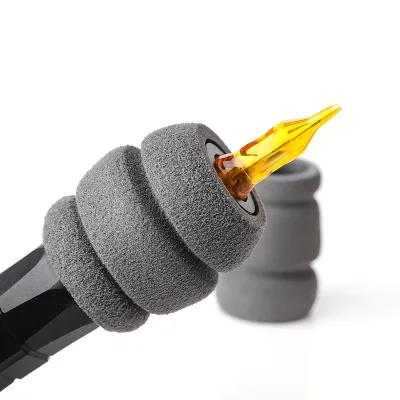
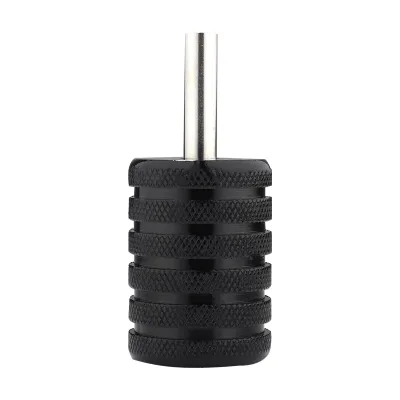


Disposable Grip Cover 2 Inch Self Adhesive Elastic Bandage Tattoo Wrap Tapes
$0.20 - $0.59
MOQ: 384 Pieces


Comprehensive Sourcing Guide
Selflock Tattoo Grip Sourcing Guide
Sourcing selflock tattoo grips requires a nuanced understanding of the mechanical interface between the grip and the tattoo machine coil. These components are critical for artist comfort, machine stability, and hygiene during procedures. The market offers a variety of materials, from aluminum alloys to plastics and stainless steel, each presenting distinct advantages regarding weight, durability, and cost. Buyers must navigate a landscape where specifications vary significantly, including grip diameters ranging from 28mm to 35mm and lengths extending up to 55mm or 8cm. Understanding these physical dimensions is the first step in ensuring compatibility with existing tattoo machine frames and ensuring a secure fit for the artist.
The procurement process also involves evaluating the operational characteristics of the grips, such as their disposability status and customization options. While some products are marketed as non-disposable for long-term studio use, others are designed as single-use items to meet strict hygiene standards. Furthermore, the availability of OEM services and customization allows brands to tailor grips with specific colors, branding, or ergonomic features. This guide provides a structured approach to evaluating these variables, helping buyers make informed decisions based on verified product attributes, supplier capabilities, and commercial terms without relying on unverified claims.
Product Scope and Observed Listing Signals
The current market for selflock tattoo grips displays a diverse range of product types, primarily categorized by material and intended usage. Observed listings indicate that aluminum alloy and plastic are common materials, with stainless steel and aluminum also appearing in specific models. These materials are selected for their ability to withstand repeated sterilization cycles while maintaining structural integrity. The observed price range spans from $0.1 to $36 USD, reflecting the variance in material quality, manufacturing complexity, and brand positioning. This wide spectrum suggests that buyers can find options suitable for both high-volume, low-cost operations and premium, specialized studio environments.
Minimum Order Quantities (MOQs) observed in the market range from 1 to 1000 units, offering flexibility for different business scales. Small studios or individual artists may start with single-unit purchases to test product quality, while larger distributors or manufacturers may require bulk orders to achieve economies of scale. The observed product count of 30 items indicates a concentrated but varied selection, with models such as DT-MAA, YS007G, QFJ02, and QSB01 representing different design iterations. These models often come in multiple colors, including blue, gold, red, black, silver, and grey, allowing for aesthetic customization that can align with brand identity or artist preference.
Technical Specifications to Verify
Verifying the physical dimensions of the Selflock Tattoo Grip is essential to ensure compatibility with the tattoo machine. Key specifications to check include the diameter, length, and grip size. For instance, some models feature a diameter of 28mm and a size of 28mm*55mm, while others may have an outer diameter of 35mm and an inner diameter of 22mm. The grip length can vary, with some products measuring 55mm in height and others extending to 8cm. Buyers must confirm these measurements against their specific machine models to prevent fitment issues that could compromise the tattooing process. The weight of the grip, such as 65g for certain aluminum models, also impacts artist fatigue and should be considered for ergonomic suitability.
Material composition and structural features are equally critical technical considerations. Aluminum alloy grips are noted for their durability and resistance to deformation, making them suitable for heavy use. Plastic grips may offer a lighter alternative, while stainless steel provides a premium, corrosion-resistant option. The presence of an adjustable grip feature, such as a 28mm adjustable grip, adds versatility for different machine configurations. Additionally, the packing specifications, such as 1pc/bag or box quantities like 15pc/box or 20pcs/box, influence inventory management and storage. Buyers should verify these details to ensure the product meets their operational needs and quality expectations.
Compliance and Safety Documentation
Hygiene and safety are paramount in tattooing, and the disposability status of the grip is a key compliance factor. Some products are explicitly labeled as non-disposable, intended for repeated sterilization and long-term use, while others are marked as disposable, designed for single-use to eliminate cross-contamination risks. Buyers must clearly distinguish between these categories to align with local health regulations and studio hygiene protocols. The usage applications, which may include body art, cosmetic procedures, skin care, and hair services, further dictate the required safety standards. Ensuring that the grip material is compatible with the sterilization methods used in the studio is crucial to maintaining product integrity and user safety.
Documentation regarding material safety and manufacturing standards should be requested from suppliers. While specific certifications are not universally listed, buyers should inquire about the compliance of materials with relevant health and safety regulations. For instance, aluminum and stainless steel should be free from harmful coatings or residues that could irritate the skin. The origin of the product, often listed as Zhejiang, China, or generally China, may also influence the regulatory framework under which the product is manufactured. Buyers should verify that the supplier adheres to good manufacturing practices and can provide necessary documentation to support the safety claims of their products.
Cost Drivers and Commercial Terms
The cost of selflock tattoo grips is influenced by several factors, including material choice, manufacturing complexity, and order volume. Aluminum alloy grips, while durable, may carry a higher price point compared to plastic alternatives due to material and processing costs. The observed price range of $0.1 to $36 USD reflects these variations, with premium features such as customization, specific color options, or enhanced durability driving prices toward the higher end. Buyers should consider the total cost of ownership, including the frequency of replacement for disposable grips versus the long-term value of non-disposable options, when evaluating cost efficiency.
Commercial terms, such as delivery methods and packaging, also impact the overall procurement cost. Suppliers offer various delivery terms, including DHL, UPS, FedEx, TNT, and EMS, which affect shipping times and costs. The packing specifications, such as individual packages or bulk boxes, influence handling and storage expenses. Additionally, the availability of OEM services and customization options may incur additional costs but can provide significant branding benefits. Buyers should negotiate clear terms regarding pricing, MOQs, and delivery schedules to ensure a transparent and predictable procurement process.
Supplier Qualification and Quality Control
Evaluating supplier qualifications is essential to ensure the reliability and consistency of selflock tattoo grips. Buyers should assess the supplier's production capabilities, quality control processes, and ability to meet customization requests. The availability of OEM services and support for customization indicates a supplier's flexibility and commitment to meeting specific buyer requirements. Suppliers with a strong presence in regions like Zhejiang, China, may have established supply chains and manufacturing expertise, but buyers should verify their track record and customer feedback to ensure quality consistency.
Quality control measures should be clearly defined and communicated with the supplier. This includes specifications for material purity, dimensional accuracy, and finish quality. Buyers should request samples to test the grip's fit, durability, and comfort before placing large orders. Additionally, establishing clear criteria for defect rates and return policies helps mitigate risks associated with bulk purchases. Regular audits or third-party inspections may be necessary for high-volume orders to ensure that the products meet the agreed-upon standards. Building a strong relationship with a qualified supplier can lead to better pricing, priority service, and consistent product quality.
Long-Term Procurement Checks
Long-term procurement success depends on continuous monitoring of product performance and supplier reliability. Buyers should regularly review customer feedback and artist satisfaction to identify any issues with grip durability, comfort, or fit. Tracking the performance of different models and materials over time helps in making informed decisions about future purchases. Additionally, staying updated on industry trends and new product innovations can provide opportunities to enhance the studio's offerings and improve artist experience.
Maintaining open communication with suppliers is crucial for addressing any emerging issues or changing requirements. Regularly reviewing commercial terms, such as pricing and delivery schedules, ensures that the procurement process remains efficient and cost-effective. Buyers should also consider the environmental impact of their purchases, particularly regarding disposable grips, and explore sustainable alternatives if available. By adopting a proactive and data-driven approach to procurement, buyers can ensure a steady supply of high-quality selflock tattoo grips that meet the evolving needs of their business and clients.
FAQs
What materials are used for selflock tattoo grips?
Selflock tattoo grips are commonly made from aluminum alloy, plastic, or stainless steel. Some models feature aluminum construction for durability, while others use plastic for lightweight handling. Stainless steel options provide robust performance for heavy-duty body art applications.
Which grip sizes are available for these tattoo tools?
Available grip sizes include 28mm and 35mm diameters with lengths around 55mm or 8cm. Specific models offer adjustable grips at 28mm, while others have fixed outer diameters of 35mm and inner diameters of 22mm to fit various machine configurations.
Can I customize the color of the tattoo grip?
Yes, customization is available for selflock tattoo grips in colors like blue, red, black, silver, and grey. Buyers can request specific color combinations such as blue and gold or red and black depending on the manufacturer's production capabilities and order requirements.
How are these tattoo grips packaged for shipping?
Packaging options include individual bags, boxes containing 15 or 20 pieces, or single packages measuring 9x3x3 cm. Some items come in single bags per unit, while bulk orders may be packed in boxes with specific standard counts per container.
What is the origin location for these tattoo supplies?
These tattoo grips originate from Zhejiang, China, with production facilities located in the country. The manufacturing base supports global distribution through various logistics providers like DHL, UPS, FedEx, and TNT for efficient delivery to international buyers.
Are these tattoo grips reusable or disposable?
Selflock tattoo grips are generally non-disposable and designed for repeated use in body art. However, some specific product lines may offer disposable options for single-use applications, so buyers should verify the specific model's disposability status before ordering.
What is the minimum order quantity for these grips?
Minimum order quantities range from 1 to 1000 pieces depending on the supplier and product type. Single item purchases are possible for testing, while larger orders may require higher MOQs to secure bulk pricing and efficient production scheduling.