Source Semi-Automatic 100-Hole Electric Pancake Maker for Cafes, Hotels, and Catering
Find and compare Semi-Automatic 100-Hole Electric Pancake Maker options from 30 verified listings. Evaluate features like voltage, heating methods, and capacity to select the right equipment for high-volume breakfast production.
Key considerations
Products List


Snack Food Pancake Making Crepe Electric Heating Grill Flat Round Crepe Maker
$93.00 - $103.00
MOQ: 10 Pieces

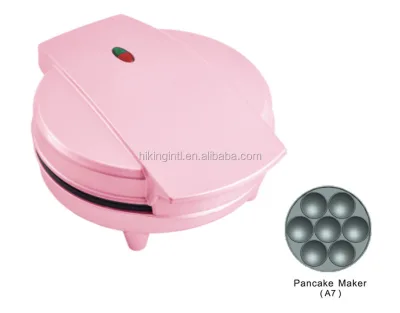


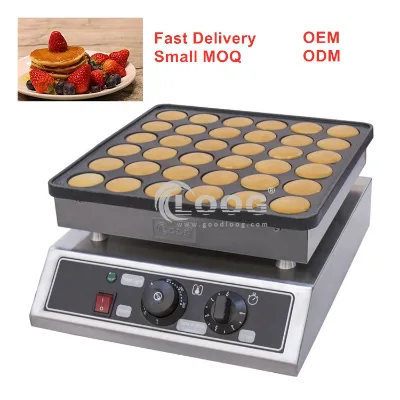
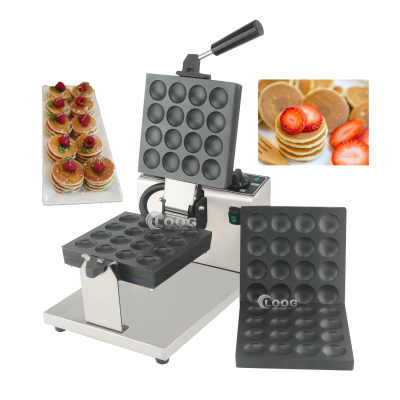

New Design Non-Stick Electric Crepe Pan Electric Pancake Maker Pancake Griddle
$14.00 - $16.00
MOQ: 62 Pieces

Innovation Single-Side Heating Small Pancake Maker Home Use Electric Pancake Pan
$3.18 - $3.38
MOQ: 295 Pieces

Precise Temperature Control Skillet Electric Crepe Maker Electric Baking Pan
$20.57 - $22.57
MOQ: 45 Pieces


Comprehensive Sourcing Guide
Semi-Automatic 100-Hole Electric Pancake Maker Sourcing Guide
Sourcing a semi-automatic electric pancake maker with a high-output configuration requires a careful balance between production speed and operational flexibility. These machines are designed for commercial environments where consistent, high-volume output is necessary, such as breakfast buffets, street food stalls, or dedicated pancake shops. The "semi-automatic" designation implies that while the heating and cooking process is managed by the machine, the batter dispensing or flipping may require manual intervention or a secondary automated step. Buyers must distinguish between fully automated conveyor systems and batch-processing units that rely on operator timing for optimal results. Understanding this distinction is critical for estimating labor costs and throughput efficiency in your specific operational context.
The market for these devices is dominated by manufacturers in China, with Ningbo emerging as a significant production hub. This geographic concentration often correlates with established supply chains for aluminum and plastic housing materials, as well as robust electrical component sourcing. When evaluating suppliers, it is essential to recognize that product specifications can vary significantly even within the same category. Some models may feature single mixing structures or specific heating methods like multiple heat pipes, while others might rely on different thermal distribution technologies. Buyers should treat observed attributes as starting points for verification rather than guaranteed standards, ensuring that the machine’s physical dimensions and power requirements align with their kitchen infrastructure.
Product Scope and Observed Listing Signals
The observed product landscape reveals a wide variance in specifications, indicating that the term "100 hole" may refer to different configurations or that buyers are encountering a mix of similar products. Listings show capacities ranging from less than 500g to 500-800g per batch, which directly impacts the volume of pancakes produced per cycle. The presence of models with specific dimensions, such as a hotplate diameter of 5cm or plate sizes of 22-23.6cm, suggests that the "100 hole" description might be a marketing term for a multi-cavity plate rather than a literal count of individual molds. Buyers must verify the actual number of cavities and the diameter of each, as this determines the final product size and serving portion. Inconsistent listing data, such as varying voltage ratings from 110V to 240V, highlights the need for precise electrical matching to avoid compatibility issues.
Color options and housing materials also vary across listings, with aluminum and plastic being the most common choices. Aluminum housings typically offer better heat retention and durability, while plastic components may be used for handles or external casings to reduce weight and cost. The inclusion of features like temperature control devices and timing devices is a strong indicator of a more advanced semi-automatic system, allowing for greater consistency in cooking results. Conversely, models without timing devices may require more skilled operation to prevent overcooking or undercooking. Buyers should prioritize machines that offer customizable voltage options, as this flexibility is crucial for international procurement and ensures the equipment can be safely integrated into local power grids without the need for expensive transformers.
Technical Specifications to Verify
Voltage and power consumption are the most critical technical parameters to verify before placing an order. Listings indicate a range of power ratings, from 350W to 1700W, and voltages spanning 110V to 240V. A 1700W unit operating at 220V will have a significantly higher current draw than a 350W model, which may require dedicated circuit breakers and wiring in your facility. It is essential to confirm the exact wattage and voltage compatibility for your target market, as mismatched electrical specifications can lead to equipment failure or safety hazards. Additionally, the type of driving motor, whether DC or AC, can affect the machine’s noise level, longevity, and maintenance requirements. AC motors are generally more robust for heavy-duty commercial use, while DC motors might offer quieter operation for customer-facing environments.
The heating method and plate construction directly influence cooking uniformity and product quality. Multiple heat pipe systems are observed in some listings, which can provide more even heat distribution across the plate surface compared to single-element heaters. This is particularly important for multi-hole pancake makers, where uneven heating can result in inconsistent browning and texture. Buyers should also verify the coating type, with non-stick coatings being a standard feature to facilitate easy release and cleaning. The physical dimensions of the product, including the plate size and overall footprint, must be measured against your available kitchen space. Models with specific dimensions, such as 32.3 x 24.2 x 10.3cm, offer precise spatial planning data, while generic "Product Size" listings require direct supplier confirmation to avoid installation issues.
Compliance and Safety Documentation
Certification requirements vary by destination market, but CE, RoHS, LVD, and EMC are commonly cited standards in the observed listings. These certifications indicate that the electrical components and materials meet European safety and environmental directives, which is a baseline expectation for many international buyers. However, the presence of a CE mark does not automatically guarantee compliance with local regulations in other regions, such as UL or CSA standards in North America or CCC certification in China. Buyers must verify which specific certificates are valid for their target market and request copies of the test reports from accredited laboratories. The mention of ISOCE and other certification labels should be treated as claims that require independent verification, as the regulatory landscape is complex and subject to change.
Safety features such as power on/off switches and automatic temperature control are essential for preventing accidents and ensuring consistent operation. These features not only protect the user but also extend the lifespan of the machine by preventing overheating. Buyers should also inquire about the materials used in the construction, particularly regarding food-contact surfaces. While aluminum and plastic are common, the specific grade of plastic and the presence of non-toxic, food-safe coatings must be confirmed. The absence of timing devices in some models may also raise safety concerns if the machine lacks automatic shut-off mechanisms. Ensuring that the supplier provides comprehensive safety documentation, including user manuals and maintenance guides, is crucial for training staff and maintaining operational safety.
Cost Drivers and Commercial Terms
The price range for these machines is extensive, spanning from $3 to over $7,000, reflecting the vast differences in build quality, automation level, and brand positioning. Lower-priced models may use simpler heating elements and basic controls, while higher-end units feature advanced temperature regulation, durable materials, and longer warranties. The minimum order quantity (MOQ) also varies significantly, from 1 unit to over 2,000 units, which impacts the total cost per unit due to economies of scale. Buyers should negotiate based on their volume requirements, keeping in mind that larger orders often come with discounted unit prices but require higher upfront capital. It is also important to consider the packaging, as models shipped in carton boxes with foam filling may have lower shipping costs compared to those in heavy-duty plywood crates.
Shipping and logistics costs are a significant component of the total landed cost, especially for heavy items like pancake makers that can weigh up to 9kg per unit. The net and gross weights, such as 8.2kg and 8.8kg respectively, must be used to calculate freight charges accurately. Buyers should also factor in the cost of customs duties and taxes, which vary by country and product classification. The origin of the product, primarily China, offers competitive manufacturing costs but may involve longer lead times and potential supply chain disruptions. Establishing clear commercial terms, including payment methods, delivery schedules, and return policies, is essential to mitigate financial risks and ensure a smooth procurement process.
Supplier Qualification and Quality Control
Verifying the supplier’s manufacturing capabilities and quality control processes is vital to ensuring product reliability. Buyers should request evidence of the supplier’s production capacity, including the number of units produced monthly and the quality assurance protocols in place. Factories that specialize in small kitchen appliances often have established testing procedures for electrical safety and durability. It is advisable to conduct factory audits or hire third-party inspection services to verify that the production facilities meet international standards. The presence of specific product models, such as HD-2647 or CM-217, can help in tracking the supplier’s consistency and ability to maintain standardized production lines.
Quality control should extend to the raw materials used in construction, particularly the aluminum and plastic components. Buyers should inquire about the source of these materials and any certifications they hold, such as food-grade plastic approvals. The non-stick coating’s durability and resistance to scratching are also critical quality indicators, as poor coatings can lead to product sticking and difficult cleaning. Additionally, the assembly process should be reviewed to ensure that electrical connections are secure and that the housing is robust enough to withstand commercial use. Establishing a clear quality agreement with the supplier, including acceptance criteria and rejection procedures, helps to minimize the risk of receiving defective units.
Long-Term Procurement Checks
After the initial purchase, ongoing monitoring of the machine’s performance is essential to ensure it meets operational expectations. Buyers should track metrics such as cooking time, energy consumption, and maintenance frequency to assess the machine’s efficiency. Regular maintenance, including cleaning of the heating elements and inspection of electrical components, can prevent costly breakdowns and extend the machine’s lifespan. Suppliers should be evaluated on their after-sales support, including the availability of spare parts and technical assistance. A reliable supplier will provide clear guidelines for maintenance and be responsive to any issues that arise during operation.
Building a long-term relationship with a trusted supplier can lead to better pricing, priority production, and access to new product innovations. Buyers should consider diversifying their supplier base to mitigate risks associated with supply chain disruptions. Regular communication with suppliers about market trends and customer feedback can help in selecting the most suitable models for future purchases. Additionally, staying informed about changes in regulatory requirements and certification standards ensures that the equipment remains compliant and safe for use. By maintaining a proactive approach to procurement and quality management, buyers can optimize their operations and achieve consistent, high-quality pancake production.
FAQs
What is the rated power of the Semi-Automatic 100-Hole Electric Pancake Maker
The rated power is 1700W. This specification supports the thermal processing required for the 50-hole waffle maker design, which is a variant of the 100-hole category. Buyers should verify voltage compatibility, as options include 220V or customizable 110V settings.
Which certifications are available for this Semi-Automatic 100-Hole Electric Pancake Maker
Available certifications include CE, RoHS, LVD, EMC, CB, GS, and LFGB. These standards ensure compliance with safety and environmental regulations in various international markets. Specific certification availability may vary by supplier and production batch, so confirm current documentation before ordering.
What is the product size of the Semi-Automatic 100-Hole Electric Pancake Maker
The product size is 32.3 x 24.2 x 10.3 cm. The plate size is 23.6 x 23.6 cm, and each hole has a diameter of 45 mm with a depth of 10 mm. These dimensions are critical for assessing kitchen space requirements and production capacity.
Can the Semi-Automatic 100-Hole Electric Pancake Maker be customized
Yes, customization is available for this product. Suppliers offer options for different colors, including red, black, white, green, and pink. Voltage can also be customized to 110V or 220V. Buyers should specify their exact requirements during the inquiry phase to ensure proper production.
What is the housing material of the Semi-Automatic 100-Hole Electric Pancake Maker
The housing material is plastic. This material choice contributes to the product's weight, which is listed as 9 kg. The non-stick coating on the cooking surface facilitates easy cleaning and prevents food from sticking during the thermal processing of pancakes.
How is the Semi-Automatic 100-Hole Electric Pancake Maker packaged
The product is packed in a color box or gift box inside an export carton. Some configurations use a carton box with plywood outside and foam filled inside for protection. The standard quantity is 6 pieces per carton, with a net weight of 8.2 kg and gross weight of 8.8 kg.
What is the origin of the Semi-Automatic 100-Hole Electric Pancake Maker
The product originates from China, specifically Ningbo. This location is a major hub for small appliance manufacturing. Buyers should verify the specific factory location and export documentation to ensure compliance with their import regulations and logistics planning.