Source Semi-Automatic Air Cooling Dent Puller for Auto Repair, Body Shops, and Workshops
Find 30 Semi-Automatic Air Cooling Dent Puller options from verified suppliers. Compare models like PRM-AL-3KW and PDR with varying power ratings, input voltages, and lifting capacities to suit workshop needs.
Key considerations
Products List


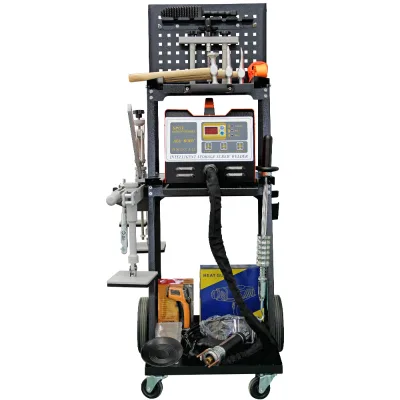
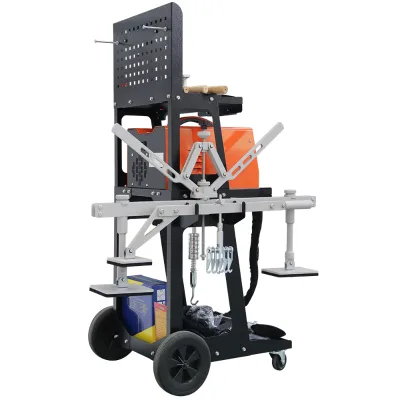
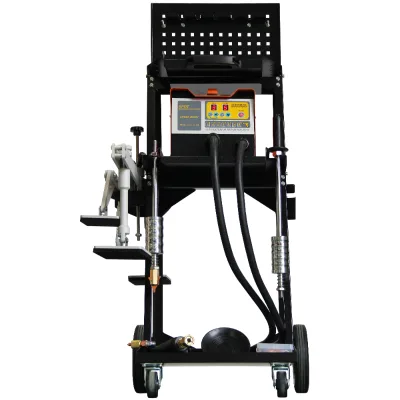


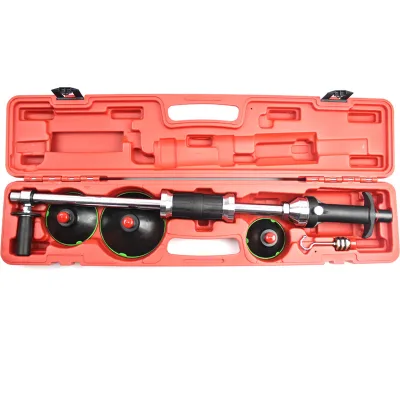
Comprehensive Sourcing Guide
Semi-Automatic Air Cooling Dent Puller Sourcing Guide
The semi-automatic air cooling dent puller represents a specialized class of automotive repair equipment designed to restore vehicle body panels without the need for extensive welding or filler materials. These units typically utilize a combination of hydraulic or pneumatic force and thermal shock to pull out dents, offering a balance between manual precision and automated efficiency. The "air cooling" designation indicates that the system relies on ambient airflow or integrated fans to manage heat generated during the pulling process, which is critical for maintaining component longevity during extended repair sessions. Buyers should recognize that while the core function is consistent, the specific implementation of the cooling mechanism and the power delivery system can vary significantly between manufacturers, directly impacting the tool's suitability for different workshop environments.
Procurement of these devices requires a clear understanding of the operational constraints and the specific repair scenarios they address. The equipment is primarily intended for use in professional settings such as 4S shops, body repair workshops, and collision centers where high-volume, high-precision dent removal is necessary. The semi-automatic nature of the tool suggests that while the pulling force is generated by the machine, the operator retains control over positioning and application, allowing for nuanced adjustments on complex panel geometries. When sourcing, it is essential to verify that the specific model selected aligns with the physical dimensions and material thicknesses of the vehicles typically serviced by the buyer's facility, as mismatched power ratings or cooling capacities can lead to inefficient repairs or equipment failure.
Product Scope and Observed Listing Signals
The market for semi-automatic air cooling dent pullers presents a wide spectrum of configurations, ranging from compact units suitable for light bodywork to heavy-duty systems capable of handling significant structural repairs. Observed listing signals indicate that products in this category often feature distinct power ratings, with some units rated around 3kVA and others reaching up to 6kVA, reflecting their capacity to handle different levels of resistance. The input power supply requirements also vary, with some models designed for standard 220V single-phase inputs while others support a broader range including 110V, 380V, and even 420V, necessitating careful verification of the electrical infrastructure at the intended site of use.
Packaging and physical attributes serve as additional signals for the intended market segment and durability of the product. Listings frequently describe packaging in terms of "Carton Packaging Box," "Standard Export Ply-Wood Box," or "Aluminum Box Packaging," which can indicate the level of protection provided during shipping and the robustness of the internal components. Furthermore, the presence of specific model identifiers such as "PRM-AL-3KW," "PDR," or "PRE-5500" suggests a standardized product line where buyers can expect consistent performance metrics within that specific series. However, the absence of a universal standard means that a buyer must cross-reference these model numbers with the actual technical specifications provided by the supplier to ensure the unit meets the specific demands of the repair tasks at hand.
Technical Specifications to Verify
When evaluating the technical capabilities of a semi-automatic air cooling dent puller, the peak current and rated power are the most critical parameters to verify against the intended workload. Data indicates that certain models in this category can deliver a peak current of up to 11000A, which is essential for pulling deep or stubborn dents that require significant force. The rated power, often observed at 3kVA or 6kVA, determines the sustained output capability of the machine; a higher rated power generally correlates with the ability to perform continuous operations without overheating, provided the air cooling system is functioning correctly. Buyers must ensure that the maximum output power aligns with the thickness of the metal panels they intend to repair, as underpowered units may struggle to achieve the necessary deformation.
The electrical input characteristics and output voltage ranges are equally vital for ensuring compatibility with the workshop's power grid and the safety of the equipment. Specifications show input voltage ranges spanning from 220V to 380V, with some units supporting a wide array of frequencies and voltages including 110V, 220V, 240V, 380V, and 420V at 50/60Hz. Additionally, the output voltage range, observed between 35V and 198V, dictates the flexibility of the tool in handling different types of metal and dent profiles. It is imperative to confirm that the input current, which can be as high as 10A in certain configurations, matches the capacity of the local electrical supply to prevent tripping breakers or damaging the unit. The absence of Bluetooth support in many models suggests that these tools rely on direct manual control, which may be preferable for environments where wireless interference is a concern or where simple, robust operation is prioritized over digital connectivity.
Compliance and Safety Documentation
Safety and regulatory compliance are non-negotiable aspects of sourcing industrial repair equipment, particularly for devices that generate high currents and operate with significant mechanical force. The presence of CE certification is a common and expected standard for products originating from China, indicating that the manufacturer claims adherence to European health, safety, and environmental protection standards. Some listings also reference ISO certification, which suggests a commitment to quality management systems and consistent manufacturing processes. Buyers should request valid, up-to-date certification documents for every unit purchased, as these documents serve as proof that the equipment has undergone the necessary testing for electrical safety and mechanical integrity.
Beyond certifications, the physical safety features and operational documentation must be scrutinized to ensure the tool can be used without risk to personnel. The "New" condition of the products implies that they are not refurbished, but this does not automatically guarantee that all safety guards, emergency stop mechanisms, or thermal protection systems are fully functional or correctly installed. The "Standard" classification of the products suggests they meet baseline industry requirements, but buyers should verify if additional safety standards specific to their local jurisdiction are met. It is also crucial to confirm that the product includes comprehensive user manuals and safety warnings in the local language, detailing the correct procedures for handling high-voltage inputs and managing the heat generated by the air cooling system.
Cost Drivers and Commercial Terms
The pricing of semi-automatic air cooling dent pullers is influenced by a complex interplay of factors, including power capacity, build quality, and the specific features integrated into the unit. The observed price range in the market spans from approximately $6 to $11,406, a vast disparity that reflects differences in manufacturing quality, component sourcing, and the inclusion of advanced features. Lower-priced units may be basic models with minimal cooling capabilities or lower power ratings, while higher-priced models likely offer robust construction, higher peak currents, and more sophisticated control systems. Buyers must be cautious not to equate a lower price with a better value, as the cost of ownership includes maintenance, energy consumption, and the potential for downtime if the equipment fails prematurely.
Commercial terms such as Minimum Order Quantity (MOQ), payment structures, and delivery timelines are equally important in the procurement process. The MOQ for these products can range from 1 unit to 100 units, offering flexibility for small workshops or large fleet operators. Payment terms often include a deposit requirement, with 30% being a common figure, which helps secure the order and cover initial manufacturing costs. Delivery times are typically estimated at around 15 working days, but this can vary based on the supplier's current production load and the complexity of the order. Buyers should also consider the packaging requirements, as specialized packaging like "Polywood" or "Ply-Wood Box" may add to the overall cost but is essential for protecting the equipment during international shipping.
Supplier Qualification and Quality Control
Selecting a qualified supplier for semi-automatic air cooling dent pullers requires a rigorous assessment of their manufacturing capabilities and quality control processes. The origin of these products is predominantly China, a major hub for industrial equipment manufacturing, but this also means that the quality can vary widely between different factories. Buyers should verify the supplier's production capacity, specifically their ability to maintain consistent standards across different batches, as indicated by the "Standard" and specific model designations like "PRM-AL-3KW" or "PDR-3KW." A reliable supplier will have a documented quality assurance process that includes testing for electrical safety, mechanical durability, and the effectiveness of the air cooling system.
Quality control extends beyond the initial manufacturing phase to include pre-shipment inspections and post-delivery support. Suppliers should be able to provide detailed test results or performance data that confirm the unit's ability to deliver the specified peak current and rated power. The "Customization" attribute observed in some listings suggests that suppliers may offer tailored solutions, such as specific voltage configurations or custom packaging, which can be a sign of a more flexible and customer-focused operation. However, buyers must ensure that any customization does not compromise the standard safety certifications or the structural integrity of the unit. Establishing a clear communication channel for technical support and warranty claims is also essential to mitigate risks associated with equipment failure.
Long-Term Procurement Checks
Sourcing semi-automatic air cooling dent pullers is not a one-time transaction but the beginning of a long-term relationship that requires ongoing monitoring and evaluation. Buyers should establish a schedule for regular maintenance checks to ensure that the air cooling system remains effective and that the electrical components are functioning within safe parameters. The "New" condition of the equipment at the time of purchase does not guarantee long-term reliability, and wear and tear on components like pumps, clamps, and hydraulic systems can degrade performance over time. Regular inspections should include checking the condition of the clamps, the integrity of the hydraulic lines, and the efficiency of the cooling fans.
Future procurement decisions should be based on a comprehensive review of the equipment's performance in the field, including its ability to handle the specific types of dents and materials encountered in daily operations. Buyers should track metrics such as repair time, success rate, and any instances of equipment failure to determine if the current model remains the best choice for their needs. If the equipment is used in high-volume environments, the durability of the "Frame-type" structure and the "Vertical" orientation should be evaluated to ensure they can withstand the rigors of continuous use. Additionally, buyers should stay informed about updates in industry standards and safety regulations to ensure that their equipment remains compliant and that any necessary upgrades or replacements are made proactively.
FAQs
What is the rated power of the Semi-Automatic Air Cooling Dent Puller?
The rated power is 3kVA for the PRM-AL-3KW model. This unit supports a peak current of 11000A and operates on AC 220V or 380V input. It features a capacitance of 12000μf and outputs a voltage range of 35V to 198V. The device is new condition and CE certified, ensuring reliable performance for automotive repair tasks.
Can the Semi-Automatic Air Cooling Dent Puller support Bluetooth connectivity?
No, the product does not support Bluetooth connectivity. It operates via direct electrical input and manual controls. The unit is designed for stable, wired operation with AC power supply options including 110V, 220V, 240V, 380V, or 420V at 50/60Hz. This ensures consistent power delivery without wireless interference during heavy-duty dent removal.
What is the maximum output power for the PRM-6KW model?
The PRM-6KW model has a maximum output power of 6kVA. It delivers a max output welding current of 2000A, making it suitable for larger repairs. The unit is packaged in a carton and meets standard export requirements. It is a new condition device originating from China, designed for professional workshop use with high efficiency.
What is the lead time for ordering a Semi-Automatic Air Cooling Dent Puller?
The standard delivery time is 15 working days. This timeline applies to the production and preparation of the unit for shipment. Buyers should note that a 30% deposit is typically required to initiate the order. The product is packed in standard export ply-wood boxes or cartons to ensure safe transit from the manufacturing facility.
What certifications does the Semi-Automatic Air Cooling Dent Puller hold?
The product holds CE certification, ensuring compliance with European safety standards. Some models also carry ISO certification for quality management. These certifications verify that the electrical and mechanical components meet rigorous industry requirements. The units are new condition and available for customization, providing buyers with confidence in product safety and reliability.
What is the MOQ for purchasing a Semi-Automatic Air Cooling Dent Puller?
The minimum order quantity is 1 unit. This allows buyers to test the product with a single purchase before committing to larger volumes. The pricing ranges from 6 to 11406 USD depending on the specific model and specifications. This low MOQ facilitates easy sourcing for small workshops or individual repair professionals seeking high-quality equipment.