Source SGS Certified Motorcycle Clutch for CG230, TVS, and CG125
Find SGS Certified Motorcycle Clutch assemblies for CG230, TVS, and CG125 models. Compare 30 listings from Chongqing suppliers with ISO9001 certification. Options include aluminum and steel materials with 1-year warranties and monthly supply capacities up to 1,000,000 pieces.
Updated
Key considerations
Products List
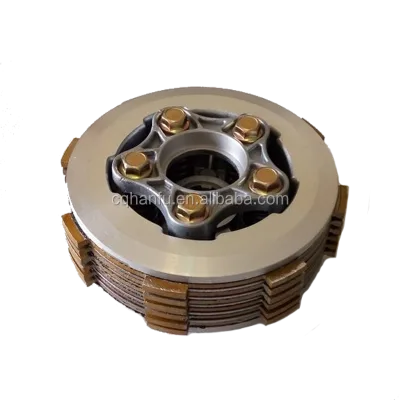
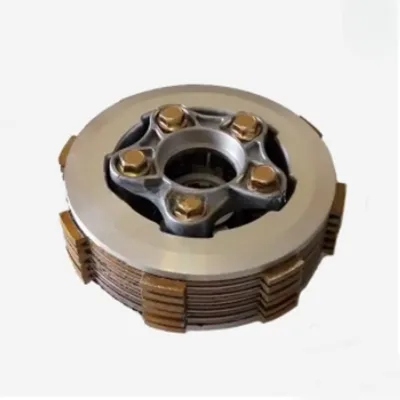
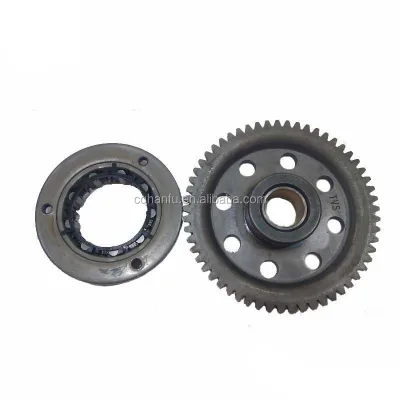
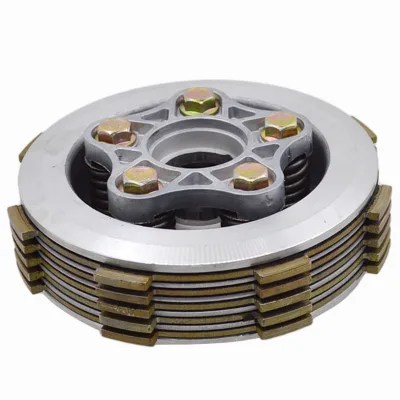
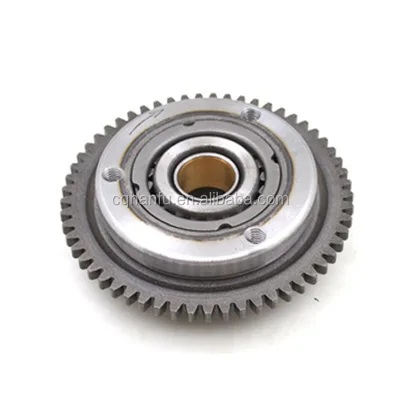
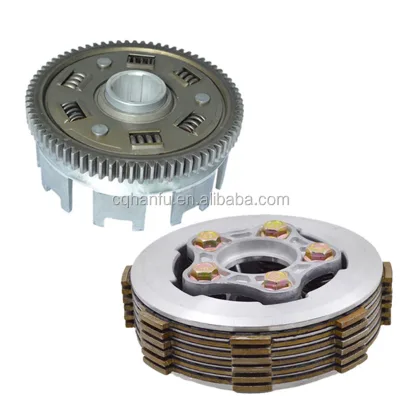


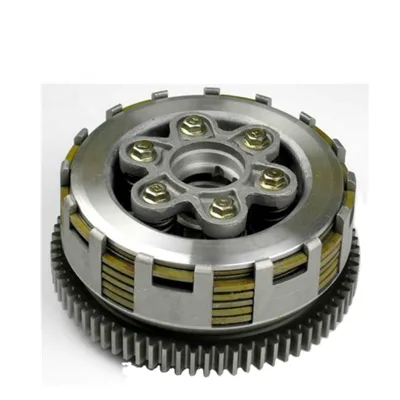
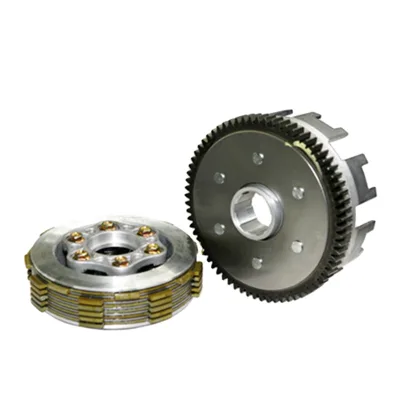
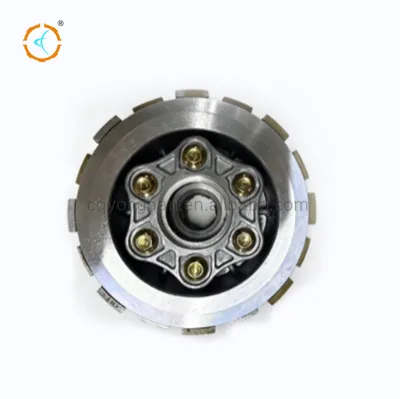
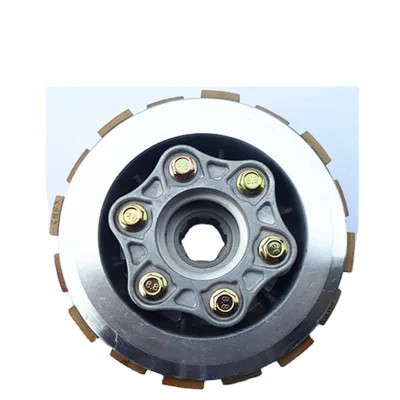
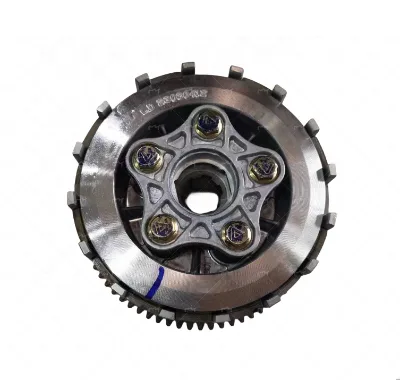
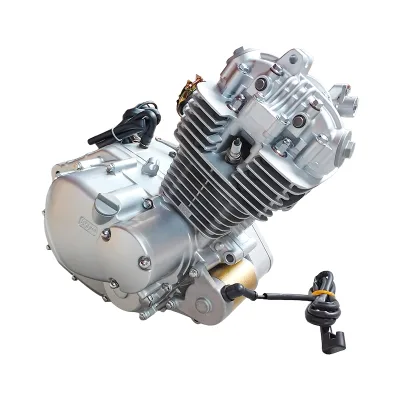
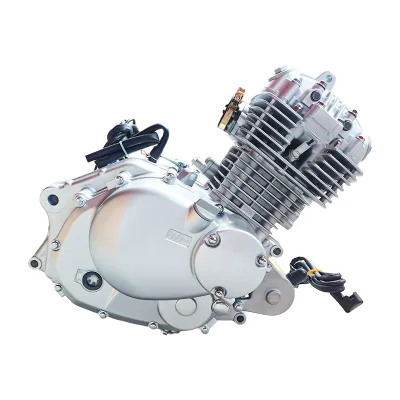
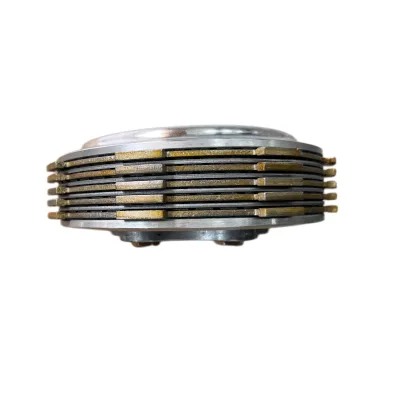
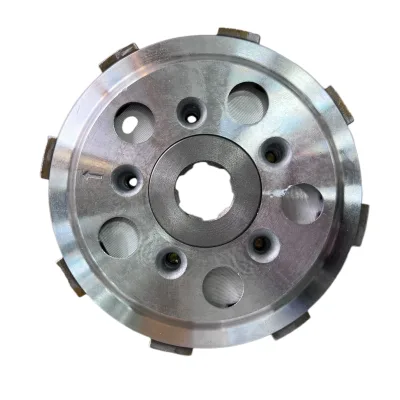
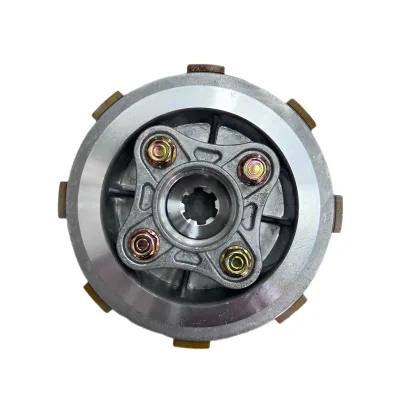
Hot Selling OEM CG250 Center Clutch Complete, Motorcycle Spare Parts Clutch a Class
$2.6587 - $3.5793
MOQ: 100 Minimum


Comprehensive Sourcing Guide
SGS Certified Motorcycle Clutch Sourcing Guide
Procuring a certified motorcycle clutch assembly requires distinguishing between generic listings and verified supply chains that meet rigorous international standards. While the market offers various clutch types, including starter clutches and hub assemblies, buyers must prioritize suppliers who can substantiate their quality claims with third-party validation. The absence of explicit SGS certification in the provided product data necessitates a proactive verification strategy where the buyer requests specific test reports rather than relying on marketing assertions.
Buyers should focus on suppliers located in established manufacturing hubs like Chongqing, which demonstrate high-volume production capabilities and diverse model compatibility. The observed product range includes specific assemblies for models such as CG230, CG125, and TVS, indicating that a single supplier may not cover all needs. Consequently, the sourcing strategy must involve mapping specific clutch requirements against a supplier's actual inventory and technical documentation to ensure the component fits the intended motorcycle platform without modification.
Product Scope and Observed Listing Signals
The available product listings reveal a distinct scope centered on motorcycle clutch assemblies, starter clutches, and hub components designed for specific engine configurations. Listings indicate a primary focus on single-cylinder engines with materials ranging from aluminum to steel, suggesting that the clutch design varies significantly based on the target motorcycle model and load requirements. Buyers must carefully cross-reference the listed model numbers, such as CG230 or TVS-specific variants, against their own fleet specifications to avoid compatibility issues during installation.
Observations of packaging and shipping details highlight that suppliers often utilize neutral packing or natural bag methods, which can impact the perceived value and protection of the goods during transit. The supply ability varies from 1,000,000 pieces to 10,000 pairs per month, indicating a wide disparity in production capacity among vendors. Procurement teams should evaluate whether a supplier's stated volume aligns with their order volume needs, as high-volume claims do not always guarantee the agility required for smaller, specialized orders.
Technical Specifications to Verify
Technical verification begins with confirming the exact model number and fitment data, as listings show variations like "CG230 clutch assy" versus "starter clutch for TVS." Buyers must ensure that the physical dimensions, such as the 122mm size or 12x11x3 cm package size, match the original equipment manufacturer (OEM) specifications for their specific motorcycle. Relying solely on the product name is insufficient; the buyer must demand detailed engineering drawings or dimension sheets to validate that the clutch hub and assembly will function correctly within the existing transmission system.
Material composition is another critical technical parameter, with observed listings citing both aluminum and steel constructions. The choice of material directly influences the durability, heat dissipation, and overall lifespan of the clutch assembly under operational stress. Procurement specialists should request material certification or mill test reports to confirm that the steel or aluminum used meets the necessary tensile strength and wear-resistance standards required for the intended application, ensuring the component can withstand the torque and friction of daily riding conditions.
Compliance and Safety Documentation
While the provided data mentions ISO9001 and ISO90001 certifications, the specific requirement for SGS certification demands explicit confirmation from the supplier. Buyers should not assume that a general quality management system certification equates to product-specific safety testing by SGS. It is essential to request a valid, dated SGS test report that specifically covers the motorcycle clutch assembly in question, verifying that the product has undergone the necessary impact, fatigue, and performance tests mandated by international safety standards.
Documentation regarding the warranty and quality level is equally vital for risk mitigation, as listings vary from "Quality: A" to "OEM" and warranty periods ranging from one year to unspecified terms. Buyers must clarify the scope of the warranty, ensuring it covers manufacturing defects and premature failure rather than just installation errors. A robust compliance package should include a certificate of origin, detailed inspection reports, and a clear statement of liability, providing the legal and operational framework necessary to protect the buyer's investment in the supply chain.
Cost Drivers and Commercial Terms
The observed price range of 2.66 to 252.76 USD reflects significant variation based on material quality, brand reputation, and the complexity of the clutch assembly. Buyers must analyze whether the lower price points correspond to generic, unbranded components or if they represent a competitive advantage from high-volume manufacturers. Understanding the cost drivers, such as the use of premium steel versus standard aluminum, helps procurement teams negotiate effectively and avoid the pitfalls of selecting a product that is too cheap to meet the required performance standards.
Commercial terms, including the Minimum Order Quantity (MOQ) and shipping logistics, play a crucial role in the total cost of ownership. Listings show MOQs ranging from 1 to 300 pieces, with shipping options including sea, air, and express transport from ports like Shanghai, Shenzhen, and Chongqing. Buyers should calculate the landed cost by factoring in freight charges, which vary by volume and urgency, and negotiate payment terms that align with the supplier's production lead time. Balancing the MOQ with inventory needs ensures that the buyer does not overstock while maintaining a steady supply of critical components.
Supplier Qualification and Quality Control
Supplier qualification requires a deep dive into their production capabilities and quality control processes, as indicated by the "Quality: A" and "OEM" attributes found in the listings. Buyers should verify the supplier's ability to maintain consistent quality across large batches, given the reported supply abilities of up to 1,000,000 pieces per month. A robust quality control system should include in-process inspections and final testing protocols that ensure every clutch assembly meets the specified tolerances before it leaves the factory.
The availability of samples is a key indicator of a supplier's confidence in their product and their willingness to engage in a transparent evaluation process. Buyers should utilize the "Sample: available" attribute to request physical units for rigorous testing before committing to a large order. This step allows the procurement team to validate the fitment, material quality, and overall performance of the clutch assembly in a real-world scenario, ensuring that the supplier can deliver on their promises before scaling up the relationship.
Long-Term Procurement Checks
Establishing a long-term procurement relationship involves regular audits and performance reviews to ensure the supplier continues to meet evolving standards and demand. Buyers should schedule periodic quality audits to verify that the supplier maintains their ISO certifications and adheres to the agreed-upon specifications for materials and dimensions. Continuous monitoring helps identify any drift in quality or production delays early, allowing for corrective actions before they impact the buyer's operations or end-user satisfaction.
Supply chain resilience is another critical factor for long-term success, requiring the buyer to assess the supplier's ability to handle fluctuations in demand and raw material availability. Given the diverse port options and shipping methods listed, buyers should develop contingency plans that account for potential logistical disruptions. By maintaining open communication channels and fostering a collaborative partnership, the buyer can ensure a stable supply of high-quality motorcycle clutch assemblies that support their business growth and operational reliability over time.
FAQs
What certifications do motorcycle clutch assemblies typically hold?
Most motorcycle clutch assemblies hold ISO9001 certification to ensure quality management standards. This certification verifies that manufacturing processes meet international benchmarks for consistency and reliability. Buyers should verify specific documentation from suppliers to confirm compliance with their regional regulatory requirements and internal quality control protocols.
Which motorcycle models are compatible with CG230 clutch assemblies?
CG230 clutch assemblies are specifically designed for CG230 motorcycle models. These units are engineered to fit the exact specifications of the CG230 platform, ensuring proper alignment and performance. Buyers must verify the exact model year and variant to guarantee compatibility before placing orders for replacement or aftermarket parts.
Can buyers request samples before placing bulk orders?
Yes, samples are available for most motorcycle clutch assembly products. This allows buyers to inspect material quality, packaging, and fitment before committing to large volumes. Suppliers typically provide samples to facilitate quality verification, ensuring that the final bulk production meets the agreed-upon specifications and performance expectations.
What is the typical supply ability for clutch manufacturers?
Manufacturers often report supply abilities ranging from one million pieces to ten thousand pairs per month. This capacity varies based on the specific product type and production line efficiency. Buyers should confirm current capacity with the supplier to ensure timely delivery for large-scale procurement needs and inventory planning.
How are motorcycle clutch assemblies packaged for shipping?
Clutch assemblies are typically packaged in natural bags or neutral boxes to protect components during transit. Some products use specific packaging details tailored to the item type, such as individual bag packing. This ensures that parts remain clean and undamaged during sea or air transport to international destinations.
What warranty periods are offered for motorcycle clutch parts?
Warranty periods for motorcycle clutch assemblies often range up to one year. This coverage typically addresses manufacturing defects and material failures under normal operating conditions. Buyers should review the specific warranty terms provided by the supplier to understand the scope of coverage and the process for claiming replacements.