Source SG Roller for Metal Casting, Glass Annealing, and Farming
Compare 30 verified SG Roller options from Chinese manufacturers for metal processing, glass annealing lehr, and agricultural soil preparation. Buyers can evaluate specifications, certifications, and customization features to find suitable solutions for industrial machinery parts.
Key considerations
Products List


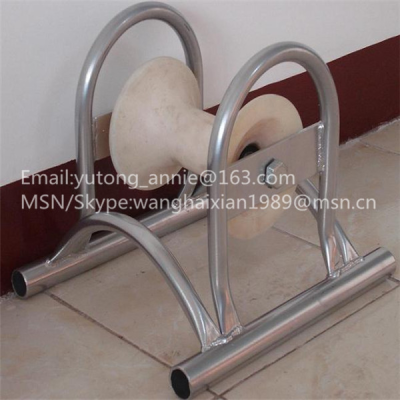
Factory Direct Supply, Quality Roller for All Kinds of Thread Production
$15.00 - $20.00
MOQ: 1 Pieces


Comprehensive Sourcing Guide
Strategic Sourcing Guide for SG Roller Components
Navigating the global market for specialized industrial components requires a disciplined approach, particularly when the search term "SG Roller" intersects with diverse manufacturing sectors. The term often refers to precision rollers used in metal processing, glass annealing, and agricultural machinery. Sourcing these components effectively demands a clear understanding of the technical variances, material compositions, and compliance frameworks that define the supply chain. This guide synthesizes available market data to provide a structured framework for procurement professionals seeking to identify, evaluate, and secure high-quality roller systems. The focus remains on objective analysis of product attributes, ensuring that buyers can make informed decisions based on verified specifications rather than unverified marketing claims.
Technical Specifications and Material Composition
The technical definition of an "SG Roller" varies significantly depending on the intended application, ranging from heavy-duty metal processing to delicate glass handling. A primary observation in the current market is the diversity in material composition. Buyers must distinguish between rollers constructed from Stainless Steel, Castable materials, and various Alloys. The choice of material is not merely a preference but a functional requirement dictated by the operating environment. For instance, rollers designed for metal casting, drawing, or forging machinery often require the durability and corrosion resistance inherent in Stainless Steel. Conversely, components intended for the glass industry, specifically within flat glass annealing lehrs, may utilize Castable materials or specific alloys designed to withstand thermal stress without bending.
Standardization is another critical technical dimension. The market data indicates a wide array of accepted standards, including BS, ANSI, JIS, GB, GOST, ASTM, and DIN. These standards govern the dimensional tolerances, load-bearing capacities, and surface finishes of the rollers. Specific model identifiers such as "QYD-C012," "tf048-18," "tf048-19," and "tf048-10" suggest that manufacturers produce distinct variants tailored to specific machinery interfaces. Furthermore, the "fiber roller" designation points to a specialized category likely used in applications requiring specific friction coefficients or thermal properties. When evaluating a potential supplier, procurement teams must verify that the listed product model aligns with the specific standard required by their existing machinery. Relying on generic terms without confirming the specific standard (e.g., 25/20, 18/8, 25/4, or fiber) can lead to compatibility issues during installation.
Compliance, Certification, and Regulatory Adherence
In the international B2B marketplace, compliance is a non-negotiable prerequisite for entry. The observed market data highlights a consistent presence of major international certifications, specifically CE, RoHS, and GS. These certifications indicate that the rollers meet specific safety, environmental, and quality benchmarks required for export to Europe and other regulated markets. The CE marking, for example, is a mandatory conformity mark for products sold within the European Economic Area, signaling adherence to health, safety, and environmental protection standards. Similarly, RoHS compliance ensures that the materials used in the roller manufacturing process are free from specific hazardous substances, which is crucial for electronics and precision machinery applications.
It is important to note that while these certifications are frequently observed, they are not universal guarantees for every single unit in a broad catalog. Buyers must treat certification status as a specific attribute of the product listing rather than an inherent property of the entire category. The presence of "GS" certification further reinforces the safety standards, particularly relevant for machinery parts used in industrial settings. When conducting supplier evaluations, procurement officers should request valid, up-to-date certification documents for the specific model number being purchased. Verifying that the certification applies to the exact alloy composition and manufacturing process is essential, as different production batches or material grades may fall under different regulatory scopes.
Cost Drivers and Pricing Dynamics
Understanding the cost structure of "SG Roller" components is vital for budget planning and total cost of ownership analysis. The observed price range in the market is exceptionally broad, spanning from $0.10 to $15,600. This variance is not indicative of quality tiers alone but reflects the immense diversity in product specifications, material costs, and manufacturing complexity. A low-cost item likely represents a standard, off-the-shelf component with minimal customization, whereas a high-value unit may involve complex alloy formulations, unique processing technologies, or custom engineering for specific machinery.
Several factors drive these costs. The material composition is a primary driver; Stainless Steel and specialized alloys typically command higher prices than standard castable materials. Additionally, the level of customization plays a significant role. The market data confirms that customization is available, with options for OEM and ODM services. Customized rollers, which may require unique dimensions, surface treatments like oxygenation, or specific packing requirements, will naturally incur higher costs due to the additional engineering and production time. The production model, such as the "tf048" series or "sdyt66," also influences pricing based on the complexity of the mold and the precision required. Buyers should avoid equating the lowest price with the best value; instead, they must align the cost with the specific performance requirements of their application, such as the need for a "smooth surface" or "no thermal bending" in glass annealing processes.
Typical Applications and Industry Use Cases
The versatility of the "SG Roller" is evident in its wide range of applications across multiple industries. The product attributes explicitly link these components to metal processing machinery, including casting, coating, drawing, engraving, forging, spinning, straightening, and cutting operations. In these contexts, the rollers serve as critical transmission or support elements that must maintain high precision under heavy loads and abrasive conditions. The "Stainless Steel" material choice is particularly relevant here, offering the necessary resistance to wear and corrosion in harsh industrial environments.
Beyond metal processing, the data identifies a significant application in the glass industry, specifically for "Flat Glass Annealing Lehr." In this specialized application, the rollers must operate under high temperatures while maintaining dimensional stability. The performance features listed, such as "Long Term Used," "No Thermal Bending," and "Smooth Surface," are direct responses to the challenges of glass annealing, where thermal deformation can ruin the product. Additionally, the market data points to agricultural applications, where rollers are integrated into "Dry Cultivating Machinery" and "Soil Preparation Machinery." These agricultural rollers, often powered by tractors and configured with horizontal axes, require robust construction to handle the rigors of field operations. Understanding the specific industry context is crucial, as a roller optimized for metal engraving may not possess the thermal stability required for glass annealing.
Supplier Evaluation and Operational Capabilities
Selecting the right supplier involves more than just comparing product specifications; it requires an assessment of the supplier's operational capabilities and logistical readiness. The observed market data indicates that suppliers are primarily located in China, with specific mentions of Shandong as a production hub. This geographic concentration suggests a mature supply chain ecosystem, but it also necessitates careful verification of the supplier's actual production capacity and quality control measures.
Key evaluation criteria should include the supplier's ability to handle customization requests, as the market data confirms that OEM and ODM services are available. Buyers should inquire about the "Unique Alloy Formula and Processing Technology" mentioned in the product attributes, as this can be a differentiator in performance and longevity. Furthermore, the supplier's approach to quality assurance is paramount. The data highlights "100% Testing" as a standard attribute, which should be a baseline requirement for any serious procurement. Buyers must verify how this testing is conducted and whether it covers the specific performance metrics relevant to their application, such as load testing or thermal cycling.
Logistical capabilities are also a critical factor. The observed delivery terms include EXW, FOB, CIF, and DDU, offering flexibility in how the goods are shipped. Shipping methods range from sea and air to rail and express delivery, allowing buyers to balance cost and urgency. The packing standards, described as "Plywood Case," "Seaworthy Packing," or "Wooden Containers," indicate a focus on protecting the rollers during transit, which is essential given their precision nature. Buyers should confirm that the packing method aligns with the specific fragility and weight of the rollers being ordered to prevent damage during shipping.
Quality Control and Long-Term Procurement Considerations
Ensuring the long-term reliability of "SG Roller" components requires a proactive approach to quality control and supplier relationship management. The "100% Testing" attribute suggests a commitment to quality, but buyers should seek detailed reports on what parameters are tested. For rollers used in metal processing, tests might include hardness, tensile strength, and surface roughness. For glass industry rollers, thermal shock resistance and dimensional stability under heat are critical metrics. The "Stable and Long Service Life" performance feature is a claim that must be validated through the supplier's testing data and, if possible, through references from existing clients.
Long-term procurement considerations also involve the availability of spare parts and the supplier's capacity for future customization. As machinery ages or production requirements change, the ability to source matching rollers or modify existing designs becomes essential. The "Customized" and "Customization: Available" attributes indicate that suppliers are prepared to adapt, but buyers should establish clear communication channels for these requests. Additionally, the payment terms, which include T/T, L/C, Western Union, and Paypal, offer various levels of financial security. For large orders, using a Letter of Credit (L/C) can provide protection for both parties, ensuring that payment is only released upon the fulfillment of agreed-upon terms.
Finally, buyers should consider the environmental and safety implications of the rollers throughout their lifecycle. The presence of RoHS and CE certifications is a positive indicator, but ongoing compliance monitoring is necessary. As regulations evolve, suppliers must remain agile to ensure their products continue to meet international standards. By maintaining a rigorous evaluation process and fostering transparent relationships with suppliers, procurement professionals can secure a reliable supply of "SG Roller" components that meet the demanding requirements of modern industrial applications.
Summary of Key Product Attributes
To facilitate quick reference during the sourcing process, the following table summarizes the core attributes observed in the market data for "SG Roller" components. This summary serves as a checklist for initial supplier screening and product comparison.
| Attribute Category | Observed Values / Options | Relevance to Procurement |
|---|---|---|
| Material | Stainless Steel, Castable, Alloy | Determines durability, corrosion resistance, and thermal stability. |
| Certifications | CE, RoHS, GS, ISOGS | Mandatory for export compliance and safety assurance. |
| Standards | BS, ANSI, JIS, GB, GOST, ASTM, DIN | Ensures dimensional compatibility with existing machinery. |
| Customization | OEM, ODM, Customized | Allows for tailored solutions to specific application needs. |
| Applications | Metal Processing, Glass Annealing, Agriculture | Defines the functional requirements and performance features. |
| Testing | 100% Testing | Indicates a baseline commitment to quality control. |
| Origin | China (Shandong) | Influences lead times, shipping costs, and supply chain logistics. |
| Packing | Plywood Case, Wooden Container, Seaworthy | Critical for preventing damage during international transit. |
| Delivery Terms | EXW, FOB, CIF, DDU | Determines responsibility for shipping and insurance costs. |
By adhering to this structured approach, buyers can navigate the complexities of the "SG Roller" market with confidence, ensuring that their procurement decisions are grounded in verified facts and aligned with their specific operational needs.
FAQs
What certifications do sg rollers typically have?
Most sg rollers carry CE, RoHS, and GS certifications to ensure safety and environmental compliance. These marks indicate adherence to international standards for hazardous substances and machinery safety, which is essential for export to regulated markets like Europe.
Which materials are used to manufacture sg rollers?
Sg rollers are commonly constructed from Stainless Steel, Castable materials, or specialized Alloys. The material choice depends on the application, with stainless steel offering corrosion resistance for metal processing and alloys providing thermal stability for glass annealing.
Can sg rollers be customized for specific machinery?
Yes, customization is available for sg rollers to meet unique OEM and ODM requirements. Buyers can request specific dimensions, surface treatments like oxygenation, or custom packing solutions such as plywood cases to fit their existing production lines.
How are sg rollers shipped to international buyers?
Shipment methods include sea, air, train, and express delivery to accommodate different urgency levels. Products are typically packed in plywood cases or wooden containers to ensure seaworthy protection during transit, with delivery terms like FOB or CIF available.
What is the quality assurance process for these rollers?
Manufacturers perform 100% testing on sg rollers to guarantee product reliability and performance. This rigorous quality control ensures that components meet specifications for stable service life, smooth surfaces, and resistance to thermal bending in demanding industrial environments.
Where are SG Roller manufacturers primarily located?
The majority of SG Roller production originates from China, with specific manufacturing hubs in Shandong. This concentration allows for a mature supply chain, though buyers should verify specific factory capabilities and lead times for their required order volumes.