Source Silent Professional Cymbal Mute for practice, studio, and performance
Compare 30 listings of Silent Professional Cymbal Mute options featuring varied diameters, materials, and packaging. Buyers can evaluate specifications from 35cm to 55cm sizes suitable for beginners and professionals alike.
Key considerations
Products List
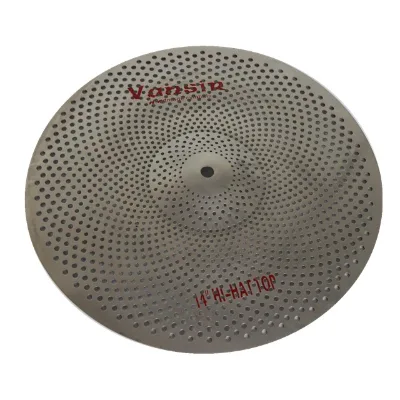
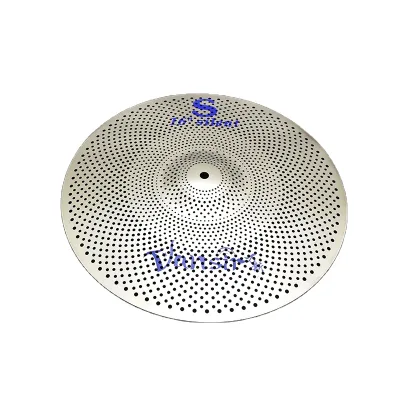
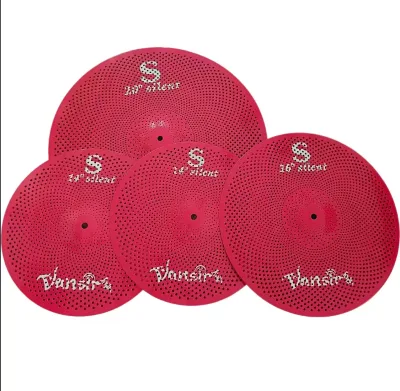
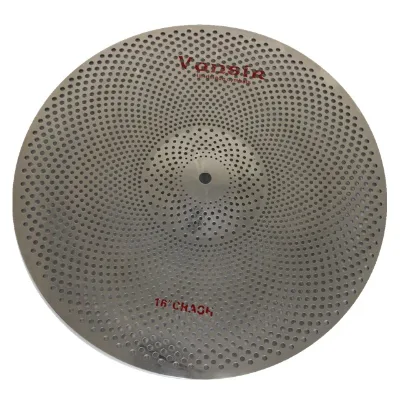
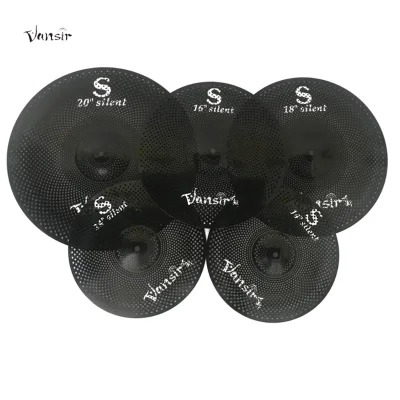
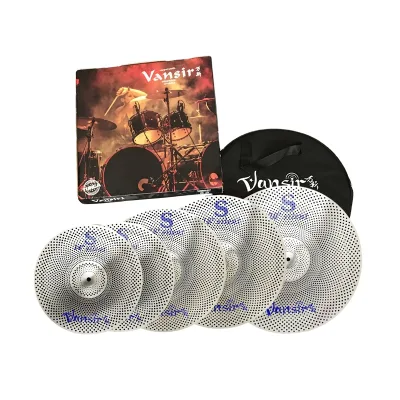


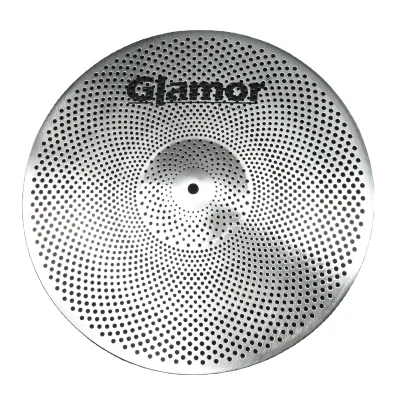


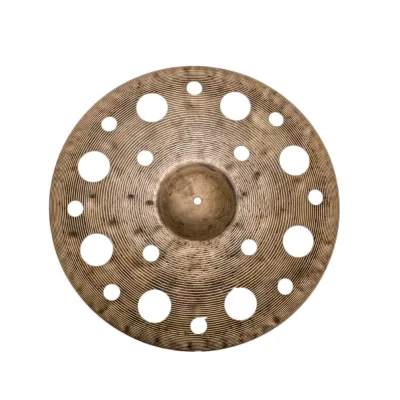
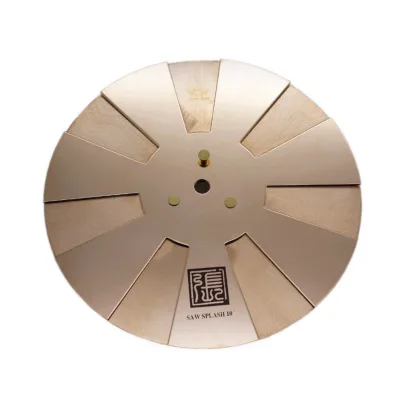


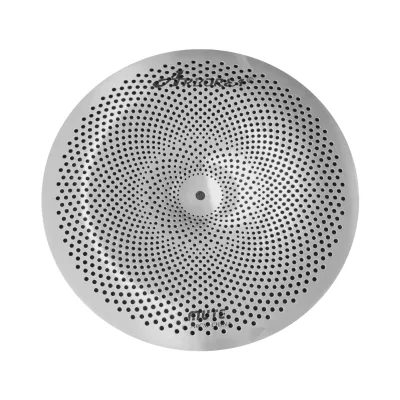
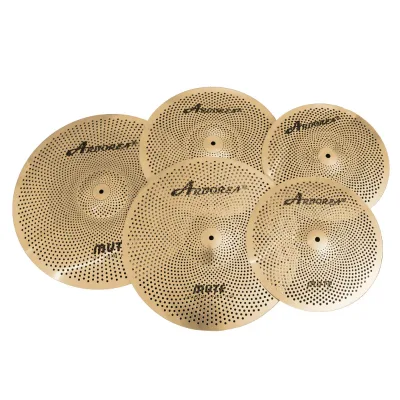
Top-ranking Golden Practice Drum Cymbals Mute Low Volume Cymbal Set for Drum Set
$35.00 - $75.00
MOQ: 1 boxes
Comprehensive Sourcing Guide
Strategic Sourcing Guide for Silent Professional Cymbal Mute Solutions
Understanding the Product Category and Technical Specifications
The core keyword "Silent Professional Cymbal Mute" refers to a specialized subset of percussion instruments designed to reduce volume significantly while maintaining the tactile response and feel of traditional cymbals. In the current market, these products are often categorized under "Low volume zhangqiu cymbal hi-hat cymbal," "Practice Mute Cymbal," or "Silencer cymbal." The primary technical distinction lies in the material composition and the resulting acoustic properties. Unlike standard brass or bronze cymbals, silent variants frequently utilize specific alloys or composite materials to dampen sound waves.
Based on observed product attributes, the material composition varies significantly across listings. Some high-grade professional models are constructed from an alloy comprising 80% copper and 20% tin, a ratio often associated with traditional bell bronze, yet modified for low-volume applications. Other entries in the market specify a generic "alloy" composition, which may indicate different metallurgical blends intended for cost-effective practice solutions. The physical dimensions are equally critical for procurement decisions. Observed diameters range from 35 cm to 55 cm, with specific model numbers such as "Chinese Cymbal" (35 cm), "Cymbal Set" (40 cm), and larger sets reaching 50 cm or 55 cm. The weight of individual units also varies, with observed data points ranging from 1 kg for single hi-hat components to 6 kg for larger cymbal sets.
The manufacturing process is another defining technical characteristic. The majority of these products are described as "Handcraft," indicating a manual finishing process that can influence the consistency of the mute effect and the surface texture. This manual intervention is often cited as a factor in achieving "Professional Sound" characteristics, even when the volume is suppressed. The color options are diverse, ranging from standard silver and red to custom requests where the color is "made for your demand." This flexibility suggests that buyers should verify if the color coating affects the acoustic dampening properties, as some finishes may add mass or alter the vibration characteristics of the metal.
Compliance, Certification, and Safety Standards
When sourcing silent cymbals for professional or educational environments, compliance and safety are paramount, even though the product is a musical instrument rather than a high-risk industrial good. Buyers must understand that while specific certification names are not universally standardized for this niche, the "High Grade" and "High Grade Professional Cymbal" designations imply adherence to certain quality benchmarks.
In the context of international trade, the origin of the product is a critical compliance factor. The observed data indicates a primary place of origin in Shandong, China. This region is a known hub for percussion instrument manufacturing. However, the presence of a specific origin does not automatically confer compliance with international safety standards regarding heavy metals or chemical finishes. Buyers should verify that the "alloy" or "copper-tin" compositions do not contain restricted substances such as lead or cadmium, particularly if the cymbals are intended for use by children or in schools.
Furthermore, the packaging details, which include "Paper Box+Wooden Case" or "Carton," must meet international shipping regulations, particularly regarding wood treatment (e.g., ISPM 15 standards) if wooden cases are used for export. The "OEM Accepted" attribute suggests that suppliers are willing to customize branding and potentially packaging to meet specific regulatory requirements of the destination market. However, buyers must explicitly request documentation regarding the chemical safety of the surface finishes, especially for products described as having a "red" or custom color, to ensure they meet the safety regulations of the target region. There is no explicit mention of ISO certifications or specific acoustic testing standards in the provided data; therefore, procurement teams must treat "Professional Sound" and "Silence" as marketing observations rather than guaranteed technical specifications without third-party verification.
Cost Drivers and Pricing Dynamics
The pricing for silent professional cymbal mutes is influenced by a complex interplay of material costs, manufacturing labor, and supply chain logistics. The observed price range in the market spans from $3 to $1,260 USD, a disparity that reflects the vast difference between entry-level practice sets and high-end professional instruments.
The primary cost driver is the material composition. Products specified as "80% copper + 20% tin" likely command a higher price point due to the cost of raw bronze and the labor-intensive casting and finishing processes required. In contrast, generic "alloy" products, which may use less expensive base metals, are positioned at the lower end of the price spectrum. The "Handcraft" process also adds significant labor costs compared to fully automated mass production, contributing to the higher price of "High Grade" items.
Packaging and logistics represent another substantial cost factor. The requirement for "Paper Box+Wooden Case" or robust "Carton" packaging increases the unit cost, especially when the "Single gross weight" ranges from 2 kg to 6 kg. Heavier items incur higher shipping costs, which can be a significant portion of the total landed cost for international buyers. The "Supply Ability" of 10,000 pieces per month suggests that suppliers have the capacity to handle large orders, which can help stabilize unit costs through economies of scale. However, buyers should be aware that the "MOQ" (Minimum Order Quantity) ranges from 1 to 100 units. While a low MOQ of 1 allows for sampling, it often results in a higher per-unit price. Conversely, ordering at the higher end of the MOQ range may negotiate better pricing but requires a larger upfront capital commitment.
Typical Applications and Performance Expectations
The application of silent cymbal mutes is diverse, catering to both professional and beginner markets. The "Application" field in the product data explicitly lists "Professional Performance" and "Beginners," indicating that these instruments serve two distinct user bases. For professional performers, the "Silence" attribute is crucial for soundproofed studio environments, late-night rehearsals, or venues where acoustic control is necessary without sacrificing the feel of a real cymbal. The "Professional Sound" claim suggests that these mutes are engineered to provide a realistic response, allowing musicians to practice dynamics and technique effectively.
For beginners and students, the "Practice Cymbal Set" and "Low volume" designations are the primary selling points. These products allow new musicians to develop finger control and stick technique without disturbing neighbors or requiring expensive acoustic isolation booths. The "Hi-hat cymbal for sale" and "Cymbal Set" configurations (e.g., 14-16-20 inch sets) are particularly relevant for drummers building a complete practice kit. The "New design cymbal" and "Cymbal for new year" entries suggest that these products are also marketed for seasonal promotions or specific design trends, which may influence their suitability for long-term professional use versus short-term practice.
Buyers should note that the "Sound" attribute varies between "Professional Sound" and "Silence." This distinction is critical for procurement. A product marketed as having "Professional Sound" may still produce audible noise, whereas a "Silence" product is designed for near-total volume reduction. The "Weight" of the cymbal also correlates with the application; lighter units (1 kg) are often suited for hi-hats or smaller practice cymbals, while heavier units (4-6 kg) are typically found in larger sets intended for more robust playing.
Supplier Evaluation and Supply Chain Reliability
Evaluating suppliers in the silent cymbal market requires a focus on their production capabilities, customization options, and logistical reliability. The "Supply Ability" of 10,000 pieces per month is a key metric for assessing whether a supplier can meet large-scale demand. However, buyers must verify if this capacity is consistent across different product lines, as some suppliers may specialize in specific models like the "Chinese Cymbal" or "Low volume zhangqiu cymbal."
The "OEM Accepted" attribute is a strong indicator of a supplier's flexibility. It suggests that the manufacturer is capable of customizing the product with the buyer's brand name, packaging, and potentially even material specifications. This is essential for buyers looking to create a private label product. The "Place of Origin" being Shandong, China, provides a baseline for the supplier's location, but buyers should verify the specific factory address to ensure it aligns with their ethical sourcing policies.
Logistical reliability is another critical factor. The "Port of dispatch" is listed as Qingdao, a major port in China. This is advantageous for international shipping, but buyers should confirm the "Lead Time" for production and shipping, as this information is not explicitly provided in the product data. The "Packaging Details" indicate that products are shipped in paper boxes and wooden cases, which requires careful handling to prevent damage during transit. Buyers should inquire about the supplier's experience with export packaging and their ability to handle "Single item" sales versus bulk shipments.
Quality Control and Long-Term Procurement Considerations
Ensuring consistent quality in silent cymbal procurement requires a rigorous quality control (QC) strategy. Since the "Quality" is described as "High Grade" or "High Grade Professional Cymbal," buyers should not assume all products meet this standard without verification. The "Handcraft" process introduces variability, making visual and tactile inspection essential. Buyers should request samples to test the "Silence" effectiveness, the durability of the alloy, and the consistency of the "Professional Sound" claim.
Long-term procurement considerations include the availability of spare parts and the consistency of the supply chain. The "Model Number" variations, such as "Chinese Cymbal," "Cymbal Set," and "14-16-20," indicate that suppliers offer a range of SKUs. Buyers should ensure that the supplier can maintain the consistency of these models over time, as changes in the "80% copper + 20% tin" ratio or the "Handcraft" process could alter the acoustic properties.
Additionally, the "Color" options, including "silver," "red," and "made for your demend," require careful management. Custom colors may involve additional lead times and minimum order quantities. Buyers should verify that the color coating does not degrade over time or affect the structural integrity of the cymbal. The "Single gross weight" and "Single package size" data are crucial for calculating shipping costs and storage requirements. For example, a "Cymbal Set" with a single package size of 53x52x6 cm and a gross weight of 4 kg will have different logistics implications compared to a single 35 cm cymbal weighing 1 kg.
To mitigate risks, buyers should establish clear quality acceptance criteria based on the observed specifications. This includes verifying the material composition, checking the dimensions against the model number, and testing the acoustic performance. Regular audits of the supplier's production process can help ensure that the "High Grade" claims are maintained. Finally, buyers should consider the environmental impact of the packaging and materials, especially if the "Wooden Case" or specific alloys are subject to changing regulations in the target market.
Comparative Analysis of Product Attributes
To facilitate decision-making, the following table summarizes the key observed attributes of the silent cymbal products, highlighting the variations that buyers must consider during the sourcing process.
| Attribute Category | Product A (Silencer Cymbal) | Product B (Practice Mute Set) | Product C (New Design Cymbal) | Product D (Large Set) |
|---|---|---|---|---|
| Name | Silencer cymbal | Practice Mute Cymbal | New design cymbal | Cymbal for new year |
| Material | 80% Copper + 20% Tin | Alloy | Alloy | Alloy |
| Diameter | 35 cm | 40 cm | 55 cm | 55 cm |
| Weight | 1 kg | 4 kg | 6 kg | 6 kg |
| Application | Professional Performance | Beginners | General | General |
| Sound | Professional Sound | Silence | Professional Sound | Silence |
| Packaging | Paper Box + Wooden Case | Carton | Paper Box + Wooden Case | Carton |
| Origin | Shandong, China | Shandong, China | Shandong, China | Shandong, China |
| MOQ Range | 1-100 | 1-100 | 1-100 | 1-100 |
| Supply Ability | 10,000 pcs/month | 10,000 pcs/month | 10,000 pcs/month | 10,000 pcs/month |
This comparison underscores the importance of matching specific product attributes to the buyer's needs. For instance, a buyer seeking a "Silence" product for beginners should prioritize the "Practice Mute Cymbal" with its "Alloy" composition and "Carton" packaging, while a professional studio might prefer the "Silencer cymbal" with its specific copper-tin alloy and "Professional Sound" profile. By carefully analyzing these attributes, buyers can make informed decisions that align with their technical requirements and budget constraints.
FAQs
What materials are used for silent professional cymbal mutes?
Some models use an alloy of 80% copper and 20% tin, while others utilize generic alloy compositions. Buyers should verify specific material lists as options vary between professional grade and practice sets.
How can I find suppliers accepting custom color requests?
Suppliers often accept OEM orders with custom colors made to your demand. You must confirm if specific finishes affect acoustic properties before placing bulk orders for professional performance use.
Which packaging types are standard for these cymbals?
Standard packaging includes paper boxes with wooden cases or cartons depending on the model. Heavier units require robust packaging to ensure safe transit from the Qingdao port to your location.
Can I order single items for testing purposes?
Yes, many suppliers allow single item orders with a minimum order quantity as low as one unit. This option is ideal for sampling before committing to larger volumes for beginners or professionals.
What is the typical supply capacity for these products?
Suppliers typically offer a supply ability of 10,000 pieces per month for these cymbals. This capacity supports both small custom orders and large-scale procurement for professional performance needs.
How do I verify the quality of high-grade cymbals?
Look for labels indicating high-grade professional quality and handcraft processes. Buyers should request samples to verify the silence effectiveness and ensure the alloy composition meets safety standards.
What are the common diameters for these silent cymbals?
Common diameters range from 35 cm to 55 cm across different models like Chinese cymbals or sets. Select the size based on whether you need a single hi-hat or a complete practice set.