Source Single Channel Subwoofer Crossover for Home, Commercial, Hi-Fi
Compare 30 Single Channel Subwoofer Crossover options from verified Chinese manufacturers. Buyers can evaluate specifications like THD, noise levels, and materials for home, commercial, and Hi-Fi applications. Explore models with CE and RoHS certifications, featuring copper materials and injection molding processes suitable for various audio setups.
Key considerations
Products List


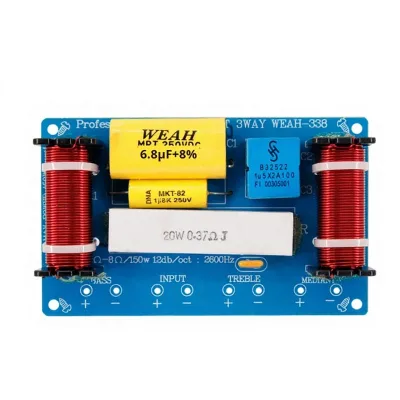
Vt4888 Line Array Speaker Three Way Crossover Board, Bass, Middle and Treble
$10.00 - $25.00
MOQ: 1 Pieces


Sub18 Subwoofer Speaker 18 Inch Subwoofer Car Audio Neodymium Subwoofer
$150.00 - $300.00
MOQ: 1 Pieces


$1000.00 - $2000.00
MOQ: 1 Pieces


Comprehensive Sourcing Guide
Single Channel Subwoofer Crossover Sourcing Guide
Procurement teams must first distinguish between active crossover units and passive components when sourcing single channel subwoofer solutions. The available market data indicates a mix of products ranging from simple speaker terminals to complex frequency dividers designed for specific driver configurations. Buyers should verify whether the listed item is a standalone crossover network or a component integrated into a larger speaker system, as the application requirements differ significantly between these categories.
Understanding the physical form factor is equally critical for successful integration. Observed listings include rectangular units with DC/DC interfaces alongside traditional socket terminals designed for injection molding processes. Sourcing decisions must account for the specific mounting requirements and connection modes, such as double wire setups, to ensure compatibility with existing audio infrastructure. This initial distinction prevents the acquisition of mismatched hardware that cannot be easily retrofitted into a single channel subwoofer setup.
Product Scope and Observed Listing Signals
The current market landscape for single channel subwoofer crossovers presents a diverse array of product models, including specific identifiers like PA-4888 and LA210. These listings often feature distinct color options such as blue or black, which may serve as visual identifiers for different power ratings or impedance levels. Buyers should carefully review the model numbers provided in supplier catalogs to ensure they match the specific frequency response and power handling requirements of their intended subwoofer application.
Packaging and origin details provide additional context regarding the logistics and handling of these electronic components. Many suppliers utilize durable cartons or flight cases, particularly for heavier units like 18-inch subwoofer systems, while others may ship in standard carton boxes. The origin is consistently noted as China, with specific manufacturing hubs in Guangdong, suggesting a concentrated supply chain. Procurement teams must factor in these packaging standards when calculating shipping costs and ensuring the protection of sensitive electronic components during transit.
Technical Specifications to Verify
Technical verification begins with confirming the frequency division capabilities and the specific design architecture of the unit. Some observed products are explicitly described as three-way frequency dividers with Hi-Fi characteristics, while others are designed for single channel subwoofer applications with specific voltage requirements like 12V. Buyers must ensure the selected unit supports the intended speaker system configuration, whether it is a mono setup or a more complex arrangement, to avoid signal degradation or improper driver protection.
Electrical performance metrics such as Total Harmonic Distortion (THD) and noise levels are essential for high-fidelity audio applications. Available data suggests THD values ranging from 0.005% to 0.01%, with noise levels reported below 95dB or 102dB depending on the specific model. Sourcing teams should request detailed test reports for these parameters to confirm that the component meets the strict acoustic standards required for professional or commercial audio environments. Verifying these numerical ranges ensures the crossover will not introduce audible artifacts into the final sound output.
Compliance and Safety Documentation
Regulatory compliance is a non-negotiable aspect of sourcing electronic audio components, particularly for commercial and home applications. The observed product listings frequently cite CE and RoHS certifications, indicating adherence to European safety and environmental standards. Buyers must verify that the specific batch of products they intend to purchase carries valid certification documentation, as these marks are often prerequisites for importing goods into regulated markets and ensuring workplace safety.
Material safety and environmental protection features are also critical considerations for long-term product reliability. Some listings highlight environmental protection characteristics and the use of copper materials for interfaces, which contribute to signal integrity and durability. Procurement teams should request material safety data sheets (MSDS) to confirm that the injection molding processes and component materials meet international safety guidelines. This due diligence protects the buyer from liability issues and ensures the product can be safely deployed in public or commercial spaces.
Cost Drivers and Commercial Terms
Pricing for single channel subwoofer crossovers varies significantly based on the complexity of the circuitry and the materials used. The observed price range spans from 1 to 10,000 USD, reflecting the difference between simple socket terminals and high-performance active units with advanced filtering capabilities. Buyers should analyze the cost per unit against the technical specifications to determine the most economical solution that still meets their performance requirements, avoiding over-specification for basic applications.
Minimum Order Quantities (MOQ) and selling units also play a pivotal role in the total cost of ownership. Listings indicate MOQs ranging from 1 to 2000 units, with some products available as single items while others require bulk purchasing. Procurement strategies must align with the project scale, balancing the need for inventory against the financial constraints of high MOQs. Understanding these commercial terms allows buyers to negotiate better terms and manage cash flow effectively while securing the necessary volume of components.
Supplier Qualification and Quality Control
Supplier qualification requires a thorough assessment of their production capabilities and quality assurance processes. The data indicates that many manufacturers utilize injection molding for housing and have established origins in China, specifically in regions like Guangdong. Buyers should verify the supplier's production history and capacity to ensure they can consistently deliver products that meet the specified standards, such as the board or plywood standards mentioned in various listings.
Quality control measures must extend beyond the initial inspection to include ongoing monitoring of production batches. Features like the "Two Way" operation mode and specific interface types suggest a need for rigorous testing of connection reliability and signal transmission. Procurement teams should implement a quality control plan that includes random sampling and functional testing of received goods to ensure that the THD and noise levels remain within the acceptable ranges defined during the sourcing phase.
Long-Term Procurement Checks
Sustaining a reliable supply chain for single channel subwoofer crossovers involves regular audits of supplier performance and product consistency. Buyers should establish a schedule for reviewing supplier certifications and ensuring that the CE and RoHS compliance remains valid over time. This proactive approach helps mitigate the risk of supply disruptions and ensures that the products continue to meet the evolving regulatory requirements of the target markets.
Continuous evaluation of product performance in the field is essential for identifying any long-term reliability issues. Monitoring the Net Weight, material integrity, and operational modes of the installed units can reveal potential design flaws or manufacturing variances. Procurement teams should maintain a feedback loop with end-users to gather data on product longevity and performance, using this information to refine future sourcing specifications and maintain high standards of audio quality.
FAQs
What is the typical THD for a Single Channel Subwoofer Crossover?
The typical Total Harmonic Distortion is between 0.005% and 0.01%. This low distortion ensures clean signal transmission without adding unwanted noise. It is a key performance metric for high-fidelity audio components used in professional and commercial speaker systems.
Can I customize the Single Channel Subwoofer Crossover design?
Yes, customization is available for these components. Buyers can request specific modifications to meet unique audio requirements. This flexibility allows for tailored solutions in various speaker applications, ensuring the crossover aligns perfectly with the intended acoustic performance and system integration needs.
Which certifications are required for single channel subwoofer crossovers?
Common certifications include CE and RoHS compliance. These standards ensure the product meets safety and environmental regulations for electronic components. Buyers should verify these certifications to guarantee the crossover is suitable for international markets and adheres to strict manufacturing quality controls.
How is the Single Channel Subwoofer Crossover typically packed?
The product is typically packed in durable cartons or flight cases. This packaging protects the internal components during shipping and handling. Secure packing is essential for maintaining the integrity of the electronic crossover, especially when transporting goods over long distances or in rough conditions.
What is the origin of these single channel subwoofer crossovers?
These crossovers are manufactured in China, specifically in regions like Guangdong. Chinese manufacturing is known for producing high-quality electronic components at competitive prices. Buyers can source these products directly from factories with established production processes and reliable supply chains for global distribution.
What is the minimum order quantity for single channel subwoofer crossovers?
The minimum order quantity ranges from 1 to 2000 units. This wide range accommodates both small-scale testing and large commercial orders. Buyers can choose a quantity that fits their budget and inventory needs, allowing for flexible procurement strategies for different project sizes.