Source Skin Protect Sun Shade Sail for Garden, Beach, and Outdoor Use
Find and compare 30 Skin Protect Sun Shade Sail options from verified Chinese manufacturers. Evaluate specifications like GSM, material, and customization to select the right solution for your outdoor or agricultural needs.
Key considerations
Products List


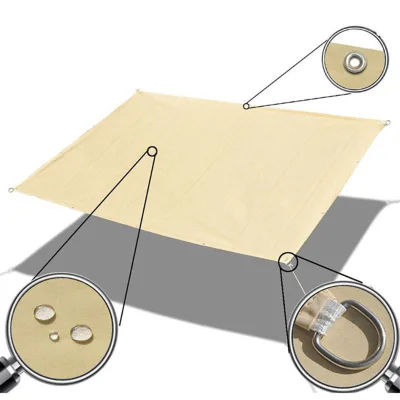
Premium Shade Sail UV-Resistant Outdoor Sun Shade for Patios, Gardens and Decks
$10.00 - $100.00
MOQ: 1000 Pieces




Comprehensive Sourcing Guide
Skin Protect Sun Shade Sail Sourcing Guide
Sourcing sun shade sails requires a careful balance between aesthetic integration and functional performance, particularly when the primary objective is skin protection against ultraviolet radiation. These structures serve as essential outdoor infrastructure for residential gardens, commercial patios, and public recreational spaces, providing a durable barrier that reduces heat intensity while maintaining airflow. Unlike solid roofing, shade sails offer a semi-permeable solution that allows wind to pass through, reducing structural stress during high-wind events while still delivering significant thermal comfort. Buyers must recognize that not all shade sails are created equal; the material composition, weave density, and finishing processes directly dictate the level of UV blockage and longevity. Understanding these variables is critical for selecting a product that meets specific health and safety standards for prolonged outdoor exposure.
The procurement process for sun shade sails involves navigating a diverse market of manufacturers who may use varying terminology for similar products. Listings often highlight features such as "skin protect" capabilities, which typically refer to high Ultraviolet Protection Factor (UPF) ratings or specific fabric treatments designed to block harmful rays. However, buyers should approach marketing claims with caution and rely on verifiable technical specifications rather than promotional language. The market offers a wide range of options, from basic polyethylene nets to high-density polyethylene (HDPE) fabrics, each with distinct performance characteristics. A thorough understanding of material properties, such as GSM weight and shade rate, enables buyers to make informed decisions that align with their specific environmental conditions and usage requirements.
Product Scope and Observed Listing Signals
The current market landscape for sun shade sails reveals a significant variation in product attributes, reflecting the diverse needs of global buyers. Observed listings indicate a price range from $0.2 to $100 per unit, suggesting a broad spectrum of quality tiers and size options. Minimum Order Quantities (MOQs) vary widely, ranging from small batches of 6 units to large industrial orders of 10,000 units, catering to both individual consumers and large-scale commercial projects. This variability underscores the importance of defining clear procurement requirements early in the sourcing process to avoid mismatches between supplier capabilities and buyer needs. Buyers should also note that customization is a common feature, with many suppliers offering tailored solutions for size, color, and shape, which can impact lead times and unit costs.
Technical observations from available data highlight specific material and structural preferences that dominate the market. Common frame materials include iron and steel, providing the necessary rigidity for installation, while sail materials are predominantly plastic-based, with Polyethylene (PE) and Poly being frequent choices. The GSM weight of the fabric is a critical indicator of durability and shade density, with observed values ranging from 160gsm to 360gsm, and specific listings noting 185gsm as a standard. Shade rates are typically high, with many products offering 95% blockage, which is essential for effective skin protection. Additionally, finishing processes such as non-coated sails are noted, indicating a preference for breathable, untreated fabrics that resist mildew and maintain flexibility over time.
Technical Specifications to Verify
When evaluating sun shade sails for skin protection, the GSM weight and shade rate are paramount technical indicators. GSM, or grams per square meter, directly correlates with the fabric's density and durability; higher GSM values generally indicate a tighter weave and greater resistance to tearing and UV degradation. Buyers should verify the specific GSM rating for each product, as values can range significantly, with some listings specifying 140gsm to 360gsm. A shade rate of 95% or higher is often recommended for optimal skin protection, as it effectively blocks the majority of harmful ultraviolet rays. However, buyers must also consider the balance between shade density and airflow; overly dense fabrics may trap heat, while lighter weaves may offer insufficient protection. Verifying these metrics ensures that the selected sail provides the desired level of comfort and safety.
The structural integrity and installation requirements of the shade sail are equally critical for long-term performance. Frame materials, such as iron or steel, must be corrosion-resistant to withstand outdoor elements, and the design should accommodate the specific shape requirements, whether triangular, square, or rectangular. Buyers should confirm the standard dimensions offered by suppliers, such as 4x3m or custom sizes like 2m*6m, and ensure that the chosen configuration fits the intended installation area. Additionally, the operation method, whether manual or fixed, should align with the user's convenience and maintenance preferences. Accessories such as ropes and hardware are often included, but buyers should verify the quality and compatibility of these components to ensure a secure and stable installation.
Compliance and Safety Documentation
Compliance with international standards is essential for ensuring the safety and quality of sun shade sails, particularly when they are marketed for skin protection. Certifications such as CE and ISO9001 indicate that the manufacturer adheres to rigorous quality management systems and European safety standards. Buyers should request copies of these certifications to verify the supplier's commitment to quality control and regulatory compliance. Additionally, material certifications, such as those confirming the use of High Density Polyethylene (HDPE), provide assurance that the fabric is free from harmful chemicals and is suitable for outdoor use. These documents serve as critical evidence of the product's reliability and the manufacturer's professionalism, reducing the risk of procuring substandard or unsafe materials.
Safety documentation should also include information on the product's durability and resistance to environmental factors. Buyers should inquire about the fabric's resistance to UV degradation, mildew, and tearing, as these factors significantly impact the lifespan of the shade sail. While specific test results may not always be available in initial listings, buyers should request detailed product data sheets that outline the material's performance characteristics. Furthermore, understanding the product's origin, such as Sichuan or Shandong in China, can provide insights into the manufacturing environment and supply chain reliability. Buyers should also consider the packaging standards, such as PE bags or cartons, which protect the product during transit and ensure it arrives in pristine condition.
Cost Drivers and Commercial Terms
The cost of sun shade sails is influenced by several key factors, including material quality, GSM weight, and customization requirements. Higher GSM fabrics and specialized finishes, such as those offering 95% shade rates, typically command higher prices due to increased production costs. Customization options, such as specific colors, shapes, or sizes, can also impact the unit price, as they require additional manufacturing steps and potentially longer lead times. Buyers should be aware that while lower-priced options may be available, they often compromise on material quality or durability, which can lead to higher replacement costs in the long run. Understanding these cost drivers allows buyers to make informed decisions that balance budget constraints with performance expectations.
Commercial terms, including Minimum Order Quantities (MOQs) and payment conditions, play a significant role in the overall procurement strategy. Suppliers may offer tiered pricing based on order volume, with lower MOQs suitable for small projects and bulk discounts available for larger orders. Buyers should negotiate terms that align with their inventory management and cash flow requirements, ensuring that they can secure the necessary quantity without overcommitting resources. Additionally, packaging options, such as individual polybags or carton packaging, may affect shipping costs and handling requirements. Clear communication of these terms during the initial inquiry phase helps prevent misunderstandings and ensures a smooth transaction process.
Supplier Qualification and Quality Control
Selecting a reliable supplier is crucial for ensuring the consistent quality and timely delivery of sun shade sails. Buyers should prioritize suppliers with established track records in the industry, as evidenced by their certifications, such as CE and ISO9001, and their ability to provide detailed product specifications. Verifying the supplier's manufacturing capabilities, including their production capacity and quality control processes, is essential to ensure that they can meet the buyer's requirements. Additionally, buyers should assess the supplier's responsiveness and communication skills, as these factors are critical for resolving any issues that may arise during the procurement process. A qualified supplier will provide transparent information about their products and be willing to accommodate reasonable customization requests.
Quality control measures should be integrated into the procurement process to minimize the risk of receiving defective products. Buyers should request samples of the shade sails to evaluate the material quality, stitching, and overall construction before placing a large order. Inspecting the samples for consistency in color, GSM weight, and shade rate helps ensure that the final product meets the specified standards. Additionally, buyers should establish clear acceptance criteria and inspection protocols, which can be conducted either during production or upon delivery. Implementing these quality control steps reduces the likelihood of disputes and ensures that the buyer receives products that meet their expectations for performance and durability.
Long-Term Procurement Checks
Long-term procurement success depends on establishing a robust supplier relationship and implementing continuous improvement strategies. Buyers should regularly review supplier performance metrics, such as delivery times, product quality, and responsiveness, to identify areas for improvement. Maintaining open communication with suppliers allows for the timely resolution of any issues and fosters a collaborative partnership. Additionally, buyers should stay informed about industry trends and technological advancements in shade sail materials and designs, which can inform future procurement decisions. By continuously evaluating and optimizing their sourcing strategies, buyers can ensure that they remain competitive and meet the evolving needs of their customers.
Sustainability and environmental considerations are increasingly important in the procurement of sun shade sails. Buyers should inquire about the recyclability of the materials and the manufacturer's environmental policies, as these factors can impact the product's lifecycle and disposal. Choosing suppliers who prioritize sustainable practices not only reduces environmental impact but also enhances the brand's reputation among environmentally conscious consumers. Furthermore, buyers should consider the product's energy-saving potential, such as the ability to reduce cooling costs in outdoor spaces, as a value-added benefit. By integrating sustainability into their procurement strategy, buyers can contribute to a more responsible and resilient supply chain.
FAQs
What materials are used for skin protect sun shade sails?
The sails are primarily constructed from PE or plastic materials with iron or steel frames. The fabric typically features a GSM range of 140 to 360, with common standards at 160gsm, 180gsm, or 185gsm. These materials provide durability for outdoor, garden, or beach usage while ensuring effective sun protection.
Can I customize the size and color of the shade sail?
Yes, customization is available for both size and color. Standard dimensions include 4x3m, 2x6m, 1.8x6m, and 1.5x6m, but custom-made specifications are supported. Colors can be customized, including options like orange or multicolor, allowing you to match specific aesthetic or functional requirements for your project.
What is the minimum order quantity for these shade sails?
The minimum order quantity varies by supplier, ranging from 6 to 10,000 units. Specific listings indicate a minimum order of 2,000 square meters for certain bulk configurations. Buyers should verify the exact MOQ with the supplier, as it depends on the selected specifications, packaging, and production capacity.
Are these shade sails certified for safety and quality?
Yes, many products carry CE and ISO9001 certifications, ensuring compliance with international quality and safety standards. The materials, such as high-density polyethylene, are selected for durability and performance. These certifications provide assurance regarding the manufacturing process and product reliability for agricultural or outdoor applications.
How are the shade sails packaged for shipping?
Packaging options include PE bags, strong polybags with paper tubes, cartons, or individual handbags. Some products feature premium carton packaging with labels. The method depends on the specific model and size, ensuring protection during transit. Customized packaging is also available to meet specific logistical or branding requirements.
What is the shade rate and energy saving performance?
The shade rate is typically 95% or customizable to meet specific light-blocking needs. The product offers an energy saving rate of approximately 30%, making it effective for reducing heat in outdoor or garden spaces. This performance helps maintain comfortable temperatures while providing essential UV protection for users and plants.