Source Skin Color Breathable CGM Sticker for Sensors, Guards, and Patches
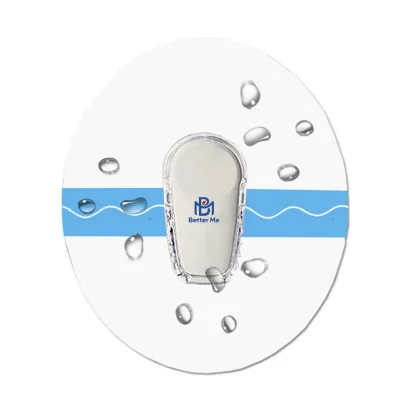
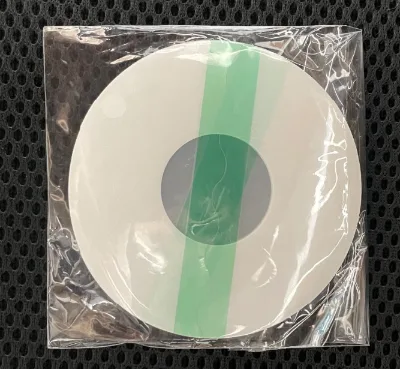
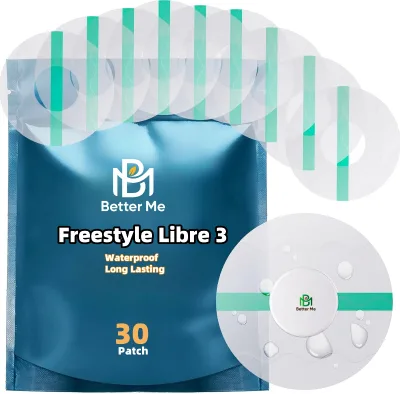
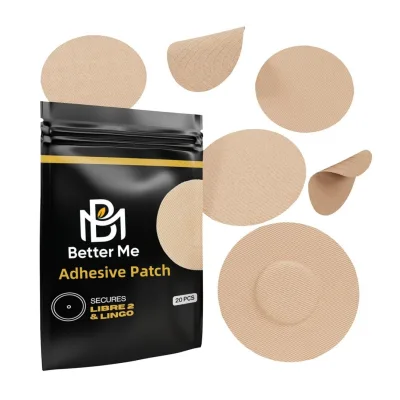
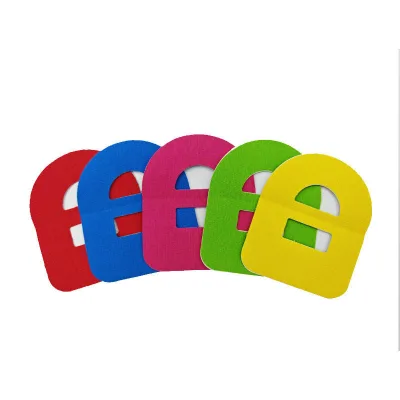
Find 30 Skin Color Breathable CGM Sticker options from Guangdong suppliers. Compare adhesive types, waterproof features, and custom printing services for Dexcom G4, G5, G6, and G7 sensor guards; compare the available evidence and request quotations based on your requirements.
Key considerations
Products List
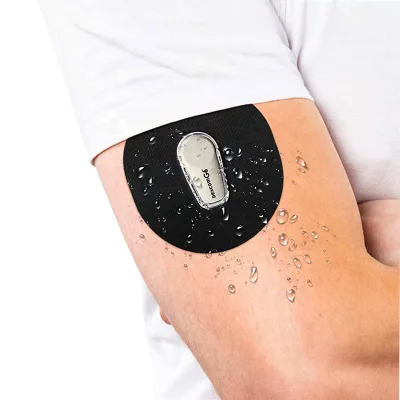
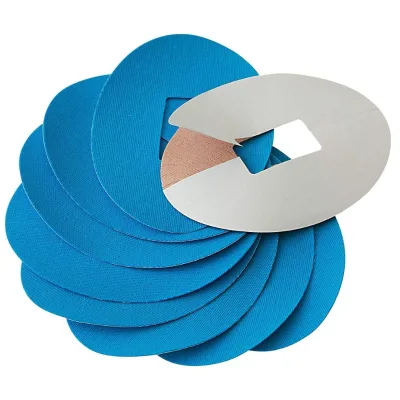


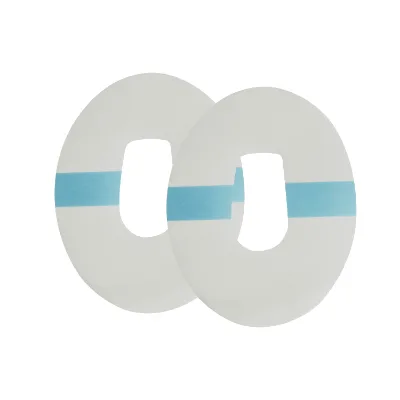
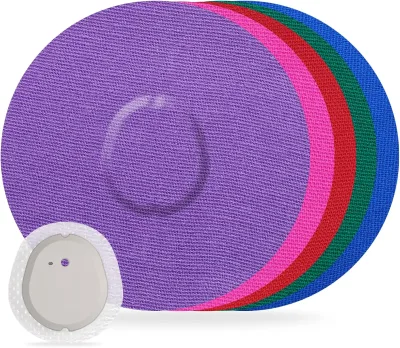


Hypoallergenic Cgm Adhesive Patches for Sensitive Skin Diabetes Management
$0.01 - $0.01
MOQ: 1000 Pieces


Comfortable Extended Wear Cgm Patches with Strong Hold for Glucose Monitoring
$0.01 - $0.01
MOQ: 1000 Pieces






Self Adhesive Stickers Printing Security Warranty 10ml Hologram Vial Label
$0.15 - $0.25
MOQ: 1000 Pieces

Comprehensive Sourcing Guide
Skin Color Breathable CGM Sticker Sourcing Guide
Procurement teams must first distinguish between general adhesive patches and specialized sensor guards designed specifically for continuous glucose monitoring systems. The available market data indicates a clear segmentation where products are explicitly labeled for Dexcom G4, G5, G6, and G7 compatibility, ensuring the physical dimensions align with existing sensor hardware. Buyers should prioritize listings that explicitly state "sensor guard" or "masking" applications to avoid purchasing generic tapes that may interfere with sensor adhesion or signal transmission.
When evaluating product listings, attention must be paid to the specific backing materials and adhesive types listed, as these directly impact skin compatibility and breathability. The observed inventory includes options utilizing cotton and cloth backings, which are often preferred for their ability to allow skin respiration while maintaining a secure hold. It is critical to verify that the adhesive is described as pressure-sensitive and suitable for long-term wear, ensuring the patch remains intact during daily activities without causing irritation or residue upon removal.
Product Scope and Observed Listing Signals
Buyers should analyze the observed price range of 0.01 to 1200 USD to understand the variance between single-item retail packs and bulk industrial orders. This wide spectrum suggests that unit economics are heavily influenced by order volume, with minimum order quantities ranging from a single piece up to 2000 units. Procurement strategies must account for these thresholds, as purchasing small quantities often incurs a significantly higher per-unit cost compared to leveraging the full supply capacity of 1,000,000 pieces per month.
The product scope also encompasses various customization capabilities, including design printing and color availability in options like blue, skin, black, and purple. While some listings offer custom printing services, others specify "no printing," indicating a need to clarify branding requirements before finalizing an order. Buyers must confirm whether the supplier provides OEM or ODM retail packing, as this affects the final presentation and readiness for direct-to-consumer distribution or clinical use.
Technical Specifications to Verify
Verification of physical dimensions is paramount, as the observed specifications list sizes such as 4x1 inch, 3x1 inch, and specific metric measurements like 25x60mm. The thickness of the adhesive layer is noted at 0.65mm, a critical parameter for ensuring the patch does not create excessive bulk under clothing or interfere with the sensor's placement. Buyers must cross-reference these dimensions against the specific model of their CGM device to guarantee a precise fit that covers the sensor without obscuring the transmitter or causing discomfort.
Material composition and surface finishing also require strict scrutiny to ensure the product meets the "breathable" criteria essential for skin health. The data indicates materials ranging from cotton and cloth to PVC, each offering different levels of flexibility and moisture management. Additionally, surface finishes like glossy, matte, or UV coating can affect the tactile experience and durability of the sticker, so buyers should request samples to validate that the chosen material provides the necessary waterproof protection while maintaining skin breathability.
Compliance and Safety Documentation
Although specific certification numbers are not provided in the current data, buyers must demand evidence of biocompatibility for any adhesive intended for prolonged skin contact. The presence of "3M Adhesive" or similar strong adhesive types suggests a reliance on established chemical formulations, yet formal documentation proving the absence of harmful latex or irritants is essential for medical-grade applications. Procurement teams should require suppliers to provide Material Safety Data Sheets (MSDS) or equivalent documentation confirming the safety of the backing and adhesive components.
Safety verification extends to the manufacturing environment and the consistency of the adhesive application process. Since the products are dispatched from ports in Shenzhen and Guangzhou, buyers should ensure that the manufacturing facilities adhere to recognized quality management systems. It is advisable to request batch-specific test results that confirm the adhesive strength and the integrity of the single-sided application, ensuring that the product performs reliably without peeling or leaving residue on the user's skin.
Cost Drivers and Commercial Terms
The primary cost drivers for these adhesive patches include the complexity of customization, such as screen printing or hot stamping with silver or gold finishes, and the choice of backing material. Products featuring custom colors, rainbow options, or specific Pantone matches will generally command a higher price point than standard single-color items. Buyers must also consider the packaging details, as options like shrink wrapping, accordion packing, or individual rolls with polybags add to the overall unit cost and logistical complexity.
Commercial terms are heavily influenced by the supply ability and the specific packaging requirements of the buyer. With a stated monthly supply capacity of 1,000,000 pieces, suppliers can accommodate large-scale orders, but the lead time and shipping method from China (Mainland) must be negotiated explicitly. Buyers should clarify whether the quoted price includes the cost of the waterproof film and carton packaging, as these details can significantly impact the final landed cost and the efficiency of the supply chain.
Supplier Qualification and Quality Control
Supplier qualification should focus on their ability to maintain consistent quality across large production runs, given the high volume capabilities observed in the market. Buyers must verify that the supplier has a robust process for handling custom designs, ensuring that the "Original Sample or We Can Create The Designs" promise translates into accurate, defect-free production. It is crucial to assess their track record for delivering products that meet the specific size and material requirements without variation between batches.
Quality control protocols must address the specific challenges of adhesive products, such as ensuring the single-sided adhesive does not stick to itself during packaging or shipping. The supplier should demonstrate a clear process for inspecting the thickness, size, and adhesive strength of every batch before dispatch. Buyers should also inquire about their return policies for defective goods and their ability to provide replacement stock quickly, as any failure in the adhesive performance can disrupt the user's continuous glucose monitoring regimen.
Long-Term Procurement Checks
Establishing a long-term partnership requires regular audits of the supplier's ability to maintain the "high durable, no residue" advantage over time. Buyers should implement a schedule for periodic quality checks to ensure that the cotton or cloth backing materials do not degrade and that the adhesive remains effective after extended storage periods. Consistency in the product's performance is vital, as any deviation in the adhesive strength or material quality could lead to sensor detachment and inaccurate glucose readings.
Procurement teams must also monitor the supplier's responsiveness to changing market needs, such as new sensor models or evolving customization trends. The ability to adapt to new size requirements or printing technologies will be a key indicator of a supplier's long-term viability. Regular communication regarding supply chain stability and potential disruptions is essential to ensure a continuous flow of high-quality CGM patches that meet the evolving demands of healthcare providers and end-users.
FAQs
What materials are used for skin color breathable cgm stickers?
The stickers are primarily made from cotton and cloth materials to ensure breathability and comfort against the skin. Some variants utilize PVC for specific durability needs. These materials support the adhesive function while maintaining a skin-friendly texture suitable for continuous wear with Dexcom sensors.
Can I get custom printing on these CGM adhesive patches?
Yes, custom printing is available for these adhesive patches. Buyers can choose from screen printing options or provide original samples for design creation. The service supports various color modes including CMYK and Pantone, allowing for branded or personalized designs on the sticker surface for better visibility.
Which Dexcom models are compatible with these adhesive patches?
These patches are designed to fit Dexcom G4, G5, G6, and G7 sensor models. The sizing accommodates the specific dimensions of these devices, ensuring a secure fit. The adhesive side is single-sided and pressure-sensitive, providing a reliable bond that holds the sensor guard in place during daily activities.
What is the typical MOQ for ordering these CGM patches?
The minimum order quantity ranges from 1 to 2000 pieces depending on the specific product variant and customization requirements. Standard items may have lower MOQs, while custom printed or specific size orders might require higher volumes. Buyers should confirm the exact MOQ with the supplier based on their selected model and packaging.
Are these patches waterproof and removable without residue?
Yes, the patches are waterproof and designed to be removable without leaving residue on the skin. The adhesive type is pressure-sensitive, ensuring strong initial adhesion while allowing for clean removal. This feature helps maintain skin health and ensures the sensor remains secure even during exposure to water or sweat.
Where are these CGM adhesive stickers manufactured?
These stickers are manufactured in Guangdong, China. The production facilities are located in this region, which is known for its manufacturing capabilities in medical and adhesive products. The port of dispatch is typically Shenzhen or Guangzhou, facilitating efficient logistics for international buyers seeking these specific sensor guard patches.