Source Skin Rejuvenation Callus Remover for Home, Salon, and Clinic
Explore 30 listings for Skin Rejuvenation Callus Remover devices featuring IPL and E-light theories. Buyers can compare models like IBN-2.0 and VE2020 across applications in salons and homes, noting variations in portability and warranty terms.
Key considerations
Products List


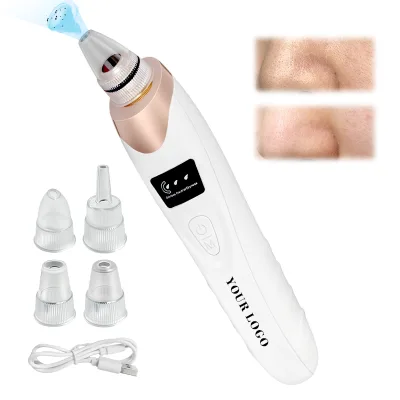


Home Use Skin Resurfacing Device Hot and Cold Beauty for Skin Rejuvenation
$19.90 - $25.90
MOQ: 50 Pieces
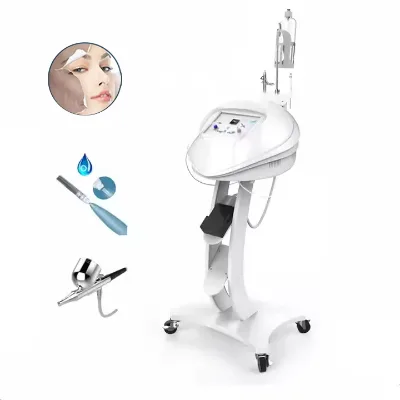
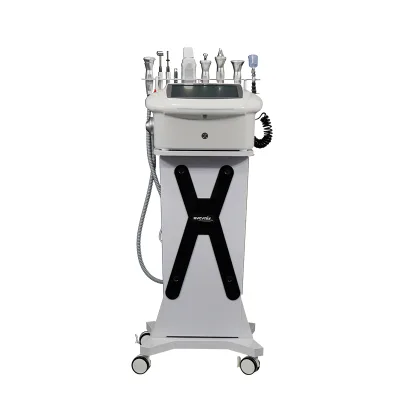


Rejuran Skin Therapy for Facial Renewal and Collagen Regeneration Support
$55.00 - $99.00
MOQ: 1 Pieces


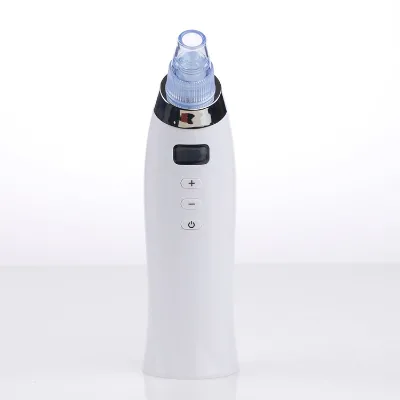
Comprehensive Sourcing Guide
Strategic Sourcing Guide for Skin Rejuvenation and Callus Removal Equipment
The global market for aesthetic and dermatological devices has expanded significantly, driven by the dual demand for professional salon treatments and at-home consumer solutions. When sourcing equipment specifically labeled for skin rejuvenation and callus removal, buyers must navigate a complex landscape of technical specifications, regulatory compliance, and supply chain reliability. The core keyword "Skin Rejuvenation Callus Remover" often aggregates distinct device categories, ranging from high-intensity light therapies to mechanical exfoliation tools. This guide provides a disciplined framework for evaluating potential suppliers and products, ensuring that procurement decisions are grounded in verifiable facts rather than marketing assertions.
Technical Specifications and Device Classification
Understanding the underlying technology is the first step in distinguishing between effective devices and generic marketing terms. In the provided product data, we observe a clear divergence in theoretical mechanisms. Some units operate on IPL (Intense Pulsed Light) or E-light theories, which are primarily designed for vascular removal, hair removal, and skin rejuvenation. These devices typically utilize light energy to target specific chromophores in the skin, promoting collagen growth and reducing wrinkles. For instance, specific models like the IBN-2.0 and VE2020 are explicitly linked to these light-based technologies.
Conversely, the term "callus remover" often implies mechanical or chemical exfoliation. While the supplied data does not explicitly list a mechanical callus removal device, it does list products with functions such as "Whitening, Firming, Anti-Aging, Anti-Wrinkle" and materials like Hyaluronic Acid. It is critical for buyers to verify if a single device claims to perform both deep tissue exfoliation (for calluses) and light-based rejuvenation. The data indicates that some units are classified strictly as "Wrinkle Remover Equipment" or "Hair Removal Instruments," suggesting that a device claiming to be a multi-purpose "callus remover" might be mislabeled or require specific verification of its handpiece capabilities.
Buyers should scrutinize the Handpiece Number and Auto Identification features. For example, the VS+ model lists four handpieces with auto-identification, a feature that ensures the correct energy parameters are applied for specific treatments. When evaluating a device for callus removal, the buyer must confirm the specific applicator type, as standard IPL handpieces are generally not designed for the high-pressure mechanical action required to remove thick calluses. The distinction between "Portable" and "Non Portable" units is also vital; the data shows models like VE2020 are portable, while VR2015 is listed as non-portable, indicating different power requirements and intended usage environments.
Compliance, Certification, and Regulatory Standards
In the medical and aesthetic device sector, compliance is not merely a formality but a prerequisite for market entry and liability protection. The supplied product facts highlight several critical certifications and standards that serve as benchmarks for due diligence. The CE mark appears frequently, indicating conformity with health, safety, and environmental protection standards for products sold within the European Economic Area. Additionally, the ISO standard and ISO9000 certification are mentioned, which relate to quality management systems and manufacturing consistency.
For buyers operating in or importing to China, the Cfda (China Food and Drug Administration) certification and Prc Import & Export License are essential. These documents verify that the manufacturer is authorized to produce and distribute medical-grade devices within China. The data also references specific product standards, such as dimensions like 23.5136.5cm and unit weights of 0.98kg, which serve as physical verification points. However, buyers must be cautious; while the data lists "CE" and "ISO," it does not guarantee that every unit in a specific batch holds these certifications without direct verification from the supplier.
The Warranty terms provided in the data, such as "1 Year" or "2 Years" with "Technology Supports Forever," offer insight into the manufacturer's confidence in their product. However, the validity of these warranties often depends on the specific region of operation and the availability of local service centers. Buyers should verify if the "Technology Supports Forever" clause includes software updates or hardware replacements, as this can significantly impact long-term operational costs.
Cost Drivers and Pricing Structures
The pricing landscape for aesthetic devices is highly variable, influenced by technology, build quality, and brand positioning. The observed price range in the market spans from 1 to 8000 USD, a wide spectrum that reflects the difference between basic consumer units and professional-grade salon equipment. The data notes that some suppliers claim to offer "The Most Cheap Price in China," which suggests a competitive market where cost is a primary differentiator. However, low prices can sometimes correlate with lower quality components, shorter lifespans, or lack of genuine certification.
Several factors drive the cost of these devices. The Material composition, such as the use of Aluminum Alloy Cases versus standard Carton packaging, affects durability and perceived value. Professional units often come in rugged cases designed for transport, while consumer units may use simpler Gift Box packaging. The MOQ (Minimum Order Quantity) ranges from 1 to 2000, indicating that buyers can source single units for testing or large batches for distribution. High-volume buyers may negotiate better pricing, but they must balance this against the risk of overstocking technology that may become obsolete.
When evaluating cost, buyers should look beyond the unit price to include shipping, customs duties, and after-sales support. The Place of Origin varies, with Guangzhou and Beijing cited as manufacturing hubs. Logistics costs from these regions can differ based on the weight and dimensions of the packaging, such as the 48X39X43cm/Caton 17kg specification. A cheaper unit with high shipping costs or complex import requirements may end up being more expensive than a slightly higher-priced unit with streamlined logistics.
Typical Applications and Target Markets
The intended application of the device dictates the required technical specifications and the target customer base. The data identifies Salon and Home as the primary application areas. Professional salon equipment, such as the VR2015 or VS+, is designed for high-volume use and often features more robust construction and advanced software interfaces. These units are typically marketed to beauty clinics and dermatology practices where Vascular Removal, Spider Vein Removal, and Skin Rejuvenation are core services.
For the home market, portability and user-friendly software are paramount. The IBN-2.0 and VE2020 models are described as portable and featuring "Most Humanized Software Design," which simplifies the user experience for non-professionals. These devices often target consumers seeking Anti-Aging, Whitening, and Scar and Acne treatment. The Age Group is listed as "All Ages," and the Skin Type compatibility includes "Combination," suggesting a broad market appeal. However, buyers must ensure that the device is suitable for the specific skin types of their target demographic, as misuse can lead to adverse effects.
The Function of the device is a critical filter. While some units focus on Vascular Removal, others are specialized for Hair Removal or Wrinkle Removal. A device claiming to be a "callus remover" must be verified for its specific mechanical action, as light-based devices cannot effectively remove thick calluses. The Body Part specification, such as "Foot," is particularly relevant for callus removal, whereas other units may focus on the face or body. Buyers should match the device's stated function with their specific business needs to avoid purchasing equipment that cannot deliver the promised results.
Supplier Evaluation and Operational Capabilities
Selecting the right supplier requires a thorough evaluation of their production capabilities and business practices. The data indicates that suppliers offer OEM & ODM services, allowing for "Professional Design and Production." This flexibility is valuable for buyers looking to brand the equipment under their own name or customize specific features. However, the presence of OEM/ODM capabilities does not guarantee quality; it merely indicates the supplier's ability to adapt production lines.
Buyers should verify the Brand Name and the supplier's reputation. The data mentions ADSS as a brand, but buyers should not rely solely on this name without independent verification of the company's track record. Key evaluation criteria include the supplier's response time, their willingness to provide samples, and their transparency regarding manufacturing processes. The User-Friendly Software feature, described as "Most Hunanized Software Desig" (likely a typo for Humanized), highlights the importance of intuitive interfaces, which can reduce training costs and minimize user error.
When assessing suppliers, buyers should also consider the Warranty and Technology Support provisions. A supplier offering "Technology Supports Forever" implies a long-term commitment, but the buyer must clarify what this entails. Does it include remote troubleshooting, firmware updates, or replacement of defective handpieces? The Certification status, such as Cfda and Prc Import & Export License, should be verified through official channels to ensure the supplier is legitimate and compliant with local regulations.
Quality Control and Long-Term Procurement Considerations
Maintaining product quality over time is essential for customer satisfaction and brand reputation. The Standard specifications, such as dimensions and weight, serve as baseline quality checks. For example, a unit weighing 0.98kg with dimensions 23.5136.5cm should be consistent across all units in a batch. Deviations from these standards may indicate quality control issues or the use of substandard materials.
Buyers should implement a rigorous Quality Control process that includes visual inspections, functional testing, and verification of certifications. The Disinfection feature and Color (e.g., Transparent) are also important for hygiene and aesthetic appeal, particularly in medical settings. The Material composition, such as Hyaluronic Acid in associated products, should be verified for purity and efficacy.
Long-term procurement considerations involve the scalability of the supply chain and the availability of spare parts. The Handpiece Number and Auto Identification features suggest that devices may require specific replacement parts. Buyers should ensure that the supplier can provide a steady supply of consumables and replacement components for the lifespan of the device. The Warranty period, whether 1 Year or 2 Years, should be factored into the total cost of ownership. Additionally, the Portability of the device affects its suitability for mobile services or travel, which may be a key selling point for certain business models.
Comparative Analysis of Device Attributes
To facilitate decision-making, the following table summarizes key attributes observed in the product data, highlighting the distinctions between different device types and their suitability for specific applications.
| Attribute | Model IBN-2.0 | Model VE2020 | Model VR2015 | Model VS+ | Model Rejuran Healer |
|---|---|---|---|---|---|
| Primary Theory | IPL | E-light | E-light | E-light | N/A (Material Focus) |
| Function | Anti-Aging | Vascular Removal | Vascular Removal | Skin Rejuvenation | Skin Rejuvenation |
| Portability | Portable | Portable | Non Portable | Portable | N/A |
| Certification | CE | CE, ISO9000 | CE | CE | N/A |
| Warranty | 1 Year | 2 Years | N/A | N/A | N/A |
| Handpieces | N/A | N/A | N/A | 4 (Auto ID) | N/A |
| Target Area | Foot, General | Vascular | Vascular | General | Skin |
| Packaging | Gift Box | Aluminum Case | N/A | N/A | Box |
This comparison underscores the importance of matching the device's technical capabilities with the buyer's specific needs. While the IBN-2.0 and VE2020 are portable and suitable for home or mobile use, the VR2015 is non-portable, indicating a fixed installation requirement. The VS+ model's four handpieces with auto-identification suggest a high level of versatility for professional salons. Buyers must carefully evaluate these attributes to ensure the selected equipment aligns with their operational requirements and target market.
In conclusion, sourcing skin rejuvenation and callus removal equipment requires a meticulous approach that balances technical specifications, regulatory compliance, and cost considerations. By leveraging the verified facts provided and conducting thorough due diligence, buyers can make informed decisions that ensure the delivery of high-quality, effective, and compliant devices to their customers.
FAQs
What certifications do Skin Rejuvenation Callus Remover devices typically hold?
Devices often carry CE, ISO, and ISO9000 certifications for safety and quality management. Some models also include Cfda and Prc Import Export License for Chinese market compliance. Buyers must verify these documents directly with suppliers as not every unit is guaranteed to hold them without specific batch verification.
Which product models are available for skin rejuvenation and callus removal?
Available models include IBN-2.0, VE2020, VR2015, VS+, and Rejuran Healer. These units vary by function, with some focusing on vascular removal or hair removal while others target skin rejuvenation. Buyers should check the specific model function to ensure it matches their intended treatment needs.
How does the warranty coverage work for these aesthetic devices?
Warranty terms typically range from one to two years with promises of forever technology support. The specific duration depends on the model and supplier agreement. Buyers should clarify if technology support includes software updates or hardware replacements to understand long-term operational costs.
Can these devices be customized for specific brand requirements?
Yes, suppliers offer OEM and ODM services for professional design and production customization. This allows buyers to brand the equipment under their own name or modify specific features. However, customization capabilities do not guarantee quality, so supplier track records must still be verified independently.
What is the typical price range for Skin Rejuvenation Callus Remover equipment?
The observed price range spans from 1 to 8000 USD depending on the device class. Some suppliers claim to offer the cheapest prices in China, but low costs may correlate with lower quality components. Buyers should evaluate total costs including shipping and customs duties alongside the unit price.
Which locations are the primary origins for these manufacturing units?
Manufacturing origins include Guangzhou and Beijing in China. These locations serve as key hubs for producing aesthetic devices with varying packaging standards. Logistics costs will differ based on the specific origin and the weight or dimensions of the product packaging.
What are the standard packaging dimensions for these devices?
Packaging varies by model, with some using gift boxes measuring 22.5 by 12 by 5.5 cm. Other units come in cartons with dimensions like 48 by 39 by 43 cm and a weight of 17 kg. Aluminum alloy cases are also used for professional models to ensure durability during transport.