Source Skin Lightening Soap for Face and Hand for Body, Face, Hand
Find and compare 30 OEM toilet bar soap options featuring Skin Lightening Soap for Face and Hand applications. These solid, non-medicated bars offer customizable weights, natural fragrances, and customer logo printing for adult skin types.
Key considerations
Products List


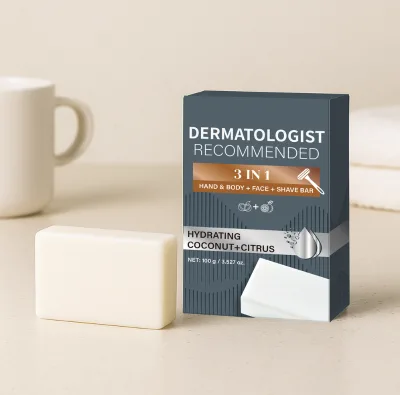
120g Gentle Face & Body Cleansing Soap for All Skin Household Daily Shower
$0.17 - $0.20
MOQ: 50000 Pieces


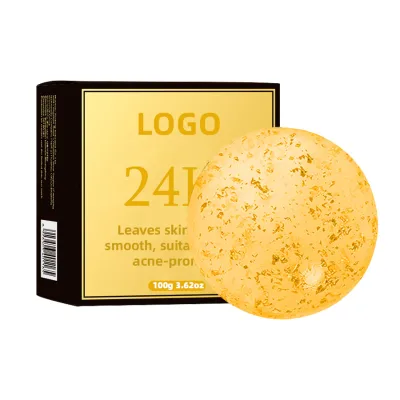
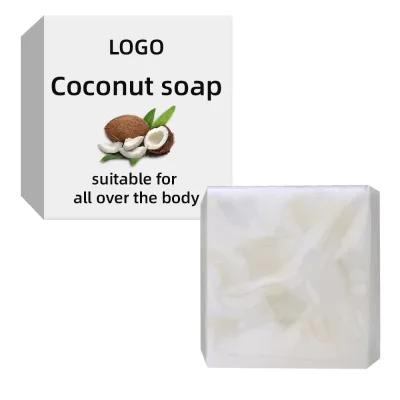


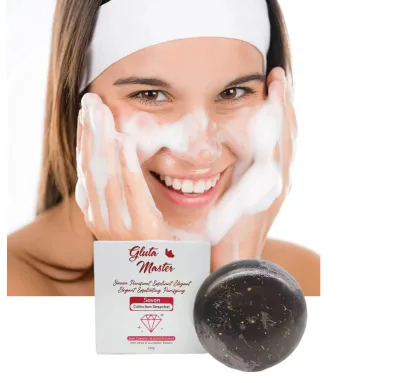
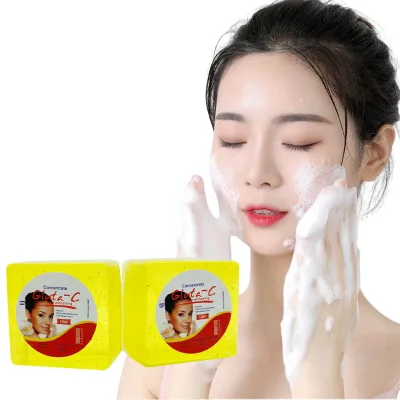
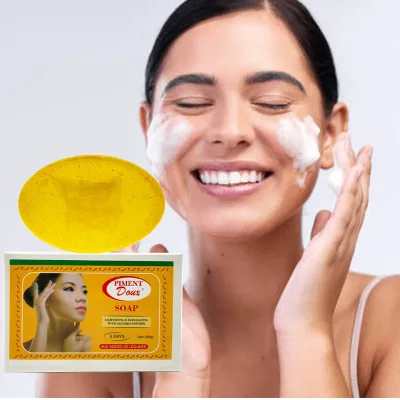
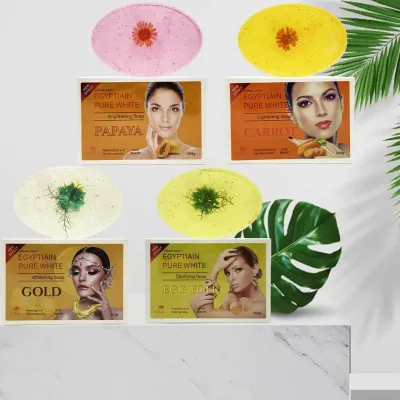
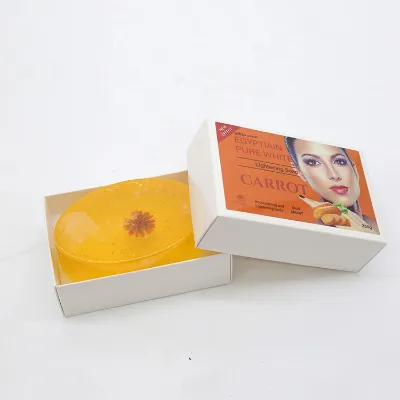
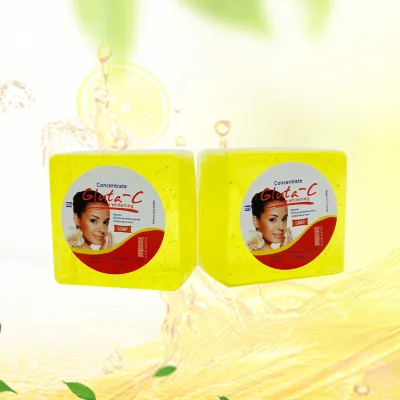


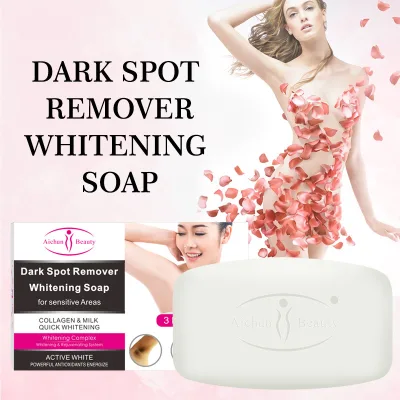
Handmade Soap Whitening Deep Cleaning Lightening Milk Soap for Hand Wash
$0.15 - $0.30
MOQ: 180000 Pieces


Comprehensive Sourcing Guide
Skin Lightening Soap for Face and Hand Sourcing Guide
Procuring specialized cleansing bars for facial and manual use requires a nuanced understanding of both cosmetic formulation and industrial manufacturing capabilities. The market for these products is characterized by a high degree of customization, allowing buyers to tailor the final product to specific brand identities and target demographics. Suppliers often provide OEM services that encompass everything from scent profiling and color selection to packaging design, ensuring that the final output aligns with the buyer’s marketing strategy. This flexibility is particularly valuable for brands looking to differentiate themselves in a crowded beauty and personal care landscape.
However, the term "skin lightening" introduces specific regulatory and safety considerations that must be addressed during the sourcing process. While many suppliers offer general beauty soaps with whitening or brightening claims, the actual efficacy and safety of these products depend heavily on the ingredients used and the manufacturing standards followed. Buyers must distinguish between cosmetic brightening agents, which may improve skin tone appearance, and products containing regulated active ingredients that might require additional scrutiny. Understanding this distinction is crucial for maintaining brand integrity and ensuring consumer safety across different international markets.
Product Scope and Observed Listing Signals
The current market landscape for toilet and beauty soaps reveals a wide variety of models and specifications, indicating a robust supply chain capable of meeting diverse demands. Observed product models such as JBL26039, JBL26049, and SP-69 suggest that manufacturers have established production lines for different types of cleansing bars. These models often come with standardized weights, such as 250ml, 300ml, 500ml, or solid weights ranging from 40g to 100g, providing buyers with options for both travel-sized and full-sized products. The availability of these standard sizes allows for easier inventory management and predictable shipping costs, which are critical factors in B2B procurement.
In addition to standard offerings, there is a significant emphasis on customization attributes, including color, shape, and scent. Suppliers list options for colors like dark green, purple, white, pink, and green, as well as shapes such as square bars. The form is consistently noted as solid, and the products are generally described as non-medicated, targeting all skin types. This broad applicability makes these soaps suitable for general household use, spa treatments, or promotional giveaways. The presence of customer logo printing services further enhances the appeal for private label buyers who wish to establish a unique brand presence in the market.
Technical Specifications to Verify
When evaluating potential suppliers, it is essential to verify the technical specifications that directly impact the product's performance and shelf life. Key attributes to confirm include the net weight, which can be customized, and the shelf life, which is typically listed as three years for these types of solid soap products. Buyers should also pay close attention to the transparency of the soap, as some formulations may be opaque while others are translucent, affecting the aesthetic appeal and perceived quality. The feature set often includes refreshing and whitening properties, which should be validated through sample testing to ensure they meet the buyer’s expectations for sensory experience and visual results.
Packaging and origin details are also critical technical considerations that influence logistics and compliance. Products are often packed in cartons, boxes, or PP bags with paper cards, with standard carton dimensions such as 653352CM being common. The origin of these products is frequently listed as China, with specific regions like Jiangsu being noted for manufacturing activity. Buyers must verify the exact origin to assess the reliability of the supply chain and to ensure compliance with any import regulations or labeling requirements in their target markets. Additionally, the type of soap, whether classified as toilet soap, beauty soap, or general laundry soap, should be clearly defined to avoid miscommunication regarding the intended use and formulation.
Compliance and Safety Documentation
Regulatory compliance is a paramount concern when sourcing skin care products, particularly those with claims related to brightening or lightening. Buyers must ensure that suppliers can provide the necessary documentation to prove that their products meet the safety standards of the destination country. This includes verifying that the ingredients used are approved for cosmetic use and that the manufacturing process adheres to Good Manufacturing Practices (GMP). While specific certification statuses are not universally listed, buyers should request evidence of compliance with relevant local and international cosmetic regulations, such as those enforced by the FDA in the United States or the EU Cosmetics Regulation in Europe.
Furthermore, the distinction between medicated and non-medicated products is crucial for regulatory classification. Most observed products are labeled as non-medicated, which generally simplifies the regulatory pathway compared to products claiming therapeutic benefits. However, buyers must still be vigilant about ingredient lists, especially if the product contains active agents that might be classified as drugs in certain jurisdictions. It is advisable to conduct a thorough review of the ingredient profile to ensure that no prohibited substances are included and that all claims made on the packaging are substantiated by scientific evidence or regulatory approval.
Cost Drivers and Commercial Terms
The cost of sourcing skin lightening soaps is influenced by several factors, including the complexity of customization, the volume of the order, and the specific ingredients used. The observed minimum order quantities (MOQ) range from as low as 2 units to as high as 180,000 units, indicating that suppliers cater to both small-scale startups and large-scale distributors. Lower MOQs may come with higher per-unit costs due to the setup fees for custom molds and packaging, while larger orders benefit from economies of scale. Buyers should negotiate terms that balance the need for customization with the desire for cost efficiency, considering the trade-offs between order size and unit price.
Pricing structures in this category are highly variable, with observed price ranges spanning from $0.01 to $6 per unit. This wide range reflects the diversity in product quality, ingredient sophistication, and packaging options. Buyers should not rely solely on the lowest price but should consider the total cost of ownership, including shipping, tariffs, and potential returns due to quality issues. It is also important to clarify whether the quoted price includes customization services, such as logo printing and custom packaging, as these can significantly impact the final cost. Clear communication about commercial terms, including payment methods and delivery schedules, is essential to avoid unexpected expenses.
Supplier Qualification and Quality Control
Selecting a reliable supplier requires a rigorous qualification process that goes beyond initial product samples. Buyers should assess the supplier’s manufacturing capabilities, including their production capacity, quality control systems, and ability to handle custom orders. Visiting the factory or conducting third-party audits can provide valuable insights into the supplier’s operational standards and compliance with safety regulations. It is also important to verify the supplier’s experience in exporting to the buyer’s target market, as this indicates their familiarity with international shipping and regulatory requirements.
Quality control measures should be established before production begins, including clear specifications for color, scent, weight, and packaging. Buyers should request pre-production samples and conduct thorough testing to ensure that the product meets their quality standards. During production, regular inspections can help identify and address any issues early, reducing the risk of receiving defective goods. Post-production, random sampling and testing should be conducted to verify consistency across batches. Establishing a strong relationship with the supplier based on transparency and mutual trust is key to long-term success in sourcing high-quality skin care products.
Long-Term Procurement Checks
Sourcing skin lightening soaps is not a one-time transaction but an ongoing process that requires continuous monitoring and evaluation. Buyers should regularly review supplier performance metrics, such as on-time delivery rates, product quality consistency, and responsiveness to issues. Building a diversified supplier base can mitigate risks associated with supply chain disruptions and ensure a steady flow of products. Additionally, staying informed about changes in regulatory requirements and market trends is essential for maintaining compliance and competitiveness.
As consumer preferences evolve, buyers must be prepared to adapt their product offerings accordingly. This may involve introducing new formulations, packaging designs, or marketing strategies to meet changing demands. Regular communication with suppliers about future needs and potential innovations can help in planning for long-term procurement success. By maintaining a proactive approach to supplier management and market analysis, buyers can ensure that their sourcing strategy remains effective and aligned with their business goals.
FAQs
Can I customize the logo on the toilet bar soap?
Yes, customer logo printing is available for this product. The soap is designed as an OEM toilet bar soap suitable for all skin types, allowing buyers to add their branding to the solid, non-transparent bars.
What are the available weight specifications for the soap?
The product offers various weight standards including 250ml, 300ml, 500ml, and 90g options. Buyers can also request customized net weights, ensuring flexibility for different packaging requirements and market needs.
Which models are available for skin lightening soap?
Several models are available including JBL26039, JBL26049, SP-69, and HBMEC900. These models support features like whitening and basic cleaning, with options for different colors such as dark green, purple, or white.
How long is the shelf life of the soap?
The shelf life is three years for the solid toilet soap. This duration applies to the product regardless of whether it is packed in a carton, box, or PP bag with a paper card.
What is the minimum order quantity for this soap?
The minimum order quantity ranges from 2 to 180,000 units depending on the specific model and customization. Buyers should check the specific model requirements to determine the exact MOQ for their order.
Can the soap be used for face and hand cleaning?
Yes, the application is suitable for the body, face, and hands. The soap is formulated for all skin types and provides refreshing and whitening features for general daily cleaning needs.
What packaging options are available for the soap?
Packaging options include cartons, boxes, and PP bags with paper cards. Some models offer standard packaging while others allow for customized packing solutions to meet specific buyer requirements.