Source Skin Whitening Essential Oil for cosmetics, detergents, and hair care
Compare 30 listings for Skin Whitening Essential Oil from verified Chinese suppliers. Buyers can evaluate grades, certifications, and packaging options for cosmetic raw materials, hair care chemicals, and oral care applications.
Key considerations
Products List


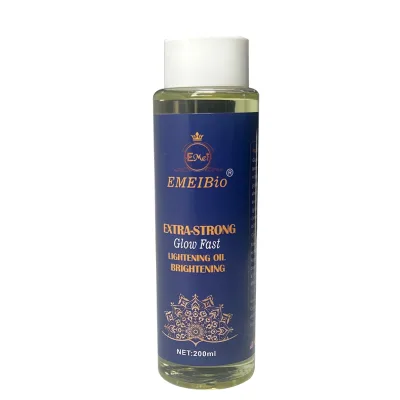


Rose Essential Oil Vitamin C Skin Care Brightening Anti Aging Wrinkles Oil
$1.62 - $2.10
MOQ: 3000 Pieces


Beauty Cosmetics Skin Care Control of Oil Anti-Hair Loss Hair Growth Oil
$2.20 - $3.00
MOQ: 100 Pieces



Comprehensive Sourcing Guide
Strategic Sourcing Guide for Skin Whitening Essential Oil Procurement
The global market for cosmetic raw materials has seen a significant shift toward natural and plant-based solutions, with skin whitening essential oils emerging as a high-demand category for formulators and brand owners. Sourcing these ingredients requires a disciplined approach that balances botanical efficacy with rigorous supply chain verification. Unlike synthetic alternatives, essential oils derived from specific botanical sources offer complex chemical profiles that can influence skin tone, yet they demand precise handling to ensure safety and consistency. This guide outlines the critical parameters for evaluating suppliers, verifying product specifications, and managing the procurement lifecycle for skin whitening essential oils, ensuring that buyers make informed decisions based on observable data and industry standards.
Technical Specifications and Product Attributes
When evaluating potential suppliers for skin whitening essential oils, the first step is a granular analysis of technical specifications. The physical and chemical properties of the oil dictate its compatibility with various cosmetic formulations. In the current market, essential oils for this purpose often present as liquids, ranging in color from transparent to colorless or light yellow. The appearance is a primary indicator of the refining process; for instance, a "Refined" grade suggests that the oil has undergone processing to remove impurities, which is crucial for cosmetic applications where clarity and lack of particulate matter are required.
The raw material source is another critical specification. Buyers must verify whether the product is derived from seed extraction or other botanical parts. While some listings indicate ingredients such as seed extraction, others may list specific compounds like tranexamic acid or other active agents mixed with the oil base. It is essential to distinguish between a pure essential oil and a blended formulation. The grade of the oil is equally significant; "Food Grade B" or "Pure Essential Oil Grade A" are common classifications, but the specific grade must align with the intended cosmetic application. For skin whitening products, the purity level directly impacts the efficacy and safety profile of the final formulation.
Packaging standards also play a vital role in maintaining product integrity. Common packaging formats include 1kg bags, 25kg drums, and customized options. The choice of packaging affects the shelf life and the ability to transport the product safely. For example, a 200kg drum might be suitable for large-scale industrial manufacturing, whereas smaller 1kg or 3kg units are better for pilot batches or smaller cosmetic lines. The standard packaging specifications observed in the market often include options like 1kg, 3kg, 5kg, 10kg, 25kg, 50kg, 180kg, and 200kg, allowing buyers to scale their orders according to production needs.
Compliance, Certification, and Regulatory Standards
Navigating the regulatory landscape is perhaps the most critical aspect of sourcing essential oils for the cosmetic industry. Suppliers must provide robust documentation to prove that their products meet international safety and quality standards. The most frequently cited certifications in the sector include MSDS (Material Safety Data Sheet), GMP (Good Manufacturing Practice), FDA (Food and Drug Administration) compliance, and CE (Conformité Européenne) marks. These certifications are not merely marketing tools; they are legal requirements in many jurisdictions for importing and selling cosmetic ingredients.
The presence of an MSDS is non-negotiable, as it details the chemical composition, handling precautions, and emergency measures. GMP certification ensures that the manufacturing facility adheres to strict hygiene and quality control protocols, reducing the risk of contamination. FDA compliance indicates that the product meets the standards set by the United States regulatory body, which is often a prerequisite for entering the North American market. Similarly, CE certification is essential for products destined for the European Union, confirming that the ingredient meets European safety, health, and environmental protection requirements.
Buyers should also verify the specific standards associated with the product model. For instance, some listings reference specific chemical identifiers like CAS numbers (e.g., CAS: 8007-80-5) to identify the exact chemical composition. While some products claim a purity standard of 99%, buyers must treat such claims as observations that require independent verification through third-party testing. The absence of a specific standard number or a vague claim of "Pure Grade" should trigger a request for detailed analytical reports. Additionally, the origin of the product, such as Jiangsu, China, or general China origins, should be cross-referenced with the supplier's facility audits to ensure transparency in the supply chain.
Cost Drivers and Pricing Dynamics
Understanding the cost structure of skin whitening essential oils is essential for budgeting and negotiating with suppliers. The price of these ingredients is influenced by several factors, including the rarity of the botanical source, the complexity of the extraction method, and the grade of purity. In the observed market, prices can range significantly, from as low as $0.30 to as high as $66.85 per unit. This wide variance often reflects differences in the concentration of active ingredients, the scale of production, and the specific botanical origin.
The Minimum Order Quantity (MOQ) is another significant cost driver. Suppliers may offer flexible MOQs ranging from 1 unit to 30,000 units, allowing buyers to start with small samples or scale up to bulk orders. However, higher MOQs often correlate with lower unit prices, making it crucial for buyers to balance their inventory needs with cash flow constraints. Some suppliers offer free samples, which can be a valuable tool for testing product quality before committing to a large order. This practice reduces the financial risk associated with trial batches and allows buyers to assess the oil's performance in their specific formulations.
Other cost factors include the packaging type and the logistics required for transportation. For example, shipping in drums versus bags may incur different freight costs. Additionally, the availability of customization services, such as OEM (Original Equipment Manufacturer) or ODM (Original Design Manufacturer), can add to the overall cost but provides greater control over the final product's branding and formulation. Buyers should request detailed quotes that break down the cost of the raw material, packaging, and any additional services to ensure transparency in the pricing structure.
Typical Applications and Functional Uses
Skin whitening essential oils are versatile ingredients used across a wide range of cosmetic and personal care applications. Their primary function often relates to the nervous system or skin health, depending on the specific formulation and intended use. In the cosmetic industry, these oils are frequently utilized as raw materials for skin care products, hair care chemicals, and oral care formulations. The specific application can vary from general skin care to targeted treatments for oily skin types.
One of the key features of these oils is their ability to provide whitening effects, which is a primary driver for their inclusion in brightening creams, serums, and lotions. Beyond whitening, some essential oils offer additional benefits such as firming, making them suitable for anti-aging formulations. The application scope also extends to massage oils, air fresheners, and washing detergents, highlighting the multifunctional nature of these ingredients. For instance, orange oil-based essential oils are often used in massage applications and as air fresheners, while others may be incorporated into hair care products to promote scalp health.
The method of extraction also influences the application. Whether the oil is obtained through seed extraction or other methods, the resulting chemical profile determines its suitability for specific products. Buyers should consider the compatibility of the essential oil with other ingredients in their formulations to ensure stability and efficacy. For example, oils with high protein, fat, carbohydrate, or dietary fiber content may require specific formulation techniques to prevent separation or degradation. Understanding these functional nuances allows buyers to select the right oil for their specific product line, whether it is a high-end cosmetic brand or a mass-market personal care product.
Supplier Evaluation and Quality Control
Selecting the right supplier is a critical step in the procurement process that goes beyond price and specifications. Buyers must conduct a thorough evaluation of potential suppliers based on their production capabilities, quality control measures, and service offerings. The availability of ODM/OEM services is a strong indicator of a supplier's flexibility and ability to meet custom requirements. Suppliers that offer customized packaging and tailored formulations demonstrate a commitment to meeting the specific needs of their clients.
Quality control is paramount when sourcing essential oils. Buyers should verify that the supplier has established protocols for testing and quality assurance. This includes checking for consistency in the product's appearance, color, and chemical composition. The storage life of the product, which can range from two to three years, is another important factor to consider. Proper storage conditions are essential to maintain the oil's potency and prevent degradation. Buyers should also inquire about the supplier's testing procedures, including the use of third-party laboratories to validate product claims.
The supply type, whether OEM or ODM, should align with the buyer's business model. Suppliers that offer a wide range of supply types can accommodate different business strategies, from private labeling to full-scale manufacturing. Additionally, the transport method, such as ordinary goods trucks, should be evaluated to ensure that the logistics chain is reliable and cost-effective. Buyers should also consider the supplier's location, as proximity to the manufacturing facility can impact lead times and shipping costs. A supplier located in Jiangsu, China, for example, may offer different logistical advantages compared to one in a different region.
Long-Term Procurement Considerations
Sourcing skin whitening essential oils is not just a one-time transaction but a long-term partnership that requires careful planning and management. Buyers should focus on building relationships with suppliers who can provide consistent quality and reliable supply over time. This involves establishing clear communication channels and setting expectations regarding delivery schedules, quality standards, and service levels. The ability of a supplier to scale production as the buyer's business grows is a key consideration for long-term success.
Another important aspect is the management of inventory and lead times. Buyers should work with suppliers to establish realistic lead times based on the MOQ and production capacity. This helps in maintaining optimal inventory levels and avoiding stockouts or overstocking. The expiry date of the product, typically around three years, should be factored into the inventory management strategy to ensure that the oil is used before it degrades. Additionally, buyers should monitor market trends and regulatory changes that may affect the availability or compliance requirements of the essential oils.
Finally, buyers should consider the environmental and ethical implications of their sourcing decisions. The use of sustainable practices and the support of ethical sourcing initiatives can enhance the brand's reputation and appeal to environmentally conscious consumers. By prioritizing suppliers who demonstrate a commitment to sustainability and quality, buyers can build a resilient and responsible supply chain that supports long-term business growth.
FAQs
What certifications do Skin Whitening Essential Oil suppliers provide?
Suppliers typically provide MSDS, GMP, FDA, and CE certifications to ensure regulatory compliance. These documents verify safety and manufacturing standards, with some products also meeting specific purity standards like 99% or Grade A classifications for cosmetic use.
How is the product appearance and color defined for these oils?
The oils generally appear as liquids ranging from transparent to colorless or light yellow. This visual characteristic indicates a refined state, which is essential for cosmetic applications requiring clarity and the absence of impurities in the final formulation.
Which packaging options are available for bulk orders?
Common packaging includes 1kg bags, 25kg drums, and customized containers. Buyers can select from various sizes like 1kg, 3kg, 5kg, up to 200kg drums depending on their production scale and specific logistical requirements for storage and transport.
Can suppliers offer OEM or ODM customization services?
Yes, many suppliers offer OEM and ODM services to customize branding and formulations. This allows buyers to tailor the product to their specific needs while maintaining the core quality standards required for cosmetic raw materials and hair care chemicals.
What is the typical shelf life of these essential oils?
The storage life generally ranges from two to three years depending on the specific grade and storage conditions. Buyers should verify the expiry date on the product label to ensure the oil remains potent and safe for their intended cosmetic applications.
How does the minimum order quantity affect pricing?
MOQs can range from 1 unit to 30,000 units, influencing the unit price significantly. Higher quantities often result in lower costs per unit, allowing buyers to balance inventory needs with cash flow while accessing competitive pricing tiers.
What are the primary applications for these whitening oils?
These oils are primarily used as raw materials for cosmetic, hair care, and oral care products. They also serve in massage applications, air fresheners, and detergents, offering features like whitening, firming, and nervous system support in various formulations.