Source Slim Mens Genuine Leather Wallet for Business, Leisure, Daily Use
Compare 30 options for a Slim Mens Genuine Leather Wallet featuring RFID protection, waterproof materials, and custom logos. Buyers can evaluate PU and leather styles with varying dimensions and packaging for business or leisure applications.
Key considerations
Products List

Genuine Leather Credit Card Holder Slim Bifold Men Wallet with ID Window
$5.25 - $6.88
MOQ: 100 Pieces


Men's Wallet Genuine Leather Wallet Short RFID Blocking Slim Wallet for Men
$5.66 - $6.60
MOQ: 100 Pieces


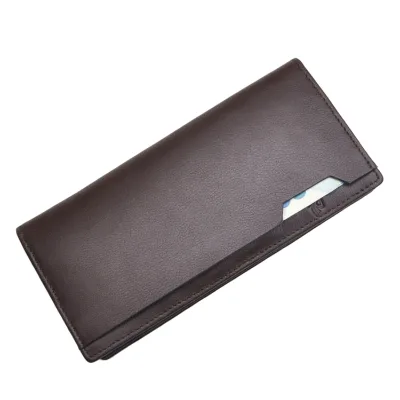


Customize Logo Silm Cardholder Minimalist Genuine Leather Wallet for Men
$10.60 - $12.80
MOQ: 50 Pieces


Comprehensive Sourcing Guide
Strategic Sourcing Guide for Slim Mens Genuine Leather Wallets
The global market for men's accessories has seen a sustained shift toward minimalist designs that prioritize functionality without compromising on aesthetic appeal. The core keyword "Slim Mens Genuine Leather Wallet" represents a high-demand category where buyers must navigate a complex landscape of material authenticity, manufacturing capabilities, and supply chain reliability. While the term "genuine leather" is ubiquitous in marketing, the reality of sourcing requires a rigorous verification process to ensure the product meets specific durability and quality expectations. This guide provides a structured approach for procurement professionals to evaluate suppliers, verify technical specifications, and mitigate risks associated with bulk purchasing of leather goods.
Technical Specifications and Material Verification
When sourcing slim wallets, the primary technical differentiator is the material composition. Buyers must distinguish between full-grain leather, top-grain leather, and genuine leather, as these terms denote different layers of the hide and varying levels of durability. In the context of the available product data, several models indicate the use of PU (Polyurethane) materials rather than genuine leather. For instance, specific listings reference "Material: PU" and "Lining Material: Polyester," which are synthetic alternatives often used to reduce costs or achieve specific textures like the "Candy Color" or "Contrast Color" fashion elements observed in the market.
For a buyer specifically seeking "genuine leather," the product attributes must be scrutinized against these synthetic indicators. The standard dimensions for these slim wallets often fall within a range of 9.5cm to 11.5cm in width and 12cm to 15cm in length, designed to fit comfortably in front pockets or slim rear pockets. The "Hardness" attribute is a critical technical specification; products are often categorized as "Medium Soft" or "Soft," which directly impacts the wallet's ability to hold cards without bulging while maintaining structural integrity. The "Shape" is predominantly "Rectangle," aligning with the slim profile requirement.
Buyers should verify the "Technics" of production. Handmade production methods, such as those noted in specific product listings, often result in superior stitching and edge finishing compared to fully automated mass production. However, handmade processes can introduce variability in lead times and unit costs. The "Style" is frequently described as "Simplicity" or "Fashion," indicating a design philosophy that avoids excessive ornamentation. The "Color" options can range from standard "Black" to "Customied" variations, allowing for brand-specific customization. It is essential to note that while some listings mention "Waterproof" features, leather is naturally porous; true waterproofing usually implies a specific treatment or coating, which should be verified through physical samples rather than relying solely on attribute claims.
Compliance, Certification, and Standardization
Compliance in the leather goods sector extends beyond simple material safety to include environmental standards and ethical manufacturing practices. While the provided data does not list specific certification bodies like ISO or OEKO-TEX, buyers must actively request documentation regarding the tanning process. The "prod_standard" attribute in the source data varies from fixed dimensions like "11.5x9cm" to "Customized available" and "Standard Size." This variability suggests that there is no single universal standard for the physical dimensions of slim wallets, making it imperative for buyers to define their own technical specifications clearly in the purchase order.
In terms of product standards, the "prod_origin" is consistently listed as "China" or "China (Fujian)," a region known for a robust leather goods manufacturing ecosystem. However, the origin alone does not guarantee compliance with international safety or labor standards. Buyers should verify that the supplier adheres to REACH regulations regarding chemical substances in leather and textiles, particularly if the products are destined for the European market. The "Feature" attributes often include "RFID" and "Anti-Theft," which implies the inclusion of metal shielding layers. The effectiveness of these features depends on the quality of the shielding material and its integration into the wallet structure, which requires independent testing to validate.
The "prod_packing" specifications vary significantly, ranging from "1PC/OPP Bag" to "PVC, Corrugated Carton" or "1 PCS with 1 Polybag Into Box." These packaging standards have direct implications for logistics costs and product protection. Corrugated cartons are generally preferred for bulk shipments to prevent crushing, while OPP bags are suitable for individual retail units. Buyers must ensure that the packaging standard aligns with their distribution requirements to avoid damage during transit. Furthermore, the "OEM" (Original Equipment Manufacturer) capability is explicitly noted as "Yes" in several listings, indicating that suppliers are open to custom branding, including logo placement and specific packaging designs.
Cost Drivers and Pricing Dynamics
The pricing of slim men's wallets is influenced by a complex interplay of material costs, labor intensity, and order volume. The observed price range in the market spans from $1.20 to $20.00 USD. This wide disparity is primarily driven by the distinction between synthetic materials like PU and genuine leather. Products listed with "Material: PU" typically occupy the lower end of the price spectrum, while those made from genuine leather command a premium due to the cost of raw hides and the labor-intensive tanning and finishing processes.
The "MOQ" (Minimum Order Quantity) is another significant cost driver. The data indicates an MOQ range of 1 to 1000 units, with specific listings showing MOQs of 100 PCS or 300 PCS. Lower MOQs allow for smaller initial investments and reduced inventory risk but often come with a higher unit price due to the setup costs for smaller production runs. Conversely, higher volume orders can negotiate better unit prices but require a larger upfront capital commitment. The "Delivery Time" is also a factor; while some suppliers offer "Usually Within 15 Days," others specify "20-25 working Days." Longer lead times can impact cash flow and inventory planning, potentially necessitating a higher safety stock level.
Sample availability is a critical component of the cost-benefit analysis. Most suppliers offer samples, with some noting a "7 Days" turnaround for sample production. The cost of samples, including shipping, should be factored into the total procurement budget. While the sample cost is often recoverable upon placing a bulk order, it represents an initial expense. Buyers should also consider the cost of customization, such as adding a "Customized Logo" or "Customied" color, which may incur additional tooling or setup fees.
Typical Applications and Market Segmentation
The application of slim men's wallets extends beyond simple currency storage to encompass various lifestyle and professional scenarios. The "Application" attributes in the data highlight "Business" and "Leisure" as primary use cases. In a business context, the wallet serves as a professional accessory, where the "Style" of "Simplicity" and "Fashion" elements like "Contrast Color" are valued for their understated elegance. The "Gender" is listed as "Unisex," though the design is predominantly tailored for men, with features like "Slim" profiles catering to modern, active lifestyles.
The "Season" attribute is noted as "All," indicating that these wallets are not seasonal items but rather year-round essentials. This characteristic makes them a stable product category for retailers, reducing the risk of seasonal inventory obsolescence. The "Usage" is described as "Daily," suggesting that durability and ease of access are paramount. The inclusion of "RFID" and "Anti-Theft" features addresses the growing concern of digital theft, making these wallets suitable for urban environments and travel.
For the leisure market, the "Fashion Element" of "Candy Color" appeals to younger demographics seeking personalized and vibrant accessories. The "Hardness" of "Medium Soft" ensures the wallet remains flexible enough for casual use while maintaining a structured look. The "Type" of product, such as "Leather Wallet Case," suggests versatility, potentially serving as a protective cover for smartphones or other devices, thereby expanding the product's utility beyond traditional wallet functions.
Supplier Evaluation and Selection Criteria
Selecting the right supplier is a critical step in the procurement process. The data indicates that suppliers are located in "China" and "China (Fujian)," regions with established supply chains for leather goods. However, the presence of a location does not guarantee quality. Buyers should evaluate suppliers based on their "OEM" capabilities, "Sample" availability, and "Delivery Time" consistency. A supplier that offers "Customized Logo" and "Customied" colors demonstrates flexibility and a willingness to collaborate on product development.
The "prod_packing" options provide insight into the supplier's logistical capabilities. Suppliers offering "PVC, Corrugated Carton" packaging are likely better equipped for bulk shipping and international logistics compared to those offering only "1PC/OPP Bag." The "Delivery Time" of "20-25 working Days" versus "Usually Within 15 Days" can be a deciding factor for buyers with tight inventory cycles. It is essential to verify the supplier's ability to meet these timelines consistently, as delays can disrupt the supply chain.
Buyers should also assess the supplier's quality control processes. While specific test results are not provided in the data, the presence of attributes like "Waterproof" and "High Quallity" suggests a focus on product performance. Buyers should request quality assurance reports and conduct their own inspections upon receipt of samples. The "Technics" of "Handmade" production can be a double-edged sword; while it often implies higher quality, it can also lead to inconsistencies. A reliable supplier should have robust QC measures to ensure that every unit meets the specified standards.
Quality Control and Long-Term Procurement Considerations
Quality control is paramount in the leather goods industry, where defects can range from stitching errors to material inconsistencies. Buyers should implement a multi-stage QC process, starting with sample approval and extending to pre-shipment inspections. The "Feature" of "Waterproof" requires specific testing to ensure the coating or treatment is effective and durable over time. Similarly, the "RFID" functionality must be tested to confirm that it effectively blocks unauthorized scanning.
Long-term procurement considerations involve building a sustainable relationship with the supplier. The "MOQ" of 100 or 300 units allows for a phased approach to scaling orders. Buyers should aim to establish a consistent order volume that allows for better pricing and priority production slots. The "Delivery Time" should be factored into long-term planning, with buffer times added for potential delays. The "prod_standard" of "Customized available" offers the opportunity to evolve the product line over time, adapting to changing market trends and consumer preferences.
In conclusion, sourcing slim men's genuine leather wallets requires a meticulous approach to verifying material authenticity, evaluating supplier capabilities, and managing quality control. By focusing on the technical specifications, compliance standards, and cost drivers outlined in this guide, buyers can make informed decisions that align with their business objectives and market demands. The availability of customization options and the diverse range of product attributes provide ample opportunities for differentiation in a competitive market.
FAQs
Can I get a customized logo on these wallets?
Yes, suppliers accept customized logos on the product. The data confirms that logo customization is available as a standard attribute for models like LYBN84 and CD001, allowing buyers to add branding without needing unique tooling for every unit.
What is the minimum order quantity for these wallets?
The minimum order quantity ranges from 1 to 1000 units depending on the supplier. Specific listings indicate MOQs of 100 PCS or 300 PCS, giving buyers flexibility to start with smaller batches or scale up to larger volumes for better pricing.
How long does it take to receive the order?
Delivery times typically range from 15 to 25 working days depending on the quantity ordered. Some suppliers offer delivery within 15 days, while others specify a standard lead time of 20 to 25 working days for production and shipping.
Are these wallets made of genuine leather?
The product data indicates that many available models are made of PU material rather than genuine leather. While the search term includes genuine leather, the specific listings show synthetic options like PU with polyester linings, which buyers must verify before purchasing.
Which wallet dimensions are available for slim designs?
Available standard sizes include dimensions like 11.5x9cm and 9.5x12cm, with customized sizes also offered. These rectangular shapes align with slim profile requirements, fitting comfortably in front or rear pockets for daily business and leisure use.
Do these wallets feature RFID protection?
Yes, several listed products include RFID and anti-theft features to protect against digital scanning. These features are explicitly noted in the product attributes, suggesting the inclusion of shielding layers, though buyers should request samples to verify effectiveness.
What packaging options are provided for bulk orders?
Packaging varies from individual OPP bags to corrugated cartons with PVC protection. Suppliers offer options like 1PC/OPP Bag for retail or 1 PCS with Polybag into Box for bulk shipping, ensuring product protection during transit according to buyer logistics needs.