Source Small Scale Rice Dehusking Machine for mills, farms, and co-ops
Explore 30 listings for the Small Scale Rice Dehusking Machine, comparing features like voltage, capacity, and motor power. Buyers can evaluate options ranging from 16kg to 130kg weight with output capacities up to 460kg per hour for various processing needs.
Key considerations
Products List


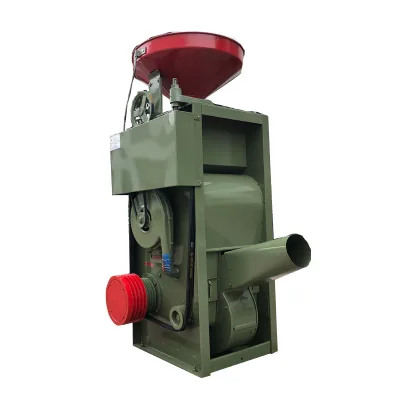

Industrial Rice Dehusking Machine with Innovative Processing Features
$8500.00 - $18000.00
MOQ: 1 Pieces

Industrial Rice Dehusking Machine with Advanced Grain Processing Features
$3000.00 - $4700.00
MOQ: 1 Pieces

Industrial Rice Dehusking Machine for Effective Grain Processing Solutions
$6500.00 - $18000.00
MOQ: 1 Pieces

Industrial Rice Dehusking Machine for Premium Rice Milling Solutions
$5500.00 - $11000.00
MOQ: 1 Pieces

Automated Rice Dehusking Machine for Premium Quality Rice Production
$8500.00 - $18000.00
MOQ: 1 Pieces

Industrial Rice Dehusking Machine for High-Efficiency Grain Processing Line
$6500.00 - $18000.00
MOQ: 1 Pieces


Combine Rice Milling Equippment Rice Dehusking Machine with Color Sorter
$50000.00 - $70000.00
MOQ: 1 Pieces


Chinese Manufacturer Durable Rice Dehusker Machine for Farm Grain Processing
$66.00 - $230.00
MOQ: 10 Sets


Durable Small Stainless Rice Mill Rice Huller Machine with Low Maintenance
$66.00 - $230.00
MOQ: 10 Sets


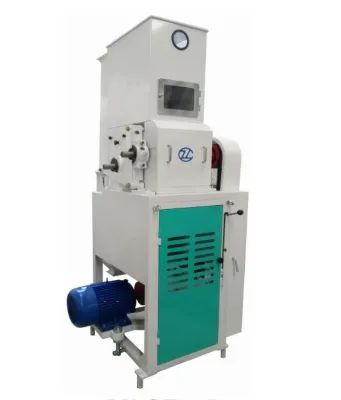
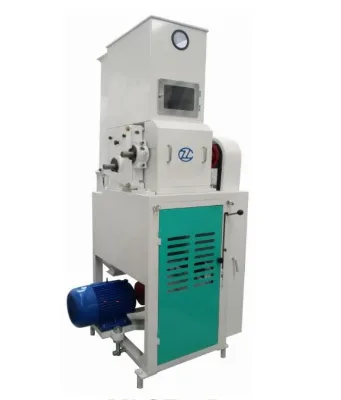
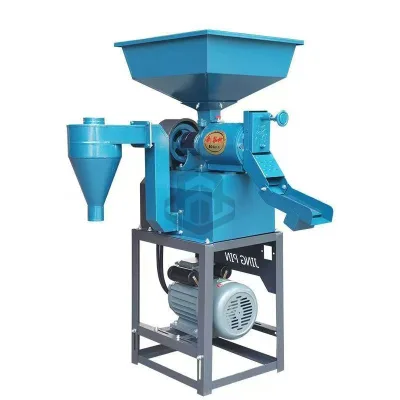

Comprehensive Sourcing Guide
Strategic Sourcing Guide for Small-Scale Rice Dehusking Machines
The global demand for small-scale rice processing equipment has surged as agricultural communities seek to reduce post-harvest losses and add value locally. For buyers researching the core keyword "Small Scale Rice Dehusking Machine," the procurement landscape is defined by a diverse array of technical configurations, varying power requirements, and distinct operational capacities. This guide provides an evidence-based framework for evaluating these machines, focusing on the specific attributes observed in current market listings, such as the Ltjm-2099 and Lmm400-3G models. By adhering to verified data points and industry standards, buyers can navigate the complexities of sourcing reliable equipment without relying on unverified marketing claims.
Technical Specifications and Operational Variability
When evaluating small-scale rice dehusking machines, the first critical step is understanding the technical specifications that dictate performance. The market presents a wide spectrum of configurations, ranging from compact units to more robust industrial models. A primary observation in current listings is the variation in power supply requirements. Some units are designed for single-phase operation at 220V and 50Hz, making them suitable for locations with limited electrical infrastructure. In contrast, other models in the same category may require higher power inputs, with motor power ratings observed as high as 2.2 kW or even 18.5-22 kW for larger capacity units.
The physical orientation of the machine is another significant technical differentiator. Buyers must verify whether the unit is designed as a horizontal or vertical apparatus. The observed data indicates the existence of both Horizontal and Vertical configurations, each offering distinct advantages regarding floor space utilization and material flow. For instance, a vertical design might be preferred for compact facilities, while a horizontal layout could facilitate easier maintenance access.
Capacity is perhaps the most vital metric for small-scale operations. Listings reveal output rates ranging from 400 to 460 kg per hour for specific models like the Lmm400-3G. However, other units may have significantly lower capacities, tailored for household or village-level processing. The raw material input is consistently identified as paddy, with the finished product being brown rice. Buyers should also note the efficiency metrics provided in some specifications, such as a rice husker rate of ≥99% and a crushing rate of ≤10%. These figures are critical for calculating the economic viability of the machine, as a high crushing rate directly impacts the yield of whole grains and overall profitability.
Compliance, Certification, and Safety Standards
In the B2B procurement of agricultural machinery, compliance with international and local standards is non-negotiable. The observed product data highlights ISO9001 as a recurring certification standard for several rice milling units. This certification indicates that the manufacturer has established a quality management system, though buyers must verify the specific scope of this certification for each supplier. It is essential to distinguish between a generic claim and a valid, current certificate issued by an accredited body.
Beyond quality management, safety and electrical standards are paramount. The voltage specifications observed, such as 220V / 50Hz (Single Phase), must align perfectly with the electrical grid of the intended installation site. Mismatches in voltage or frequency can lead to equipment failure or safety hazards. Additionally, the operating noise level is a factor that often goes overlooked but is crucial for worker comfort and regulatory compliance. Some models are marketed with a "Low Noise Design," a feature that should be verified through on-site testing or third-party acoustic reports before purchase.
Buyers should also be aware of the packaging standards, which serve as an indirect indicator of the manufacturer's attention to detail. Observed packaging ranges from standard cartons to plywood cases. The use of a plywood case often suggests a heavier, more robust machine that requires enhanced protection during transit, whereas a standard carton might be sufficient for lighter units. The origin of the product, frequently cited as Zhejiang or Shandong in China, provides context for the manufacturing ecosystem but does not guarantee quality on its own. Verification of the specific factory's compliance history is necessary.
Cost Drivers and Financial Considerations
The financial aspect of sourcing a rice dehusking machine involves more than just the sticker price. The observed price range in the market spans from $66 to $70,000, a disparity that reflects the vast differences in capacity, automation level, and build quality. A unit priced at the lower end of this spectrum, such as those around $66, is likely a basic, manual, or semi-automatic model with limited output. Conversely, machines approaching the higher end of the range typically feature advanced automation, higher power motors, and greater throughput capabilities.
Several factors drive these costs. Motor power is a primary driver; a 2.2 kW motor will generally cost less than an 18.5-22 kW system. The weight of the machine is another indicator of material usage and durability. Listings show weights ranging from 16 kg for compact units to 130 kg for more substantial models. Heavier machines often imply the use of higher-grade steel and more robust internal components, which justifies a higher price point.
Payment terms also play a significant role in the total cost of ownership. Some suppliers require 100% payment in advance, which carries a higher financial risk for the buyer compared to terms involving letters of credit or partial payments. Buyers must evaluate their cash flow against these requirements. Furthermore, the minimum order quantity (MOQ) can influence the unit cost. While some listings show an MOQ of 1, others may require higher volumes, potentially affecting the price per unit for small-scale buyers.
Typical Applications and Operational Context
Understanding the intended application is crucial for selecting the right machine. Small-scale rice dehusking machines are primarily designed for processing paddy into brown rice. The specific model Lmm400-3G, for example, is noted for its function of husking paddy with rubber rollers. This mechanism is ideal for preserving the integrity of the grain while removing the husk efficiently. The output capacity of 400-460 kg/h makes this model suitable for small commercial mills, cooperatives, or larger family farms that need to process significant volumes daily.
However, not all applications require such high capacity. Smaller units with lower weights and power ratings are better suited for rural households or micro-enterprises where the volume of paddy is limited. The "High-Accuracy" selling point observed in some listings suggests that these machines are designed to minimize grain breakage, a critical requirement for producing premium quality brown rice that commands higher market prices.
The operational environment also dictates the choice of machine. Units with a "Low Noise Design" are preferable for indoor or semi-enclosed facilities where noise pollution is a concern. Additionally, the availability of a "Video Outgoing-Inspection" service allows buyers to verify the machine's condition before shipment, which is particularly valuable for remote procurement. The finished product specification of "Brown Rice" confirms that these machines are dehuskers rather than polishers, which is a distinction buyers must make to ensure the equipment meets their specific processing needs.
Supplier Evaluation and Due Diligence
Evaluating suppliers requires a rigorous approach to due diligence. The observed data includes specific brand names like "Jingliang" and various model numbers such as "Ltjm-2099" and "LM400-3G." While these details provide a starting point, buyers should not rely solely on brand reputation. Instead, they must verify the supplier's ability to deliver on the promised specifications.
Key evaluation criteria include the supplier's location and logistics capabilities. Origins such as "Zhejiang, China (Mainland)" and "Shandong Jining China" indicate specific manufacturing hubs. Buyers should assess the logistics network from these locations to their destination to estimate lead times accurately. The observed delivery time of "in 20 Days After Receipt of Payment" is a standard benchmark, but delays can occur due to supply chain disruptions.
The customization options available are another critical factor. While some listings indicate "Customization: Available," others state "Non-Customized." Buyers with specific requirements regarding voltage, capacity, or physical dimensions must confirm the supplier's flexibility. The ability to customize the machine can significantly impact the final utility and efficiency of the equipment. Additionally, the "Paddy Sample Capacity" of 150-170g mentioned in some specifications suggests that the machine may have a testing or sampling feature, which can be useful for quality control during the initial setup phase.
Quality Control and Long-Term Procurement
Ensuring long-term reliability requires a robust quality control strategy. The "Video Outgoing-Inspection" feature is a valuable tool for buyers, allowing them to visually confirm the machine's assembly and condition before it leaves the factory. This step helps mitigate the risk of receiving damaged or substandard equipment. However, it should be complemented by a clear warranty policy and access to spare parts.
The net weight and machine weight specifications, such as 16 kg and 130 kg respectively, are indicators of the machine's build quality. Heavier machines often have better vibration damping and longer lifespans. Buyers should also inspect the packing material; a "Plywooden Case" offers superior protection compared to a "Standard Carton," especially for international shipping.
Long-term procurement considerations include the availability of technical support and maintenance services. The "Operating Noise" and "Crushing Rate" specifications are performance metrics that should be monitored over time. A machine that starts with a crushing rate of ≤10% may degrade if not maintained properly. Therefore, buyers should inquire about the recommended maintenance schedule and the availability of replacement parts like rubber rollers, which are essential for the husking function.
Comparison of Key Machine Attributes
To facilitate a clearer decision-making process, the following table summarizes the key attributes observed in the market data for small-scale rice dehusking machines. This comparison highlights the diversity in specifications and helps buyers identify the features most relevant to their specific needs.
| Attribute | Observation Range / Specific Value | Relevance to Buyer |
|---|---|---|
| Model Variants | Ltjm-2099, LM400-3G, Lmm400-3G | Identifies specific product lines and capabilities. |
| Power Supply | 220V 50Hz (Single Phase) to 18.5-22kW | Determines electrical infrastructure requirements. |
| Motor Power | 2.2 kW to 18.5-22 kW | Directly correlates with processing capacity and energy cost. |
| Output Capacity | 400-460 kg/h (for specific models) | Defines throughput and suitability for farm size. |
| Machine Weight | 16 kg to 130 kg | Indicates portability and build robustness. |
| Husking Efficiency | ≥99% Rice Husker Rate | Critical for yield optimization and waste reduction. |
| Grain Damage | ≤10% Crushing Rate | Essential for maintaining grain quality and market value. |
| Certification | ISO9001 | Validates quality management systems. |
| Packaging | Standard Carton, Plywood Case | Influences shipping safety and potential damage risk. |
| Customization | Available or Non-Customized | Determines flexibility for specific operational needs. |
| Origin | Zhejiang, Shandong (China) | Context for manufacturing standards and logistics. |
Conclusion
Sourcing a small-scale rice dehusking machine requires a meticulous approach that balances technical specifications, financial constraints, and supplier reliability. The market offers a wide array of options, from compact 16 kg units to heavy-duty 130 kg machines with capacities up to 460 kg/h. Buyers must carefully verify voltage requirements, motor power, and efficiency metrics like the husking rate and crushing rate to ensure the selected machine aligns with their operational goals. Compliance with standards such as ISO9001 and the availability of inspection services further enhance the procurement process. By focusing on these evidence-based factors and avoiding unverified claims, buyers can secure equipment that delivers consistent performance and long-term value in their rice processing operations.
FAQs
What is the output capacity of the Lmm400-3G model?
The Lmm400-3G model has an output capacity ranging from 400 to 460 kilograms per hour. This high throughput makes it suitable for small commercial mills or cooperatives processing significant daily volumes of paddy into brown rice.
Can I customize the voltage for this machine?
Customization is available for specific configurations, though standard units operate at 220V and 50Hz single phase. Buyers must verify the supplier's flexibility regarding voltage requirements before finalizing the order to ensure grid compatibility.
Which certification standards do these machines meet?
Many units in this category meet the ISO9001 quality management standard. Buyers should verify the specific scope of this certification for each supplier to ensure the manufacturer maintains a valid and accredited quality system.
How long is the delivery time after payment?
The standard delivery time is typically within 20 days after receipt of payment. This timeline serves as a benchmark, though actual shipping duration may vary depending on the specific supplier's logistics and current supply chain conditions.
What is the minimum order quantity for these machines?
The minimum order quantity ranges from 1 to 10 units depending on the specific listing. This flexibility allows small-scale buyers to purchase single items without needing to commit to large bulk orders immediately.
How much does the machine weigh?
Machine weights vary significantly, ranging from 16 kilograms for compact units to 130 kilograms for heavier models. The weight often indicates the build quality and material usage, with heavier units typically offering better durability.
What raw material does the machine process?
The machine processes raw paddy to produce brown rice as the finished product. Some models specifically use rubber rollers for husking, ensuring a high rice husker rate of at least 99 percent while keeping crushing rates low.