Source Snow Machines for Snow Parks, Stadiums, and Spas
Source 30 Snow Machine models from China for snow parks, stadiums, and spas. Compare electric and industrial options with varying capacities, voltages, and control systems to find the right equipment for your project.
Key considerations
Products List

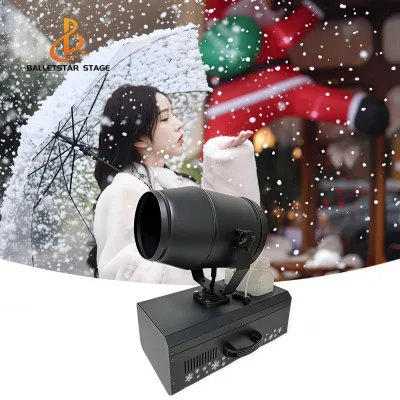
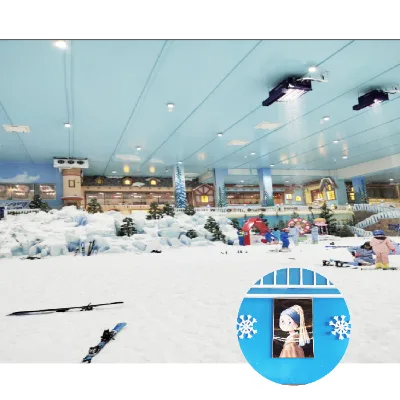
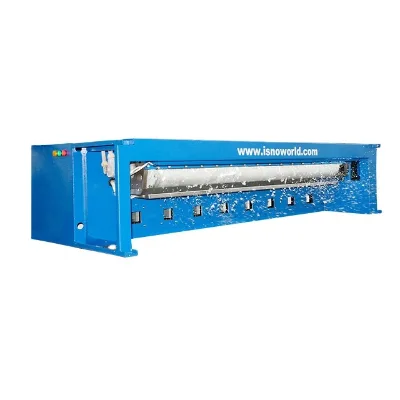
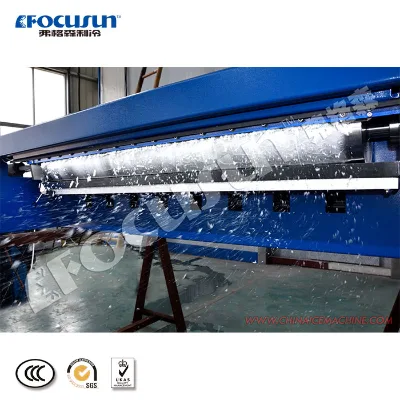
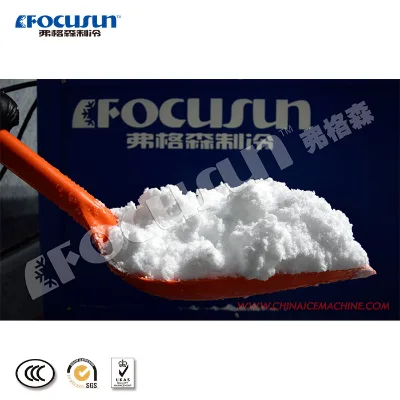
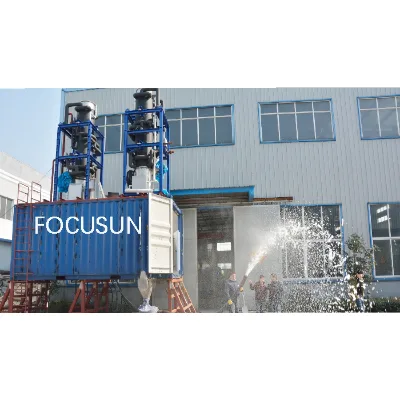
All Season Snow Making Machine for Christmas Party for Ski for Snowpark
$59000.00 - $60000.00
MOQ: 1 units
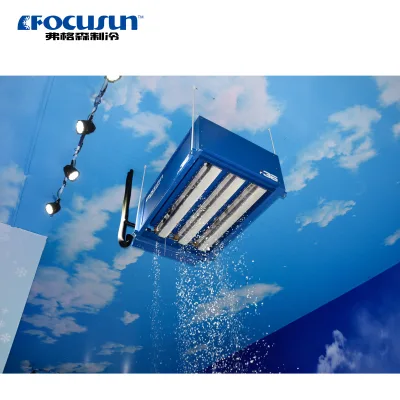


Premium Snow Machine with Intelligent Control for Flawless Ice Creation
$540.00 - $585.00
MOQ: 10 Pieces


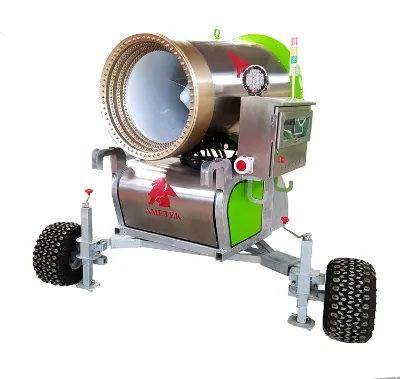
Comprehensive Sourcing Guide
Snow Machine Sourcing Guide
Sourcing snow machines requires a clear distinction between artificial snow generators used for entertainment and industrial ice-making systems designed for large-scale storage. Buyers must first define whether the end-use case involves creating atmospheric effects for events, such as weddings, theme parks, or stadium shows, or if the requirement is for producing bulk ice for industrial cooling, food preservation, or large-scale snow parks. The market offers distinct categories ranging from compact, high-output misting units to massive refrigerated ice-making plants, each with vastly different operational requirements, energy profiles, and maintenance needs.
The procurement process is further complicated by the diversity of power requirements and control systems available across different manufacturers. While some units operate on standard single-phase household voltages suitable for temporary event setups, others require heavy-duty three-phase industrial power connections. Understanding these technical divergences is critical before engaging with suppliers, as mismatched power specifications can lead to significant logistical hurdles, including the need for specialized electrical infrastructure at the installation site. This guide outlines the essential verification steps to ensure the selected equipment aligns with both technical capabilities and commercial objectives.
Product Scope and Observed Listing Signals
The current market landscape for snow machines reveals a wide spectrum of product types, primarily divided into shaking-head misting machines and refrigerated ice-making systems. Observed listings indicate that shaking-head snow machines, often rated around 2000W, are designed for immediate snow spewing with a jet distance of approximately 6-7 meters and a covering area of about 50 square meters. These units typically feature electric, manual, or remote control options and are constructed with stainless steel components to withstand outdoor conditions. They are commonly branded under names like Balletstar and are sourced from regions such as Guangdong, China, with single-unit gross weights ranging from 15 to 16 kg.
In contrast, industrial-grade snow and ice production systems represent a significantly heavier and more complex category. These machines, such as those with model numbers like FAS-3500G, are engineered for high-volume output, with daily capacities reaching up to 1500 kg of snow or ice. These systems utilize advanced core components including PLCs, compressors, condensers, and evaporators, often employing refrigerants like R404A or R448. The physical footprint of these industrial units is substantial, with dimensions extending to 2050mm x 800mm x 800mm and single gross weights exceeding 56 kg. Buyers must carefully distinguish between these two distinct product scopes to avoid ordering equipment that is either underpowered for industrial needs or overly complex for simple event applications.
Technical Specifications to Verify
Voltage compatibility is the most critical technical parameter to verify, as it directly impacts installation feasibility and operational safety. Listings show a wide variance in electrical requirements, ranging from AC 110V to 240V at 50/60Hz for smaller, portable units, to 380V three-phase power at 50Hz or 60Hz for high-capacity industrial machines. Procurement teams must confirm the exact voltage and phase requirements of the target installation site before finalizing any purchase. Mismatched voltage specifications can result in equipment failure or the need for expensive voltage transformers and electrical upgrades, making this verification step non-negotiable during the technical review phase.
Control systems and operational features also vary significantly between product tiers and must be evaluated based on the desired level of automation. Smaller units may offer basic manual controls or simple remote operation, while larger industrial systems often integrate sophisticated PLCs with touch-screen interfaces for precise monitoring and adjustment. Additionally, buyers should verify the presence of specific functional attributes such as head-shaking angles for wider coverage distribution or specific freezing times for instant snow production. For industrial units, the cooling method, whether air-cooled or otherwise, and the brand of critical components like compressors, such as Bitzer, should be confirmed to ensure reliability and ease of future maintenance.
Compliance and Safety Documentation
Safety and performance verification rely heavily on the availability of machinery test reports and core component certifications. Buyers should request detailed machinery test reports that validate the operational stability and output consistency of the Snow Machine under standard conditions. These documents provide objective evidence of the machine's performance capabilities, including power consumption, output volume, and thermal efficiency. Without such reports, buyers are left relying solely on supplier claims, which increases the risk of procuring equipment that does not meet the expected performance standards, particularly for high-stakes industrial applications where downtime is costly.
Electrical safety compliance is another essential documentation requirement, especially for machines operating at higher voltages or in industrial environments. Buyers must ensure that the equipment meets the electrical safety standards of the destination country, which often requires specific certifications for motors, PLCs, and high-voltage components. While specific certification marks may vary by region, the presence of a machinery test report and detailed electrical schematics is a strong indicator of a manufacturer's commitment to quality and safety. Procurement teams should also verify that the refrigerants used, such as R404A or R448, comply with local environmental regulations regarding ozone depletion and global warming potential.
Cost Drivers and Commercial Terms
The price range for snow machines is highly variable, reflecting the disparity between simple event equipment and complex industrial systems. Observed listings show prices ranging from approximately $40 for basic accessories or small units to over $60,000 for large-scale industrial ice-making plants. This vast range underscores the importance of aligning budget expectations with the actual technical requirements of the project. Buyers should not assume that a higher price automatically equates to better suitability; rather, the cost should be evaluated against the specific capacity, power, and durability requirements of the intended application.
Minimum Order Quantities (MOQ) and packaging details also play a significant role in the total cost of ownership. MOQs can range from a single unit for custom or small-batch orders to 300 units for large commercial deployments. Packaging methods, such as nude packing or flight cases, affect both the initial shipping cost and the risk of damage during transit. Buyers should clarify whether the quoted price includes protective packaging suitable for international shipping, especially for heavy industrial units with fragile components like touch screens and compressors. Understanding these commercial terms helps in accurately calculating the landed cost and planning for logistics and handling requirements.
Supplier Qualification and Quality Control
Supplier qualification should focus on the manufacturer's ability to provide comprehensive after-sales support and technical documentation. Given the complexity of industrial snow machines, which include PLCs, compressors, and evaporators, buyers should prioritize suppliers who offer on-site maintenance services and detailed technical support. The availability of a warranty, typically ranging from one to 1.5 years, is a standard indicator of manufacturer confidence, but the scope of this warranty, including coverage for core components, should be explicitly defined in the contract. Suppliers who provide clear guidelines for maintenance and troubleshooting demonstrate a higher level of professionalism and reliability.
Quality control processes should be verified through the supplier's provision of machinery test reports and detailed specifications of core components. Buyers should request evidence of the manufacturing quality, including the brands of critical components like compressors and motors, to ensure long-term durability. Additionally, the origin of the product, whether from Guangdong or Jiangsu in China, may influence the supply chain dynamics and lead times. Establishing a clear communication channel with the supplier for technical queries and post-sale support is essential, as snow machines often require specialized knowledge for installation and operation, particularly in industrial settings.
Long-Term Procurement Checks
Long-term procurement success depends on the availability of spare parts and the ease of maintenance for the Snow Machine. Buyers should verify the supplier's inventory of replacement parts, such as motors, PLCs, and evaporators, to minimize downtime in case of failure. For industrial systems, the accessibility of components for routine maintenance is crucial, and suppliers should provide clear maintenance schedules and procedures. Establishing a long-term relationship with a supplier who can provide timely support and parts is often more valuable than securing the lowest initial price, as operational continuity is critical for businesses relying on snow or ice production.
Energy efficiency and operational costs should also be monitored over the lifecycle of the equipment. While the initial purchase price is a significant factor, the ongoing cost of electricity and refrigerant consumption can have a substantial impact on the total cost of ownership. Buyers should review the power consumption ratings and refrigerant types to estimate long-term operational expenses. Additionally, staying informed about changes in environmental regulations regarding refrigerants can help buyers future-proof their procurement decisions, ensuring that the equipment remains compliant and operational in the long term.
FAQs
What customization options are available for snow machines?
Customization is available for these snow machines to meet specific buyer needs. Buyers can request tailored specifications or features based on their project requirements. This flexibility allows for adapting the equipment to different venue sizes or operational conditions.
Which voltage standards do these snow machines support?
These units support multiple voltage standards including AC 110V, 220V, and 380V with 50 or 60Hz frequencies. The specific voltage depends on the model selected, such as the 2000W shaking head Snow Machine or the industrial snow falling machine. This ensures compatibility with various regional power grids.
How long is the warranty period for the Snow Machine?
The warranty period is typically one year or 1.5 years depending on the specific product model. Buyers should verify the exact duration for their selected unit as some industrial models offer extended coverage. This warranty covers core components like motors and compressors against manufacturing defects.
What is the daily snow production capacity of the industrial unit?
The industrial snow falling machine has a daily capacity of 1500kg per 24 hours. This high output makes it suitable for large-scale applications like snow parks or stadiums. The unit utilizes a 1500kg ice storage capacity to maintain continuous operation during peak demand periods.
Can the Snow Machine operate with remote control features?
Yes, the Snow Machine offers electric, manual, and remote control options for flexible operation. Users can select the control method that best fits their venue setup or automation needs. This feature allows for precise management of snow output and head shaking angles from a distance.
What is the minimum order quantity for purchasing a Snow Machine?
The minimum order quantity ranges from 1 to 300 units depending on the supplier and product type. Buyers can often start with a single item for testing or small events. Larger orders may qualify for different pricing tiers or shipping arrangements based on the specific manufacturer.
Where are these snow machines manufactured and shipped from?
These machines originate from manufacturing facilities in Guangdong and Jiangsu, China. The products are shipped from these locations to international buyers. Buyers should expect the origin to be China when sourcing these specific models like the TX-150 or FAS-3500G.