Source Soft Ruler Tape Measure for Tailoring, Sewing, and Crafts
Compare 30 Soft Ruler Tape Measure options from verified Chinese suppliers. Buyers can evaluate materials like plastic and polyester, precision levels, and customization availability for tailoring, sewing, and crafts applications; compare the available evidence and request quotations based on your requirements.
Key considerations
Products List


Heavy Duty Tape Measures Retractable Measuring Tape Custom Tape Measure
$13.50 - $14.00
MOQ: 500 Pieces


The Rubber Covered with Scriber Measuring Tape, Economic Paper Tape Measure
$1.60 - $1.96
MOQ: 3000 Pieces
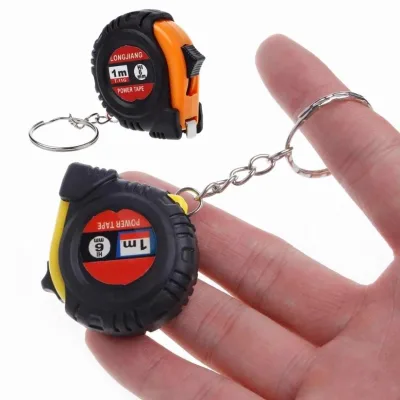


$0.40 - $1.99
MOQ: 1200 Pieces


Comprehensive Sourcing Guide
Soft Ruler Tape Measure Sourcing Guide
Sourcing soft ruler tape measures requires a clear understanding of the diverse material compositions and structural designs available in the global market. Buyers must distinguish between flexible fabric or polyester tapes used for body measurements and those designed for industrial or general-purpose length measurement. The observed product landscape includes items ranging from simple straight rulers to portable tape measures with specific housing types, such as square boxes. Understanding these variations is critical for aligning procurement with specific operational needs, whether for tailoring, construction, or educational use.
Procurement teams should also evaluate the customization options offered by suppliers, as many manufacturers provide tailored solutions for branding and functional requirements. Attributes such as color availability, packaging formats, and OEM acceptance are common features that can influence final selection. By focusing on these tangible product signals, buyers can narrow down their search to suppliers who not only meet technical specifications but also support brand identity and logistical efficiency through flexible packaging and labeling options.
Product Scope and Observed Listing Signals
The current market for soft ruler tape measures exhibits a wide range of price points, typically observed between $0.06 and $21 USD, reflecting differences in material quality, precision, and branding. Minimum order quantities (MOQs) vary significantly, ranging from 30 units for small batches to 5,000 units for large-scale industrial orders. This disparity allows buyers to scale their procurement based on immediate demand or long-term inventory strategies. It is essential to correlate price with MOQ to determine the most cost-effective volume for your specific business needs.
Product listings frequently highlight specific model numbers and standard dimensions, such as 1.3cm x 150cm or ranges up to 30 meters, indicating the versatility of available tools. Materials observed include plastic, stainless steel, and 100% polyester, each serving distinct purposes from durability to flexibility. Packaging details, such as carton packing or individual OPP bags, provide insight into the supplier’s logistical capabilities. Buyers should verify these details against their internal requirements to ensure compatibility with existing distribution channels and storage constraints.
Technical Specifications to Verify
Precision and resolution are critical technical attributes that must be verified before finalizing any procurement decision. Observed specifications indicate resolutions as fine as 0.01mm and precision levels of 0.05mm, which are suitable for high-accuracy tasks. However, not all listed products are classified as precision measuring devices, so buyers must explicitly confirm the accuracy class, such as Class A, to ensure compliance with quality standards. Misalignment between stated precision and actual performance can lead to significant errors in downstream processes, making verification a non-negotiable step.
The measurement range and method are equally important factors to assess. Products may offer ranges from 0 to 150cm up to 0 to 30m, catering to different scale requirements. The majority of observed tools utilize manual measurement methods, which require careful handling to ensure accuracy. Additionally, the physical form factor, whether a straight ruler, portable tape measure, or square box design, impacts usability. Buyers should request sample units to test the ergonomics and readability of the markings under real-world conditions.
Compliance and Safety Documentation
Certification requirements vary by region and application, with common standards including ISO, DIN, CE, RoHS, GS, TUV, UL, GB, ANSI, and JIS. Buyers must ensure that the selected supplier holds the relevant certifications for their target market, as non-compliance can result in customs delays or legal liabilities. The presence of multiple certifications on a single product listing suggests a robust quality management system, but verification through official channels is necessary to confirm validity. Documentation should be requested prior to placing large orders to mitigate risk.
Safety and environmental standards are increasingly important in procurement decisions. RoHS compliance, for instance, indicates that the product is free from specific hazardous substances, which is crucial for electronic or consumer-facing goods. Similarly, CE marking ensures conformity with health, safety, and environmental protection standards for products sold within the European Economic Area. Buyers should maintain a checklist of required certifications based on their end-use industry and verify that the supplier can provide up-to-date certificates for each batch produced.
Cost Drivers and Commercial Terms
Several factors influence the final cost of soft ruler tape measures, including material selection, customization level, and packaging complexity. Products made from stainless steel or featuring rubber handles may command higher prices due to enhanced durability and user comfort. Customization options, such as private labeling or specific color schemes, can also add to the unit cost. Buyers should analyze the total cost of ownership, including shipping and handling, rather than focusing solely on the unit price, to make informed financial decisions.
Commercial terms, including delivery times and payment conditions, play a significant role in supply chain planning. Observed delivery times range from 15 to 45 days, which requires careful inventory management to avoid stockouts. Suppliers may offer free samples, which can be valuable for quality assessment but should be factored into the overall procurement budget. Clear agreement on lead times and MOQs is essential to align production schedules with sales forecasts, ensuring smooth operations and minimizing holding costs.
Supplier Qualification and Quality Control
Evaluating supplier qualifications is a critical step in mitigating procurement risks. Buyers should verify the supplier’s manufacturing capabilities, quality control processes, and track record in producing measuring instruments. The origin of the products, often listed as China or specific provinces like Zhejiang, can provide insights into the local supply chain ecosystem. However, geographic location alone is not a guarantee of quality, so due diligence must extend to reviewing audit reports, customer references, and production facility conditions.
Quality control measures should be explicitly defined in the purchase agreement. This includes specifications for inspection criteria, acceptable defect rates, and procedures for handling non-conforming goods. Suppliers who offer OEM services and accept customization requests often have more flexible production lines, which can be advantageous for tailored orders. Buyers should establish a clear communication channel for addressing quality issues and request regular updates on production progress to ensure timely delivery and adherence to specifications.
Long-Term Procurement Checks
Establishing long-term relationships with reliable suppliers requires continuous monitoring and periodic audits. Buyers should implement a system for tracking supplier performance metrics, such as on-time delivery rates, product quality consistency, and responsiveness to issues. Regular reviews of certification status are necessary to ensure ongoing compliance with evolving regulatory standards. Proactive engagement with suppliers can help identify potential improvements in product design or manufacturing processes, fostering innovation and cost savings over time.
Strategic sourcing decisions should also consider the scalability and flexibility of the supplier’s operations. As market demands change, the ability to adjust order volumes or modify product specifications becomes crucial. Buyers should maintain a diversified supplier base to reduce dependency on a single source and enhance supply chain resilience. By focusing on these long-term checks, organizations can build a robust procurement strategy that supports sustainable growth and operational efficiency in the Soft Ruler Tape Measure market.
FAQs
What certifications do soft ruler tape measures typically have?
Many soft ruler tape measures carry ISO, CE, RoHS, and GS certifications. Some models also include UL, GB, ANSI, and JIS standards. These certifications ensure the products meet international safety and quality requirements for various industrial and commercial applications.
How is the precision of a Soft Ruler Tape Measure defined?
Precision for these devices is often rated at 0.05mm or 0.01mm depending on the specific model. The measurement range typically spans from 0 to 300mm or extends up to 150cm. Users should verify the specific accuracy class, such as Class A, before purchasing.
Can I get a customized Soft Ruler Tape Measure with my logo?
Yes, customization is available for many Soft Ruler Tape Measure models. Suppliers accept OEM requests and allow for custom colors like white, red, blue, green, or yellow. You can also request specific dimensions or branding to match your corporate identity needs.
What is the minimum order quantity for soft ruler tape measures?
The minimum order quantity varies significantly between suppliers, ranging from 30 pieces to 5000 pieces. Some manufacturers require a bulk order of 3000 or 5000 units, while others may accept smaller trial orders. Always check the specific MOQ with the vendor before placing an order.
How long does it take to receive soft ruler tape measures?
Delivery times generally range from 15 to 45 days after order confirmation. This lead time depends on the supplier's location, production capacity, and current order volume. Stock availability is often non-existent for custom items, requiring full production cycles.
What materials are used to make soft ruler tape measures?
Common materials include plastic, stainless steel, and 100% polyester for flexible versions. Some models feature rubber handles for better grip and durability. The choice of material affects the product's flexibility, resistance to deformation, and suitability for different measuring environments.
Are free samples available for soft ruler tape measures?
Free samples are available from many suppliers for soft ruler tape measures. This allows buyers to verify quality, precision, and material before committing to a large order. However, shipping costs for samples may vary, and availability depends on the specific manufacturer's policy.