Source Soft Shrinkable VCI Plastic Film for Packaging, Rust Prevention, and Storage
Compare 30 listings for Soft Shrinkable VCI Plastic Film from verified Chinese manufacturers. Buyers can evaluate thickness, width, and certifications like SGS and RoHS to find suitable packaging solutions for industrial use.
Key considerations
Products List


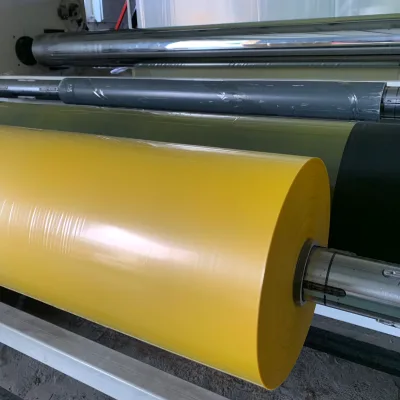


Comprehensive Sourcing Guide
Strategic Sourcing Guide for Soft Shrinkable VCI Plastic Film
Procuring soft shrinkable VCI (Volatile Corrosion Inhibitor) plastic film requires a disciplined approach that balances material science, corrosion protection efficacy, and supply chain reliability. The term "soft shrinkable" implies a specific mechanical behavior where the film must conform tightly to irregular metal surfaces without tearing, while the VCI component actively releases corrosion inhibitors into the micro-environment. Buyers must navigate a complex landscape where product attributes often vary significantly between suppliers, even when the core keyword remains identical. This guide outlines the critical factors for sourcing this specialized packaging material, focusing on verified specifications, compliance frameworks, and risk mitigation strategies derived from industry standards and observed market data.
Technical Specifications and Material Composition
The foundation of a successful procurement strategy lies in defining precise technical parameters. In the observed market, the material composition for shrink films typically centers on Polyethylene (PE) or Polyvinyl Chloride (PVC). While PE is often associated with stretch films, the specific requirement for "soft" shrinkability suggests a formulation optimized for low-temperature shrinkage or high elasticity. Buyers must verify the specific polymer base, as the processing method dictates the final physical properties. Observed data indicates that "Blow Molding" and "Multiple Extrusion" are common processing types, while "Casting" is also utilized for films requiring high clarity and uniform thickness.
Thickness is a critical variable that directly impacts both the shrink ratio and the barrier properties. Market observations show a wide range of thickness specifications, from 50 to 180 microns for specific applications, while other listings indicate a broader range of 0.05mm to 12mm. For soft shrinkable VCI films, the thickness must be sufficient to provide a mechanical barrier against moisture and oxygen while remaining flexible enough to shrink around complex geometries. The standard thickness range of 40 microns to 220 microns is frequently cited, but the optimal value depends on the weight and surface area of the product being protected.
Roll dimensions are equally important for logistics and machine compatibility. Standard roll widths observed in the market span from 50mm to 2300mm, with lengths often customizable to the buyer's needs. The roll weight is typically standardized between 35 and 50 kg per roll, though custom weights are available. Buyers should confirm the "Lay-Flat" feature, which ensures the film does not curl excessively during storage or feeding, a common issue with softer, more elastic films. The surface finish, whether glossy or matte, also affects the friction coefficient during high-speed packaging operations.
Compliance, Certification, and Safety Standards
Ensuring that the film meets regulatory requirements is non-negotiable, particularly when the packaging is used for industrial components that may eventually be handled by workers or shipped internationally. The safety profile of the film must be validated against recognized standards. Verified data points to compliance with SGS, RoHS, Reach, and FDA standards, which are essential for materials used in environments where chemical migration could be a concern. Additionally, specific certifications such as En71-3 (safety of toys) and "Non-6p" (indicating the absence of six specific phthalates) are observed, suggesting that the film may be suitable for applications involving consumer goods or sensitive equipment.
Beyond general safety, the film must adhere to industry-specific standards for corrosion protection. While general plastic film standards like MIL-P, JIS, and TL8135 are listed in the market data, these often refer to the physical properties of the plastic rather than the efficacy of the VCI mechanism. Buyers must specifically request documentation regarding the VCI release rate and the duration of protection provided. The standard "MIL-P" designation suggests a military-grade specification, which implies rigorous testing for durability and environmental resistance. However, the exact performance metrics of the VCI component should not be assumed based on the plastic standard alone; independent testing reports are required to confirm that the film meets the specific corrosion inhibition needs of the application.
Cost Drivers and Pricing Dynamics
The pricing of Soft Shrinkable VCI Plastic Film is influenced by a complex interplay of material costs, customization requirements, and order volume. The observed price range in the market is extremely broad, spanning from $0.01 to $3.70 per unit. This variance is not indicative of a single product but rather reflects differences in thickness, roll size, VCI concentration, and the degree of customization. A thin, standard-width roll of generic PE film will naturally cost significantly less than a thick, wide roll of specialized PVC with a high concentration of VCI agents and custom printing.
Minimum Order Quantity (MOQ) is another primary cost driver. The market data shows an MOQ range from 1 to 50,000 units. For buyers testing new suppliers or requiring small batches for pilot runs, the lower end of this spectrum is critical. However, larger orders typically benefit from economies of scale, reducing the per-unit cost. Buyers should be aware that "Custom Order" acceptance often incurs a premium, as it requires dedicated production runs and setup time. The "Export Standard" packing and the specific "Carton, Box, Roll, Pallet" configurations also add to the final cost, as specialized packaging is necessary to prevent damage during long-distance shipping.
Typical Applications and Usage Scenarios
The versatility of soft shrinkable VCI film makes it suitable for a wide array of industrial applications. The primary usage is identified as "Packaging Film" and "Industry," specifically for protecting metal components during storage and transit. The "Anti-Rust" and "Moisture Proof" features are the key selling points, making this film ideal for automotive parts, machinery components, and precision instruments that are susceptible to corrosion in humid environments.
Beyond general industrial packaging, the film's properties allow for specialized applications such as book covers, table cloths, and strip curtains, although these are secondary uses. The "Shrink Label" and "Shrink Film" classifications indicate that the material can be used for branding and labeling as well as protective wrapping. The "Soft" nature of the film is particularly advantageous for wrapping irregularly shaped objects where a rigid film would crack or fail to seal. The ability to customize the roll length and width allows for tailored solutions for specific product lines, ensuring that the film provides a tight, conformal seal that minimizes air pockets and maximizes the effectiveness of the VCI inhibitors.
Supplier Evaluation and Origin Verification
When evaluating potential suppliers, the geographical origin of the product is a significant factor. The majority of the observed data points to "China" as the place of origin, with specific regions like "Jiangsu" and "Guangdong" frequently mentioned. These regions are known for their robust manufacturing capabilities in the plastics industry. However, buyers must look beyond the country of origin and verify the specific factory capabilities. The "Brand Name" "Mst" is observed in the data, but relying on a single brand is not advisable; instead, buyers should focus on the supplier's ability to provide consistent quality and adherence to the specified standards.
Supplier evaluation should also include a review of their production processes. The presence of "Multiple Extrusion" and "Casting" capabilities suggests a high level of technical sophistication. Buyers should request evidence of these processes, such as equipment specifications or production flow diagrams, to ensure the supplier can meet the required thickness and width tolerances. The "Customization" attribute is widely available, indicating that most suppliers are willing to tailor the product. However, the extent of this customization—whether it includes VCI concentration, color, or specific additives—must be clearly defined in the contract.
Quality Control and Performance Verification
Quality control is paramount when sourcing VCI films, as the effectiveness of the corrosion protection cannot be easily verified by visual inspection alone. Buyers must implement a rigorous quality assurance protocol that includes testing for thickness uniformity, shrinkage ratio, and VCI release efficiency. The observed thickness range of 50-180 microns and 0.05mm-12mm highlights the need for precise measurement tools to ensure the film meets the specified tolerances.
Performance verification should also include testing for the "Moisture Proof" and "Anti-Rust" claims. This can be done through salt spray tests or humidity chamber testing, where metal samples wrapped in the film are exposed to corrosive environments. The "Transparency" of the film, which can range from "Transparent" to "Opaque," should be verified to ensure it meets the visual inspection requirements of the end-user. Additionally, the "Sealing Method" of "Heat Seal" must be tested to ensure that the film can be sealed reliably at the temperatures used in the buyer's packaging machinery.
Long-Term Procurement Considerations
Sourcing Soft Shrinkable VCI Plastic Film is not a one-time transaction but a long-term partnership that requires ongoing management. Buyers should consider the stability of the supply chain, particularly given the reliance on raw materials like PE and PVC, which are subject to market volatility. The "Export Standard" packing and the specific "Carton, Box, Pallet, Roll" configurations must be maintained consistently to prevent damage during transit.
Furthermore, buyers should plan for the scalability of their orders. The ability to accept "Custom Order" requests and the wide range of MOQs (1-50,000) suggest that suppliers can accommodate growth. However, buyers must ensure that the supplier can maintain the same quality standards as order volumes increase. The "Specifications: As per required" attribute indicates flexibility, but this flexibility must be managed through clear, written specifications to avoid ambiguity. Finally, buyers should establish a feedback loop with the supplier to continuously monitor the performance of the film in real-world applications, allowing for adjustments in thickness, VCI concentration, or processing methods as needed.
| Attribute Category | Key Verification Points | Observed Market Range/Values |
|---|---|---|
| Material | PE vs. PVC; VCI concentration | PE, PVC |
| Thickness | Uniformity; Shrinkage ratio | 50-180 micron; 0.05mm-12mm |
| Dimensions | Roll Width; Roll Length | 50mm-2300mm; Customized |
| Certifications | Safety; Environmental compliance | SGS, RoHS, Reach, FDA, En71-3 |
| Processing | Method; Surface finish | Blow Molding, Extrusion; Glossy, Matte |
| Packing | Standard; Custom options | Export Standard; Carton, Pallet, Roll |
| Origin | Location; Factory capability | China (Jiangsu, Guangdong) |
By adhering to these guidelines and focusing on verified data points, buyers can effectively navigate the complexities of sourcing Soft Shrinkable VCI Plastic Film, ensuring they secure a product that meets their technical, regulatory, and operational requirements.
FAQs
What materials are used for Soft Shrinkable VCI Plastic Film?
The film is typically manufactured using Polyethylene (PE) or Polyvinyl Chloride (PVC) materials. These polymers provide the necessary flexibility and shrink properties required for effective corrosion protection during industrial packaging applications.
How thick is the Soft Shrinkable VCI Plastic Film available?
Thickness specifications range from 50 to 180 microns for standard applications, with broader options spanning 0.05mm to 12mm. Buyers should select a thickness that balances mechanical barrier strength with the ability to shrink tightly around irregular metal surfaces.
Which certifications ensure the film meets safety standards?
Verified safety certifications include SGS, RoHS, Reach, FDA, and En71-3 compliance. These standards confirm the material is free from harmful substances like specific phthalates, making it suitable for sensitive industrial and consumer goods packaging.
Can the film be customized for specific roll dimensions?
Yes, suppliers accept custom orders for roll width, length, and weight to meet specific needs. Standard widths range from 50mm to 2300mm, while roll weights are typically 35 to 50 kg, though custom configurations are available upon request.
Where are the manufacturers of this film located?
Production originates primarily from China, with specific manufacturing hubs in Jiangsu and Guangdong provinces. These regions offer established supply chains for plastic films, ensuring consistent availability of materials like PE and PVC for global export.
What is the minimum order quantity for this plastic film?
Minimum order quantities vary significantly, ranging from 1 unit up to 50,000 units depending on the supplier. Lower MOQs allow for pilot testing, while larger orders typically benefit from economies of scale and reduced per-unit costs.
How is the film packed for export shipping?
The film is packed using export standard methods including cartons, boxes, rolls, and pallets. This packaging ensures the film remains protected during transit, preventing damage and maintaining the integrity of the shrinkable and VCI properties.