Source Solvent Printing SPT 510 Printhead for Advertising Packaging Textiles
Compare 30 listings for the Solvent Printing SPT 510 Printhead to find options for large format inkjet printers. Buyers can review models like SPT510 and SPT 508GS with varying conditions and ink types to match their specific printing needs.
Key considerations
Products List


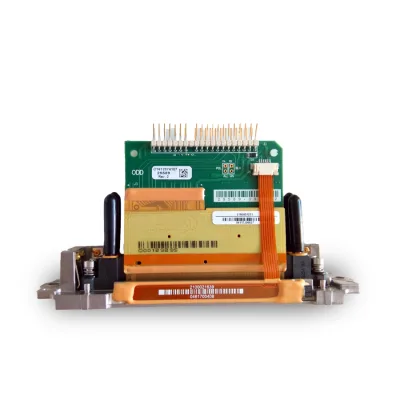
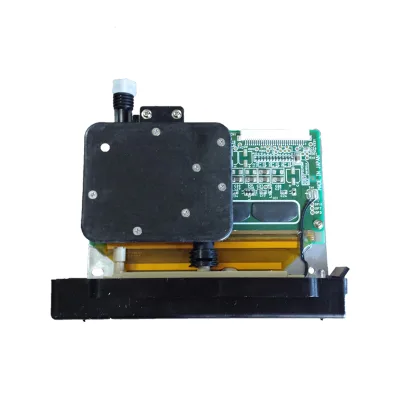
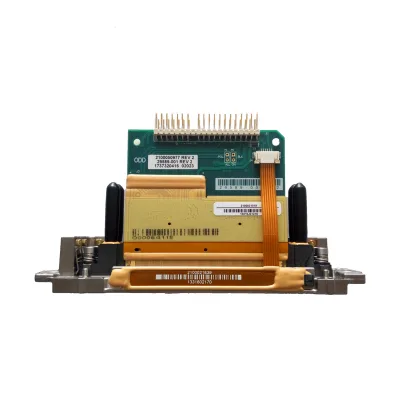
Spectra Polaris Pq 512 15pl 35pl Solvent Printhead for Flora LJ320P Printer
$1586.23 - $1893.24
MOQ: 1 Minimum


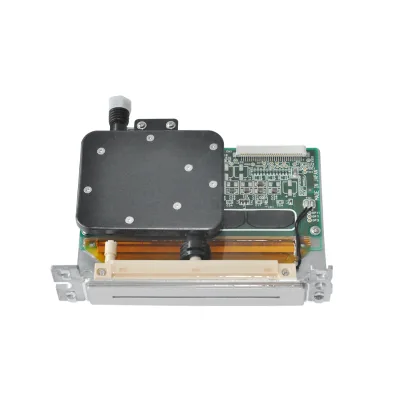
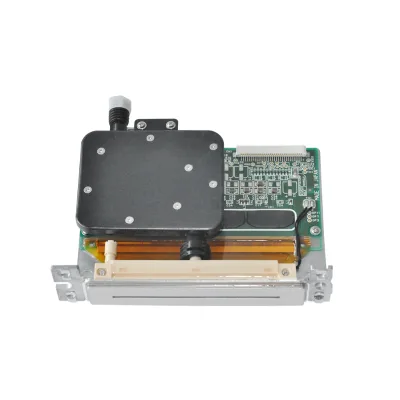
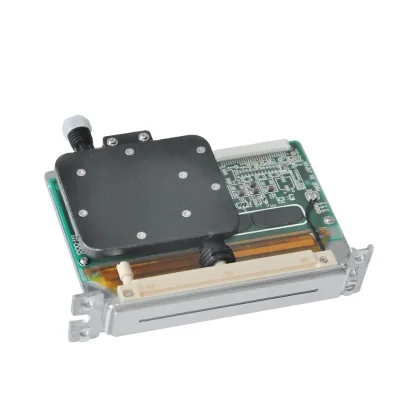
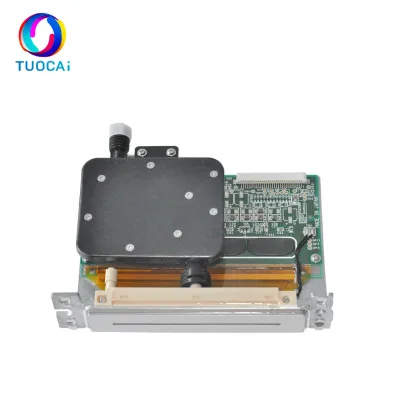
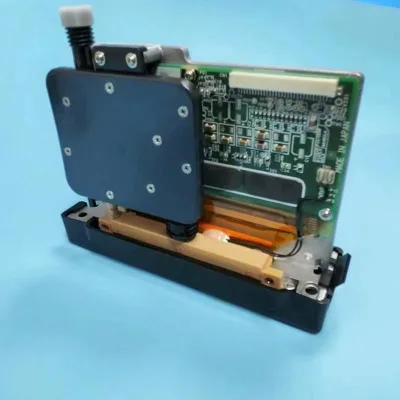

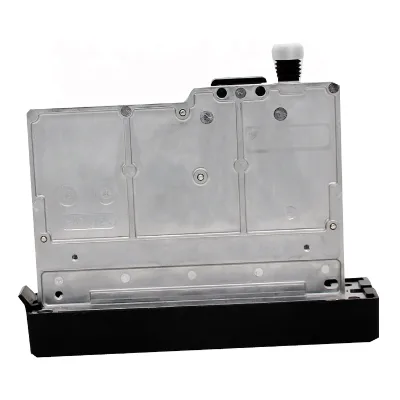
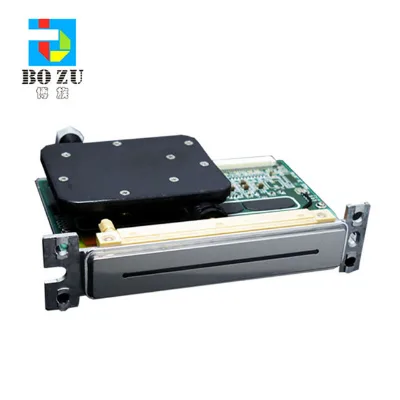
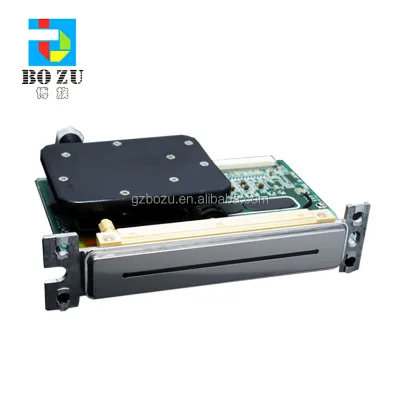


Industrial Inkjet Printhead I3200 Printheads for Eco Solvent Graphic Printing Machine
$1085.00 - $1395.00
MOQ: 1 Pieces
Comprehensive Sourcing Guide
Strategic Sourcing Guide for Solvent Printing SPT 510 Printheads
Understanding the Technical Landscape of SPT 510 Components
The SPT 510 printhead represents a critical component within the digital inkjet printing ecosystem, specifically tailored for large-format solvent-based applications. When sourcing these components, buyers must first distinguish between the physical hardware and the consumable inks that drive them. The core product category often lists "Print Head" and "Nozzle" as primary identifiers, indicating that the SPT 510 is a micro-piezoelectric inkjet printing device. This technology relies on the precise actuation of piezoelectric crystals to eject ink droplets, a mechanism that is fundamental to the high-resolution output required in modern advertising and signage production.
Technical observations from available market data indicate that the SPT 510 is frequently associated with specific ink types, most notably solvent ink, though listings also reference UV ink and water-based eco-solvent options. This versatility suggests that the hardware may be compatible with various fluid chemistries, provided the viscosity and surface tension parameters align with the printhead's internal design. The model designation "SPT 510" is often found alongside variants such as "SPT 508GS," "SPT 1024GS," and specific nozzle configurations like "35PL" or "50PL." The "PL" suffix typically denotes the drop volume in picoliters, a crucial metric for determining print resolution and speed. A 35PL nozzle generally offers higher detail and sharper text, while a 50PL nozzle is optimized for faster coverage of large solid areas.
Buyers must also note the physical specifications provided in supplier listings. The standard packaging for these units is often described as a "Standard Carton Box," with a gross weight ranging from 1kg to 5kg depending on the specific configuration and whether it includes ink cartridges or is sold as a bare head. The physical dimensions of the packaging, such as 251510 cm or 453228 cm per carton, are essential for logistics planning. Furthermore, the origin of these components varies, with listings citing both Japan (Jp) and China (Cn) as places of origin. This geographic diversity implies that buyers should verify the specific manufacturing source for each transaction, as origin can influence quality control standards and supply chain reliability.
Compliance Verification and Certification Standards
In the procurement of industrial printing components, verifying compliance and certification status is paramount to ensuring operational safety and product longevity. While the supplied product data does not explicitly confirm that every listed SPT 510 unit carries specific international certifications, buyers should actively seek documentation regarding quality management systems. The background context suggests that standards such as ISO 9001, ISO 9000, and ISO 20000 are relevant to the industry, even if they are not universally present on every individual product listing.
When evaluating a potential supplier, procurement teams should request proof of adherence to these standards rather than assuming compliance based on general market knowledge. ISO 9001, for instance, validates that the supplier has a robust quality management system in place to ensure consistent product quality. Similarly, ISO 20000 relates to IT service management, which may be relevant if the supplier provides software or firmware support alongside the hardware. It is also worth noting that some suppliers may reference BSCI (Business Social Compliance Initiative) certifications, which address labor practices and social responsibility within the supply chain.
Buyers must be cautious of unverified claims. The provided data lists attributes such as "Quality: 100% Promise" and "Feature: Original," but these are subjective statements that require third-party validation. A "100% Promise" is a commercial guarantee, not a technical certification. Therefore, the procurement strategy should involve a rigorous audit of the supplier's documentation. Buyers should ask for certificates of conformity, material safety data sheets (MSDS) for the ink compatibility, and evidence of the manufacturing facility's adherence to environmental and safety regulations. If a supplier cannot provide documentation for ISO standards or other relevant certifications, this should be treated as a significant risk factor, particularly for high-volume procurement where consistency is critical.
Cost Drivers and Pricing Dynamics
The pricing structure for SPT 510 printheads is influenced by a complex interplay of factors, including the condition of the unit, the specific model variant, and the inclusion of ancillary components. Market observations indicate a wide price range, with listed values spanning from $4.50 to $2,500 USD. This vast disparity is not necessarily indicative of price gouging but rather reflects the diversity of the product offerings available.
The most significant cost driver is the condition of the printhead. Listings distinguish between "New" units and "Refurbished" units. A refurbished SPT 510, such as the "Refurbished SPT510 35PL," will typically command a lower price point compared to a brand-new unit. However, the cost savings must be weighed against the potential risks associated with refurbished hardware, such as reduced lifespan or inconsistent nozzle performance. The "New" condition is often associated with higher price points, reflecting the assurance of full functionality and a longer operational life.
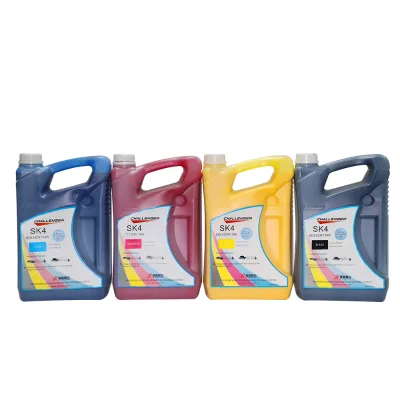
Another critical factor is the specific model configuration. Variants like the "SPT 510 50PL" or "SPT 1024GS - 7PL" may have different price points due to differences in nozzle density, drop volume, and manufacturing complexity. Additionally, the inclusion of ink or specific packaging can affect the final cost. For instance, a listing for "Infiniti Challenger Ink Sk4" includes a specific ink type and may be priced differently than a bare printhead. The Minimum Order Quantity (MOQ) also plays a role in the effective unit cost. While some suppliers offer an MOQ of 1PC, making it accessible for small-scale testing, others may require a minimum of 4 bottles of ink or larger quantities of hardware, which can impact the total procurement budget.
Buyers should also consider the shipping costs and lead times as part of the total cost of ownership. Shipping methods such as DHL, TNT, UPS, FedEx, and EMS are commonly cited, and the choice of carrier will influence the final delivered price. Lead times, typically ranging from 5 to 7 working days, can affect inventory planning and the urgency of the purchase. A longer lead time might necessitate higher safety stock levels, increasing holding costs. Therefore, a comprehensive cost analysis should include not just the unit price but also logistics, inventory carrying costs, and the potential cost of downtime if the supply chain is disrupted.
Typical Applications and Operational Requirements
The SPT 510 printhead is designed for a specific set of high-performance applications, primarily within the large-format printing sector. The primary usage is identified as "for Inkjet Printer," with a specific emphasis on "Large Format Solvent Inkjet Printer" and "Large Format Inkjet Printer." This indicates that the component is integral to machines used for producing banners, billboards, vehicle wraps, and other wide-format graphics. The printing type is consistently described as "Digital Inkjet Printing" and "Micro-Piezoelectric Inkjet Printing," which are technologies known for their ability to handle a wide range of media and inks with high precision.
The applications for these printheads extend beyond simple graphic production. The "Application" attribute often lists "Advertising," highlighting the role of the SPT 510 in the marketing and signage industry. The ability to print with solvent, UV, and eco-solvent inks allows for versatility in material compatibility. Solvent inks are particularly valued for their durability and outdoor resistance, making them ideal for signage that must withstand environmental exposure. The color base is often described as "Pigment Type," and the color configuration is typically "Cmyk LC Lm" (Cyan, Magenta, Yellow, Black, Light Cyan, Light Magenta), which enables a broader color gamut and smoother gradients.
Buyers must ensure that the operational environment matches the requirements of the SPT 510. The printhead's performance is sensitive to the quality of the ink used. While the hardware may support multiple ink types, the specific chemistry must be compatible with the printhead's internal components to prevent clogging or damage. The "Use" attribute explicitly mentions "Large Format Solvent Inkjet Printer," suggesting that the primary design intent is for solvent-based systems. However, the presence of "Water Based Ink/Eco Solvent Ink/UV Ink" in the data indicates that some variants or configurations may support these alternatives. This flexibility is a significant advantage for printers who need to switch between different media types or ink chemistries without changing hardware.
Supplier Evaluation and Quality Assurance Protocols
Selecting the right supplier for SPT 510 printheads requires a rigorous evaluation process that goes beyond simple price comparison. The supply chain for these components involves multiple players, including manufacturers, distributors, and refurbishers. Buyers should prioritize suppliers who can provide transparent information about the product's origin, condition, and testing history. The "Place of Origin" is a critical piece of information, with listings citing both Japan and China. While Japan is often associated with high manufacturing standards, China is a major hub for electronics production. The origin alone does not determine quality, but it is a starting point for due diligence.
Quality assurance should be a central pillar of the supplier evaluation. Buyers should look for suppliers who offer a "100% Promise" regarding quality, but more importantly, they should demand evidence of this promise. This evidence can take the form of test reports, warranty terms, and return policies. The "Condition" of the product, whether "New" or "Refurbished," must be clearly defined. For refurbished units, the supplier should provide details on the refurbishment process, including cleaning, testing, and replacement of worn components. A "Fresh with Latest Date" attribute for ink products suggests that buyers should also verify the shelf life and storage conditions of consumables.
The "Feature: Original" attribute is another key indicator of authenticity. Buyers should be wary of counterfeit products that may mimic the appearance of genuine SPT 510 heads but lack the internal quality and durability. Verification of the "Original" status can be achieved by checking the serial numbers, packaging quality, and documentation provided by the supplier. Additionally, the "Selling Units" attribute, often listed as "Single Item," indicates that the supplier is willing to sell in small quantities, which is beneficial for testing and small-scale production. However, for larger orders, buyers should negotiate terms that ensure consistency across the batch.
Long-Term Procurement and Inventory Management Strategies
Sourcing SPT 510 printheads is not just a one-time transaction but a long-term strategic decision that impacts operational efficiency and cost management. The "Delivery Time" of 5-7 working days suggests a relatively quick turnaround, but buyers should plan for potential delays, especially during peak seasons or supply chain disruptions. Establishing a relationship with a reliable supplier who can guarantee consistent lead times is essential for maintaining production schedules.
Inventory management is another critical consideration. The "MOQ" of 1PC allows for low-risk testing, but for ongoing production, buyers may need to secure larger quantities to benefit from volume discounts and ensure supply continuity. The "Gross Weight" of 1kg to 5kg per unit must be factored into storage and shipping logistics. Proper storage conditions are vital to prevent damage to the printhead, particularly for sensitive electronic components. Buyers should ensure that their storage facilities maintain appropriate temperature and humidity levels to preserve the integrity of the hardware.
Long-term procurement also involves monitoring the lifecycle of the SPT 510 printhead. As a consumable component, it will eventually wear out and require replacement. Buyers should track the usage hours and print volume to predict when replacement will be necessary, avoiding unplanned downtime. The availability of "Refurbished" options can extend the lifecycle of the investment, but buyers must weigh the cost savings against the potential for increased maintenance and reduced print quality.
Finally, buyers should stay informed about technological advancements and new model releases. The "prod_model" field lists various iterations, such as "SPT 510 50PL 35PL" and "SPT 1024GS - 7PL," indicating that the product line is evolving. Staying updated on these developments can help buyers make informed decisions about upgrading their equipment or switching to more efficient models. By adopting a proactive approach to procurement, buyers can optimize their operations, reduce costs, and maintain a competitive edge in the digital printing market.
FAQs
What ink types are compatible with the SPT 510 printhead?
The SPT 510 printhead supports solvent ink, UV ink, and eco-solvent ink. Some listings also indicate compatibility with water-based ink, allowing for versatile printing applications across different media types.
Which SPT 510 models are available for purchase?
Available models include the SPT 510, SPT 508GS, SPT 1024GS, and specific variants like 35PL or 50PL. Refurbished options such as the SPT510 35PL are also listed alongside new units for various printing needs.
Can I buy a single unit of the SPT 510 printhead?
Yes, the minimum order quantity is 1PC for the printhead itself. However, ink products may have different requirements, such as a minimum of 4 bottles, depending on the specific item selected.
How long is the delivery time for this product?
The standard delivery time is 5 to 7 working days. Shipping is typically handled via carriers like DHL, FedEx, TNT, UPS, or EMS to ensure timely arrival.
What is the condition of the SPT 510 printheads?
Printheads are available in both new and refurbished conditions. New units are described as fresh with the latest date, while refurbished units offer an alternative option for cost-conscious buyers.
Where are the SPT 510 printheads manufactured?
The products originate from Japan or China. Buyers should verify the specific place of origin for each listing, as this can vary between suppliers and affect logistics planning.
What is the packaging standard for these printheads?
Items are typically packed in standard carton boxes. The gross weight varies from 1kg to 5kg depending on the configuration, and packaging dimensions may range from 25x15x10 cm to 45x32x28 cm.